Category Archives: Food Virus

Research – Pooled prevalence and genetic diversity of norovirus in Africa: a systematic review and meta-analysis

Virology J

Food Borne Illness - Norovirus -CDC Photo

Abstract

Background

Noroviruses are the leading cause of acute gastroenteritis in all age groups globally. The problem is magnified in developing countries including Africa. These viruses are highly prevalent with high genetic diversity and fast evolution rates. With this dynamicity, there are no recent review in the past five years in Africa. Therefore, this review and meta-analysis aimed to assess the prevalence and genetic diversity of noroviruses in Africa and tried to address the change in the prevalence and genetic diverisity the virus has been observed in Africa and in the world.

Methods

Twenty-one studies for the pooled prevalence, and 11 out of the 21 studies for genetic characterization of norovirus were included. Studies conducted since 2006, among symptomatic cases of all age groups in Africa, conducted with any study design, used molecular diagnostic methods and reported since 2015, were included and considered for the main meta-analysis. PubMed, Cochrane Library, and Google Scholar were searched to obtain the studies. The quality the studies was assessed using the JBI assessment tool. Data from studies reporting both asymptomatic and symptomatic cases, that did not meet the inclusion criteria were reviewed and included as discussion points. Data was entered to excel and imported to STATA 2011 to compute the prevalence and genetic diversity. Heterogeneity was checked using I2 test statistics followed by subgroup and sensitivity analysis. Publication bias was assessed using a funnel plot and eggers test that was followed by trim and fill analysis.

Result

The pooled prevalence of norovirus was 20.2% (95% CI: 15.91, 24.4). The highest (36.3%) prevalence was reported in Ghana. Genogroup II noroviruses were dominant and reported as 89.5% (95% CI: 87.8, 96). The highest and lowest prevalence of this genogroup were reported in Ethiopia (98.3%), and in Burkina Faso (72.4%), respectively. Diversified genotypes had been identified with an overall prevalence of GII. 4 NoV (50.8%) which was followed by GII.6, GII.17, GI.3 and GII.2 with a pooled prevalence of 7.7, 5.1, 4.6, and 4.2%, respectively.

Conclusion

The overall pooled prevalence of norovirus was high in Africa with the dominance of genogroup II and GII.4 genotype. This prevalence is comparable with some reviews done in the same time frame around the world. However, in Africa, an in increasing trained of pooled prevalence had been reported through time. Likewise, a variable distribution of non-GII.4 norovirus genotypes were reported as compared to those studies done in the world of the same time frame, and those previous reviews done in Africa. Therefore, continuous surveillance is required in Africa to support future interventions and vaccine programs.
New Zealand – Consumers urged not to eat illegal mussels

MPI

New Zealand Food Safety is urging consumers not to eat mussels being sold illegally at independent retailers or online.

The sale of imported mussels is carefully controlled to ensure they meet New Zealand’s food safety requirements. While mussels from Fiji may be brought into New Zealand for personal use, they cannot be sold.

Deputy director general Vincent Arbuckle says Fijian mussels have been removed from sale at some smaller retailers catering to Pacific Island communities, and online.

“As New Zealand Food Safety has not assessed Fiji’s growing, harvesting and processing controls for mussels we cannot be confident that the mussels don’t pose a food safety risk to consumers.”

The mussels are also known as: Nakai, Naakai, Nakaai, Kai, Batissa violacea and Fresh Water Mussels.

“It’s vital that mussels available to buy for members of the public are safe to eat. Knowing where the mussels you want to buy have come from can help reduce the risk of any potential health problems.

“Our message to people buying mussels is that if you are in any doubt, ask the retailer where the product has come from. If it is from Fiji, the mussels should not be for sale.”

Mussels are a higher risk food because of the way they feed, which increases the likelihood of contamination from bacteria, viruses, toxins and chemicals.

RASFF Alert – Hepatitis E – Seaweed Salad

RASFF

Hepatitis E in Wakame Salad (seeweed salad) from the Netherlands in Denmark

RASFF Alerts – Norovirus – Frozen Raspberries

RASFF

Norovirus group II detected in frozen raspberries from France in Spain, Ivory Coast and Cameroon

Luxembourg – RECALL: ASIAN CHOICE BRAND SEAWEED SALAD (FROZEN SEAWEED SALAD)

SAP

Last name Algensalat tiefgefroren / frozen seaweed salad Seaweed Salad
Mark AsianChoice
Unity 225g
bar code 8717677865734
Date of minimum durability (MDD) 07/25/2023
Batch 2111040038

Danger  : Possible presence of Hepatitis type E

Sale in Luxembourg by: Dafa Supermarket Luxembourg and Edens sa

A sale by other operators cannot be excluded.

Communicated by: Government Commission for Quality, Fraud and Food Safety

Belgium – Seaweed Salad (frozen) “Seaweed Salad” (225g) from Asian Choice brand.

AFSCA

Mali Asian Market bv recall
Product: Seaweed Salad (frozen) “Seaweed Salad” (225g) from Asian Choice brand.
Problem: Possible presence of type E hepatitis.

In agreement with the AFSCA MALI ASIAN MARKET bv withdraws the seaweed salad (frozen) “Seaweed Salad” of the brand Asian Choice, from sale and recalls it from consumers because of the possible presence of Hepatitis type E MALI

ASIAN MARKET bv asks its customers not to consume this product and to return it to the point of sale in which it was purchased, where they will be reimbursed.

Product Description:

Name: Seaweed Salad (Frozen)
Brand: ASIAN CHOICE Best Before
Date (BDD): 25/07/2023
Item Number: DV8010
Sale Period: 16/01/2022 to 04/08/2022
Weight: 225g

The product was distributed by:
MALI ASIAN MARKET (Brugsesteenweg 161; 8500 KORTRIJK).

More information via MALI ASIAN MARKET: HIMPE THIERRY, tel 0478 78 11 36.

Denmark – Risk of Hepatitis E in seaweed salad

DVFA

The Chinese Merchant and Asian Market are recalling a lot of seaweed salad, as there is a risk that the product is contaminated with Hepatitis E (updated 09-08-2022 with new points of sale)

Recalled Foods , Published: August 5, 2022

Modified August 9, 2022

​​Which product:
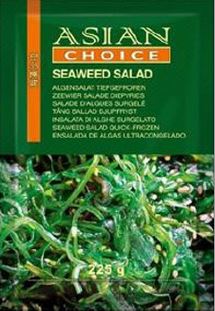
ASIAN CHOICE Seaweed salad ( see picture )
Net weight: 225g
Valid until 25.07.2023

Sold in:
The Chinese Merchant in Copenhagen
Asian Market in Grenaa
KFT Jutland
Far-East-Trading in Aarhus
Company that revokes:
DKK Wholesale – The Chinese Merchant, KFT Jylland, Far-East-Trading​ and Asian Market
Cause:
There is a risk that the product is contaminated with Hepatitis E, which is unacceptable in terms of health.
Risk:
There is a risk of infection with Hepatitis E. If you have any questions about symptoms, contact your own doctor or the doctor on call.
Advice for consumers:
The Danish Veterinary and Food Administration advises consumers to return the product to the store where it was purchased, or to discard it

IAFP 2022: Persistence of Norovirus, Hepatitis A in Low-Moisture Foods

Food Safety.Com

Food Borne Illness - Norovirus -CDC Photo

Hepatitis A and Human Norovirus

Dr. Gibson introduced and gave an overview of the two most relevant enteric viruses in food safety—human Norovirus and Hepatitis A—on which Dr. Jaykus later elaborated. The viruses share several characteristics, such as being resistant to environmental degradation, having a low infectious dose, and shedding from infected individuals at high concentrations. The enteric viruses are also highly persistent on foods and are difficult to inactivate. According to Dr. Jaykus, the viruses can persist on surfaces for days to weeks at room temperature; on foods in water, the viruses can persist for weeks to months if refrigerated, and indefinitely if frozen. Although viral persistence is strong for enteric viruses, the viruses’ survivability depends on the surface, matrix, and temperatures to which they are subject.

Hepatitis A is more common in low-income countries and its common modes of transmission are ready-to-eat (RTE) foods, fresh and frozen produce, and LMFs. Hepatitis A has a public health impact of over 37,000 foodborne cases in the U.S., annually. Norovirus, which causes approximately 5.5 million cases of foodborne illness in the U.S. each year, is mainly transmitted through foods at restaurants due to contamination by infected food handlers; soft, red fruits are also associated with Norovirus due to being hand-harvested. Foods that are handled by humans during harvesting, processing, or preparation are common vehicles for Norovirus as the pathogen can remain infectious and shed from infected individuals for up to eight weeks.

In dry environments, the enteric viruses can transfer between surfaces at a rate of 5–10 percent; in moist environments, the viruses’ rate of transferability increases to over 95 percent. Hepatitis A and Norovirus have also shown to be effective at attaching and sticking to existing biofilms.

Denmark – Risk of Hepatitis E in seaweed salad

DVFA

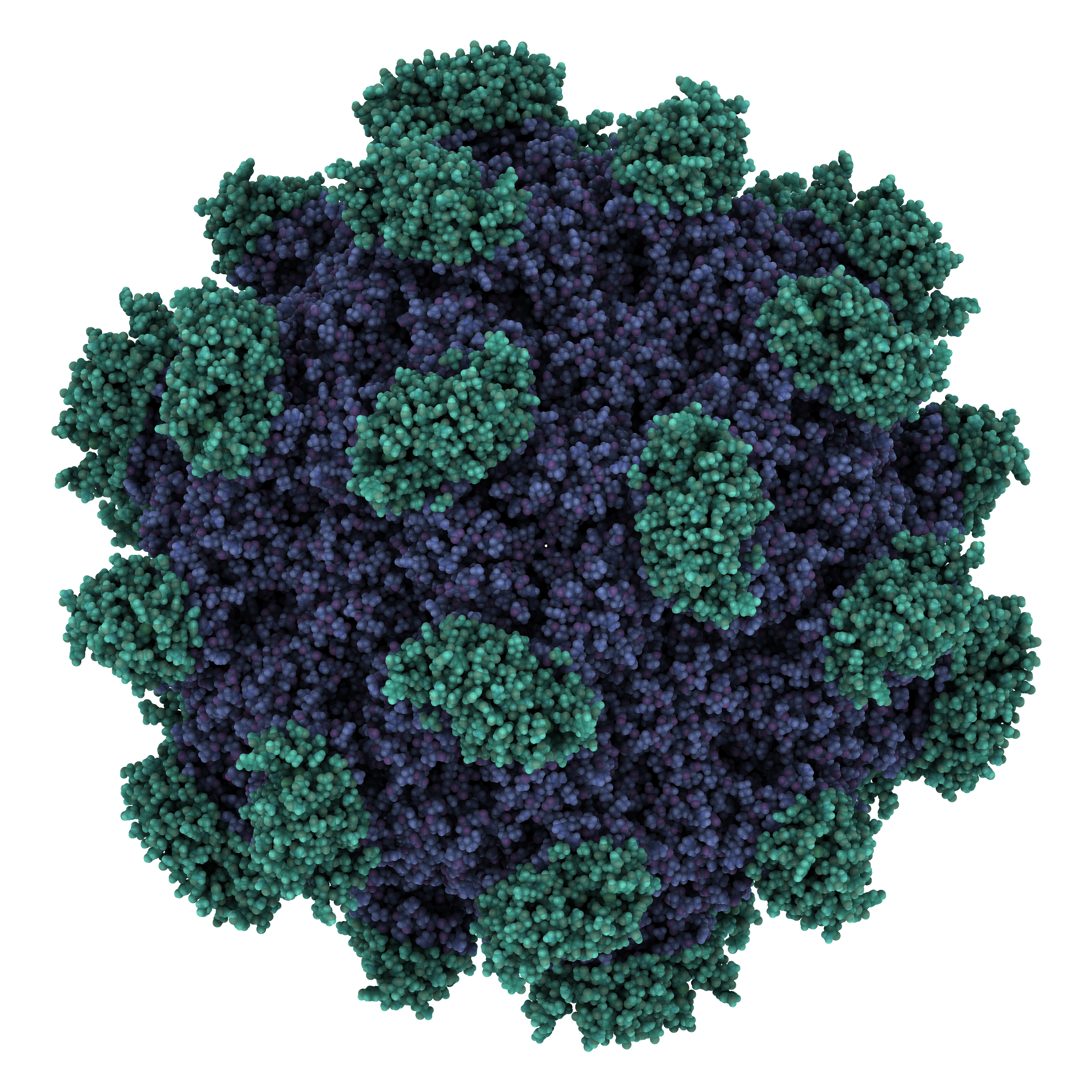
Hepatitis E virus capsid structure. HEV infection causes viral h

The Chinese Merchant and Asian Market are recalling a lot of seaweed salad, as there is a risk that the product is contaminated with Hepatitis E (updated with new point of sale)
Recalled Foods , Published: August 5, 2022
Modified August 5, 2022

​​Which product:

ASIAN CHOICE Seaweed salad ( see picture )
Net weight: 225g
Valid until 25.07.2023

Sold in:
The Chinese Merchant in Copenhagen
Asian Market in Grenaa
 
Company that revokes:
DKK Wholesale – The Chinese Merchant and Asian Market
 
Cause:
There is a risk that the product is contaminated with Hepatitis E, which is unacceptable in terms of health.
 
Risk:
There is a risk of infection with Hepatitis E. If you have any questions about symptoms, contact your own doctor or the doctor on call.
 
Advice for consumers:
The Danish Veterinary and Food Administration advises consumers to return the product to the store where it was purchased, or to discard it.

Spain – 109 infections confirmed in Norovirus outbreak in Mojacar, Almeria, tourist complex

Euroweekly

A total of 109 people have been confirmed infected by the norovirus outbreak at a tourist complex in the Almeria municipality of Mojacar.

An outbreak of norovirus in the Best Pueblo Indalo apartments located in the Almeria municipality of Mojacar has infected 109 people according to a report today, Friday, July 29, from the Territorial Delegation of Health and Families.

The first case was confirmed last Wednesday, July 27, and epidemiologists have since been carrying out an exhaustive tracking of newly affected patients.

“It is an explosive virus, but the symptoms are mild and disappear within 24 to 48 hours”, health sources confirmed to Diario de Almeria. They assured the publication that a significant number of patients had already recovered.

Those affected by this stomach virus have suffered vomiting, gastrointestinal ailments, diarrhoea, and general malaise these past few days. It is a sickness that is not caused by food poisoning but is most likely transmitted through direct contact with surfaces such as a railing or a doorknob.