RASFF – foodborne outbreak suspected to be caused by norovirus (GI & GII /25g) in frozen seaweed salad from China, via Germany in Spain

RASFF – foodborne outbreak suspected to be caused by norovirus (GI & GII /25g) in frozen seaweed salad from China, via Germany in Spain
RASFF – Clostridium botulinum type E in dried uneviscerated roach manufactured in the Netherlands in Germany
RASFF – Salmonella (presence /25g) in frozen chicken skewer from Germany in Germany
RASFF – Salmonella enterica ser. Infantis (in 4 out of 5 samples /25g) in frozen chicken meat preparation from Spain in France
RASFF – Salmonella (presence /25g) in dried parsley from Egypt, via Latvia in Poland
RASFF – Salmonella (presence /25g) in chilled pork meat from Spain in Italy
RASFF – Salmonella enterica ser. Typhimurium (presence /25g) in chilled turkey meat products from France in France
RASFF – Salmonella (presence /25g) and high count of Escherichia coli (1500 CFU/g) in betel leaves from Malaysia in the UK
RASFF – Salmonella enterica ser. Enteritidis (present /25g), Salmonella enterica ser. Indiana (present /25g) and Salmonella group C1 (present /25g) in chicken carcasses from Poland, from chickens reared in Czech Republic in Poland
RASFF – Salmonella enterica ser. Typhimurium (presence /25g) in chilled and frozen chicken meat from France in France
RASFF – Salmonella enterica ser. Typhimurium (presence /25g) in frozen raw chicken fillets from the Netherlands in the Netherlands
RASFF – Salmonella enterica ser. Infantis (presence /25g) in chilled chicken breast from Poland in the Czech Republic
RASFF – Salmonella enterica ser. Typhimurium (presence /25g) in chilled turkey meat from Poland in Poland
RASFF – Salmonella (in 1 out of 5 samples /25g) in betel leaves from India in the UK
RASFF – Salmonella (presence /25g) in frozen tuna chunk from Vietnam in the Netherlands
RASFF – Salmonella (presence /25g) in duck carcasses from Poland from animals reared in the Czech Republic in Poland
RASFF – Salmonella (presence /25g) in duck carcasses from Poland from animals reared in the Czech Republic in Poland
RASFF – Salmonella (in 1 out of 5 samples /25g) in chilled boneless chicken legs from Poland in the Czech Republic
RASFF – Salmonella (presence) in organic elderflowers from Albania in Germany
RASFF – Salmonella enterica ser. Enteritidis (presence /25g) in chilled poultry meat from Poland in Poland
RASFF – Salmonella (presence /25g) in organic ginger slices from Uganda in the UK
RASFF – Salmonella (in 1 out of 5 samples /25g) in sesame seeds from Sudan in Greece
RASFF – Salmonella enterica ser. Enteritidis (presence /25g) in chilled chicken thighs from Belgium in the Netherlands
RASFF – Salmonella enterica ser. Enteritidis (presence /25g) in chilled chicken meat from chickens reared in the Czech Republic and slaughtered in Poland in Poland
RASFF – Salmonella enterica ser. Montevideo (presence /25g), Salmonella enterica ser. Urbana (presence /25g) and Salmonella enterica ser. Worthington (presence /25g) in sesame seeds from Nigeria in Germany
RASFF – Salmonella enterica ser. Sandiego (presence /25g) in black pepper from Brazil in Germany
RASFF – Salmonella (presence /25g) in raw milk Roquefort cheese from France in France
Nassau County Department of Health is investigating a cluster of cases of salmonellosis associated with people who consumed food or drink at the restaurant Brixx and Barley, located at 152 West Park Ave in Long Beach, NY. Potential exposures to Salmonella at the restaurant could date back to early July. Nassau County Department of Health has closed Brixx and Barley while the investigation as to the source of Salmonella is investigated.
Following last year’s widespread E.coli O157 outbreak involving romaine lettuce linked to the Yuma, Arizona growing region (Spring 2018), FDA launched a sampling assignment to test romaine lettuce for pathogenic Shiga toxin-producing Escherichia coli (STEC) and Salmonella spp. The microbiological surveillance samplingbegan on December 18, 2018 in the Yuma region and focused on 26 commercial coolers and cold storage facilities to allow FDA to sample multiple farms from several locations at once. The agency collected and tested a total of 188 samples for both pathogens. It did not detect Salmonella in any sample; STEC was detected in one sample, but additional analysis found that the bacteria was not pathogenic.
“The findings of this assignment suggest that there was no widespread Salmonella or STEC contamination of romaine lettuce from the Yuma growing region during the period when sampling occurred. As a next step, the FDA is working with leafy green stakeholders in the Yuma region to consider a longer-term environmental study to identify and control risks that will prevent future outbreaks, with the ultimate goal of protecting consumers. – FDA
The point of the sampling assignment was to determine whether target pathogens were present, and if so, to respond quickly before contaminated products reached consumers.
Posted in E.coli, E.coli O157, E.coli O157:H7, food contamination, food handler, Food Hygiene, Food Illness, Food Inspections, Food Micro Blog, Food Microbiology, Food Microbiology Blog, Food Pathogen, Food Poisoning, food recall, Food Safety, Food Safety Alert, Food Testing, Food Toxin, Salmonella, Uncategorized
A hepatitis A outbreak has sickened 23 people after they visited the Mendham Golf and Tennis Club in Mendham Township, New Jersey. This is a members only club. A food handler was diagnosed with hepatitis A and worked at the club while infectious. One person is “seriously ill,” according to the press release by the New Jersey Department of Health.
AWERS Inc. of Bellevue, Washington is recalling Grained Salmon Caviar in 95 gram tins because it may be contaminated with botulinum toxin, which can cause life-threatening illness or death. Do not eat this product even if it does not look or smell spoiled. Botulinum toxin does not change the appearance, taste, or texture of food. No illnesses have been reported to date in connection with this issue.
Apologies for this being late but i have been on holiday 🙂
The Public Health England (PHE) team investigating cases of listeriosis linked to sandwiches and salads in NHS hospitals in England has confirmed that, since the last update on 26 June 2019, there has been another death, bringing to six the total number of deaths linked to this outbreak.
The individual who died was one of the nine previously confirmed cases. The individual is considered to have acquired listeriosis from Good Food Chain products while at Western Sussex Hospitals NHS Foundation Trust.
PHE continues to test all samples of listeria on an ongoing basis to check if they are linked to this outbreak. To date, thirty-four samples have been tested, with none linked to the outbreak.
There have been no new cases of listeriosis linked to this outbreak. Investigations are continuing and the public should be reassured that the risk continues to be low.
No cases have been reported in Scotland so far.
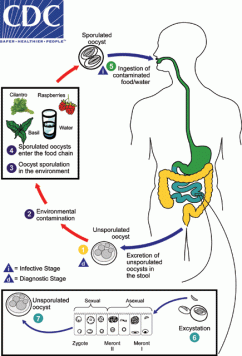
The FDA has updated the basil cyclospora outbreak that has now sickened at least 205 people in 11 states. That’s an increase of 73 patients since the last update which was posted on July 25, 2019. Five people have been hospitalized because they are so sick. The basil in question is imported from Mexico by Siga Logistics de RL de CV from Morelos. That facility recalled basil on July 24, 2019.
Posted in Cyclospora, food bourne outbreak, food contamination, food handler, Food Hygiene, Food Illness, Food Inspections, Food Micro Blog, Food Microbiology, Food Microbiology Blog, Food Pathogen, food recall, Food Safety, Food Safety Alert, Food Testing, foodborne disease, Foodborne Illness, foodborne outbreak, foodbourne outbreak, Parasite, Protozoan, Uncategorized
Ottawa, August 18, 2019 – Rosemount Sales and Marketing is recalling Rosemount brand cooked diced chicken meat from the marketplace due to possible Listeria monocytogenes contamination. Consumers should not consume and distributors, retailers and food service establishments such as hotels, restaurants, cafeterias, hospitals and nursing homes should not sell or use the recalled products described below.
| Common Name | Size | UPC | Code(s) on Product |
|---|---|---|---|
| Cooked diced chicken meat 13 mm – ½” (#16305) | 4.54 kg | 2 06 20263 12454 7 | PACKDATE: 01/21/19 |