Brand : De Luca Srl
Name : Homemade Sweet Sausage
Reason for reporting : Recall due to microbiological risk
Publication date : June 17, 2021


Brand : De Luca Srl
Name : Homemade Sweet Sausage
Reason for reporting : Recall due to microbiological risk
Publication date : June 17, 2021
None of the top nine retailers in the United Kingdom reported Campylobacter in chicken test results near the FSA limit in the first three months of this year.
The Food Standards Agency (FSA) maximum acceptable level is 7 percent of birds with more than 1,000 colony forming units per gram (CFU/g) of Campylobacter.
Tesco was the supermarket that recorded the worst contaminated chicken results with 4 percent of 300 samples above 1,000 CFU/g in the first quarter of 2021 (1Q) which was down from 6 percent in 4Q 2020.
Sainsbury’s performed much better in the latest set of figures covering January to March with around 2 percent of chickens sampled above 1,000 CFU/g compared to 7 percent in 4Q 2020.
Asda reported 1.3 percent tested positive for the highest level of contamination in the latest quarter compared to 1.8 percent in the previous three months.

| Recall reason | Listeria |
|---|---|
| Marketed by | Berglandmilch eGen |
| Manufacturer | Berglandmilch eGen |
| Expiry Date | 08/02/2021 |
| Batch number | 115890 |
Public recall: Schärdinger roast and grill cheese, natural, 150g
Schärdinger roast and grill cheese natural, 45%, 150g with the best before date 02.08.2021 is not suitable for consumption due to contamination with listeria!
In the Schärdinger roast and grill cheese natural, 45%, 150g from the manufacturer Berglandmilch eGen, contamination with Listeria was found during internal quality controls.
Only batch 115890 with the best before date 02.08.2021 is affected. As a preventive measure, the affected product has already been taken off the market and is no longer available on the shelves.
The product is not suitable for consumption and can be returned by consumers at any time. The purchase price will of course be reimbursed to customers even without proof of purchase.
This recall is made as a precautionary measure out of responsibility for the health of consumers and to ensure the safe use of our products. Listeria are microorganisms that are classified as pathogenic, but which are killed when properly heated – as is typically the case with fried and grilled cheese.
This warning does not mean that the exposure was caused by our company.
Inquiries & contact:
Berglandmilch eGen
Hotline: 0800 170161 or 0664/8393651
E-Mail: Konsumentenhotline @ berglandmilch.at
Six people in Norway have fallen ill in recent months with the source of infection thought to be contaminated raw milk cheese from France.
The foodborne outbreak was suspected to be caused by Salmonella Dublin in chilled cheese made with unpasteurized milk.
The Norwegian Institute of Public Health (Folkehelseinstituttet) investigated the outbreak with the Norwegian Food Safety Authority (Mattilsynet) and Norwegian Veterinary Institute.
Posted in food bourne outbreak, food contamination, Food Hazard, Food Hygiene, Food Illness, Food Inspections, Food Micro Blog, Food Microbiology, Food Microbiology Blog, Food Microbiology Testing, Food Pathogen, food recall, Food Safety, Food Safety Alert, Food Testing, foodborne outbreak, foodbourne outbreak, outbreak, Raw Milk, raw milk cheese, salmonellosis
Posted in FDA, food bourne outbreak, food contamination, food handler, Food Hazard, Food Hygiene, Food Illness, Food Inspections, Food Micro Blog, Food Microbiology, Food Microbiology Blog, Food Microbiology Research, Food Pathogen, Food Safety, Food Safety Alert, Food Testing, foodborne outbreak, foodbourne outbreak, outbreak, Research, Salmonella, salmonellosis
An Eastern Idaho Campylobacter outbreak is associated with the consumption of raw milk, according to a notice posted on that agency’s Facebook page. Eastern Idaho Public Health is working in conjunction with the Idaho State Department of Agriculture and the Idaho Department of Health and Welfare to educate the public about the inherent risks of consuming unpasteurized dairy products.

Risk of presence of Listeria monocytogenes
People who may have this product are asked not to consume it and to return it to the point of sale where it was purchased.
People who have consumed this product and who present with fever, isolated or accompanied by headaches, are invited to consult their attending physician, notifying him of this consumption.
Pregnant women should pay special attention to these symptoms, as well as immunocompromised people and the elderly. These symptoms may suggest listeriosis, a disease that can be serious and can take up to eight weeks to incubate.
▸ Model names or references
Mini pâté en croûte 450g
▸ Barcode
3450970062305
▸ Lot
…
▸ DLC – DDM
06/24/2021
▸
450g packaging
▸ Start date / End of marketing
From 05/27/2021 to 06/14/2021
▸ Health mark
FR 39.475.003 CE
▸ Geographical sales area
…
▸
E.LECLERC distributors
▸ Consumer service contact
0800 453 278
▸ Source
SCAMARK E.LECLERC
Between June and October 2020, federal and state agencies investigated a Salmonella Newport foodborne illness outbreak associated with consumption of red onions from the Southern San Joaquin Valley and Imperial Valley in California. The outbreak, which caused 1,127 reported domestic illnesses and 515 reported Canadian cases, is the largest Salmonella outbreak in over a decade. This outbreak is also remarkable because the food vehicle, whole red onions, is a raw agricultural commodity that had not been previously associated with a foodborne illness outbreak.
The U.S. Food and Drug Administration (FDA), alongside state and federal partners, investigated the outbreak to identify potential contributing factors that may have led to red onion contamination with Salmonella Newport. While the Salmonella Newport outbreak strain (specific whole genome sequence [WGS]) was not identified in any of the nearly 2,000 subsamples tested, a total of 11 subsamples (10 water and 1 sediment) collected near one of the growing fields identified in the traceback were positive for Salmonella Newport, representing a total of three different genotypical strains (unique WGS patterns). Although a conclusive root cause could not be identified, several potential contributing factors to the 2020 red onion outbreak were identified, including a leading hypothesis that contaminated irrigation water used in a growing field in Holtville, California may have led to contamination of the onions.
While our investigation did not occur during any harvesting activities, visual observations of the implicated red onion growing fields suggested several plausible opportunities for contamination including irrigation water, sheep grazing on adjacent land, as well as signs of animal intrusion, such as scat and large flocks of birds which may spread contamination. Similarly, the investigation did not occur while packing activities were ongoing. However, visual observations and records review of packing house practices confirmed numerous opportunities for spread of foodborne pathogens such as Salmonella, including signs of animal and pest intrusion as well as food contact surfaces which had not been inspected, maintained, cleaned, or sanitized as frequently as necessary to protect against the contamination of produce. Thomson International Inc. cooperated with FDA throughout the investigation and is continuing to engage with FDA on the agency’s findings and recommendations.
Notably, Salmonella isolates from two sediment subsamples and two water subsamples collected during this investigation were found to be genetically related by WGS to clinical isolates from 2016 and 2018 foodborne illness outbreaks (Salmonella Muenchen and Salmonella Montevideo, respectively) associated with consumption of sprouts. This may be indicative of human pathogen persistence and distribution in this growing region (a concentrated area of seed for sprouting production), which could pose a risk of contamination for any produce commodity. FDA issued an assignment to follow-up at the associated firms. Sprouts are not a food vehicle of interest in the 2020 Salmonella Newport foodborne illness outbreak.
We urge growers to conduct risk assessments that include evaluation of hazards that may be associated with adjacent and nearby land uses—especially relating to the presence of livestock and wildlife and the potential for runoff into growing fields or water sources—and implement risk mitigation strategies where appropriate. FDA recognizes the interconnection between people, animals, plants, and their shared environment when it comes to public health outcomes, and we encourage collaboration among various groups in the broader agricultural community (e.g., produce growers, those managing animal operations, state and federal government agencies, and academia) to address this issue.
This document provides an overview of the traceback investigation, subsequent on-site investigation, and factors that potentially contributed to the contamination of red onions with Salmonella Newport.
Download the Full Report (PDF 531KB)
Posted in food bourne outbreak, food contamination, Food Hazard, Food Hygiene, Food Illness, Food Inspections, Food Micro Blog, Food Microbiology, Food Microbiology Blog, Food Microbiology Research, Food Microbiology Testing, Food Pathogen, food recall, Food Safety, Food Safety Alert, Food Testing, foodborne outbreak, foodbourne outbreak, outbreak, Research, Salmonella
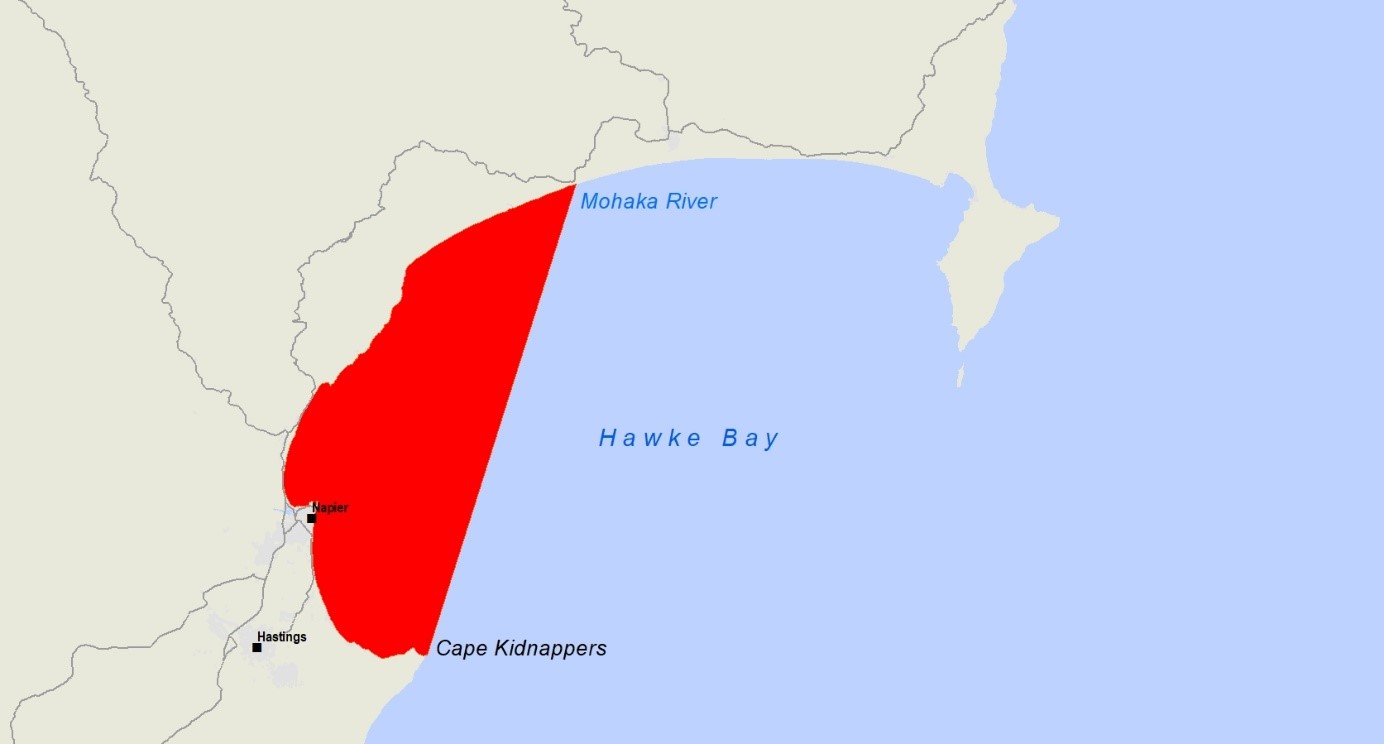
| Reason for alert | Paralytic Shellfish Poisoning (PSP) |
| Date warning issued | 16 June 2021 |
| Affected area | From the Mohaka River mouth, south to Cape Kidnappers. |
| Shellfish affected | Mussels, oysters, tuatua, pipi, toheroa, cockles, scallops, catseyes, kina (sea urchin), and all other bivalve shellfish.
Note, cooking shellfish does NOT remove the toxin. Pāua, crab, and crayfish may still be eaten if the gut has been completely removed prior to cooking, as toxins accumulate in the gut. If the gut is not removed its contents could contaminate the meat during the cooking process. |
| Symptoms | Symptoms typically appear between 10 minutes and 3 hours after ingestion and may include:
|
| Other information | Paralytic shellfish toxins have been detected in shellfish from Pania Reef at levels over the safe limit of 0.8mg/kg set by MPI. Ongoing testing will continue and any changes will be communicated accordingly. |
Posted in Algal Toxin, Biotoxin, food contamination, Food Hazard, Food Hygiene, Food Inspections, Food Micro Blog, Food Microbiology, Food Microbiology Blog, Food Microbiology Testing, Food Poisoning, food recall, Food Safety, Food Safety Alert, Food Testing, Food Toxin, Marine Biotoxin, paralytic shellfish poisoning, PSP, Toxin
Officials in New Zealand are investigating a Salmonella outbreak that has sickened 35 people so far this year.
Salmonella Enteritidis sequence type 11 (ST 11) was first detected in 2019 in an outbreak traced to a restaurant in the Auckland region. Since May 2019, the number of patients associated with this strain is 101 and from 2019 it has been found in four other outbreaks.
The majority of people sick from January to April this year live in the Auckland region, according to the Institute of Environmental Science and Research (ESR).
New Zealand Food Safety found Salmonella Enteritidis at an Auckland poultry farm and there has been a rise in infections caused by this strain of Salmonella despite attempts to prevent contaminated eggs reaching consumers.
Posted in food bourne outbreak, food contamination, Food Hazard, Food Hygiene, Food Inspections, Food Micro Blog, Food Microbiology, Food Microbiology Blog, Food Microbiology Testing, Food Pathogen, Food Safety, Food Safety Alert, Food Testing, foodborne outbreak, foodbourne outbreak, outbreak, Salmonella, Salmonella in Eggs


