Brand : Foods of Scotland srl
Name : Smoked Salmon
Reason for reporting : Recall due to microbiological risk
Publication date : 8 February 2021


Brand : Foods of Scotland srl
Name : Smoked Salmon
Reason for reporting : Recall due to microbiological risk
Publication date : 8 February 2021
Posted in food contamination, Food Hazard, Food Hygiene, Food Inspections, Food Micro Blog, Food Microbiology, Food Microbiology Blog, Food Microbiology Testing, Food Pathogen, food recall, Food Safety, Food Safety Alert, Food Testing, Listeria, Listeria monocytogenes, microbial contamination, Microbiology

Manufacturer (distributor): Le Antiche Bonta ‘di Calabria srl Via della pace 38, S. Cosmo Albanese (CS), Italy Sales: real, – GmbH
Reference is made to the enclosed customer information.
The product was sold regionally in some real markets in Berlin, Brandenburg, Mecklenburg-Western Pomerania, Saxony, Saxony-Anhalt and Thuringia.
| Press releases and information | |
|---|---|
| title | Attachment or web link |
|
Customer information
|
|

The Swedish Public Health Agency, or Folkhälsomyndigheten reports an increase in cases of Yersinia infections since the second week of January, according to a February 3 release.
They say more than twice as many people have contracted Yersinia infection as during the same period in the immediately preceding years.
An increased number of patients has mainly been observed in the regions of Stockholm, Västra Götaland and Halland, which together account for 33 of the total of 48 disease cases reported since 11 January.
Posted in food bourne outbreak, food contamination, Food Hazard, Food Hygiene, Food Illness, Food Inspections, Food Micro Blog, Food Microbiology, Food Microbiology Blog, Food Microbiology Testing, Food Pathogen, food recall, Food Safety, Food Safety Alert, Food Testing, foodborne outbreak, foodbourne outbreak, outbreak, Yersinia, yersinia enterocolitica
Cheeses are traditional products widely consumed throughout the world that have been frequently implicated in foodborne outbreaks. Predictive microbiology models are relevant tools to estimate microbial behavior in these products. The objective of this study was to conduct a review on the available modeling approaches developed in cheeses, and to identify the main microbial targets of concern and the factors affecting microbial behavior in these products. Listeria monocytogenes has been identified as the main hazard evaluated in modelling studies. The pH, aw, lactic acid concentration and temperature have been the main factors contemplated as independent variables in models. Other aspects such as the use of raw or pasteurized milk, starter cultures, and factors inherent to the contaminating pathogen have also been evaluated. In general, depending on the production process, storage conditions, and physicochemical characteristics, microorganisms can grow or die-off in cheeses. The classical two-step modeling has been the most common approach performed to develop predictive models. Other modeling approaches, including microbial interaction, growth boundary, response surface methodology, and neural networks, have also been performed. Validated models have been integrated into user-friendly software tools to be used to obtain estimates of microbial behavior in a quick and easy manner. Future studies should investigate the fate of other target bacterial pathogens, such as spore-forming bacteria, and the dynamic character of the production process of cheeses, among other aspects. The information compiled in this study helps to deepen the knowledge on the predictive microbiology field in the context of cheese production and storage. View Full-Text
Posted in food bourne outbreak, food contamination, Food Hygiene, Food Micro Blog, Food Microbiology, Food Microbiology Blog, Food Microbiology Research, Food Microbiology Testing, Food Pathogen, Food Safety, Food Testing, foodborne outbreak, foodbourne outbreak, Listeria, Listeria monocytogenes, outbreak, Raw Milk, raw milk cheese, Research
Jagityal: At least 40 persons took ill after having dinner at a function in Peddapur of Metpally mandal late on Friday night.
Pilli Chinna Mallaiah threw a small party to celebrate construction of his house. The guest were served mutton curry and makka gudalu (maize). At least 40 of the 60 villagers who participated in the function developed symptoms of food poisoning like diarrhea and vomitings later in the night.
The number of food poisoning cases last year was the lowest ever recorded as the COVID-19 pandemic forced cafeterias to close and increased an emphasis on personal hygiene, data showed Sunday.
According to the Ministry of Food and Drug Safety, the number of reported food poisoning cases reached 178, down 52 percent from five-year average of 343 cases since 2015.
The number of food poisoning patients reached 53 per million, down 40 percent from an average of 133 patients per million from 2015 to 2019. The ministry said both figures for 2020 are the lowest rates ever recorded since data was compiled in 2002.
The ongoing virus pandemic has played a big role in curbing infections, the ministry said, as the number of mass food poisoning outbreaks significantly dropped with closure of mass dining facilities in schools and offices.
Posted in food contamination, food handler, Food Hazard, Food Hygiene, Food Illness, Food Inspections, Food Micro Blog, Food Microbiology, Food Microbiology Blog, Food Microbiology Research, Food Microbiology Testing, Food Pathogen, Food Poisoning, food recall, Food Safety, Food Safety Alert, Food Testing, Food Toxin, foodborne disease, Foodborne Illness, foodborne outbreak, foodbourne outbreak, Research
Food Evolution, a Schiller Park, Ill. establishment, is recalling approximately 6,806 pounds of ready-to-eat (RTE) dip and salads products containing meat that were produced without the benefit of federal inspection, the U.S. Department of Agriculture’s Food Safety and Inspection Service (FSIS) announced today.
The RTE dip and salad items containing meat were produced on various dates from Nov. 9, 2020, through Jan. 29, 2021 and have “USE BY” dates through Feb. 6, 2021. The following products are subject to recall: [View Labels (PDF only)]
The products subject to recall bear establishment number “EST. 34309” inside the USDA mark of inspection. These items were shipped to retail locations in Illinois.
The problem was discovered during routine FSIS verification tasks. FSIS personnel discovered that the establishment produced amenable product at an off-site facility without the benefit of federal inspection, then repackaged and labeled the products with the USDA mark of inspection at the federal establishment.
There have been no confirmed reports of adverse reactions due to consumption of these products. Anyone concerned about a reaction should contact a healthcare provider.
FSIS is concerned that some product may be in consumers’ refrigerators. Consumers who have purchased these products are urged not to consume them. These products should be thrown away or returned to the place of purchase.
FSIS routinely conducts recall effectiveness checks to verify recalling firms notify their customers of the recall and that steps are taken to make certain that the product is no longer available to consumers. When available, the retail distribution list will be posted on the FSIS website at www.fsis.usda.gov/recalls.
Consumers and members of the media with questions about the recall can contact Art Sezgin, President of Food Evolution, at (818) 837-7600.
Consumers with food safety questions can call the toll-free USDA Meat and Poultry Hotline at 1-888-MPHotline (1-888-674-6854) or live chat via Ask USDA from 10 a.m. to 6 p.m. (Eastern Time) Monday through Friday. Consumers can also browse food safety messages at Ask USDA or send a question via email to MPHotline@usda.gov. For consumers that need to report a problem with a meat, poultry, or egg product, the online Electronic Consumer Complaint Monitoring System can be accessed 24 hours a day at https://foodcomplaint.fsis.usda.gov/eCCF/.
Oakshire Brewing is voluntarily recalling the January 16, 2021 release of Theme From the Bottom Mango Raspberry Cheesecake Smoothie Sour Ale because there are visible signs of refermentation in some of the cans, making them bulge and they may burst. The beer does not meet Oakshire’s quality standards so they are issuing the recall.

Presence of Listeria monocytogenes
People who hold this product are asked not to consume it and to return it to the point of sale where it was purchased for reimbursement even without presentation of the receipt.
People who have consumed this product and who have a fever, isolated or accompanied by headaches, are invited to consult their doctor, notifying him of this consumption.
Pregnant women should pay special attention to these symptoms, as well as immunocompromised people and the elderly. These symptoms may suggest listeriosis, a disease that can be serious and can take up to eight weeks to incubate.
▸ Barcode
4052917134848
▸ Lot
001131612
▸ DLC
02/28/2021
▸ Marketing date
from 01/29/2021 to 02/04/2021
▸ LIDL supermarkets concerned
Click here
▸ Consumer service contact
The LIDL consumer service is at your disposal at the following telephone number 0 800 900 343.
▸ Source
https://www.lidl.fr/fr
Posted in food contamination, Food Hygiene, Food Inspections, Food Micro Blog, Food Microbiology, Food Microbiology Blog, Food Microbiology Testing, Food Pathogen, food recall, Food Safety, Food Safety Alert, Food Testing, Listeria, Listeria monocytogenes, microbial contamination, Microbiology, Oulah
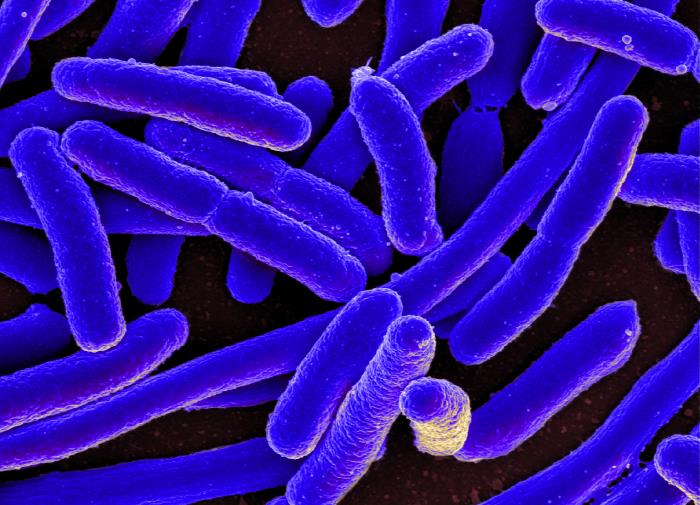
Consumer online posts and content can help identify food safety concerns, and possibly reduce the risk of a foodborne illness, according to new research.
Posted in food bourne outbreak, food contamination, Food Hazard, Food Hygiene, Food Illness, Food Micro Blog, Food Microbiology, Food Microbiology Blog, Food Microbiology Research, Food Pathogen, Food Poisoning, food recall, Food Safety, Food Safety Alert, Food Testing, foodborne disease, Foodborne Illness, foodborne outbreak, foodbourne outbreak, Research


