Category Archives: food safety training

USA – Outbreak Investigation of Listeria monocytogenes: Enoki Mushrooms (November 2022)

FDA

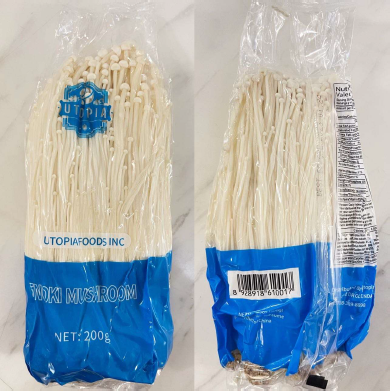
FDA, along with CDC and state and local partners, is investigating an outbreak of Listeria monocytogenes infections linked to enoki mushrooms. FDA has identified enoki mushrooms distributed by Utopia Foods, Inc. of Glendale, New York and imported from China, and enoki mushrooms labeled as “Producer: Shandong Youhe Biotechnology, Co.,” with an address in China and “Distributed By: Sun Hong Foods, Inc.” as likely sources of illnesses in this outbreak. Enoki mushrooms are long thin white mushrooms, usually sold in clusters. They are especially popular in East Asian cuisine and are also known as enokitake, golden needle, futu, seafood, or lily mushrooms.

As of January 18, 2022, CDC reports three illnesses included in this outbreak. Through ongoing import and product sampling of enoki mushrooms, two strains of Listeria monocytogenes detected on enoki mushroom products have been determined through Whole Genome Sequencing (WGS) to be the same strains of Listeria monocytogenes linked to illnesses in this outbreak. Both strains are included in this outbreak investigation.

On January 17, 2023, FDA reported a positive import sample of enoki mushrooms that matched both outbreak strains and resulted in a voluntary recall expansion from Utopia Foods, Inc. Additional sample collection and analysis conducted by the Maryland Department of Health have also identified both outbreak strains of Listeria monocytogenes in two product samples of enoki mushrooms. These products that tested positive are sold in a 7.05-oz (200g) clear plastic package with a brown and green label and include a label on the back of the package that states: “Producer: Shandong Youhe Biotechnology Co.,” with an address in China, and “Distributed By: Sun Hong Foods, Inc.”

On December 17, 2022, FDA issued a safety alert for enoki mushrooms labeled as “Producer: Shandong Youhe Biotechnology, Co.,” with an address in China and “Distributed By: Sun Hong Foods, Inc.,” as a result of a positive product sample collected by Missouri state partners. At that time, these products were not linked to an active outbreak. The strain of Listeria found in these products matches one of the two strains linked to illnesses in this outbreak. FDA’s safety alert has been updated with the most recent information linking these products to an ongoing outbreak investigation.

FDA’s investigation is ongoing to determine a potential source of contamination and whether any other products are contaminated or linked to illnesses. Additional information will be provided as it becomes available.

Recommendation

Consumers, restaurants, and retailers should not eat, sell, or serve recalled enoki mushrooms from Utopia Foods, Inc. and enoki mushrooms labeled as “Producer: Shandong Youhe Biotechnology, Co.,” with an address in China and “Distributed By: Sun Hong Foods, Inc.” Consumers should check the label on both the front and the back of their enoki mushroom package to view distributor information (see photos below).

Listeria is especially harmful if you are pregnant, aged 65 or older, or have a weakened immune system due to certain medical conditions or treatments. If you are in any of these groups, do not eat any raw enoki mushrooms. For enoki mushrooms that are not recalled or potentially contaminated, always cook enoki mushrooms thoroughly to kill any foodborne germs.

Call your healthcare provider right away if you have any of these symptoms after eating enoki mushrooms:

  • People who are not pregnant usually have fever, muscle aches, and tiredness. They may also get a headache, stiff neck, confusion, loss of balance, or seizures.
  • Pregnant people usually have fever, muscle aches, and tiredness. However, Listeria can cause pregnancy loss or premature birth. It can also cause serious illness or death in newborns.

Follow FDA’s safe handling and cleaning advice and use extra vigilance in cleaning and sanitizing any surfaces and containers that may have come in contact with these recalled products to reduce the risk of cross-contamination, including retailers who stored or repackaged recalled enoki mushrooms. Listeria can survive in refrigerated temperatures and can easily spread to other foods and surfaces.

USA – CDC – Game Day Food Safety Tips

CDC

What You Need to Know

  • Wash your hands with soap and running water for at least 20 seconds before, during, and after preparing food and before eating.
  • Separate raw meats from ready-to-eat foods like vegetables when preparing, serving, or storing foods.
  • Make sure food is cooked to a safe internal temperature.
  • Keep hot foods hot (140°F or warmer) and cold foods cold (40°F or colder).
  • Throw out perishable food that has been sitting at room temperature for more than 2 hours (more than 1 hour if it has been exposed to temperatures above 90°F).

Tackling a game day spread? Play by these rules and keep the runs on the field. Make sure your game day favorites are memorable for all the right reasons.

USA -CDC – Food Safety for Buffets and Parties

CDC

What You Need to Know

  • Separate raw meat, chicken and other poultry, seafood, and eggs from ready-to-eat foods.
  • Use a food thermometer to make sure foods are cooked to a temperature hot enough to kill germs.
  • Germs that can make you sick grow quickly when food is in the “Danger Zone,” between 40°F and 140°F.
  • Refrigerate leftovers within 2 hours of cooking. Divide leftovers into smaller portions to cool faster.

Gathering friends and family is fun, but beware of uninvited party guests. Foodborne germs can crash your buffet and make people sick with food poisoning. When cooking, preparing, or serving food for large groups, it’s important to keep food safe. Follow these steps to keep foodborne germs from spoiling your party.

Recall of some batches of various raw chicken products due to the presence of Salmonella Typhimurium

FSAI

Summary
Category 1: For Action
Alert Notification: 2023.02
Product: Please see table link above
Batch Code: Please see link above
Country Of Origin: Ireland

Message:

Western Brand is recalling expired batches of raw chicken products listed in the table below due to the detection of Salmonella Typhimurium. These products were sold as fresh and are past their use-by date, however, the labels state they are suitable for home freezing. Recall notices will be displayed at point-of-sale.

Nature Of Danger:

People infected with Salmonella typically develop symptoms between 12 and 36 hours after infection, but this can range between 6 and 72 hours.  The most common symptom is diarrhoea, which can sometimes be bloody.  Other symptoms may include fever, headache and abdominal cramps.  The illness usually lasts 4 to 7 days. Diarrhoea can occasionally be severe enough to require hospital admission. The elderly, infants, and those with impaired immune systems are more likely to have a severe illness.

Germany – Vegetable specialties with almond milk and cashew nuts – Listeria monocytogenes

LMW

Alert type:

Food

Date of first publication:

01/20/2023

Product name:

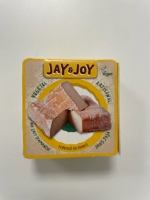
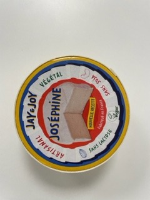
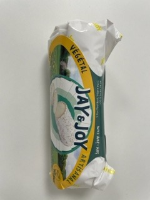
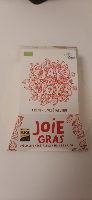
Vegetable specialties with almond milk and cashew nuts: Jil, Joséphine, Jeanne, Jean Jacque, Joie gras, Jeta frais, Joy Prairie, Joy Râpé, Parmi Joy, Joy Montagnard Nature, Joy Montagnard Fumé, Joy Montagnard Poivre, Jil Vrac, Joséphine Vrac, Jeanne Vrac , Jean Jacquevrac, Joy Bloc, Jeta Bloc

Product images:

91f975aa-673a-43a1-814b-532b2c45f068.jpg
b355104e-b34c-4caf-9d56-fa2575e59e9a.jpg
c580b597-6a0f-4a4e-b439-54b40032639b.jpg
da6bacaf-2de0-4144-b4f5-c62818fc2b94.jpg
f02047ee-414a-4b24-bdf4-2a12135dbcff.jpg
Manufacturer (distributor):

JAY&JOY 5 rue Paul Bert 75011, Paris

Reason for warning:

suspected listeria

Durability:

between 14/01/2023 and 30/03/2023

Further information:

Listeria
A listeria disease usually manifests itself within 14 days after infection with diarrhea and fever. Pregnant women, the elderly and people with a weakened immune system in particular can develop more severe illnesses with blood poisoning and meningitis. In pregnant women, even without symptoms, the unborn child can be harmed.
Anyone who has eaten this food and develops severe or persistent symptoms should seek medical attention and report possible Listeria infection.
Pregnant women who have eaten this food should seek medical treatment and advice even if they have no symptoms. For other people without symptoms, this is not useful.

Click to access Productrecall-1.pdf

New Zealand – Pams brand Carrot Batons – E.coli

MPI

Pams brand Carrot Batons (300g)

20 January 2023: Foodstuffs Own Brands Ltd is recalling a specific batch of its Pams brand Carrot Batons due to the possible presence of E.coli.

Product type Carrots
Name of product (size) Pams brand Carrot Batons (300g)
Date marking Use By Date 20/01/23
Package size and description The product is sold in a 300g plastic package.
Distribution The product is sold at Pak’n Save, New World and Four Square stores throughout New Zealand.

The product has not been exported.

Notes This recall does not affect any other Pams brand products.

Point of sale notice for retailers

If you are a retailer of the product in this recall notice, you need to download a copy of the below Point of sale notice and display it in your store for one month.

Point of sale notice – Pams brand Carrot Batons [PDF, 47 KB]

Consumer advice

Customers are asked to check the date mark on the back of the packaging.

Affected product should not be consumed. There have been no reports of associated illness, however if you have consumed any of this product and have any concerns about your health, seek medical advice.

Customers should return the product to their retailer for a full refund.

Who to contact

If you have questions, contact Foodstuffs Own Brands Ltd:

  • Phone: 0800 24 51 14
  • Address: 35 Landing Drive, Mangere, Auckland.

Hong Kong – Food Safety Tips for Chinese New Year

CFS

Choosing and handling Chinese New Year foods and snacks

While purchasing or preparing new year foods, purchase them from reputable retail outlets. Buy sweetened lotus seeds and pistachio with natural colour and avoid those looking extraordinarily white because they may have been bleached with chemicals. Avoid buying melon seeds that are too glossy as they may contain mineral oil, which may cause gastrointestinal discomfort.

You should check the expiry date before buying any prepackaged festive items like puddings, sesame balls and sweets, and make sure the packaging is intact. Note the hygienic condition of the shop and the food containers and the hygiene practices of the staff, when buying unpackaged items like crispy triangles, sweetened dried fruits and melon seeds.

After purchase, pre-cooked foods like puddings should be stored in the refrigerator as soon as possible and be consumed before the “use by” date shown on the package. Fried festive foods such as sesame balls and crispy triangles should be kept in air-tight containers and stored in the refrigerator or in a cool, dry place.

Melon seeds and nuts are often served during the Chines Year. However, these foods contain hard hulls. Cracking melon seeds and nuts with your own teeth can result in tooth damage. Use a seed or nut cracker instead. Nut are also often used in making Chinese New Year foods. Should you be allergic to nuts or have other food allergy , read food allergen information on food labels to identify if any food or food ingredients of your allergic concern are present in the food. Avoid the food or food ingredients which you are allergic to.

Keep poon choi at safe temperatures

Chinese New Year is a great time of year to have ‘winter warmers’ such as poon choi when we host large gatherings. These dishes are often prepared through bulk cooking ahead of time, due to the large number of portions required. Poon choi contains various food ingredients and requires complicated and long preparation procedures such as cutting, marinating, precooking and cooling and finally re-heating. If the food is left at room temperature for too long after precooking, foodborne pathogens can multiply and some can even produce heat-stable toxins which are not readily eliminable by reheating.

Therefore, it is important to store food properly by storing precooked ingredients at 4°C or below to prevent the formation of toxins, cool down the precooked ingredients by dividing into small portions, placing in shallow containers or placing in ice bath. Reheating foods thoroughly to the core temperature of at least 75°C or above. Keep hot food above 60°C if it is not consumed immediately. Do not leave reheated food at room temperature for long, and discard it if held at room temperature for more than four hours. Of note, heat from the heat source may not be evenly distributed in a large poon choi during reheating, therefore requiring more time to bring poon choi to a boil before eating.

Safe handling of leftovers

Large holiday meals could leave you with leftovers, such as rice cake and puddings, to dig in for days. For the sake of food safety, all perishables should be refrigerated within two hours of being cooked or cooled, and discard items that have been left out for longer than four hours. To minimise spoilage, leftovers should be kept in clean and airtight containers, and refrigerated within two hours of finishing preparation. All leftovers should be reheated thoroughly with the core temperature of food reaching at least 75°C, and they should only be reheated once. Take note of the expiry dates of the food items before consumption. Food beyond its “use by” date should be discarded while be wary of the quality of food beyond the “best before” date.

Stop eating and discard puddings or other food that are found mouldy or with an abnormal taste. Abnormal taste indicates that the puddings have perished due to improper or prolonged storage. Remember, a “sniff test” is not an appropriate method for testing if food is safe to eat, as food can look and smell fine even after the “use by” date has passed. Any leftovers that have been kept in the refrigerator for more than three days should be disposed.

USA – Outbreak Investigation of Listeria monocytogenes: Enoki Mushrooms (November 2022)

FDA

FDA, along with CDC and state and local partners, is investigating an outbreak of Listeria monocytogenes infections linked to enoki mushrooms. FDA has identified imported enoki mushrooms distributed by Utopia Foods, Inc. of Glendale, New York as a likely source of illnesses in this outbreak. Enoki mushrooms are long thin white mushrooms, usually sold in clusters. They are especially popular in East Asian cuisine and are also known as enokitake, golden needle, futu, seafood, or lily mushrooms.

As of November 17, 2022, CDC reports two illnesses included in this outbreak. Based on epidemiological information provided by CDC, both patients report consuming enoki mushrooms or eating at restaurants with menu items containing enoki mushrooms prior to becoming ill.

Through ongoing sampling efforts, FDA and state partners have been collecting and testing samples of enoki mushrooms. An import sample of enoki mushrooms branded as Utopia Foods, Inc. was collected by FDA and was reported as being positive for Listeria monocytogenes. Whole Genome Sequencing (WGS) analysis determined that the strain of Listeria found in this sample matches the strain of Listeria linked to illnesses in this outbreak.

As a result of this testing, Utopia Foods, Inc. voluntarily expanded their original recall (first issued on December 13, 2022) to include their 200g packages of “Enoki Mushrooms”, imported from China, with clear and blue plastic packages with clear markings of “Best before 03/02/2023” or “Best before 03.09.23”. These products were distributed between January 6, 2023, and January 13, 2023, in NY, NJ, and CT to wholesale companies for further distribution.

On December 13, 2022, as a result of earlier testing that determined enoki mushroom product was contaminated with Listeria monocytogenes, Utopia Foods Inc. issued a voluntary recall of 200g packages of “Enoki Mushrooms”, imported from China and shipped nationwide. The Listeria detected in their product at that time has not been linked to this outbreak or any reported illnesses.

FDA’s investigation is ongoing to determine a potential source of contamination and whether any other products are contaminated or linked to illnesses. Additional information will be provided as it becomes available.

Recommendation

Consumers, restaurants, and retailers should not eat, sell, or serve recalled enoki mushrooms from Utopia Foods, Inc. and should return them to the place of purchase for a refund or throw them away.

Listeria is especially harmful if you are pregnant, aged 65 or older, or have a weakened immune system due to certain medical conditions or treatments. If you are in any of these groups, do not eat raw enoki mushrooms. Cook enoki mushrooms thoroughly to kill any foodborne germs. Other people can be infected with Listeria, but they rarely become seriously ill.

Call your healthcare provider right away if you have any of these symptoms after eating enoki mushrooms:

  • People who are not pregnant usually have fever, muscle aches, and tiredness. They may also get a headache, stiff neck, confusion, loss of balance, or seizures.
  • Pregnant people usually have fever, muscle aches, and tiredness. However, Listeria can cause pregnancy loss or premature birth. It can also cause serious illness or death in newborns.

Follow FDA’s safe handling and cleaning advice and use extra vigilance in cleaning and sanitizing any surfaces and containers that may have come in contact with these recalled products to reduce the risk of cross-contamination, including retailers who stored or repackaged recalled enoki mushrooms. Listeria can survive in refrigerated temperatures and can easily spread to other foods and surfaces.

Recalled Product

Enoki Mushrooms - Listeria monocytogenes

Utopia Foods Inc of Glendale, NY, is recalling its 200g packages of “Enoki Mushrooms”, imported from China. The recalled products were distributed nationwide in produce wholesale companies. The product comes in clear and blue plastic package with brand name “Utopia” and barcode # 8928918610017 marked on the packaging. The initial recall includes all products within expiration and the expanded recall includes products with clear markings of “Best before 03/02/2023” or “Best before 03.09.23”. Products included in the expanded recall were distributed between January 6, 2023, and January 13, 2023.


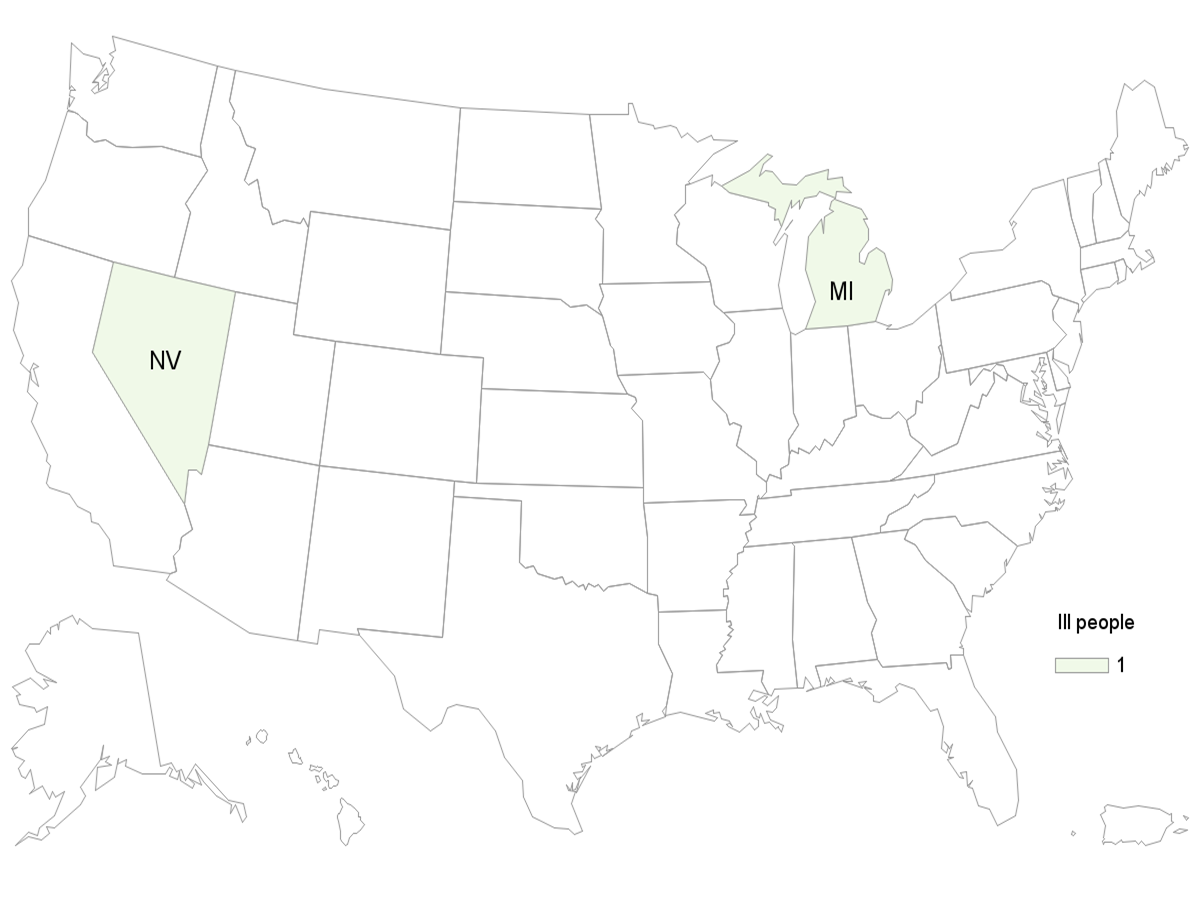
Case Count Map Provided by CDC

CDC Case Count Map - Enoki Mushrooms - Listeria monocytogenes

Case Counts

Total Illnesses: 2
Hospitalizations: 2
Deaths: 0
Last illness onset: October 8, 2022
States with Cases: MI, NV
Product Distribution: Nationwide

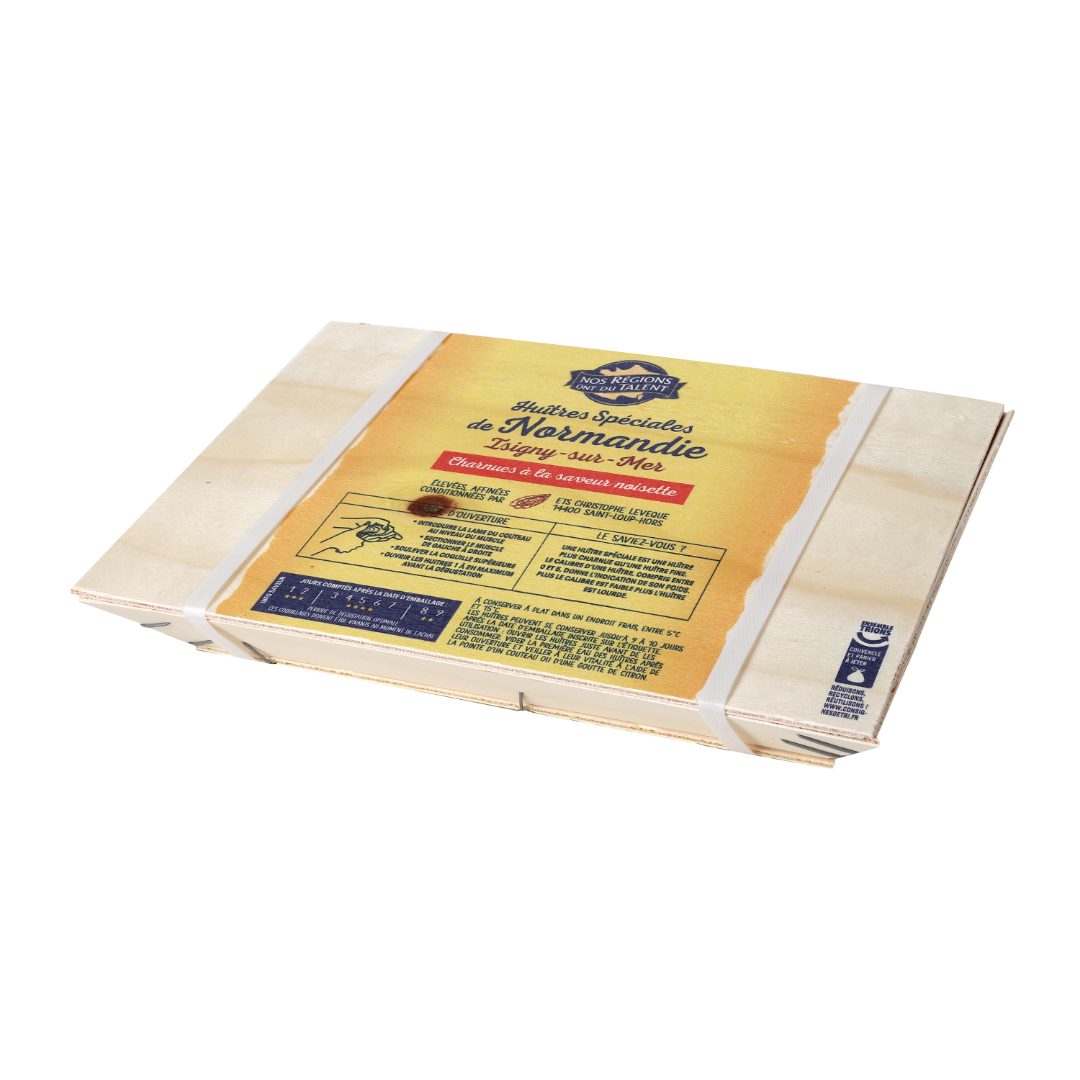
France – NORMANDY HOLLOW OYSTERS – Norovirus

Gov france

Identification information of the recalled product

  • Product category Feed
  • Product subcategory Fishery and aquaculture products
  • Product brand name OUR REGIONS HAVE TALENT
  • Model names or references HOLLOW OYSTERS FROM NORMANDY IN 2KG, 2.5KG AND 1KG
  • Identification of products
    GTIN Batch
    3564709185286 301222N; 010122N; 020123N; 

    060123N; 070123N; 080123N; 090123N and 301222N

    3564709192253 301222N; 010122N; 020123N; 

    060123N; 070123N; 080123N; 090123N and 301222N

    3564709185255 301222N; 010122N; 020123N; 

    060123N; 070123N; 080123N; 090123N and 301222N

  • Packaging Wooden keepnets 2KG, 2.5KG and 1KG
  • Marketing start/end date From 03/01/2023 to 16/01/2023
  • Storage temperature Product to be stored in the refrigerator
  • Health mark EN 14.609.001 EC
  • Geographic area of ​​sale Whole France
  • Distributors E.Leclerc

Practical information regarding the recall

  • Reason for recall Zone closure by prefectural decree for the presence of Norovirus
  • Risks incurred by the consumer Norovirus

Research – USA – Food Safety and Inspection Service (FSIS) 2023–2026 Strategic Plan

FSIS USDA

The Food Safety and Inspection Service (FSIS) is the public health regulatory agency of the U.S. Department of Agriculture (USDA) responsible for ensuring that domestic and imported meat, poultry, and egg products are safe, wholesome, and accurately labeled. Consistent with its role, FSIS’ mission is to protect public health by preventing illness from meat, poultry, and egg products. That mission guides FSIS’ actions—from implementing and enforcing the Acts from which it gets its regulatory authority (Box 1), to incorporating data and science into Agency decision making, and to continuously improving its operations to ensure it functions in the most efficient and effective manner. It is through that mission and the actions guided by it that FSIS works toward its vision that everyone’s food is safe