Brand : AZIENDA AGRICOLA VANZELLI GINO
Name : PACK OF EGGS OF 6
Reason for reporting : Recall due to microbiological risk
Publication date : 23 June 2024


Brand : AZIENDA AGRICOLA VANZELLI GINO
Name : PACK OF EGGS OF 6
Reason for reporting : Recall due to microbiological risk
Publication date : 23 June 2024
Posted in bacterial contamination, cross contamination, food contamination, Food Hazard, Food Hygiene, Food Inspections, Food Micro Blog, Food Microbiology, Food Microbiology Blog, Food Microbiology Testing, Food Pathogen, Food Quality, food recall, Food Safety, Food Safety Alert, Food Safety Management, Food Safety Regulations, microbial contamination
Brand : AZIENDA AGRICOLA VANZELLI GINO
Name : PACK OF EGGS OF 30
Reason for reporting : Recall due to microbiological risk
Publication date : 23 June 2024Documentation
Documentation
Recall model AZIENDA AGRICOLA VANZELLI GINO – PACK OF EGGS OF 30
Posted in bacterial contamination, food contamination, food handler, Food Hazard, Food Hygiene, Food Inspections, Food Micro Blog, Food Microbiology, Food Microbiology Blog, Food Microbiology Testing, Food Pathogen, Food Quality, food recall, Food Safety, Food Safety Alert, Food Safety Management, Food Safety Regulations, Food Testing, microbial contamination
Product category
Food
Product subcategory
Fruits and vegetables
Product brand name
u
Model names or references
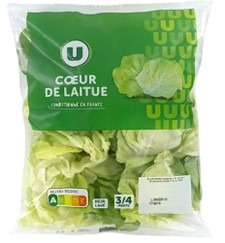
HEART OF LETTUCE U 200G
Product identification
GTIN Batch Date
3256223800072 08V2234 Use-by date 06/14/2024
Start/end date of marketing
From 06/05/2024 to 06/13/2024
Storage temperature
Product to keep in the refrigerator
Health mark
71270L
Geographical sales area
SOUTH and EAST zone
Distributors
COOPERATIVE U
Posted in food contamination, food handler, Food Hazard, Food Inspections, Food Micro Blog, Food Microbiology, Food Microbiology Blog, Food Microbiology Testing, Food Pathogen, Food Quality, food recall, Food Safety, Food Safety Alert, Food Safety Management, Food Safety Regulations, Food Testing, Listeria, Listeria monocytogenes
Product category
Food
Product subcategory
Fishing and aquaculture products
Product brand name
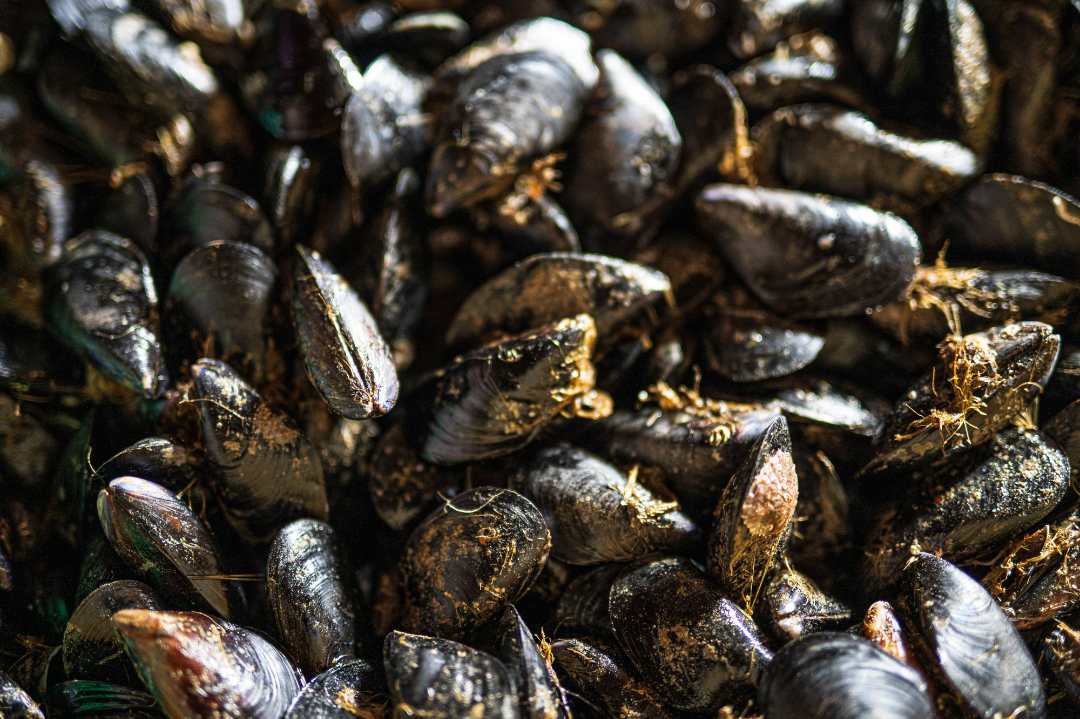
Thau pond mussels / Various producers
Model names or references
Mussels from breeding or having been immersed in the Thau pond
Product identification
Batch
All lots
Start/end date of marketing
Until 06/17/2024
Storage temperature
Product to be stored at room temperature
Geographical sales area
Whole France
Distributors
Multidistributors.
Posted in Diarrhoeic Shellfish Poisoning, DSP, food contamination, food handler, Food Hazard, Food Hygiene, Food Inspections, Food Micro Blog, Food Microbiology, Food Microbiology Blog, Food Microbiology Testing, Food Poisoning, Food Quality, food recall, Food Safety, Food Safety Alert, Food Safety Management, Food Safety Regulations, Food Testing, Food Toxin, Marine Biotoxin, shellfish toxin, Toxin
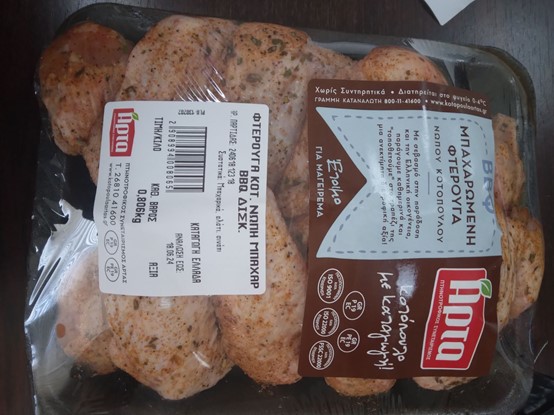
E.F.E.T. and in particular the Regional Directorate of Epirus, during inspections in the framework of the 2024 “Official Control of Microbiological Food Safety Criteria” Program, sampled a fresh preparation from poultry meat intended to be consumed cooked, with the trade name “SPICED FRESH CHICKEN WING ARTA” ” with Lot number 240618.12318 and expiration date 18/06/2024, which is produced and packaged in Greece by the company AGROTIKOS PTINOTROFIKOS SYNETARISMOS ARTAS. After the examination of the sample by the Veterinary Laboratory of Ioannina, the PRESENCE of the pathogenic microorganism Salmonella spp. in the above sample.
E.F.E.T. demanded the immediate recall of the entire specific batch of the product in question and the relevant controls are already underway.
Consumers who have purchased the above product are requested not to consume it.
Posted in EFET, food contamination, food handler, Food Hazard, Food Hygiene, Food Inspections, Food Micro Blog, Food Microbiology, Food Microbiology Blog, Food Microbiology Testing, Food Pathogen, Food Quality, food recall, Food Safety, Food Safety Alert, Food Safety Management, Food Safety Regulations, Food Testing, Salmonella, Salmonella in Chicken
Bacillus cereus in Mascarpone from Italy in France
Posted in Bacillus, Bacillus cereus, food contamination, food handler, Food Hazard, Food Hygiene, Food Inspections, Food Micro Blog, Food Microbiology, Food Microbiology Blog, Food Microbiology Testing, Food Pathogen, Food Poisoning, Food Quality, food recall, Food Safety, Food Safety Alert, Food Safety Management, Food Safety Regulations, Food Testing, Food Toxin, RASFF
Ochratoxin A above the allowed maximum level in breakfast cereals from United Kingdom in Ireland and Spain
Posted in food contamination, food handler, Food Hazard, Food Hygiene, Food Inspections, Food Micro Blog, Food Microbiology, Food Microbiology Testing, Food Poisoning, Food Quality, food recall, Food Safety, Food Safety Alert, Food Safety Management, Food Safety Regulations, Mold Toxin, Mould Toxin, Mycotoxin, Ochratoxin, Ochratoxin A
Product category
Food
Product subcategory
Fruits and vegetables
Product brand name
OUR GARDEN
Model names or references
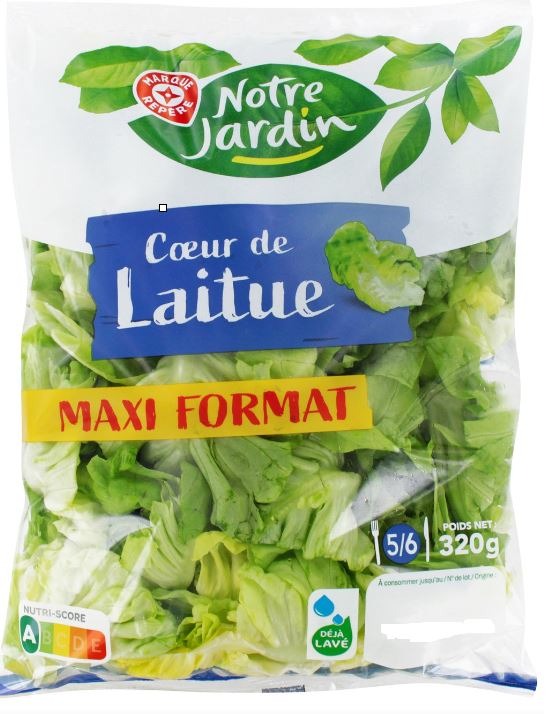
HEART OF LETTUCE – 320 G – OUR GARDEN
Product identification
GTIN Batch Date
3564700179383 07V2234 followed by the conditioning time Use-by date 06/14/2024
Packaging
Bag 320 G
Start/end date of marketing
From 06/04/2024 to 06/14/2024
Storage temperature
Product to keep in the refrigerator
Health mark
EMB 71270L
Further information
Only products bearing the additional code 09 following the barcode are affected by the recall.
Geographical sales area
Whole France
Distributors
E. LECLERC
Posted in food contamination, food handler, Food Hazard, Food Hygiene, Food Inspections, Food Micro Blog, Food Microbiology, Food Microbiology Blog, Food Microbiology Testing, Food Pathogen, Food Quality, food recall, Food Safety, Food Safety Alert, Food Safety Management, Food Safety Regulations, Food Testing, Listeria, Listeria France, Listeria monocytogenes
Smoked trout fillet n/g MAP BIO – presence of Listeria monocytogenes in 25g from Poland in Germany
Listeria monocytogenes in raw milk butter manufactured in Belgium and France
Listeria detected in “gorgonzola mascarpone” product from Italy in France
Posted in food contamination, food handler, Food Hazard, Food Hygiene, Food Inspections, Food Micro Blog, Food Microbiology, Food Microbiology Blog, Food Microbiology Testing, Food Pathogen, Food Quality, food recall, Food Safety, Food Safety Alert, Food Safety Management, Food Safety Regulations, Food Testing, Listeria, Listeria France, Listeria in Cheese, Listeria monocytogenes, Listeria Smoked Fish, RASFF, Raw Milk, Raw Milk Butter


