Archives
-
Join 347 other subscribers
KSWFoodWorld
Blog Stats
- 487,060 Views

Posted in bacterial contamination, Contaminated water, cross contamination, Decontamination Microbial, E.coli, food contamination, Food Micro Blog, Food Microbiology, Food Microbiology Blog, Food Microbiology Research, Food Microbiology Testing, microbial contamination, Microbiological Risk Assessment, Microbiology, Microbiology Investigations, Microbiology Risk, Research, Salmonella, STEC, STEC E.coli, Water, water microbiology, Water Safety
Foodborne diseases have always been a threat to human health. They are considered an emergent public health concern throughout the world. Many outbreaks have been found to be associated with biofilms. It is well documented that biofilms have become a problem in food industries as it renders its inhabitants resistant to antimicrobial agents and cleaning. In this review, biofilms formation in dairy, fish processing, poultry, meat, and Ready-To-Eat foods industries are discussed, as well as the biofilms forming abilities of various microorganisms and the influence of food contact surface materials on biofilm formation. In addition, the conventional and emergent control strategies used to gain more proximity to efficiently maintain good hygiene throughout food industries is discussed.
An ongoing study funded by the Center for Produce Safety (CPS) is examining the survival of Salmonella and Listeria monocytogenes on surfaces in dry food packaging facilities, as well as the efficacy of dry cleaning processes on pathogen reduction. The study, led by Clemson University researchers Paul Dawson, Ph.D., and Kay Cooksey, Ph.D., aims to improve produce safety by identifying and investigating critical areas for microbial risk that exist in packinghouse environments after the washing, waxing, and drying steps.
Dr. Dawson chose to focus on Salmonella and L. monocytogenes due to their prevalence in produce packaging facilities, as well as their differing physiological characteristics. For instance, packaging facilities issued recalls for stone fruits contaminated with L. monocytogenes and peaches contaminated with Salmonella in 2016 and 2020, respectively. Additionally, while Salmonella is resistant to drying and can persist on surfaces with low water activity, L. monocytogenes survives and grows under cool, damp conditions. Salmonella can still survive in lower temperatures, but its growth is inhibited.

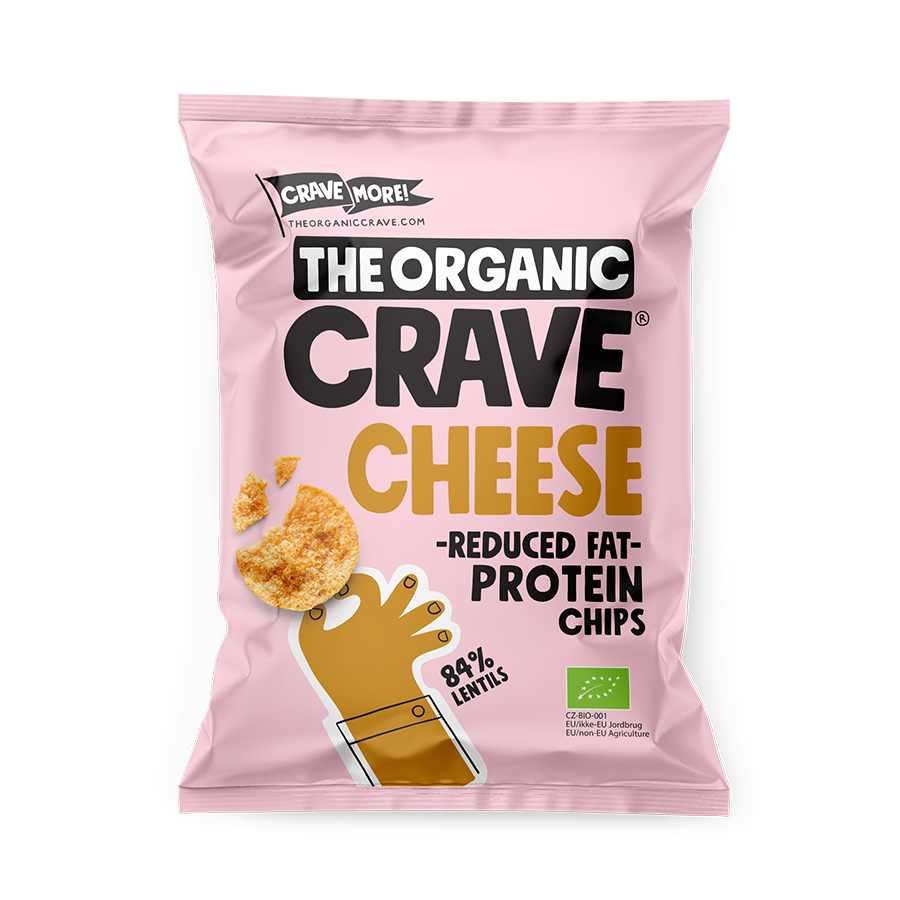
The Organic Crave Company warns against Crave Chips variant Cheese from The Organic Crave Company. The product may be contaminated with salmonella. Do not eat the product.
See the website of the Bickery Food Group

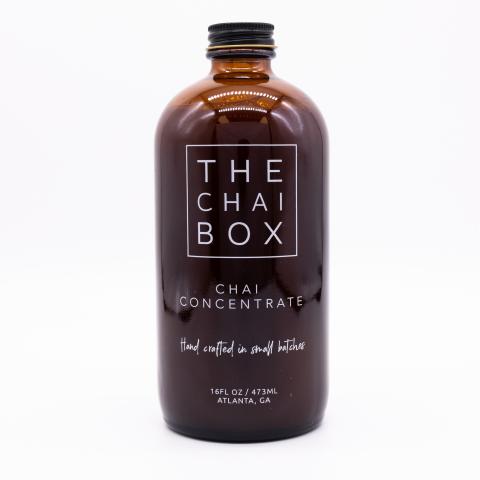
Marietta, GA, September 29, 2022 – The Chai Box announced a recall of 16 oz glass bottles Chai Concentrate Mix, UPC 7 93611 81925 2 and 64 oz plastic bottles of Chai Concentrate Mix UPC 7 93611 81926 9 and 16 oz glass bottles Unsweetened Chai Concentrate Mix, UPC 793611819252 and 64 oz plastic bottles of Unsweetened Chai Concentrate Mix UPC 793611819269 due to potential under-processing which may lead to Clostridium botulinum contamination. These deviations were part of the commercial sterilization process and could result in contamination by spoilage organisms or pathogens, which could lead to life-threatening illness if consumed. No other production codes or products are affected by this recall.
It is important to note that there have been no reports of illness associated with this product to date.
The products subject to recall are 16 oz glass bottles and 64 oz plastic bottles with Best By dates between 09/22/2022 and 03/16/2023. Please see that attached photos for ease of identification of the products.
We were notified of the problem during a process review by the Georgia Department of Agriculture. The products were shipped nationwide to consumers, retailers and wholesalers. Some product was also shipped to two consumers in Canada. Product is available online and via retail and wholesale facilities.
The Best By date is either etched on the bottles or on a sticker is located on the bottom or side of the bottles. If consumers have any product with the indicated “Best By” dates, they should return it to the place of purchase for a full refund or exchange. Consumers with questions may contact the company by calling 844-242-4269, Monday-Friday, 9:00 am – 5:00 pm Eastern Time or by emailing at recall@thechaibox.com.
Posted in Clostridium, Clostridium botulinum, FDA, food contamination, food handler, Food Hazard, Food Hygiene, Food Inspections, Food Micro Blog, Food Microbiology, Food Microbiology Blog, Food Microbiology Testing, Food Pathogen, Food Poisoning, food recall, Food Safety, Food Safety Alert, Food Safety Management, Food Testing, Food Toxin
Salmonella enterica ser. Enteritidis detected in chilled boneless skinless chicken breast from Poland in Romania
Salmonella spp in frozen chicken burgers from Greece in Bulgaria and the Czech Republic
Salmonella spp. in sesame paste from Turkey in Austria, France, Germany, Slovenia
SALMONELLA IN SESAME SEEDS FROM TURKEY in Greece
Salmonella enteritidis in Chicken breast from the Netherlands in the UK and Northern Ireland
Salmonella (presence /25g) in frozen salted chicken from Thailand in the Netherlands
Posted in food contamination, food handler, Food Hazard, Food Hygiene, Food Inspections, Food Micro Blog, Food Microbiology, Food Microbiology Blog, Food Microbiology Testing, Food Pathogen, food recall, Food Safety, Food Safety Alert, Food Safety Management, Food Testing, Polish Chicken Salmonella, RASFF, Salmonella, Salmonella in Chicken, Salmonella Sesame Seeds
Bacillus cereus (with diarrhoeic toxin-producing capacity) in fresh spinach from Italy in Germany
Posted in Bacillus, Bacillus cereus, food contamination, food handler, Food Hazard, Food Hygiene, Food Inspections, Food Micro Blog, Food Microbiology, Food Microbiology Blog, Food Microbiology Testing, Food Pathogen, Food Poisoning, food recall, Food Safety, Food Safety Alert, Food Safety Management, Food Testing, Food Toxin, RASFF
Detection of histamine on tuna cans from Spain in France
Detection of histamine in a batch of sardines from the UK in France
Posted in food contamination, food handler, Food Hazard, Food Hygiene, Food Inspections, Food Micro Blog, Food Microbiology, Food Microbiology Blog, Food Microbiology Testing, Food Poisoning, food recall, Food Safety, Food Safety Alert, Food Safety Management, Food Testing, Food Toxin, Histamine, RASFF
Petit Pont l’evêque – E. coli from France in Belgium and Luxembourg
E. coli in bouchot mussels from France in China, Hong Kong and Macau
Raclette cheese Listeria monocytogenes from France in Italy
Listeria monocytogenes in chilled pastrami from Belgium in the Netherlands
Listeria monocytogenes in a batch of Yoghurt from Ireland in Northern Ireland
Posted in food contamination, food handler, Food Hazard, Food Hygiene, Food Inspections, Food Micro Blog, Food Microbiology, Food Microbiology Blog, Food Microbiology Testing, Food Pathogen, food recall, Food Safety, Food Safety Alert, Food Safety Management, Food Testing, Listeria, Listeria monocytogenes, RASFF