Archives
-
Join 346 other subscribers
KSWFoodWorld
Blog Stats
- 445,509 Views
Category Archives: Food Microbiology Research
Research – Enhancement of the Antibiofilm Activity of Nisin against Listeria monocytogenes Using Food Plant Extracts
Listeria monocytogenes is a foodborne pathogen exhibiting a high mortality rate. In addition to the robust tolerance to environmental stress, the ability of L. monocytogenes to develop biofilms increases the risk of contaminating food processing facilities and ultimately foods. This study aims to develop a synergistic approach to better control Listeria biofilms using nisin, the only bacteriocin approved as a food preservative, in combination with gallic-acid-rich food plant extracts. Biofilm assays in the presence of nisin and gallic acid or its derivatives revealed that gallic acid significantly decreased the level of biofilm formation in L. monocytogenes, whereas ethyl gallate, propyl gallate, and lauryl gallate enhanced biofilm production. As gallic acid is widely distributed in plants, we examined whether extracts from gallic-acid-rich food plants, such as clove, chestnut, oregano, and sage, may generate similar antibiofilm effects. Remarkably, sage extracts enhanced the antibiofilm activity of nisin against L. monocytogenes; however, the other tested extracts increased biofilm formation, particularly at high concentrations. Moreover, sage extracts and nisin combinations significantly reduced the biofilm formation of L. monocytogenes on stainless steel. Sage is a common food spice and has various beneficial health effects, including antioxidation and anti-cancer properties. The findings in this study demonstrate that sage extracts can be potentially combined with nisin to prevent biofilm production in L. monocytogenes.
Posted in Biofilm, Decontamination Microbial, Food Micro Blog, Food Microbiology, Food Microbiology Blog, Food Microbiology Research, Food Microbiology Testing, Listeria, Listeria monocytogenes, microbial contamination, Microbial growth, Microbiological Risk Assessment, Microbiology, Microbiology Investigations, Microbiology Risk, Nisin
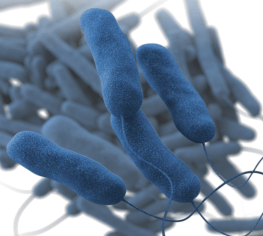
Research – Exploring the Link Between Legionnaires’ Disease and Pneumonia

Most of us have heard of Legionnaires’ disease and we are all likely to be aware of pneumonia too, but did you know there is a link between the two?
There are many illnesses and conditions that can affect the lungs. Legionnaires’ disease presents as a serious type of pneumonia. This is an inflammation of the lungs. Below, we’ll go into more detail about the link between Legionnaires’ disease and pneumonia. Both can be fatal, particularly among those who are more susceptible to this type of infection than others.
A version of this story exploring the link between Legionnaires’ disease and pneumonia appeared in Legionella Control International’s newsletter. To get it in your inbox, sign up for free at the link above
Posted in Contaminated water, Food Micro Blog, Food Microbiology Blog, Food Microbiology Research, Legionella, Legionnaires’ disease, microbial contamination, Microbial growth, Microbiological Risk Assessment, Microbiology, Microbiology Investigations, Microbiology Risk, Uncategorized, Water, water microbiology, Water Safety
USA – FDA wants infant formula manufacturers to step up work to prevent contamination
Top FDA officials are calling on manufacturers of infant formula to clean up their act.
In a letter this week Robert M. Califf, FDA Commissioner, and Susan T. Mayne, Director of the Center for Food Safety and Applied Nutrition, addressed concerns about infant formula along the food chain, speaking to manufacturers, packers, distributors, exporters, importers and retailers.
“FDA is sharing this information with you with the expectation that you will act to mitigate potential food safety risks in powdered infant formula in accordance with FDA regulations while further striving to improve operations, especially given the critical nature of these products,” a letter from the FDA leaders states.
“. . . The FDA has reviewed conditions during recent inspections of powdered infant formula manufacturers, including routine surveillance inspections, for-cause inspections to follow up on consumer complaints and other interactions with manufacturers.”
Posted in Cronobacter sakazakii, FDA, food bourne outbreak, Food Micro Blog, Food Microbiology, Food Microbiology Blog, Food Microbiology Research, Food Microbiology Testing, Food Safety Management, Food Safety Regulations, food safety training, foodborne outbreak, foodbourne outbreak, microbial contamination, Microbial growth, Microbiological Risk Assessment, Microbiology, Microbiology Investigations, Microbiology Risk, outbreak
Research – In-Package Atmospheric Cold Plasma Treatment and Storage Effects on Membrane Integrity, Oxidative Stress, and Esterase Activity of Listeria monocytogenes
Abstract
Atmospheric cold plasma (ACP) treatment can reduce bacterial pathogens in foods. Additional reduction in bacterial cells during storage after ACP treatment was previously reported. The underlying mechanisms of bacterial inactivation during ACP treatment and post-treatment storage need to be understood. This study investigated the changes in the morpho-physiological status of Listeria monocytogenes on ham surfaces after post-ACP-treatment storage of 1 h, 24 h, and 7 days at 4 °C. The membrane integrity, intracellular oxidative stress, and esterase activity of L. monocytogenes were evaluated by flow cytometry. L. monocytogenes cells were under high oxidative stress conditions with slightly permeabilized membranes after 1 h of post-ACP-treatment storage according to the flow cytometry data. During the extended storage of 24 h, the percentage of cells with a slightly permeabilized membrane increased; subsequently, the percentage of cells with intact membranes decreased. The percentage of L. monocytogenes cells with intact membranes decreased to <5% with a treatment time of 10 min and after 7 days of post-treatment storage. In addition, the percentage of L. monocytogenes cells under oxidation stress decreased to <1%, whereas the percentage of cells with completely permeabilized membranes increased to more than 90% for samples treated with ACP for 10 min and 7 days of post-treatment storage. With increased ACP treatment time, for 1 h stored samples, the percentage of cells with active esterase and slightly permeabilized membranes increased. However, during the extended post-treatment storage of 7 days, the percentage of cells with active esterase and slightly permeabilized membranes decreased to below 1%. At the same time, the percentage of cells with permeabilized membrane increased to more than 92% with an increase in ACP treatment time of 10 min. In conclusion, the higher inactivation after 24 h and 7 days post-ACP-treatment storage compared to 1 h stored samples correlated with the loss of esterase activity and membrane integrity of L. monocytogenes cells.
Posted in Cold Atmospheric Plasma, Cold Plasma, Decontamination Microbial, Food Micro Blog, Food Microbiology, Food Microbiology Blog, Food Microbiology Research, Food Microbiology Testing, Listeria, Listeria monocytogenes, microbial contamination, Microbial growth, Microbiological Risk Assessment, Microbiology, Microbiology Investigations, Microbiology Risk
Research – Catalan Food Safety Agency – Quality criteria for drinking water used in the food industry
On January 12, 2023 , Royal Decree 3/2023 came into force, establishing the technical-sanitary criteria for the quality of drinking water , its control and supply .
This new Royal Decree represents a new, broad and complex regulatory framework to protect human health from any contamination of drinking water. Establishes the technical-sanitary criteria and the quality control of drinking water throughout the supply chain, from catchment water bodies to the user’s tap, with the aim of guaranteeing that drinking water is healthy and clean.
It also specifically establishes the quality criteria for drinking water used in the food industry (CHAPTER VI Water quality in the food company) :
- It establishes the quality criteria, as well as the parameters and parametric values of the water used for the manufacture, preparation or treatment of food, as well as for washing materials intended for contact with food.
- The food company will be responsible for the quality of the water from the point of delivery to the connection or in the case of supply in tanks or mobile tanks, of all the phases that it carries out and that, as such, are described in the self-control systems based on in the principles of Hazard Analysis and Critical Control Points (HACCP).
- The operator of the food company must ensure the quality of the drinking water used, through a sampling plan, different types of analysis and controls, which will be included in their self-control systems based on the HACCP principles.
This regulation partially transposes Directive (EU) 2020/2184 in Spain , relating to the quality of water intended for human consumption and repeals Royal Decree 140/2003, which establishes the sanitary criteria for the quality of drinking water .
Posted in Decontamination Microbial, Food Micro Blog, Food Microbiology, Food Microbiology Blog, Food Microbiology Research, Food Microbiology Testing, microbial contamination, Microbial growth, Microbiological Risk Assessment, Microbiology, Microbiology Investigations, Microbiology Risk, Water, water microbiology, Water Safety
Research – Using TRIS-Buffered Plasma-Activated Water to Reduce Pathogenic Microorganisms on Poultry Carcasses with Evaluation of Physicochemical and Sensory Parameters
Abstract
Foodborne diseases are mainly caused by the contamination of meat or meat products with pathogenic microorganisms. In this study, we first investigated the in vitro application of TRIS-buffered plasma-activated water (Tb-PAW) on Campylobacter (C.) jejuni and Escherichia (E.) coli, with a reduction of approx. 4.20 ± 0.68 and 5.12 ± 0.46 log10 CFU/mL. Furthermore, chicken and duck thighs (inoculated with C. jejuni or E. coli) and breasts (with natural microflora) with skin were sprayed with Tb-PAW. Samples were packed under a modified atmosphere and stored at 4 °C for 0, 7, and 14 days. The Tb-PAW could reduce C. jejuni on days 7 and 14 (chicken) and E. coli on day 14 (duck) significantly. In chicken, there were no significant differences in sensory, pH-value, color, and antioxidant activity, but %OxyMb levels decreased, whereas %MetMb and %DeoMb increased. In duck, we observed slight differences in pH-value, color, and myoglobin redox forms for the Tb-PAW, which were not perceived by the sensory test persons. With only slight differences in product quality, its application as a spray treatment may be a useful method to reduce C. jejuni and E. coli on chicken and duck carcasses.
Posted in Antimicrobials, Campylobacter, Decontamination Microbial, E.coli, Food Micro Blog, Food Microbiology, Food Microbiology Blog, Food Microbiology Research, Food Microbiology Testing, microbial contamination, Microbial growth, Microbiological Risk Assessment, Microbiology, Microbiology Investigations, Microbiology Risk
Research – Pathogen Reduction Monitoring Program for Salmonella and Campylobacter for raw poultry
There is a significant burden of illness in Canada from foodborne salmonellosis and campylobacteriosis. Both epidemiological evidence end expert opinion recognize poultry and poultry derived products as an important source of these illnesses.
Salmonella and Campylobacter are known to occur naturally in live poultry and contamination may occur at any stage of the farm-to fork production. Accordingly, food businesses that slaughter poultry or process poultry products need to consider Salmonella and Campylobacter as hazards of concern to their products and implement control measures throughout their production process to mitigate risks. Food businesses can verify the efficacy of their control measures, such as sanitary dressing procedures and antimicrobial interventions by implementing the PRMP.
Posted in Campylobacter, campylobacter coli, Campylobacter jejuni, Food Micro Blog, Food Microbiology, Food Microbiology Blog, Food Microbiology Research, Food Microbiology Testing, microbial contamination, Microbial growth, Microbiological Risk Assessment, Microbiology, Microbiology Investigations, Microbiology Risk, Salmonella, Salmonella in Chicken
USA – 300 passengers and crew fall ill on Ruby Princess cruise from Texas – Norovirus?
While the CDC has not listed a specific virus, Princess Cruises said in a statement the cause was likely norovirus.
About 10 percent of the passengers and 3 percent of the crew onboard were sick, according to the CDC.
Posted in food bourne outbreak, Food Illness, Food Micro Blog, Food Microbiology, Food Microbiology Blog, Food Microbiology Research, Food Microbiology Testing, Foodborne Illness, foodborne outbreak, foodbourne outbreak, Illness, microbial contamination, Microbial growth, Microbiological Risk Assessment, Microbiology, Microbiology Investigations, Microbiology Risk, Norovirus, outbreak
USA – FDA Core Investigation Table Update
What’s New
- A new outbreak of Salmonella Hartford (ref # 1144) linked to a not yet identified product has been added to the table. FDA has initiated traceback.
- For the outbreak of hepatitis A virus (ref #1143), the case count has been adjusted from nine to five cases, following CDC’s exclusion of suspect cases from the case count. FDA has initiated sample collection and analysis.
| Date Posted |
Ref | Pathogen or Cause of Illness |
Product(s) Linked to Illnesses (if any) |
Total Case Count |
Status |
| 3/8/2023 | 1144 | Salmonella Hartford | Not Yet Identified |
31 | Active |
| 3/1/2023 | 1143 | Hepatitis A Virus | Not Yet Identified |
5 | Active |
| 2/15/2023 | 1123 | Listeria monocytogenes |
Not Yet Identified |
See CDC Investigation Notice |
Active |
| 11/9/2022 | 1127 | Listeria monocytogenes |
Enoki Mushrooms |
See Outbreak Advisory |
Active |
Posted in Decontamination Microbial, FDA, food bourne outbreak, Food Illness, Food Micro Blog, Food Microbiology, Food Microbiology Blog, Food Microbiology Research, Food Microbiology Testing, Foodborne Illness, foodborne outbreak, foodbourne outbreak, Hepatitis A, Illness, Listeria, Listeria Enoki Mushrooms, Listeria monocytogenes, microbial contamination, Microbial growth, Microbiological Risk Assessment, Microbiology, Microbiology Investigations, Microbiology Risk, outbreak, Salmonella
USA – FDA warns Darwin’s in follow-up to sick cat complaint – Salmonella
The US Food and Drug Administration (FDA) has issued a stern warning to Arrow Reliance Inc. (doing business as Darwin’s Natural Pet Products), following what the agency referred to as an “inadequate” response to violations of the Food Drug and Cosmetics Act (FD&C Act) documented during an August-September 2022 inspection.
The inspection was carried out in response to a consumer complaint received by the FDA, in which the consumer reported that a Darwin’s cat food had caused illness in three kittens. The consumer provided documentation that a stool sample from one of the kittens tested positive for Salmonella.