Category Archives: Food Microbiology Blog

Norway – Foodtrade AS withdraws “Oslo Bakeri Organic Brazil Nuts” – Aflatoxin

Matportalen

Oslo Bakeri Organic Brazil nuts 400 g and 5 kg cartons, with a best before date of 31.12.24, are being recalled due to the discovery of aflatoxins above the limit value. Brazil nuts are labeled as originating in Bolivia, imported from a producer in Brazil.

The product is sold at independent grocery stores in Eastern Norway, and in specialist stores Oslo Bakeriet AS and Carl Heftye.

Consumers are asked not to eat the nuts, and return them to the store where they were purchased.

There have been findings of the mold-related aflatoxin above the limit value in the products. Aflatoxins are carcinogenic and can damage the genetic material (DNA). You can read more about mold reporting on Matportalen

Contact Foodtrade AS:
Managing Director Manuel Lozano, phone number: 95 94 70 45
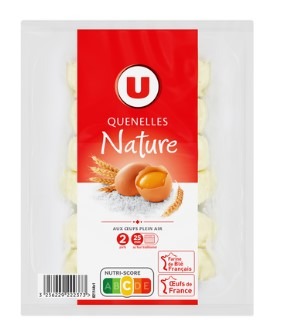
France – QUELLEL NATURE U X6 240G – Listeria monocytogenes

Gov france

  • Product category Food
  • Product subcategory Others
  • Product brand name u
  • Model names or references QUELLEL NATURE U X6 240G
  • Product identification
    GTIN Batch Date
    3256229222373 L32560S Use-by date 05/10/2023
  • Packaging 240g
  • Storage temperature Product to keep in the refrigerator
  • Health mark69-273-J
  • Geographical sales area Whole France
  • Distributors U BRAND

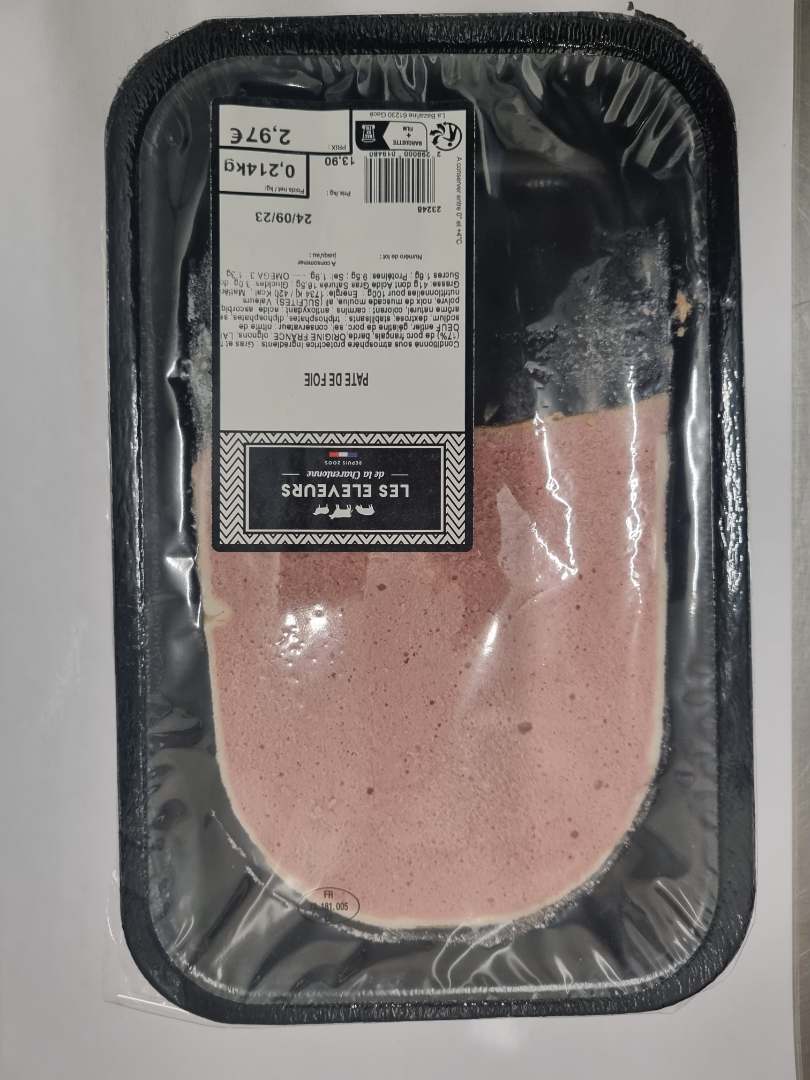
France – LIVER PASTE 250 gr S/ATM – Listeria monocytogenes

Gov france

  • Product category Food
  • Product subcategory Meats
  • Product brand name CHARENTONNE BREEDERS
  • Model names or references 250 gr slice
  • Product identification
    Batch Date
    23248 Use-by date 09/24/2023
  • Start/end date of marketing Since 05/09/2023
  • Storage temperature Product to keep in the refrigerator
  • Health mark FR 72.181.005 CE
  • Geographical sales area Whole France
  • Distributors AIGLE BESOIN-COCCIMARKET LE SAP-COCCINELLE EXPRESS ST HILAIRE -COCCINELLE VIMOUTIERS-EPICURE LAFAYETTE -EVREUX BESOIN-FOUGERES BESOIN-HONFLEUR BESOIN-LA MAISON DE L’ORBIQUET-LAVAL BESOIN-LE HAVRE BESOIN-LE NEUBOURG BESOIN-LISIEUX BESOIN-MALIA DISTRIB
  • List of points of salePDF_List_of_customers_liver_pâté_Contaminated_with_number_of_trays_delivered.pdf

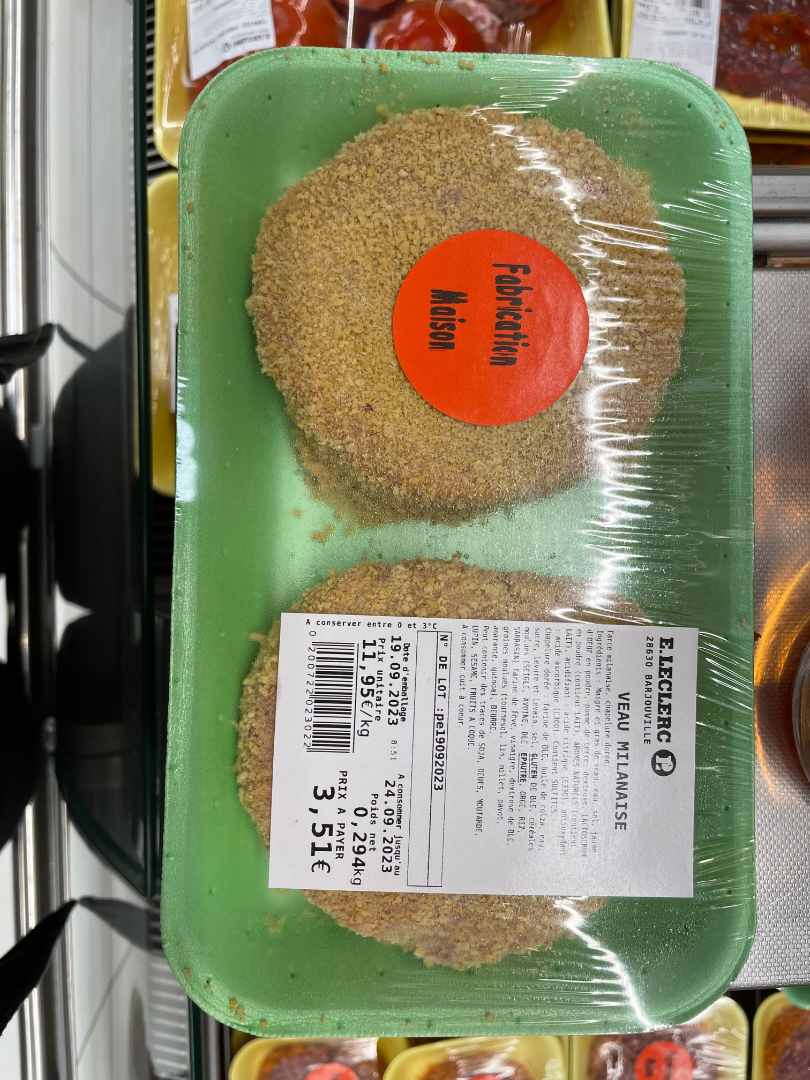
France – Veal Milanese – Salmonella

Gov france

  • Product category Food
  • Product subcategory Meats
  • Product brand name developed in our laboratories
  • Model names or references veal Milanese sold in the traditional section and veal Milanese x2 sold in the self-service butcher section
  • Product identification
    GTIN Batch Date
    0200722017717 Milanaise x2 Lot number: pe 09.09.23 Milanaise sold in the traditional department 09/09/23 Use-by date between 09/09/2023 and 09/14/2023
  • Packaging Green tray sold in the self-service butcher section (red colored dot on the plastic film indicating in-house manufacturing
  • Start/end date of marketing From 09/09/2023 to 09/11/2023
  • Storage temperature Product to keep in the refrigerator
  • Geographical sales area Regions: Centre-Val de Loire
  • Distributors Hypermarket: Center E. Leclerc ZAC de la Torche 1 Rue des Orvilles 28630 Barjouville

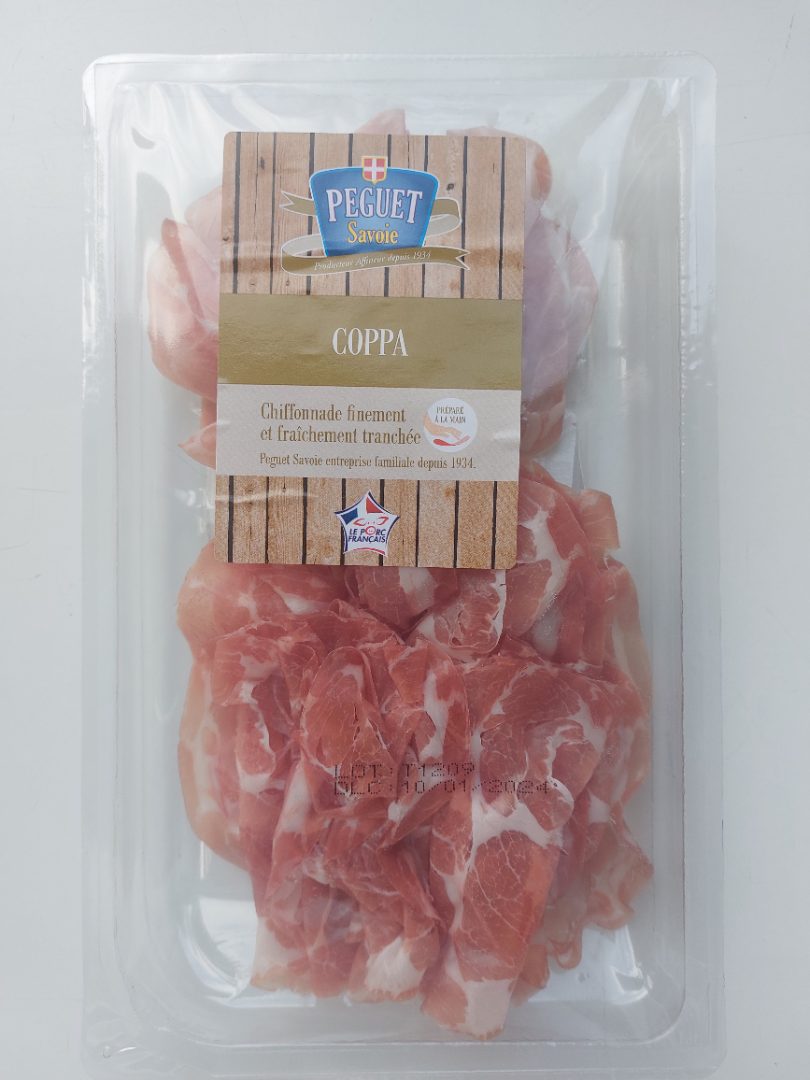
France – COPPA CHIFFONNADE 100 G – Listeria monocytogenes

Gov france

  • Product category Food
  • Product subcategory Meats
  • Product brand name PEGUET
  • Model names or references COPPA CHIFFONNADE 100 G
  • Product identification
    GTIN Batch
    3034910605052 see product list in attachment
  • Products List Lots_DLC_Chiffonnade_Coppa.pdfAttachment
  • Packaging Box of 12 pieces
  • Start/end date of marketing From 08/29/2023 to 09/16/2023
  • Storage temperature Product to keep in the refrigerator
  • Health mark 38.190.003
  • Geographical sales area Whole France
  • Distributors CASINO AUCHAN CARREFOUR SYSTEM U

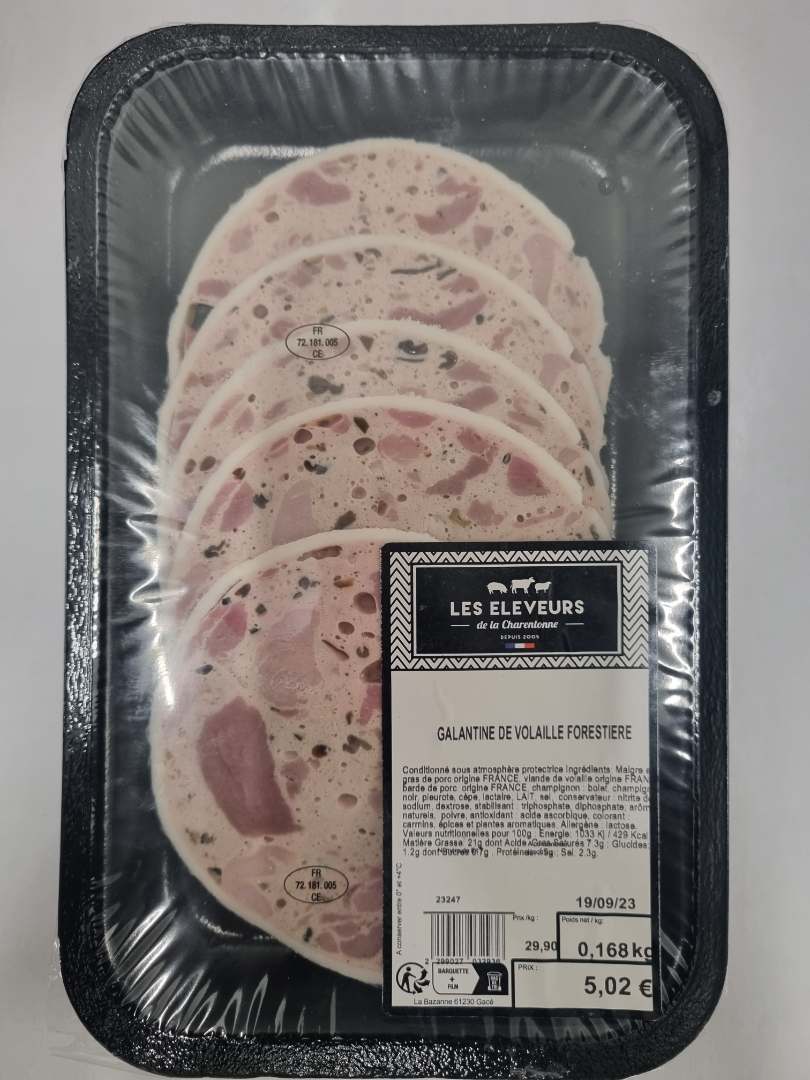
France – FOREST POULTRY GALANTINE X5 – Listeria monocytogenes

Gov france

  • Product category Food
  • Product subcategory Meats
  • Product brand name CHARENTONNE BREEDERS
  • Model names or references Slices x5
  • Product identification
    Batch Date
    23247 Use-by date 09/19/2023
  • Start/end date of marketing Since 04/09/2023
  • Storage temperature Product to keep in the refrigerator
  • Health mark FR 72.181.005 CE
  • Geographical sales area Whole France
  • Distributors VOG GRIOTTE ET CLEMENTINES SARL 8 A 8 – LASSAY AUBIGNY SUR NERE NEED BONNY NEED C . RENARD NEED CARREFOUR EXPRESS COURTOMER CHATEAU GONTIER NEED COCCIMARKET BRETEUIL SUR ITON COCCINELLE EXPRESS ST HILAR COCCINELLE VIMOUTIER
  • List of points of sale PDF_List_of_clients_delivered_for_la_Galantine_de_Volaille_forestière_X5.pdf

Research- Salmonella Outbreak Investigation Reinforces Importance of Drain Sanitation

Food Safety Tech

Drains can harbor pathogens and biofilms in facilities and have been cited as the cause of a Salmonella Motevideo outbreak in Quebec, Canada. For “Investigation of a Salmonella Montevideo Outbreak Related to the Environmental Contamination of a Restaurant Kitchen Drainage System, Québec, Canada, 2020–2021,” (Journal of Food Protection, October 2023), researchers André Paradis, Marie-France Beaudet, Marianne Boisvert Moreau and Caroline Huot, documented the investigation into the outbreak that affected at least 67 people between January 1, 2020 and August 13, 2021. An epidemiological investigation that included whole genome sequencing found that 66% of cases were directly linked to a restaurant in the area.

Research – Gotcha! New technology speeds up bacterial testing in food

Science Daily

Researchers have developed a measurement technique that rapidly measures the number of viable bacteria in food products. They have succeeded in drastically reducing the inspection time from 2 days to about 1 hour. With this technology, it will be possible to confirm food safety before shipment from factories and prevent food poisoning.

It is said that haste makes waste, but researchers from Osaka Metropolitan University have proven that doing things rapidly does not necessarily mean working ineffectively. A research group led by Professor Hiroshi Shiigi at the Graduate School of Engineering, Osaka Metropolitan University has developed a technology that can rapidly and accurately determine the number of viable bacteria in food products electrochemically, using tetrazolium salt (MTT), a water-soluble molecule.

One of the most important assessment indicators for ensuring that food is free from contamination is the number of viable bacteria. However, conventional measurement methods take up to 2 days to yield results, and these results are only available after the food has been shipped from the factory — leading to potentially fatal consequences. Therefore, it is imperative to have a testing method that speeds up the process of identifying bacterial contamination before shipment.

Research -Control of the Growth of Listeria monocytogenes in Cooked Ham through Combinations of Natural Ingredients

MDPI

Abstract

In the ready-to-eat food industry, Listeria control is mandatory to ensure the food safety of the products since its presence could cause a disease called listeriosis. The objective of the present study was to carry out a challenge test to verify the efficiency of different combinations of natural antimicrobial ingredients against Listeria monocytogenes to be used in ready-to-eat foods. Six different formulations of cooked ham were prepared: a control formulation and five different formulations. An initial inoculation of 2 log cycles was used in the different products, and the growth of Listeria was monitored at different temperatures and times (4 °C for 17 w and 7 °C for 12 w). Control samples showed a progressive growth, reaching 5–6 log after 3 or 4 weeks. The rest of the samples showed constant counts of Listeria during the entire study. Only samples containing 100 ppm nitrite + 250 PPM ascorbic acid + 0.7% PRS-DV-5 did not control the growth of Listeria at 7 °C after 7 w of storage. The results obtained allowed us to classify the cooked ham prepared using natural ingredient combinations as a “Ready-to-eat food unable to support the growth of L. monocytogenes other than those intended for infants and for special medical purposes”.

Research – A Bacteriophage Cocktail Reduces Five Relevant Salmonella Serotypes at Low Multiplicities of Infection and Low Temperatures

MDPI

Abstract

Salmonella are important pathogenic bacteria and, following Campylobacter, they are the second most common cause of bacterial foodborne infections worldwide. To reduce the presence of bacteria along the food chain, the application of bacteriophages (phages) may be a promising tool. In this study, the lytic properties of six phages against five relevant Salmonella serotypes (S. Enteritidis, S. Typhimurium, S. Infantis, S. Paratyphi B and S. Indiana) were analyzed. Three phages were able to lyse all five serotypes. We determined the lytic potential of each phage on indicator strains in vitro at room temperature (RT) and at 37 °C using low multiplicities of infection (MOIs). Most phages reduced their host more efficiently at RT than at 37 °C, even at the lowest MOI of 0.001. Following this, the lytic activity of a cocktail comprising five phages (MOI = 0.1) was examined with each of the five serotypes and a mix of them at RT, 15, 12, 10, 8 and 6 °C. All cultures of single serotypes as well as the mixture of strains were significantly reduced at temperatures as low as 8 °C. For single serotypes, reductions of up to 5 log10 units and up to 2.3 log10 units were determined after 6 h (RT) and 40 h (8 °C), respectively. The mixture of strains was reduced by 1.7 log10 units at 8 °C. The data clearly suggest that these phages are suitable candidates for biocontrol of various Salmonella serotypes under food manufacturing conditions