Listeria monocytogenes detected in smoked salmon from Ireland in the UK
Listeria monocytogenes in salads “Mediterranean mixture” from Sweden in Latvia
Listeria monocytogenes in cream cheese from Spain in Germany and Spain

Listeria monocytogenes detected in smoked salmon from Ireland in the UK
Listeria monocytogenes in salads “Mediterranean mixture” from Sweden in Latvia
Listeria monocytogenes in cream cheese from Spain in Germany and Spain
Posted in food contamination, food handler, Food Hazard, Food Hygiene, Food Inspections, Food Micro Blog, Food Microbiology, Food Microbiology Blog, Food Microbiology Testing, Food Pathogen, food recall, Food Safety, Food Safety Alert, Food Safety Management, Food Testing, Listeria, Listeria monocytogenes, RASFF
In a shocking incident of negligence, about two dozen students of Kaushal Vikash Kendra, Mango fell victim to food poisoning at their hostel on Tuesday. The students fell sick after eating egg curry and ‘puri’ for breakfast this morning.
One of the victims said she fell sick after consuming egg curry and puri this morning. “ Though a section of girls have other versions but I must say all the girls fell sick after almost an hour of consuming breakfast only,” she said.
Significantly, none of the people from the Kaushal Vikash Kendra management was available for comment on the issue.
Another section of the students claimed that they fell sick due to eating food brought online during a birthday party on Monday night. “It was my friend’s birthday on Monday. We celebrated the occasion by throwing a party at the hostel. She had bought cake, fast food from Mango. In the morning, all those who enjoyed the party had started suffering from loose motion and vomiting. Then we were brought to the MGM medical college hospital by the management,” informed a student.
However, one of the five ailing students who were admitted to the medical college hospital’s emergency ward, could not say anything about five other girls from the same centre found undergoing treatment lying in the corridor of the emergency block.
Arun Kumar, superintendent, MGM Medical College Hospital said that in all two dozen girls were brought for the treatment at noon. “The girls were down due to food poisoning. Six of the girls were sent back after first-aid, but the rest of them were admitted for treatment,” said Kumar, adding that the condition of all the girls is stable.
Posted in Decontamination Microbial, food bourne outbreak, Food Illness, Food Micro Blog, Food Microbiology, Food Microbiology Blog, Food Microbiology Testing, Food Poisoning, Foodborne Illness, foodborne outbreak, foodbourne outbreak, Illness, microbial contamination, Microbiological Risk Assessment, Microbiology, Microbiology Investigations, Microbiology Risk, outbreak

| GTIN | Date | |
|---|---|---|
| 24334250 | Use-by date 07/28/2022 | |
Posted in food contamination, food handler, Food Hazard, Food Hygiene, Food Inspections, Food Micro Blog, Food Microbiology, Food Microbiology Blog, Food Microbiology Testing, Food Pathogen, food recall, Food Safety, Food Safety Alert, Food Safety Management, Food Testing, Listeria, Listeria monocytogenes

| GTIN | Batch | |
|---|---|---|
| 0259422000000 | All lots | |
Posted in food contamination, food handler, Food Hazard, Food Hygiene, Food Inspections, Food Micro Blog, Food Microbiology, Food Microbiology Blog, Food Microbiology Testing, Food Pathogen, food recall, Food Safety, Food Safety Alert, Food Safety Management, Food Testing, Listeria, Listeria monocytogenes
Posted in Decontamination Microbial, Food Micro Blog, Food Microbiology, Food Microbiology Blog, Food Microbiology Research, Food Microbiology Testing, Listeria, Listeria monocytogenes, microbial contamination, Microbiological Risk Assessment, Microbiology, Microbiology Investigations, Microbiology Risk, Research
A significant decrease in norovirus prevalence and concentration was observed in oyster production areas in Ireland during winter 2020/21. Oyster production areas impacted by human wastewater discharges that were under-going norovirus surveillance since 2018 were investigated. Samples collected in the winter seasons of 2018/19 and 2019/20, prior to when the COVID-19 pandemic interventions were applied, showed a prevalence of 94.3% and 96.6% respectively and geometric mean concentrations of 533 and 323 genome copies per gram (gcg -1 ) respectively. These values decreased significantly during the winter of 2020/21 (prevalence of 63.2% and geometric concentration of <LOQ) coinciding with the control measures to mitigate the transmission of SARS-CoV-2. Divergence between norovirus GI and GII prevalence and concentrations was observed over the three year monitoring period. Norovirus GII was the dominant genogroup detected in winter 2020/21 with over half of samples positive although concentrations detected were significantly lower than pre-pandemic winters with a geometric mean concentration of <LOQ.
Posted in COVID-19, Decontamination Microbial, Food Micro Blog, Food Microbiology, Food Microbiology Blog, Food Microbiology Research, Food Microbiology Testing, Food Virus, microbial contamination, Microbiological Risk Assessment, Microbiology, Microbiology Investigations, Microbiology Risk, Norovirus, Research, Virus

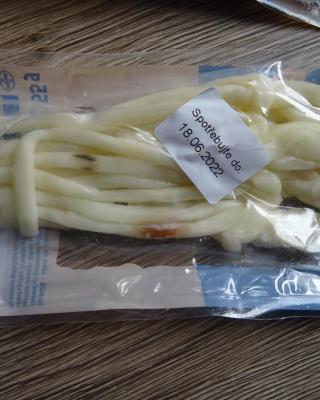
On the surface of the food under the packaging, mold was visible to part of the package visible to the naked eye. Food is not considered safe if it shows signs of spoilage.
During the inspection, unsatisfactory storage temperatures of this product were not found, the food did not expire,
| Expiration date: | 06/18/2022 |
| Packaging: | PP sealed with print |
| Quantity of product in package: | 0.055 kg |
| Producer: | SIMABELLE sro, č.p.1074, 739 98 Mosty u Jablunkova, branch: Rudé armády 1820, 733 01 Karviná – Hranice. |
| Sampling date: | 5. 5. 2022 |
| Reference number: | 22-000167-CAFIA-CZ |

| GTIN | Batch | Date |
|---|---|---|
| see attached product list | ||
| 00000397 | manufacturing 05/27 manufacturing 05/28 manufacturing 05/31 Shelf life D+3 | Use-by date between 30/05/2022 and 03/06/2022 |
Do not use, sell, serve or distribute the affected product.
Irresistibles brand Sesame Asian Style Dressing recalled due to spoilage.
The recalled product has been sold in Ontario and Quebec.
Posted in food contamination, food handler, Food Hazard, Food Hygiene, Food Inspections, Food Micro Blog, Food Microbiology, Food Microbiology Blog, Food Microbiology Testing, food recall, Food Safety, Food Safety Alert, Food Spoilage, Food Testing, microbial contamination, Microbiological Risk Assessment, Microbiology, Microbiology Investigations
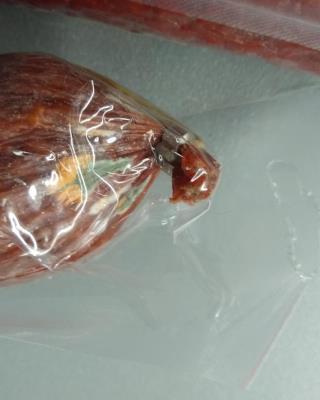
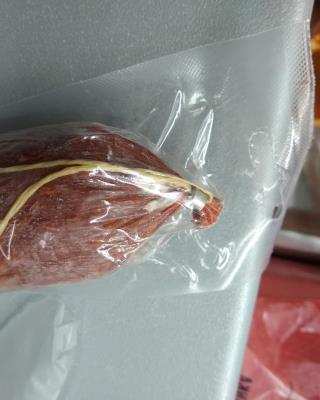
Mold colonies were found on the surface of the food. Food is not considered safe if it shows signs of spoilage.
The food had a damaged package (there was no longer a vacuum inside the package).
| Lots: | L: 0411211 |
| Date of minimum durability: | 01. 05.2022 |
| Packaging: | welded foil |
| Quantity of product in package: | 0.796 kg |
| Sampling date: | March 8, 2022 |
| Reference number: | 22-000158-CAFIA-CZ |
Posted in food contamination, food handler, Food Hazard, Food Hygiene, Food Inspections, Food Micro Blog, Food Microbiology, Food Microbiology Blog, Food Microbiology Testing, food recall, Food Safety, Food Safety Alert, Food Safety Management, Food Spoilage, Food Testing, mold, Mould/Mold, Potravinynapranyri


