Category Archives: Food Inspections

RASFF Alert- E.coli – Coriander

RASFF-Logo

RASFF – high count of Escherichia coli (1500 CFU/g) in coriander from Thailand in Norway

RASFF Alerts – Salmonella – Salted Chicken Breast – Chicken Fillet – Mussels – Sesame Seeds – Black Pepper – Chicken Thighs – Almonds – Lamb Fillet – Tiger Nut – Salami -Chicken Meat – Eggs

RASFF-Logo

RASFF – Salmonella (presence /25g) in frozen salted chicken half breasts from Brazil in the Netherlands

RASFF – Salmonella enterica ser. Enteritidis (presence /10g) in chilled chicken fillet from Poland in Slovenia

RASFF – Salmonella in mussels (Mytilus edulis) from Denmark in the Netherlands

RASFF – Salmonella (presence /25g) in sesame seeds from Ethiopia in Greece

RASFF – Salmonella (presence /25g) in sesame seeds from Sudan in Greece

RASFF – Salmonella (presence /25g) in sesame seeds from Sudan in Greece

RASFF – Salmonella enterica ser. Infantis (presence /25g) in chilled chicken thighs from Poland in Lithuania

RASFF – Salmonella (presence /25g) in almonds from the United States, via the United Kingdom in Germany

RASFF – Salmonella enterica ser. Infantis (present /25g) in chilled chicken carcasses from Poland in the Czech Republic

RASFF – Salmonella (present /25g) in frozen lamb fillet from Germany in Germany

RASFF – Salmonella (presence /25g) in sesame seeds from Sudan in Greece

RASFF – Salmonella (presence /25g) in tiger nut from Spain in Portugal

RASFF – Salmonella (presence /25g) in black pepper from Brazil in Spain

RASFF – Salmonella (presence (in 1 out of 5 samples) /25g) in poultry meat preparation from Brazil in the UK

RASFF – Salmonella (presence /25g) in frozen salted chicken half breast fillets from Brazil in the UK

RASFF – Salmonella (presence /25g) in chilled halal chicken from Poland in Norway

RASFF – Salmonella (present (in 1 out of 5 samples) /25g) in sesame seeds from Ethiopia in Greece

RASFF – Salmonella enterica ser. Bredeney (present /25g) in organic mussels (Mytilus galloprovincialis) from Italy, packaged in France in France

RASFF – Salmonella (O:4 present /25g) in smoked triangle shaped salami from Germany in Germany

RASFF – Salmonella enterica ser. Enteritidis (O:9, in 1 out of 5 samples /25g) in frozen chicken meat from chickens reared in the Czech Republic and slaughtered in Poland in Poland

RASFF – Salmonella enterica ser. Typhimurium monophasic (1 ,4, [5], 12:i:-) (presence /25g) in chicken meat from Belgium in Belgium

RASFF – suspicion of Salmonella in class B eggs from the United Kingdom in the UK

RASFF – Salmonella enterica ser. Sangera (presence /25g) in sesame seeds from Nigeria in Greece


UK – Express. Asda recalls this product amid risk of Salmonella – have you been affected?

Express

Asda has issued an urgent warning to recall its Cranberry and Nut Cereal Bars due to the risk of the illness.

Food can be contaminated with the bacteria at any stage during the production process, the processing of the food itself and while cooking.

The cereal bars affected are those in the pack size of 4x35g with the best before end date of September 2019.

The supermarket chain has issued the precautionary recall and advised customers who have bought the product not to eat it.

Research – Aflatoxins: a major threat to food safety

Technology Times

Aflatoxins are toxic and carcinogenic mycotoxins found in a range of agricultural products, particularly cereals and nuts. Of especial concern are potentially high levels of these mycotoxins in maize and peanuts, which form part of staple diets in many parts of Asia.

The major fungus producing aflatoxins is Aspergillus flavus. However, another fungus,Aspergillus parasiticus and a few other minor species of Aspergillus can also produce these toxins.

Aflatoxins in crops:

All cereal crops can contain aflatoxins. Intensive cropping practices and decreased genetic diversity in cereal crops probably contribute to increased preharvest infections of commodities with fungi that produce aflatoxins.  Preharvest contamination of crops with aflatoxins occurs in the temperate and tropical regions.

The seeds in growth-stressed plants are the most susceptible to fungal invasion and aflatoxin production. Postharvest contamination occurs worldwide when conditions in the storage unit exist for the growth of Aflatoxigenic fungi. Aflatoxigenic fungi can grow in feedlot manure.

Insects spread the spores of aflatoxigenic fungi to plants and the fungi colonize areas of insect damage. The flower and silk in corn can be portals of entry for species of Aspergillus.

Insect damage, timing of irrigation or rain, relative humidity around the bolls, stage of maturity and variety of cotton can be factors in causing preharvest contamination of cottonseed with aflatoxins.

USA -Suspected norovirus outbreak at Norwich University

Outbreak News Today

Vermont health officials are investigating an outbreak of gastrointestinal (GI) illness at Norwich University in Northfield after more than two dozen students and staff reported being sick.

Health officials advise if you are sick with gastrointestinal (GI) illness:Based on the symptoms and length of illness reported, norovirus is suspected but has not yet been confirmed through laboratory testing.

  • Stay home from classes or work for 24 hours after vomiting and diarrhea have stopped.
  • Food handlers should stay home from work for 48 hours after symptoms have stopped.
  • Health care providers and people who work at a child care facility should also stay home from work for 48 hours after vomiting and diarrhea have stopped.
  • Wash your hands well with soap and water after using the bathroom or after caring for someone who is sick. Hand sanitizers are not as effective at removing norovirus particles.
  • Don’t share food or drinks with others if you have symptoms or are sick.
  • Immediately remove, machine wash and dry any clothing or linens soiled by vomit or diarrhea.

Norovirus is a common cause of gastrointestinal illness. Symptoms often include diarrhea, vomiting, and stomach cramps. People who are ill from a norovirus may also experience headaches, body aches and fever.

Australia – Timboon Brie Recall – E.coli

FSANZ

roduct information

Schulz Organic Farms Pty Ltd TA Timboon Dairy/Timboon Cheesery is conducting a recall of Timboon Brie. The product has been available for sale at Timboon Cheesery in Vic.

Use by 05-05-19

Timboon Brie picture

Problem

The recall is due to microbial E.coli contamination.

Food safety hazard

Food products contaminated with E.coli may cause illness if consumed.

Country of origin

Australia

What to do​

Consumers should not eat this product. Any consumers concerned about their health should seek medical advice. Customers should return the product to the place of purchase for a full cash refund.

For further information please contact:

Timboon Cheesery 0491108328 www.timbooncheesery.com.au

Vietnam – 14 Lao tourists hospitalized with food poisoning symptoms in central Vietnam

VNE Express

Da Nang City authorities are investigating the hospitalization of 14 Lao tourists with food poisoning symptoms.

The group of tourists had a buffet breakfast at their hotel in Da Nang before traveling to the nearby Hoi An Town; and had lunch at an out of town restaurant in Cham Islands.

In the afternoon, they began suffering stomach pain, vomiting and diarrhea and were sent to the emergency room at a hospital in downtown Da Nang.

Doctors diagnosed digestive disorders and acute gastritis. All the tourists victims are now in stable condition and were discharged from the hospital Tuesday.

The hospital reported the incident to city authorities.

In 2017, 46 tourists from Laos were hospitalized with food poisoning after having lunch at a restaurant in Da Nang. The restaurant was later fined VND25 million ($1,080) for failing to meet food safety standards.


USA – Outbreak of E. coli Infections – E.coli O103 STEC

CDC

Latest Outbreak Information
Illustration of a megaphone.
At A Glance


Photo of romaine lettuce in a wood bowl.

  • A total of 109 people infected with the outbreak strain of E. coli O103 have been reported from six states.
    • Seventeen people have been hospitalized. No cases of hemolytic uremic syndrome, a type of kidney failure, have been reported. No deaths have been reported.
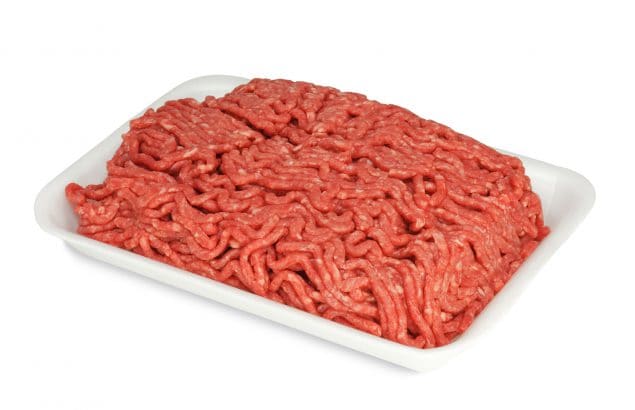
  • Preliminary epidemiologic information suggests that ground beef is the source of this outbreak.
    • Ill people in this outbreak report eating ground beef at home and in restaurants.
    • Traceback investigations are ongoing to determine the source of ground beef supplied to grocery stores and restaurant locations where ill people ate.
  • At this time, no common supplier, distributor, or brand of ground beef has been identified.
  • CDC is not recommending that consumers avoid eating ground beef at this time. Consumers and restaurants should handle ground beef safely and cook it thoroughly to avoid foodborne illness.
  • At this time, CDC is not recommending that retailers stop serving or selling ground beef.
  • This is a rapidly evolving investigation. We will provide updates as more information becomes available.

USA – Salmonella Sushi from the “Big Easy” will likely make you Queasy – Salmonella

Food Poison Journal

CDC, public health and regulatory officials in several states, and the U.S. Food and Drug AdministrationExternal are investigating a multistate outbreak of Salmonella Newport infections.

As of April 15, 2019, 13 people infected with the outbreak strain of Salmonella Newport have been reported from 7 states. A list of the states and the number of cases in each is on the Map of Reported Cases page.

USA – Jensen Tuna of Louisiana is Voluntarily Recalling Frozen Ground Tuna Imported from JK Fish, Because it may Potentially be Contaminated with Salmonella

FDA

Jensen Tuna of Louisiana is voluntarily recalling frozen ground tuna imported from JK Fish, because it may potentially be contaminated with Salmonella.

The frozen product, individually packaged in clear plastic one-pound bags, is sold in white wax 20 lb. boxes. The product is only sold as a wholesale case with twenty bags in each case. The lot numbers are z266, z271 and z272.

No other tuna products are impacted or part of this recall.

The product was sold to wholesalers in Connecticut, Iowa, Illinois, Minnesota, North Dakota, New York, and Washington. These wholesalers further distribute the product to restaurants and retail locations. The product was distributed from November 30, 2018 to March 15, 2019.

Restaurants and retailers should check with their suppliers and not sell or serve recalled frozen ground tuna and should wash and sanitize locations where recalled ground tuna was stored. Consumers with concerns should ask their restaurants and retailers whether the tuna dish they are purchasing contained the recalled ground tuna.

The voluntary recall is in response to the CDC and FDA’s investigation of 13 illnesses caused by Salmonella, confirmed to date. As of today, the ground tuna samples were found negative for Salmonella.

Salmonella is an organism that can cause serious and sometimes fatal infections in young children, frail or elderly people, and others with weakened immune systems. Most people infected with Salmonella develop symptoms within 12 to 72 hours after infections, according to the FDA. The illness, marked by diarrhea, fever and abdominal cramps, usually lasts 4 to 7 days.

Please contact Jensen Tuna at 985-868-8809 (Monday-Friday, 8am to 3pm, Central time) or email at info@jensentuna.com with questions.