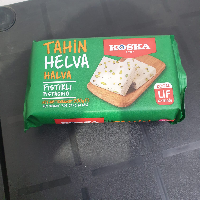
TAHIN HELVA HALVA, FISTIKLI / PISTACHIO, brand: KOSKA 1907
Company KERVAN GMBH, FLOHRSTRAßE 26, 13507 BERLIN / DE / BE.
Salmonella
TAHIN HELVA HALVA, FISTIKLI / PISTACHIO, brand: KOSKA 1907
Company KERVAN GMBH, FLOHRSTRAßE 26, 13507 BERLIN / DE / BE.
Salmonella
Alburj – Halva with pistachios 400 g & 800 g
Salmonella was detected in a sample from batch 07/2022.
In a follow-up on the shigella outbreak in Jerash, Jordan, the Director of Jerash Governmental Hospital, Sadiq Al-Atoum, said the number of shigellosis cases recorded in Jerash has risen by 22 cases, bringing the total number to 80.
At least 16 people are still being treated.
The Director of Communicable Diseases, Ali Zitawi, said that all of the patients are under the age of 12 and suffered from the same symptoms: abdominal pain, fever, diarrhea and vomiting.
Health authorities in Jordan continue to collect samples from water sources, restaurants and bakeries in Jerash and Ajloun to determine the source of the Shigella bacteria.
Posted in food bourne outbreak, food contamination, Food Hazard, Food Hygiene, Food Illness, Food Inspections, Food Micro Blog, Food Microbiology, Food Microbiology Blog, Food Microbiology Testing, Food Pathogen, Food Poisoning, food recall, Food Safety, Food Safety Alert, Food Testing, Food Toxin, foodborne outbreak, foodbourne outbreak, outbreak, Shigatoxin, Shigella, Shigella flexneri, Shigella Sonnei
Best Before 11 May 2023
The recall is due to a potential for microbial contamination.
Food products with potential microbial contamination may cause illness if consumed.
Australia
Any consumers concerned about their health should seek medical advice. Consumers should not drink this product, and should dispose of it safely. Consumers seeking a full refund should contact the place of purchase for instructions.
For further information please contact:
Waterloo Bay Distilling Company
0429 773 743
Related links:
Posted in food contamination, Food Hazard, Food Hygiene, Food Inspections, Food Micro Blog, Food Microbiology, Food Microbiology Blog, Food Microbiology Testing, food recall, Food Safety, Food Safety Alert, Food Spoilage, Food Testing, microbial contamination, Microbiological Risk Assessment, Microbiology, Microbiology Investigations

| Lot | Dated | |
|---|---|---|
| RGB02701 | Use-by date 10/07/2021 | |
| RGB02712 | Use-by date 08/10/2021 | |
Posted in E.coli O103, food contamination, Food Hazard, Food Hygiene, Food Inspections, Food Micro Blog, Food Microbiology, Food Microbiology Blog, Food Microbiology Testing, Food Pathogen, Food Poisoning, food recall, Food Safety, Food Safety Alert, Food Testing, Food Toxin, O103, STEC, STEC E.coli
The pathogenic bacterium Listeria monocytogenes was detected in the product . This bacterium can cause a condition called listeriosis.
| Expiration date: | 8/30/2021 |
| Quantity of product in package: | 200 g |
| Producer: | Dita Maresova, Sluhy |
| Country of origin: | Czechia |
| Date of sampling: | 16. 8. 2021 |
| Reference number: | 21-000069-SVS-CZ |

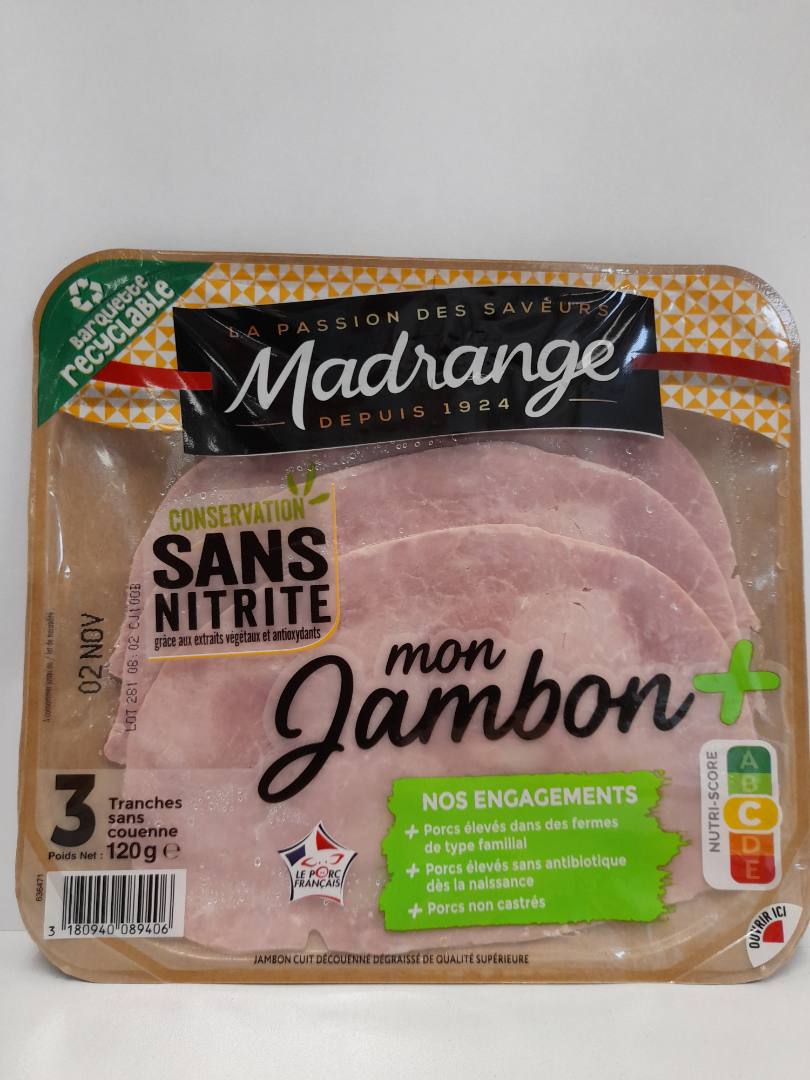
| GTIN | Lot | Dated |
|---|---|---|
| 3180940089406 | 281 08:02 CJ10OB | Use-by date 02/11/2021 |
Posted in Clostridium, Clostridium botulinum, Clostridium perfringens, food contamination, food handler, Food Hazard, Food Hygiene, Food Inspections, Food Micro Blog, Food Microbiology, Food Microbiology Blog, Food Microbiology Testing, Food Pathogen, Food Poisoning, food recall, Food Safety, Food Safety Alert, Food Testing, Food Toxin

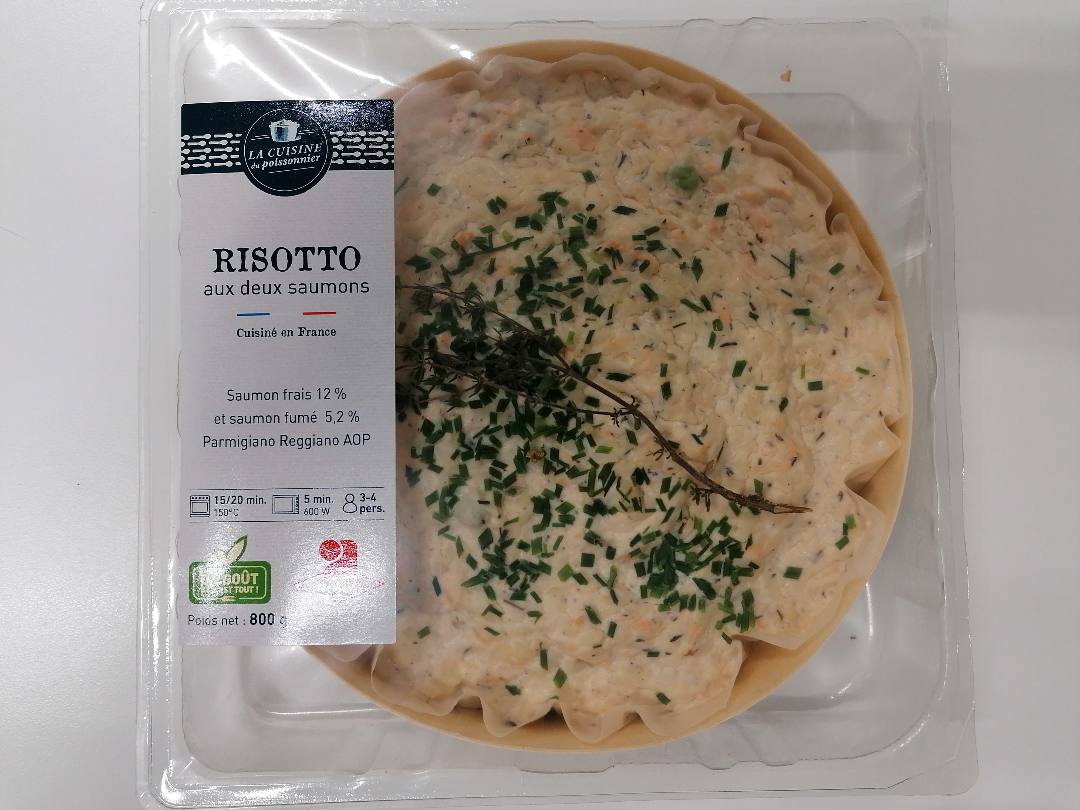
| Lot | ||
|---|---|---|
| Sold in the traditional department between 09/27/21 and 10/11/21 | ||

| GTIN | Lot | Dated |
|---|---|---|
| 3348700200663 | 21277 | Use-by date 10/21/2021 |
| 3348700200663 | 21277 | Use-by date 10/20/2021 |
| 3348700200663 | 21274 | Use-by date 10/18/2021 |
| 3348700200663 | 21274 | Use-by date 10/19/2021 |
Yearly, 23 million foodborne disease illnesses and 5,000 deaths are estimated in the World Health Organization (WHO) European Region, and 41 foodborne Disability Adjusted Life Years (DALYs) per 100,000 population were estimated for the WHO Sub-Region EUR A in 2010 [1]. In Europe, a total of 5,146 foodborne and waterborne outbreaks, including 48,365 cases of illness and 40 deaths were reported to the European Food Safety Authority (EFSA) in 2018 [2]. Vulnerable populations, including elderly patients, immunocompromised patients, children younger than five years old and pregnant women are more susceptible to foodborne infections and are more prone to develop severe courses of disease compared with healthy people [3]. Therefore, healthcare is a setting where foodborne outbreaks (FBO) can cause considerable morbidity and mortality. In 2020, 20.6% of the European Union (EU) population was aged 65 years and older [4]. As the proportion of elderly people is projected to further increase, the share of the vulnerable population as patients in healthcare facilities (HCF) is likely to increase and thereby the risk associated with healthcare-associated foodborne outbreaks (HA-FBO). Personnel (medical and non-medical staff, food handlers etc) of HCF may also be at risk for HA-FBO and be a source of further spread in healthcare settings and elsewhere. This can cause major disruption of services [5].
So far, literature reviews have covered pathogens responsible for HA-FBO, including Salmonella [6], Listeria monocytogenes [7–9] and norovirus [10,11] and focused on microbiological food safety issues in healthcare settings [5,12]. Between 2014 and 2019, a listeriosis outbreak in Germany affected 13 cases who had an inpatient stay in 12 different HCF during the incubation period [13]. In the United Kingdom (UK) in 2019, nine listeriosis cases of which seven died, had consumed sandwiches in seven HCF during the incubation period [14].
We conducted a literature review to describe the causative agents including bacteria, viruses, parasites and fungi, the incriminated food vehicles and other outbreak characteristics of HA-FBO in 37 countries that are members of the Organisation for Economic Cooperation and Development (OECD) [15]. Furthermore, we analysed German surveillance data and data from the EFSA on HA-FBO. The aim of this article is to describe the current status of HA-FBO in order to improve surveillance and provide public health recommendations for prevention.
Posted in food contamination, Food Hazard, Food Hygiene, Food Illness, Food Inspections, Food Micro Blog, Food Microbiology, Food Microbiology Blog, Food Microbiology Research, Food Microbiology Testing, Food Pathogen, Food Poisoning, Food Safety, Food Testing, Food Toxin, Listeria monocytogenes, Norovirus, Research, Salmonella