Category Archives: Food Hygiene

Research – Yersiniosis – Annual Epidemiological Report for 2016

ECDC

kswfoodworld.com

Image CDC

Publication series: Annual Epidemiological Report on Communicable Diseases in Europe
Time period covered: This report is based on the data for 2016 retrieved from The European Surveillance System (TESSy) on 21 February 2018.
In 2016, 28 countries reported 6 918 confirmed yersiniosis cases in the EU/EEA.

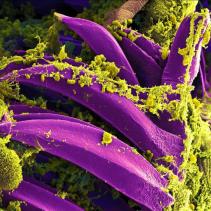
Besides Yersinia pestis (see plague) the Yersinia group of bacteria also includes two species frequently causing illness (mainly enteritis) in humans; Yersinia enterocolitica and Yersinia pseudotuberculosis.

Both are zoonoses, with a large number of animals, but mainly pigs, acting as reservoirs. Raw/undercooked meat consumption is often the cause of infection in humans. Direct transmission from other animals (e.g. pets) or through contaminated food or drink is also possible.

After an incubation period of 3–7 days, the clinical presentation includes fever, diarrhoea and abdominal pain in the right lower part of the abdomen, mimicking appendicitis. Both infections respond well to antibiotics, but untreated symptoms of abdominal pain may last for a long while. Children and adolescents are most affected. Other manifestations such as joint inflammation, “erythema nodosum” (a skin affection) and Reiter’s syndrome (inflammation of eyes and joints) can also appear.

Outbreaks are sometimes detected as a sudden increase in appendectomies due to mistaken diagnoses of appendicitis. Prophylactic measures include adequate hygiene in meat processing (especially of pork), hand hygiene and protection of water supplies.

UK- Scotland – Guidance for Scottish local authority officers on the production of cheese from unpasteurised milk

HPS

The Scottish Food Enforcement Liaison Committee (SFELC) has endorsed guidance produced by their Joint Specialist Cheese and Risky Foods Short-Life Working Group on the production of cheese from unpasteurised milk.

The guidance aims to control the microbiological risks in the production of artisan cheeses made from unpasteurised milk, specifically Shiga toxin-producing Escherichia coli(STEC). The guidance applies to all establishments producing cheese made from unpasteurised milk from cows, goats, sheep and buffalo.

Cheese made from unpasteurised milk has been linked to outbreaks of human illness and in particular, illness caused by STEC organisms including E. coli O157. The guidance has been developed in relation to the control of STEC and is intended for use during the inspection and enforcement of food safety controls applied by cheesemakers producing cheese made from unpasteurised milk.

The guidance reflects current scientific knowledge and understanding in relation to STEC and the production of cheese from unpasteurised milk. As scientific information and evidence on STEC evolves, the guidance will be reviewed. In addition, the guidance will complete a pilot implementation phase before a scheduled review.

The guidance is available to view at: https://www.foodstandards.gov.scot/downloads/SFELC_Document.pdf.

Details of a recent report on pathogen risks in unpasteurised cheese in Scotland can be viewed on the HPS weekly report, current note 52/5006: http://www.hps.scot.nhs.uk/ewr/redirect.aspx?id=78563.

USA – Dozens sick after eating raw oysters; Hog Island Oysters subject to recall

Food Safety News Vibrio

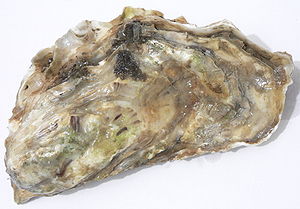
California officials have closed some commercial shellfish farming areas while they investigate an outbreak of norovirus that has sickened at least 44 people who reported eating raw oysters from Hog Island Oysters.

The company agreed to recall its “Sweetwater” and “Atlantic” oysters from a total of more than 40 restaurants and retailers in California, according to a notice posted by the California Department of Public Health (CDPH). The company did not appear to have any information about the recall or illnesses on its website as of last night. 

A spokesperson for the CDPH told Food Safety News that the source of the highly contagious norovirus had not been determined as of yesterday afternoon. It has, however, been confirmed that norovirus is responsible for the illnesses, as opposed to other foodborne pathogens. 

USA – Duncan Hines cake mix Salmonella Outbreak is over.

CDC

Final Outbreak Information

Illustration of a megaphone.

At A Glance

  • As of January 14, 2019, this outbreak appears to be over.
  • On November 5, 2018, ConAgra Brands recalled four varieties of Duncan Hines cake mix after officials in Oregon identified Salmonella Agbeni in a box of Duncan Hines Classic White Cake Mix.
  • CDC reviewed the PulseNet database and identified seven recent infections from five states with the same strain of Salmonella Agbeni as the Salmonella strain identified in the cake mix.
  • There was not enough epidemiologic and traceback information available to determine if ill people in this outbreak were linked to contaminated cake mix produced by Duncan Hines.

Advice to Consumers and Retailers

Illustration of a clipboard with check marks on it.
  • Do not bake with or eat recalled Duncan Hines cake mix, or eat cake prepared with recalled mix. Throw the mix away or return it to the store for a refund.
    • Recalled products include 15.25 oz. boxes of Duncan Hines cake mix in Classic White, Classic Yellow Cake, Classic Butter Golden Cake, and Confetti Cake flavors, with various “best if used by” dates ranging from March 7 to 13, 2019.
    • Check the FDA website for information to identify recalled mixes, including a list of “best if used by” dates for each flavor of recalled mix, and product photos.
  • Contact a healthcare provider if you think you got sick from eating recalled cake mix.
  • Retailers should not sell or serve recalled Duncan Hines cake mixes.

In general, CDC advises against eating any raw dough or batter, whether homemade or from a mix. Raw batter can contain germs that could make you sick.

Norway – Norwegian fish dish linked to botulism case

Food Safety News 

cdc clost spore

Image CDC

A traditional Norwegian fish dish has been recalled due to a link with a case of botulism.

Torpet Fiskeoppdrettsanlegg AS recalled rakfisk due to suspicions that consumption can cause botulism. Rakfisk is a traditional Norwegian fish dish made from trout or char, salted and then fermented for up to a year before being eaten without cooking.

The withdrawal applies to all varieties of the product that the company produced in 2018.

The news comes days after another company, Slidre Ørretsenter, recalled rakfisk that is the suspected source of a Listeria outbreak in the country that has sickened eight people. Listeria was detected in rakfisk produced by the firm and eight patients reported they ate this product before becoming ill.

Canada – Bio Busti brand Pecorino Stagionato cheese recalled due to Listeria monocytogenes

CFIA

Recall details

Ottawa, January 14, 2019 – La Cie d’Investissements Côté Inc. is recalling Bio Busti brand Pecorino Stagionato cheese from the marketplace due to possible Listeria monocytogenes contamination. Consumers should not consume the recalled product described below.

The following product has been sold from Marchés Tau locations described below.

Recalled products

Brand Name Common Name Size Code(s) on Product UPC Additional Info
Bio Busti Pecorino Stagionato cheese- with raw milk Various L18180540
0203046
None Sold from Marchés Tau located at:

  • 1325 Boul. Michèle-Bohec, Blainville, Quebec from January 4 to January 14, 2019, inclusive.
  • 7373 Boul. Langelier, Saint-Léonard, Quebec from January 8 to January 14, 2019, inclusive.

USA – Dade City caterer’s uncooked turkey leaves 200-plus ill

The Ledger

LAKELAND — A foodborne illness affecting more than 200 people at a Watson Clinic Christmas party was linked to a turkey that wasn’t fully cooked, according to an investigation.

Some people who ate the turkey suffered nausea, vomiting and diarrhea about six hours after eating.

The catering company that brought the turkey was Steph’s Southern Soul Restaurant of Dade City. The owner of the restaurant declined comment Friday.

The Florida Department of Health in Pasco County and the Department of Business and Professional Regulation found that the restaurant was out of compliance in several areas during an inquiry, said Nicole Riley, a spokeswoman with the Department of Health in Polk County.

The restaurant was closed for 24 hours to fix the issues, Riley said.

Polk’s Department of Health analyzed food and human specimens and conducted an epidemiological investigation by survey and phone of both well and sick employees who attended the luncheon. Riley said the exact foodborne pathogen was still unclear.

UK – Bride ‘left unable to walk after contracting food poisoning’ on 5-star Egypt honeymoon

The Mirror

Shigella - kswfoodworld

Image CDC


Cristina Calafateanu, 24, now needs a walking frame to get about after a gastric bug she caught after staying at the Baron Palace Sahl Hasheesh in Hurghada, booked through Thomas Cook, caused her to develop arthritis.

Cristina Calafateanu says she and husband Liviu suffered diarrhoea and severe stomach cramps just three days into their week-long stay in Egypt.

When she returned to the UK she was diagnosed with bacterial infection Shigella – before medics told her the illness had triggered a form of arthritis.

Cambodia – More than 100 students suffer food poisoning in Banteay Meanchey

Khmer Times

The health department in Banteay Meanchey province is investigating a case of food poisoning that left 140 students hospitalised in Preah Netr Preah district, where a South Korean charity group on Friday donated vegetable rice packets which are now being tested.

Keo Sophaktra, district health department director, said that 140 students at Pouy Samroung Primary School suffered poisoning and were hospitalised on Friday. He noted that all but six of them have since been discharged.

Mr Sophaktra said the department could not establish why the students suffered food poisoning after the hospital said it doubted that the vegetables in the food packets were the cause.

“We have sent samples to Phnom Penh for testing,” he said. “We doubt that they suffered poisoning after eating from the rice packets.”

Kenya – 52 admitted with food poisoning in Bomet now discharged

Standard Media

Fifty-two people taken ill after consuming toxic food at a village in Bomet have been discharged from hospital.Bomet Medical Services and Public Health executive Joseph Sitonik said the group was discharged after fully recovering.“I can confirm that they were fully recovered from the poisoning and we took them back to their home,” said Sitonik in a statement on Saturday afternoon.He said they would be following up on them to check on their condition on Monday.“Doctors have given them a clean bill of health but we must do a follow-up.”The group attended a funeral at Tabook village in Mutarakwa, Bomet Central.Sitonik said they were diagnosed with food poisoning.He said the food they ate must have been contaminated either during preparation or service.