Category Archives: Food Hygiene

USA -Hodgson Mill Issues Voluntary Recall of Unbleached All-Purpose White Wheat Flour Due to Potential Presence of Pathogenic E.coli

FDA

Hodgson Mill of Effingham, IL, announced today a voluntary national recall of specific lots of its Unbleached All-Purpose White Wheat Flour (5 lb.)

We are taking this voluntary precautionary step because of the potential presence of pathogenic E. coli which was discovered through sampling raw uncooked flour. Hodgson Mill has not received any confirmed reports of illnesses related to this product.

The only product affected by this voluntary recall is:

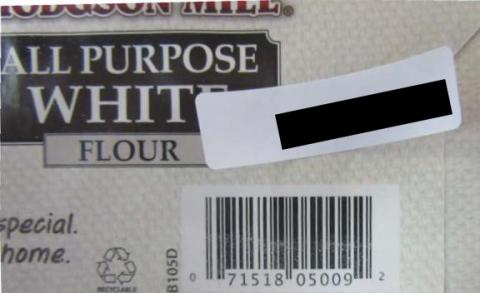
Unbleached All-Purpose White Wheat Flour (5 lb.) UPC 0-71518-05009-2
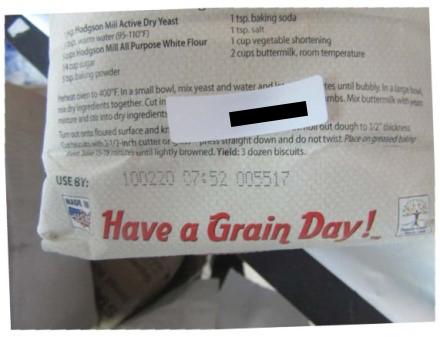
Best By Date 10-01-2020 and 10-02-2020 with lot codes listed Lot# 001042 & 005517

Use By and Lot Code information can be found on the bottom back panel of the 5 lb. Bag. Used By date and Lot Code, along with their location on the bag, must all match in order to represent flour affected by this recall.

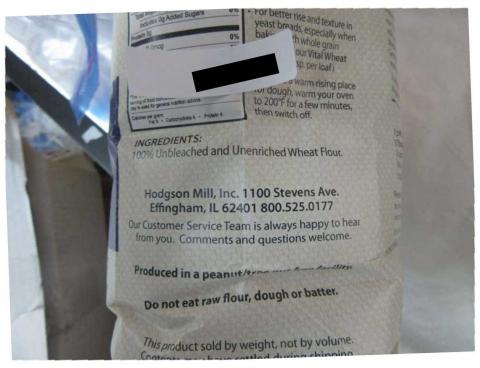
Consumer safety is our top priority. Hodgson Mill package states “do not eat raw flour, dough or batter”. The Centers for Disease Control (CDC) warns consumers to not consume raw flour or uncooked raw dough.

E. coli is killed by heat through baking, frying, sautéing, or boiling products made with flour. For more information, refer to the following: https://www.cdc.gov/features/no-raw-dough/index.html. Symptoms of pathogenic E. coli illness include acute, often bloody diarrheal illness and abdominal cramps. Most people recover within a week. However, children, the elderly, and immunosuppressed individuals may develop hemolytic uremic syndrome (HUS), a severe illness which may cause the kidneys to fail.

Consumers are reminded to wash their hands, work surfaces, and utensils thoroughly after contact with raw dough products or flour, and to never eat raw dough or batter.

This lot of flour was milled at an ADM Milling Facility in St Louis, MO and repacked at Hodgson Mill, Inc. facility in Effingham, IL and was distributed by Hodgson Mill through retailers and distribution nationwide and sold through our website www.hodgsonmill.comExternal Link Disclaimer.

Consumers who have purchased 5 lb packages of Unbleached All-Purpose White Wheat Flour with specific lot codes are urged to stop using the product immediately and return them to the place of purchase for a full refund. Consumers with questions may contact the company customer service M-F 9am to 3pm at 1-888-417-9343 x 1.

Any consumers concerned about an illness should contact a physician.

Bakers have trusted Hodgson Mill flour products in their kitchens for many years and because of that trust we have issued this voluntary recall. We remain committed to providing our consumers safe and superior products.


Company Contact Information

Consumers:
 888-417-9343

Product Photos

RASFF Alerts – Salmonella – Sesame Seeds – Chilled Poultry Meat – Cumin – Minced Veal and Turkey Doner – Broiler Meat – Pre- Cooked Mussels – Chicken Cutlets – Chicken Breast – Almonds – Salted Chicken Breasts

RASFF-Logo

RASFF – Salmonella (presence /25g) in sesame seeds from Sudan in Greece

RASFF – Salmonella enterica ser. Enteritidis (presence /25g) in chilled poultry meat from Poland in Poland

RASFF – Salmonella (present /25g) in cumin (Cuminum cyminum) from Syria in Spain

RASFF – Salmonella enterica ser. Enteritidis (presence /25g) in chilled broiler meat from the Netherlands in the Netherlands

RASFF – Salmonella (in 1 out of 5 samples /25g) in frozen minced veal and turkey doner from Belgium in Belgium

RASFF – Salmonella enterica ser. Saintpaul (in 1 out of 5 samples /25g) in sesame seeds from Sudan in Greece

RASFF – Salmonella (presence /25g) in chilled poultry meat from Poland in Poland

RASFF – Salmonella enterica ser. Paratyphi B (in 1 out of 5 samples /25g) in frozen pre-cooked mussels from Chile in Italy

RASFF – Salmonella enterica ser. Infantis (presence /25g) and Salmonella enterica ser. Typhimurium (presence /25g) in frozen chicken cutlets from Poland in France

RASFF – Salmonella enterica ser. Enteritidis (presence /25g) in chilled chicken breast fillet from Poland in Poland

RASFF – Salmonella (presence /25g) in sesame seeds from Sudan in Greece

RASFF – Salmonella (present /125g) in almonds from the United States, packaged in Germany in Austria

RASFF – Salmonella (presence /25g) in frozen salted chicken breasts from Brazil in the Netherlands

RASFF – Salmonella (presence /25g) in chilled chicken breast fillets from Poland in Poland

RASFF Alert – Mycotoxin – DON – Wheat Bran

RASFF-Logo

RASFF – deoxynivalenol (DON) (1516 µg/kg – ppb) in wheat bran from Slovakia in Hungary

RASFF Alert – Moulds -Candies – Greek Yoghurt

RASFF-Logo

RASFF – candies from Ukraine infested with moulds (9500 CFU/g) in Estonia

RASFF – Greek yoghurt from Germany infested with moulds and with yeasts in the Netherlands

RASFF Alert – Bacillus cereus Enterotoxin – Pumpkin Seeds

RASFF-Logo

RASFF – Bacillus cereus enterotoxin (130000 CFU/g) in pumpkin seeds from China in the Netherlands

RASFF Alert – E.coli – Live Scallops

RASFF-Logo

RASFF – too high count of Escherichia coli in live scallops from France in the Netherlands

RASFF Alerts – Aflatoxin – Roasted Red Rice Flour – Shelled Nuts – Dried Figs – Groundnut Kernels – Roasted Hazelnut Kernels

RASFF-Logo

RASFF – aflatoxins (B1 = 15.6; Tot. = 19.0 µg/kg – ppb) in roasted red rice flour from Sri Lanka in Switzerland

RASFF – aflatoxins (B1 = 12.89; Tot. = 14.42 mg/kg – ppm) in shelled nuts from Turkey in Italy

RASFF – aflatoxins (B1 = 13.8 µg/kg – ppb) in dried figs from Turkey in the UK

RASFF – aflatoxins (B1 = 6; Tot. = 26 µg/kg – ppb) in dried figs from Turkey in Slovenia

RASFF – aflatoxins (4.4 µg/kg – ppb) in groundnut kernels from Brazil in Spain

RASFF – aflatoxins (Tot. = 33.2 µg/kg – ppb) in dried figs from Turkey in Germany

RASFF – aflatoxins (B1 = 22.5; Tot. = 25.5 µg/kg – ppb) in roasted hazelnut kernels from Georgia in Bulgaria

RASFF – aflatoxins (B1 = 17.5; Tot. = 39.4 µg/kg – ppb) in dried figs from Turkey in Denmark

Canada -Cilento brand Mozzarella di Bufala Campana recalled due to Listeria monocytogenes

CFIA

Recall details

Ottawa, November 28, 2019 – A.M. Berchicci is recalling Cilento brand Mozzarella di Bufala Campana from the marketplace due to possible Listeria monocytogenes contamination. Consumers should not consume the recalled product described below.

Recalled product

Brand Product Size UPC Codes
Cilento Mozzarella di Bufala Campana 200 g 8 16785 02008 5 19 DEC 15

Background

This recall was triggered by Canadian Food Inspection Agency (CFIA) test results. The CFIA is conducting a food safety investigation, which may lead to the recall of other products. If other high-risk products are recalled, the CFIA will notify the public through updated Food Recall Warnings.

The CFIA is verifying that industry is removing the recalled product from the marketplace.

Illnesses

There have been no reported illnesses associated with the consumption of this product.

Product photos

Printer ready version of photos

  • Cilento Mozzarella di Bufala Campana – 200 grams

India – Aflatoxin M1 – FSSAI may bring animal feed under its purview in view of Aflatoxin M1

FNBNEWS

FSSAI is actively considering to bring the subject of ‘animal feed’ under its purview, after the findings of the ‘National Milk Quality Survey,’ which found presence of Aflatoxin M1, a cancer causing toxin in many milk samples.

The FSSAI has made a recommendation to Ministry of Health in this regard to consider amendment into the FSS Act to bring the subject of ‘Animal Feed’ under FSSAI’s ambit.

The Ministry of Health is learnt to have accepted the proposal, which will bring the amendment for the approval of Parliament soon.

Nearly 6 per cent samples of milk out of 6,432 were tested positive for presence of Aflatoxin M1. The toxin is produced by a fungi which is found in certain animal feed including maize, peanuts and cotton seeds.

The residue of Aflatoxin M1 remains present in milk which is a cause of worry and therefore the apex food regulator wants a control over the animal feed to reduce the chances of aflatoxin passing into milk.


USA -Food Safety Tips for Your Holiday Turkey

CDC

Handling poultry (chickens and turkey) incorrectly and undercooking it are the most common problems that lead to foodborne disease outbreaks linked to poultry.1 Follow these four tips to help you safely prepare your next holiday turkey meal.

1. Thaw Your Turkey Safely

Thaw turkeys external icon one of these ways:

  • In the refrigerator in a container,
  • In a leak-proof plastic bag in a sink of cold water (change the water every 30 minutes), or
  • In the microwave, following the microwave oven manufacturer’s instructions.
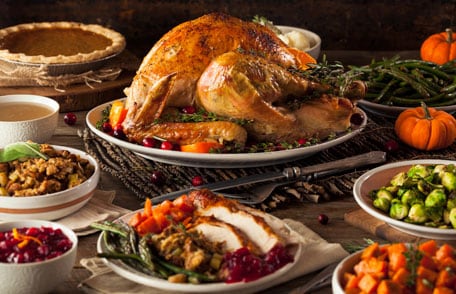
Thanksgiving dinner

Never thaw your turkey by leaving it out on the counter. A thawing turkey must defrost at a safe temperature. When the turkey is left out at room temperature for more than 2 hours, its temperature becomes unsafe. Bacteria can grow rapidly in the “danger zone” between 40°F and 140°F.

2. Handle Your Turkey the Right Way

Raw poultry can contaminate anything it touches with harmful bacteria. Follow the four steps to food safety—clean, separate, cook, and chill—to prevent the spread of bacteria to your food, family, and friends.

3. Cook Stuffing Thoroughly

Cooking stuffing separately from the turkey in a casserole dish makes it easy to be sure it is thoroughly cooked. If you cook stuffing in the turkey, put the stuffing in the turkey just before cooking.

With either cooking method, use a food thermometer to make sure the stuffing’s center reaches 165°F. Bacteria can survive in stuffing that has not reached 165°F and may then cause food poisoning. If you cook stuffing in the turkey, wait 20 minutes after taking the bird out of the oven before removing the stuffing; this allows it to cook a little more. Learn more about how to prepare stuffing safelyexternal icon.

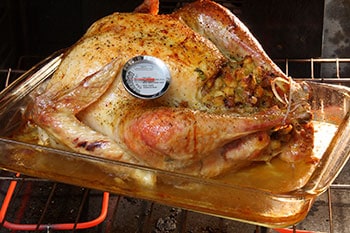
Turkey cooking in oven

Use a food thermometer to check for a safe internal temperature.

4. Cook Your Turkey Thoroughly

Set the oven temperature to at least 325°F. Place the completely thawed turkey in a roasting pan that is 2 to 2-1/2 inches deep. Cooking timesexternal icon will vary depending on the weight of the turkey. Use a food thermometer to make sure the turkey has reached a safe internal temperature of 165°F. Check by inserting a food thermometer into the center of the stuffing and the thickest portions of the breast, thigh, and wing joint. Even if your turkey has a pop-up temperature indicator, you should still use a food thermometer to check that it is safely cooked.

Let the turkey stand 20 minutes before removing all stuffing from the cavity and carving the meat. Learn more about safe minimum cooking temperaturesexternal icon and how to use a food thermometerexternal icon for turkey and other foods.

Take Care of Leftovers

The bacteria Clostridium perfringens grows in cooked foods left at room temperature. It is the second most common bacterial cause of food poisoning. The major symptoms are vomiting and abdominal cramps within 6 to 24 hours after eating.

  • Clostridium perfringens outbreaks occur most often in November and December.2
  • Many of these outbreaks have been linked to foods commonly served during the holidays, such as turkey and roast beef.

Refrigerate leftovers at 40°F or colder as soon as possible and within two hours of preparation to prevent food poisoning. Slice or divide big cuts of meat, such as a roast turkey, into small quantities for refrigeration so they will cool quickly. Reheat all leftovers to at least 165°F before serving.