RASFF – E.coli in Rope Mussels in France via Irland
RASFF – Histamine in Tuna Chunks in Denmark sourced in Thailand
Denmark – Histamine in Tuna in Denmark

RASFF – E.coli in Rope Mussels in France via Irland
RASFF – Histamine in Tuna Chunks in Denmark sourced in Thailand
Denmark – Histamine in Tuna in Denmark
Posted in Bacteria, E.coli, Eurofins Laboratories, Food Chemistry, Food Hygiene, Food Poisoning, Food Safety, Food Safety Alert, Food Testing, Histamine, Hygiene, Microbiology, Pathogen, RASFF, Recall
Tagged food, histamine, mussels, rasff, restaurants, tuna chunks
RASFF – Norovirus in Oysters in Italy sourced in France
RASFF – Moulds in Chocolate and Ornage Spread in France sourced in Denmark
RASSF – Histamine in Tuna in France sourced in Vietnam
RASFF – Histamine in Tune in Italy sourced in Spain
RASFF – E.coli in Clams in Italy sourced in Spain via France
RASFF – Ochratoxin in Figs in Germany source in Turkey
Greece – Bacillus cereus in Soy Cheese Cubes
Posted in Aflatoxin, Bacillus, Bacillus cereus, Bacteria, Clams, E.coli, Eurofins Laboratories, Food Hygiene, Food Inspections, Food Safety, Food Safety Alert, Food Testing, Food Virus, Histamine, Hygiene, Microbiology, Moulds, Mycotoxin, Norovirus, Ochratoxin, Pathogen, RASFF, Recall
Tagged bacillus cereus, cheese cubes, food, norovirus, ochratoxin
The Food Standards Agency is issuing a second updated Food Alert for Action on the Koon Yick Wah Kee rose bean curd (tofu) and chilli bean curd (tofu) originating from China via The Netherlands, because of confirmation that further tofu from the same company has high levels of Bacillus cereus.
The affected products have a best before date of 30 December 2013 but there are currently no distributions details available. The levels of the bacteria detected can cause vomiting or diarrhoea.
Raw sprouts have been the cause of several food poisoning outbreaks in the last several years. In 2012, there were many recalls of raw sprouts for bacterial contamination. Several facilities, including Kroger and Jimmy John’s, decided to stop offering sprouts for sale altogether, although Jimmy John’s put the vegetables back on their menu in October 2012.
The Centers for Disease Control and Prevention (CDC) has been warning those in high risk groups to avoid sprouts completely, unless they are thoroughly cooked. And FoodSafety.gov just released information about what you, as a consumer, should know about sprouts.
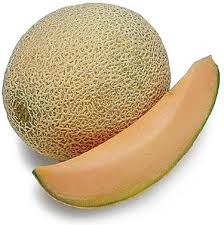
After analyzing four of the five types of Listeria implicated in last year’s deadly cantaloupe outbreak, scientists have discovered that a new outbreak strain was among those that contributed to the nearly 150 illnesses and 33 deaths caused by contaminated melons.
The researchers, an international team of government and university scientists, also compared the strains involved in the 2011 outbreak to those that had caused other outbreaks or been collected from other food facilities. By doing this, they identified two new sets of “epidemic clones” – strains isolated in different times and places that appear to have common ancestors.
Only five epidemic clones, or ECs, of Listeria had been identified prior to this study, which raises that number to seven.
Posted in Bacteria, Eurofins Laboratories, Food Hygiene, Food Illness, Food Inspections, Food Poisoning, Food Safety, Food Testing, Foodborne Illness, Hygiene, Illness, Listeria, Listeria monocytogenes, Methods, Microbiology, outbreak, Pathogen, Research
Tagged environment, food facilities, food safety news, university scientists
The majority of bean sprout-related outbreaks have been associated with Escherichia coli O157:H7 and Salmonella, and an effective method to inactivate these organisms on seeds prior to sprouting is important to avoid foodborne pathogen diseases. We have previously tested treatment with a combination of hot water and chlorine, and a high bactericidal effect without decreases in the germination ratio was observed on mung bean seeds produced in China. To evaluate the versatility of this treatment, the present study confirmed whether our disinfection treatment can be applied to mung bean seeds produced in another country (Myanmar). A more than 5.0 log CFU/g reduction of E. coli O157:H7 was achieved when the mung bean seeds were treated with hot water at 85 °C for 10–40 s, followed by soaking in a 2000 ppm chlorine solution for 2 h; the hot water treatment at 85 °C for 40 s followed by the chlorine treatment completely eliminated E. coli O157:H7 from the mung bean seeds. Additionally, a more than 5.0 log CFU/g reduction was obtained for Salmonella after the hot water treatment at 85 °C followed by the chlorine treatment. These treatments did not significantly affect the viability and germination of the mung bean seeds, and a sufficient yield for commercial uses was obtained.
Human noroviruses and hepatitis A virus (HAV) are commonly associated with outbreaks occurring in restaurant establishments and catered events. Food handlers are major contributing factors to foodborne illnesses initiated in the kitchen setting. In this study, transfer of HAV and murine norovirus (MNV-1), a human norovirus surrogate, between produce (cucumbers, strawberries, tomatoes, cantaloupes, carrots, and honeydew melons) and common kitchen utensils (graters and knives) was investigated. The extent of virus transfer to produce during utensil application, in the presence and the absence of food residue, and the impact of knife surface properties (sharp, dull, serrated) was also investigated. Transfer of MNV-1 and HAV from produce items, initially contaminated with ~5.5 log PFU, to knives and graters during application ranged from 0.9 to 5.1 log PFU. MNV-1 transfer to knives was the greatest for cucumbers, strawberries, and tomatoes, and the least for honeydew melons, while transfer of HAV to knives was greater for tomatoes and honeydew melons than strawberries, cantaloupes, and cucumbers. After preparation of a contaminated produce item, knife cross-contamination easily occurred as viruses were detected on almost all of the seven produce items successively prepared. Produce residues on utensils often resulted in less virus transfer when compared to utensils without residue accumulation. Knife surface properties did not impact virus transfer. The ease of virus transfer between produce and utensils demonstrated by the current study highlights the importance of efforts aimed toward preventing cross-contamination in the kitchen environment
Eight cases of listeria infection across Australia have found to be linked and a further three cases are under investigation, Victoria’s Department of Health said. The state’s chief health officer Rosemary Lester said consumers should discard 1kg brie and camembert cheese branded Jindi, the 1kg Wattle Valley double brie and the 1kg Wattle Valley camembert with a best before date of December 21.
Dr Lester warned consumers to check the best before date of any Jindi or Wattle Valley soft cheeses. “Consumers who have purchased a cut portion of camembert or brie from a supermarket or delicatessen who are unsure of the brand should discard it,” she said.
Two Victorians, three NSW residents and one person in Queensland, Tasmania and Western Australia have been diagnosed with the infection.
The cheeses have been voluntarily recalled as a precaution.
Posted in Bacteria, Eurofins Laboratories, Food Hygiene, Food Illness, Food Inspections, Food Poisoning, Food Safety, Food Safety Alert, Foodborne Illness, Hygiene, Illness, Listeria, Listeria monocytogenes, Microbiology, Pathogen, Recall
Tagged brie cheese, chief health officer, food, nsw residents, soft cheeses
AFSCA – French /English – Salmonella in Prepared Salad with Ham in Belgium
AFSCA – French/English – Salmonella in Salads recall Belgium
AFSCA – French/English – Salmonella in Salads recall Belgium
RASFF – Salmonella in Pork in Sweden sourced in Denmark
RASFF – Salmonella in Frozen Poultry in Spain sourced in Brazil
RASFF – Moulds in Melamakrona in Greece
RASFF – Cronobacter sakazakii in Infant Foods in the Netherlands




 FoodWorld