Archives
-
Join 341 other subscribers
KSWFoodWorld
Blog Stats
- 427,529 Views
Category Archives: escherichia coli
Research – Foodborne Pathogenic Bacteria: Prevalence and Control—Volume I
From the farm to the dining table, foodborne pathogenic bacteria can contaminate food at any stage of the food production, processing, delivery, preparation, and consumption chain, posing a critical threat to the safety of food systems worldwide [1]. Staphylococcus aureus, Escherichia coli, Salmonella, Listeria monocytogenes, Campylobacter, and Vibrio parahaemolyticus are some of the most common foodborne pathogenic bacteria, and food products contaminated by them traverse intricate global trade networks, posing many disease risks to millions of consumers annually [2]. Foodborne diseases can result from unsafe food storage, processing, preservation, and infected workers, as well as several forms of environmental contamination, including pollution in water, soil, air, infected livestock, and animal feces [3]. Some other factors that increase the incidence of foodborne diseases include the adaptation of pathogens to new environments, the formation of biofilms, the acquisition of virulence factors, and the development of antimicrobial resistance in foodborne pathogenic bacteria [4].
To enhance the safety of our food system, the first step is to know how the food system has been, and could still be, contaminated by common pathogenic bacteria, as well as other emerging and re-emerging pathogenic bacteria. On the other hand, we need to know how these bacteria could survive different storage, processing, and preservation processes in the food system. Biofilm formation and antimicrobial resistance could explain the mechanisms of bacterial survival. However, much is unknown. Once basic information is acquired, we can prevent and control the contamination of foodborne pathogenic bacteria to keep us far away from the pathogens’ attacks.
We are pleased to present this Special Issue on “Foodborne Pathogenic Bacteria: Prevalence and Control”, which contains eleven research articles and two review articles on the detection, prevalence, growth, survival and control. In addition, this Special Issue also covered topics related to rapid detection, persistence in food processing environment, antimicrobial resistance, stress adaptation, antibacterial and antibiofilm mechanisms, etc., as alternative and sustainable innovations to prevent and control the contamination of pathogenic bacteria in the food system. We present a brief overview of each contribution.
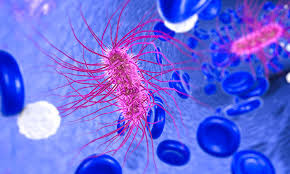
Research – Effect of Bacteriophages against Biofilms of Escherichia coli on Food Processing Surfaces
Abstract
The bacterial adhesion to food processing surfaces is a threat to human health, as these surfaces can serve as reservoirs of pathogenic bacteria. Escherichia coli is an easily biofilm-forming bacterium involved in surface contamination that can lead to the cross-contamination of food. Despite the application of disinfection protocols, contamination through food processing surfaces continues to occur. Hence, new, effective, and sustainable alternative approaches are needed. Bacteriophages (or simply phages), viruses that only infect bacteria, have proven to be effective in reducing biofilms. Here, phage phT4A was applied to prevent and reduce E. coli biofilm on plastic and stainless steel surfaces at 25 °C. The biofilm formation capacity of phage-resistant and sensitive bacteria, after treatment, was also evaluated. The inactivation effectiveness of phage phT4A was surface-dependent, showing higher inactivation on plastic surfaces. Maximum reductions in E. coli biofilm of 5.5 and 4.0 log colony-forming units (CFU)/cm2 after 6 h of incubation on plastic and stainless steel, respectively, were observed. In the prevention assays, phage prevented biofilm formation in 3.2 log CFU/cm2 after 12 h. Although the emergence of phage-resistant bacteria has been observed during phage treatment, phage-resistant bacteria had a lower biofilm formation capacity compared to phage-sensitive bacteria. Overall, the results suggest that phages may have applicability as surface disinfectants against pathogenic bacteria, but further studies are needed to validate these findings using phT4A under different environmental conditions and on different materials.
Research -Prevalence of Campylobacter spp., Salmonella spp., and Listeria monocytogenes, and Population Levels of Food Safety Indicator Microorganisms in Retail Raw Chicken Meat and Ready-To-Eat Fresh Leafy Greens Salads Sold in Greece
Abstract
The presence of microbial pathogens in foods compromises their safety resulting in foodborne illnesses, public health disorders, product recalls, and economic losses. In this work, 60 samples of chilled raw chicken meat and 40 samples of packaged ready-to-eat (RTE) fresh leafy greens salads, sold in Greek retail stores (butchers and supermarkets), were analyzed for the presence of three important foodborne pathogenic bacteria, i.e., Campylobacter spp., Salmonella spp., and Listeria monocytogenes, following the detection protocols of the International Organization for Standardization (ISO). In parallel, the total aerobic plate count (APC), Enterobacteriaceae, total coliforms, Escherichia coli, and staphylococci were also enumerated as hygiene (safety) indicator organisms. When present, representative typical colonies for each pathogen were biochemically verified, following the ISO guidelines. At the same time, all the Campylobacter isolates from chicken (n = 120) were identified to the species level and further phylogenetically discriminated through multiplex and repetitive sequence-based (rep) polymerase chain reaction (PCR) methods, respectively. Concerning raw chicken, Campylobacter spp. were recovered from 54 samples (90.0%) and Salmonella spp. were recovered from 9 samples (15.0%), while L. monocytogenes was present in 35 samples (58.3%). No Campylobacter was recovered from salads, and Salmonella was present in only one sample (2.5%), while three salads were found to be contaminated with L. monocytogenes (7.5%). The 65% of the Campylobacter chicken isolates belonged to C. jejuni, whereas the rest, 35%, belonged to C. coli. Alarmingly, APC was equal to or above 106 CFU/g in 53.3% and 95.0% of chicken and salad samples, respectively, while the populations of some of the other safety indicators were in some cases also high. In sum, this study unravels high occurrence percentages for some pathogenic and food safety indicator microorganisms in raw chicken meat and RTE fresh leafy greens salads sold in Greek retail, highlighting the need for more extensive microbiological control throughout the food production chain (from the farm/field to the market).
New Research Links Foodborne E. Coli Infections to “Hundreds of Thousands” of UTIs in U.S.
A new study suggests that Escherichia coli infection from contaminated meat products may be responsible for hundreds of thousands of urinary tract infections in the U.S. each year.
A team of scientists led by George Washington University (GWU) Milken Institute School of Public Health researchers have developed a new genomic approach for tracking the origins of E. coli infections. Using this method, the team estimated that between 480,000 and 640,000 UTIs in the United States each year may be caused by foodborne E. coli strains.
According to GWU, E. coli is the most common cause of UTIs, causing upwards of 85 percent of cases each year. Women are at greater risk of developing UTIs, which can range from simple bladder infections to life-threatening bloodstream infections. At present, only specific types of diarrhea-causing E. coli, such as E. coli O157:H7, are rigorously monitored by the U.S. Food and Drug Administration (FDA), but the new findings from GWU suggest that other strains may also pose serious health risks.
In the study, researchers collected raw chicken, turkey, and pork from major grocery store chains in Flagstaff, Arizona, and isolated E. coli from the meat samples. Simultaneously, researchers collected urine and blood E. coli isolates from patients hospitalized at the Flagstaff Medical Center for UTIs.
Posted in bacterial contamination, Contaminated water, Decontamination Microbial, E.coli, escherichia coli, food contamination, Food Micro Blog, Food Microbiology, Food Microbiology Blog, microbial contamination, Microbial growth, Microbiological Risk Assessment, Microbiology, Microbiology Investigations, Microbiology Risk
Research Imported spring onions related to the first recorded outbreak of enteroinvasive Escherichia coli in Denmark, November to December 2021
Enteroinvasive Escherichia coli (EIEC) is a Gram-negative bacteria causing diarrhoeal disease. EIEC is transmitted via the faecal–oral route, with a usual incubation period of 1–3 days; infections are frequently related to contaminated food and water [1,2]. In Denmark, disease caused by EIEC is mostly observed in returning travellers, but secondary transmission from person-to-person may occur [3]. In Europe, outbreaks of EIEC in 2012, 2014 and 2017 have been reported and, for all of these, contaminated vegetables were suspected as the source [4–6].
Clinically, EIEC infections present either with watery diarrhoea or dysentery. EIEC invade the epithelial cells of the large intestine in the same manner as Shigella and symptoms resulting from EIEC infection are clinically indistinguishable from shigellosis [7]. Studies have shown that E. coli and Shigella species have high genomic and phenotypic similarity, leading to propose that Shigella species should be reclassified as a subspecies of E. coli [8,9].
Diagnostics of EIEC in Denmark are done locally through 10 different clinical microbiology laboratories situated at hospitals in the five Danish regions. The criteria for carrying out an EIEC diagnostic vary. Some laboratories test all faecal samples for diarrhoeagenic E. coli including EIEC, while others test only faecal samples from suspected patients, based on their age, travel history and presence of bloody diarrhoea. The PCR diagnostic assays target the invasive plasmid gene (IpaH) shared by both Shigella spp. and EIEC [10]. Culture is required to differentiate the two species, and if culture is not possible or unsuccessful, faecal specimens are considered positive for the combination Shigella/EIEC. Detection of Shigella/EIEC is voluntarily notified as part of the Danish laboratory surveillance, where episodes are irregularly reported by the clinical microbiology laboratories to Statens Serum Institut (SSI), the national public health institute. All isolates from successfully cultured samples are furthermore routinely sent on a voluntary basis to SSI for further characterisation.
Outbreak detectionOn 10 December 2021, the clinical microbiology laboratory at Slagelse hospital in Region Zealand reported observing an increase between 5 and 8 December of patients diagnosed with domestically-acquired EIEC. During this period, this laboratory had detected a total of five such patients. On the same day (10 December), SSI identified one EIEC isolate with serotype O96:H- and three with serotype O136:H7 (two of which originated from Slagelse hospital), the latter a type never found in human samples from Denmark before. In total, between 6 and 10 December, SSI had received six EIEC isolates from three different regions of Denmark, exceeding the total number of EIEC isolates that were received in the months of December of the 2 previous years. A national outbreak was therefore declared on 13 December.
Posted in Decontamination Microbial, E.coli, EIEC, escherichia coli, food bourne outbreak, Food Illness, Food Micro Blog, Food Microbiology, Food Microbiology Blog, Food Microbiology Research, Food Microbiology Testing, Foodborne Illness, foodborne outbreak, foodbourne outbreak, Illness, microbial contamination, Microbial growth, Microbiological Risk Assessment, Microbiology, Microbiology Investigations, Microbiology Risk, outbreak
Luxembourg – TOSCANA BEEF MINCE FROM THE CACTUS BRAND – E.coli
Cactus is recalling the following product in Luxembourg:

| Name | Minced beef Toscana |
| Brand | Cactus |
| Unit | about 400g |
| Use-by date (DLC) | 03/23/2023 |
| Batch | 17.03.23-01 |
Danger: Potential presence of E. coli bacteria
Escherichia coli can cause food poisoning which can occur within a week after consumption and result in gastrointestinal disorders often accompanied by cramps. These symptoms may be aggravated in young children, immunocompromised subjects and the elderly. People who have consumed these products and have these symptoms are invited to consult a doctor and report this consumption to him.
Sale confirmed in Luxembourg by: Cactus
Information Source: Cactus Recall Notification
Posted in E.coli, escherichia coli, food contamination, food handler, Food Hazard, Food Hygiene, Food Inspections, Food Micro Blog, Food Microbiology, Food Microbiology Blog, Food Microbiology Testing, Food Pathogen, Food Poisoning, Food Quality, food recall, Food Safety, Food Safety Alert, Food Safety Management, Food Safety Regulations, Food Testing
Research – A Systematic Quantitative Determination of the Antimicrobial Efficacy of Grape Seed Extract against Foodborne Bacterial Pathogens
Abstract
Concerns regarding the role of antimicrobial resistance (AMR) in disease outbreaks are growing due to the excessive use of antibiotics. Moreover, consumers are demanding food products that are minimally processed and produced in a sustainable way, without the use of chemical preservatives or antibiotics. Grape seed extract (GSE) is isolated from wine industry waste and is an interesting source of natural antimicrobials, especially when aiming to increase sustainable processing. The aim of this study was to obtain a systematic understanding of the microbial inactivation efficacy/potential of GSE against Listeria monocytogenes (Gram-positive), Escherichia coli and Salmonella Typhimurium (Gram-negative) in an in vitro model system. More specifically, for L. monocytogenes, the effects of the initial inoculum concentration, bacterial growth phase and absence of the environmental stress response regulon (SigB) on the GSE microbial inactivation potential were investigated. In general, GSE was found to be highly effective at inactivating L. monocytogenes, with higher inactivation achieved for higher GSE concentrations and lower initial inoculum levels. Generally, stationary phase cells were more resistant/tolerant to GSE as compared to exponential phase cells (for the same inoculum level). Additionally, SigB appears to play an important role in the resistance of L. monocytogenes to GSE. The Gram-negative bacteria under study (E. coli and S. Typhimurium) were less susceptible to GSE as compared to L. monocytogenes. Our findings provide a quantitative and mechanistic understanding of the impact of GSE on the microbial dynamics of foodborne pathogens, assisting in the more systematic design of natural antimicrobial-based strategies for sustainable food safety.
Posted in Antimicrobials, Decontamination Microbial, escherichia coli, Food Micro Blog, Food Microbiology, Food Microbiology Blog, Food Microbiology Research, Food Microbiology Testing, Food Safety, Food Safety Management, Food Safety Regulations, food safety training, Listeria, Listeria monocytogenes, microbial contamination, Microbial growth, Microbiological Risk Assessment, Microbiology, Microbiology Investigations, Microbiology Risk, Salmonella
Research – Inactivation of Escherichia coli in an Orange Juice Beverage by Combined Ultrasonic and Microwave Treatment
Abstract
The inactivation of Escherichia coli is one of the major issues in the food industry. The present study focuses on the application of a combined microwave-ultrasound system for the optimization of the inactivation of Escherichia coli ATCC 25922 in an orange juice drink. Using response surface methodology (RSM), trials were planned with a Box–Behnken Design (BBD) to maximize the impact of microwave power (A: 300–900 W), microwave treatment time (B: 15–35 s), and time of ultrasound (C: 10–30 min) on E. coli inactivation. Analysis of variance (ANOVA) was carried out and E. coli inactivation was expressed with a mathematical equation depending on the factors. The results showed that both the microwave treatment time and the time of ultrasound were effective as independent variables in eliminating the E. coli strain. However, the effect of these two variables, ultrasound and microwave exposure time, in combination was significantly greater than when examined separately. RSM modeling determined that optimal treatment conditions include 900 W microwave power, 33 s microwave treatment time, and 20 min time of ultrasound to achieve an 8-log reduction of E. coli, constituting total inactivation. The results of this study showed that ultrasound-microwave treatment is a potential alternative processing method for an orange juice beverage.
Research – Pseudomonas fluorescens and Escherichia coli in Fresh Mozzarella Cheese: Effect of Cellobiose Oxidase on Microbiological Stability during Refrigerated Shelf Life
Abstract
Background: Mozzarella cheese possesses a high moisture content (50–60%) and a relatively high pH (around 5.5) and is therefore considered a perishable food product characterized by high quality deterioration and the potential risk of microbial contamination. Moreover, it can be spoiled by Pseudomonas spp. and coliform bacteria, which may be involved in different negative phenomena, such as proteolysis, discolorations, pigmentation, and off-flavors. To prevent these, different methods were investigated. In this context, the present study aims to assess the antimicrobial effect of cellobiose oxidase on Pseudomonas fluorescens (5026) and Escherichia coli (k88, k99) in mozzarella cheese during refrigerated shelf life. Methods: microbiological challenge tests were designed by contaminating the mozzarella covering liquid containing different cellobiose oxidase concentrations with P. fluorescens (5026) and E. coli (k88, k99). The behavior of these microorganisms and the variation of hydrogen peroxide concentrations were then tested under refrigerated conditions for 20 days to simulate the mozzarella cheese shelf life. Results and Conclusions: The data obtained demonstrated the effect of cellobiose oxidase on microbial growth. In particular, E. coli (k88, k99) was inhibited over the entire shelf life, while P. fluorescens (5026) was only partially affected after a few days of refrigerated storage.
Posted in Decontamination Microbial, escherichia coli, Food Micro Blog, Food Microbiology, Food Microbiology Blog, Food Microbiology Research, Food Microbiology Testing, microbial contamination, Microbial growth, Microbiological Risk Assessment, Microbiology, Microbiology Investigations, Microbiology Risk, Pseudomonas, Pseudomonas fluorescens
Australia – The Yoghurt Shop Caramel Crumble Yoghurt 190g – E.coli
Product information
Purely Natural Yoghurt is conducting a recall of the below product. The product has been available for sale at Coles in SA and NT; IGA in SA and NT; and OTR (On The Run) locations in SA.
Date markings
Best Before date – BB: 23/01/23

Problem
The recall is due to microbial (E.coli) contamination.
Food safety hazard
Food products contaminated with E.coli may cause illness if consumed.
Country of origin
Australia
What to do
Consumers should not eat this product and should return the product to the place of purchase for a full refund. Any consumers concerned about their health should seek medical advice.
For further information please contact:
Purely Natural Yoghurt
(08) 7081 0711
Related links:

