High count of Enterobacteriaceae in dog chews from China in Sweden
Too high count of Enterobacteriaceae in dog chews from Turkey in Germany
Enterobacteriaceae in dog chews from Turkey in Germany

High count of Enterobacteriaceae in dog chews from China in Sweden
Too high count of Enterobacteriaceae in dog chews from Turkey in Germany
Enterobacteriaceae in dog chews from Turkey in Germany
Posted in Animal Feed, Animal Feed Salmonella, Animal Feed Testing, Decontamination Microbial, Enterobacteriaceae, Food Micro Blog, Food Microbiology Blog, microbial contamination, Microbial growth, Microbiological Risk Assessment, Microbiology, Microbiology Investigations, Microbiology Risk, Pet Food, Pet Food Enterobacteriaceae, Pet Food Testing
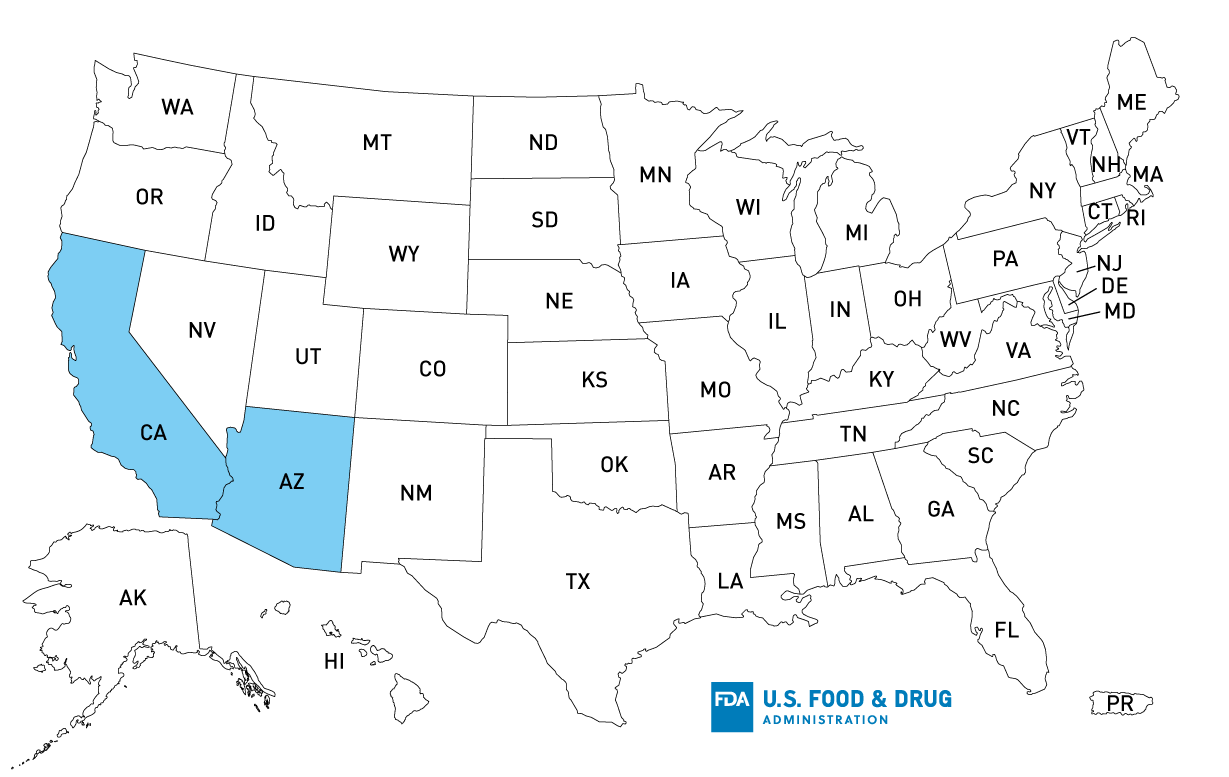
The FDA, along with CDC and state and local partners, is investigating a multistate outbreak of Salmonella Litchfield infections linked to fresh, raw salmon supplied to restaurants in California and Arizona by Mariscos Bahia, Inc.
Based on epidemiologic information provided by CDC and interviews conducted by state and local public health officials, of 16 people interviewed, 12 reported eating sushi, sashimi, or poke. Of those interviewed, 11 people remembered details about the type of fish consumed and 9 report eating raw salmon before getting sick. The FDA’s investigation traced the distribution of fresh, raw salmon back to Mariscos Bahia, Inc.
In addition, the FDA collected an environmental sample that included multiple swabs at Mariscos Bahia, Inc. (Pico Rivera, CA). Multiple environmental swabs collected at the facility are positive for Salmonella and subsequent Whole Genome Sequencing (WGS) analysis is ongoing. The WGS completed to date indicates the Salmonella detected in at least one of the swabs from the facility matches the outbreak strain. While epidemiological evidence indicates that ill people consumed fresh, raw salmon processed at this firm, the presence of Salmonella in the processing environment indicates that additional types of fish processed in the same area of the facility could also be contaminated which includes fresh, raw halibut, Chilean seabass, tuna, and swordfish. Salmon, halibut, Chilean seabass, tuna, and swordfish processed in Marisco Bahia Inc.’s Pico Rivera, CA, facility could have also been sent to the Mariscos Bahia, Inc. facilities in Phoenix, AZ and then sent to restaurants.
The firm is cooperating with the FDA investigation and has agreed to initiate a voluntary recall. As a part of the firm’s voluntary recall, the firm will contact its direct customers who received recalled product.
The FDA’s investigation is ongoing. Updates to this advisory will be provided as they become available.
According to Mariscos Bahia, Inc., seafood was only sold directly to restaurants in California and Arizona and would not be available for purchase by consumers in stores.
Restaurants should check with their suppliers and not sell or serve salmon, halibut, Chilean seabass, tuna, and swordfish received fresh, not frozen from Mariscos Bahia, Inc. (Pico Rivera, CA and Phoenix, AZ) on or after June 14, 2022. If restaurants received these fish and then froze it, they should not sell or serve it. Restaurants should also be sure to wash and sanitize locations where these fish from Mariscos Bahia, Inc. were stored or prepared.
Consumers eating salmon, halibut, Chilean seabass, tuna, and swordfish at a restaurant in California or Arizona should ask whether the fish is from Mariscos Bahia, Inc and was received fresh, not frozen.

Total Illnesses: 33
Hospitalizations: 13
Deaths: 0
Last illness onset: September 18, 2022
States with Cases: AZ (11), CA (21), IL (1)
Product Distribution*: AZ, CA
*Distribution has been confirmed for states listed, but product could have been distributed further, reaching additional states
Posted in CDC, Decontamination Microbial, food bourne outbreak, Food Illness, Food Micro Blog, Food Microbiology, Food Microbiology Blog, Food Microbiology Research, Food Microbiology Testing, Foodborne Illness, foodborne outbreak, foodbourne outbreak, Illness, microbial contamination, Microbial growth, Microbiological Risk Assessment, Microbiology, Microbiology Investigations, Microbiology Risk, outbreak, Salmonella, WGS
Posted in Cyclospora, Cyclosporiasis, Decontamination Microbial, E.coli O121, E.coli O157, E.coli O157:H7, FDA, Food Micro Blog, Food Microbiology, Food Microbiology Blog, Food Microbiology Testing, microbial contamination, Microbial growth, Microbiological Risk Assessment, Microbiology, Microbiology Investigations, Microbiology Risk, Salmonella
Iceland is recalling Iceland Ready Cooked Diced Chicken Breast because some packs may contain uncooked chicken. The possible presence of raw, uncooked chicken makes this product unsafe to eat.
| Iceland Ready Cooked Diced Chicken Breast | |
|---|---|
| Pack size | 800g |
| Best before | 17 June 2023 |
The possible presence of raw, uncooked chicken in the above product makes it unsafe to eat.
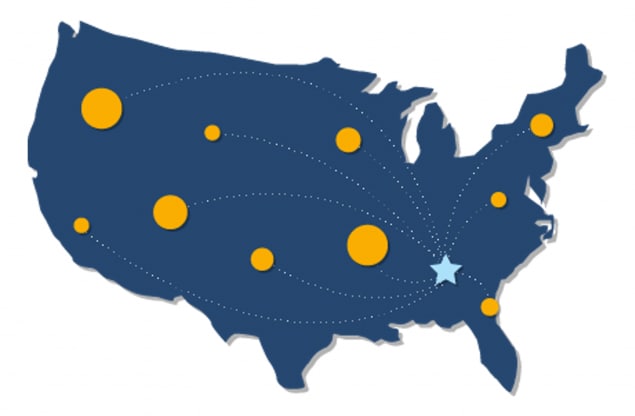
When a foodborne outbreak is detected, public health and regulatory officials work quickly to collect as much information as possible to find out what is making people sick.
Where and when did people get sick? Has the same germ caused outbreaks before? If it has, what made people sick in those outbreaks?

What foods did people eat before they got sick?

What restaurants, grocery stores, or events did sick people go to?

Is there a common point in the distribution chain where the food could have gotten contaminated?

Is there anything about the food production facilities, farms, or restaurants that made germs likely to spread?

Is the germ causing the outbreak also found in a food item or in the food production environment?

Do the germs found in the food or food production environment have the same DNA fingerprints as germs found in sick people?
Outbreak investigators take actions to protect the public when there is clear and convincing information showing that people got sick from the same contaminated food.

Health officials warn the public
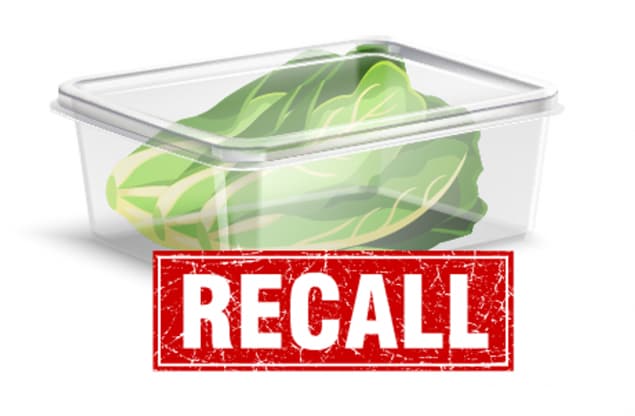
Companies recall contaminated products

Restaurants or food production facilities close temporarily

Investigators don’t solve every outbreak. Sometimes outbreaks end before enough information is gathered to identify the contaminated food. Outbreak investigators are constantly developing new ways to investigate and solve outbreaks faster.
Posted in Decontamination Microbial, food bourne outbreak, Food Micro Blog, Food Microbiology, Food Microbiology Blog, Food Microbiology Research, Food Microbiology Testing, foodborne outbreak, foodbourne outbreak, microbial contamination, Microbial growth, Microbiological Risk Assessment, Microbiology, Microbiology Investigations, Microbiology Risk, outbreak
The U.S. Department of Agriculture’s (USDA) Food Safety and Inspection Service (FSIS) today released a proposed regulatory framework for a new strategy to control Salmonella contamination in poultry products and reduce foodborne illnesses attributed to these products. The agency is hosting a virtual public meeting on Nov. 3, 2022, to seek input from stakeholders on the proposed framework.
The Centers for Disease Control and Prevention (CDC) estimates that Salmonella bacteria cause approximately 1.35 million human infections and 26,500 hospitalizations in the United States every year. Of those infections, over 23% are attributed to poultry consumption. Foodborne illness can have a devastating impact, both personally and financially, on people’s lives, the cost of which reverberates through the economy. Data from USDA’s Economic Research Service (ERS) show the total cost for foodborne Salmonella infections in the United States is a staggering $4.1 billion annually and the cost for the loss of productivity to the economy $88 million. These are real costs to real people that can and should be prevented.
“We know that Salmonella in poultry is a complex problem with no single solution,” said USDA Deputy Under Secretary Sandra Eskin. “However, we have identified a series of strategic actions FSIS could take that are likely to drive down Salmonella infections linked to poultry products consumption, and we are presenting those in this proposed framework.”
“This is a historic first step toward final product standards that are science-based, risk-based, enforceable, and effective at protecting our vulnerable loved ones,” said Amanda Craten, board member of STOP Foodborne Illness. “As a parent of a child who suffered from Salmonella illness and is left with permanent injury, I have advocated and engaged in the process to modernize poultry standards to ensure no child has to experience the devastation of a preventable, virulent Salmonella illness. I’m thankful that USDA is making the prevention of illnesses like my son Noah’s a priority.”
The proposed framework has been shaped by months of information-gathering and discussions with a wide range of stakeholders, researchers, and scientists. The proposed framework consists of three key components that, together, support a comprehensive approach to controlling Salmonella in poultry.
The framework under consideration also addresses cross-cutting issues of testing for Salmonella, the impact on small and very small establishments and data sharing.
Dr. Craig Hedberg, a professor at University of Minnesota School of Public Health and Co-Director of the Minnesota Integrated Food Safety Center of Excellence, agrees that this framework “is an important step towards moving away from hazard-based regulation toward risk-based regulation. Focusing on levels of Salmonella and highly virulent strains of Salmonella rather than just the presence or absence of Salmonella should reduce the number of illnesses associated with poultry.”
Dr. Angie Siemens, Vice President for Food Safety, Quality and Regulatory at Cargill, said, “In alignment with our strong commitment to food safety, Cargill supports the need to develop a public health risked based approach to assist in meeting the Healthy People 2030 Salmonella targets. We look forward to reviewing the FSIS Salmonella framework and engaging in a robust dialogue on this issue.”
FSIS is soliciting input on all aspects of the draft framework, related to the three components as well as the cross-cutting issues. An online copy of the proposed framework is available at: https://www.fsis.usda.gov/inspection/inspection-programs/inspection-poultry-products/reducing-salmonella-poultry/proposed.
Posted in Decontamination Microbial, Food Micro Blog, Food Microbiology, Food Microbiology Blog, Food Microbiology Testing, Food Safety, Food Safety Alert, Food Safety Management, food safety training, microbial contamination, Microbial growth, Microbiological Risk Assessment, Microbiology, Microbiology Investigations, Microbiology Risk, Salmonella, Salmonella in Chicken
This study is aimed to identify the effects of atmospheric and low-pressure plasma on milk individually and in combination, as the plasma generated and applied at different conditions have variations in the effect on food. Plasma bubbling unit (200 V and 0.24 A) was used for atmospheric plasma and Dielectric Barrier Discharge discharge plasma (70 Pa) with milk passing between the electrodes was used for low-pressure plasma. After treatment, the initial coliform load of 7.62 log CFU/ml was decreased by a maximum of 1.26, 1.58, and 2.2 log reduction, when milk was treated using low-pressure plasma (2 kV and 3 ml/min milk flow rate), plasma bubbling (10 min) and combination of both atmospheric bubbling and low-pressure plasma application (10 min bubbling +2 kV and 3 ml/min milk flow rate) respectively. The conductivity (significantly increased) and pH (slight reduction) of milk supported the presence of reactive species. However, alkaline phosphatase activity was not eliminated in plasma-treated milk; the initial activity in terms of mg phenols/ml of milk was 23.20 which was reduced to 22.57 in low-pressure plasma and 22.35 in plasma bubbling, however, it increased while both the treatments were combined. The sodium dodecyl sulfate–polyacrylamide gel electrophoresis analysis uncovered that the plasma processing didn’t have any prominent impact on the protein fractions in milk. Though plasma bubbling was effective compared to low-pressure plasma, the combination was proved to have a synergistic effect on milk. However, the enzyme structure needs to be studied in the future for analyzing the exact change in the activity.
Posted in Cold Plasma, Decontamination Microbial, Food Micro Blog, Food Microbiology, Food Microbiology Blog, Food Microbiology Research, Food Microbiology Testing, microbial contamination, Microbial growth, Microbiological Risk Assessment, Microbiology, Microbiology Investigations, Microbiology Risk
Dutch authorities have stressed the need to keep a focus on Salmonella despite restrictions because of avian flu outbreaks.
Avian influenza, also known as bird flu, is causing a lot of concern among companies and within the poultry farming sector.
Efforts are being made to prevent further infections by taking steps such as limiting visitors in the yard and in stables as much as possible.
Posted in Decontamination Microbial, Food Micro Blog, Food Microbiology, Food Microbiology Blog, Food Microbiology Research, Food Microbiology Testing, microbial contamination, Microbial growth, Microbiological Risk Assessment, Microbiology, Microbiology Investigations, Microbiology Risk, Salmonella, Salmonella in Chicken

Major problems remain in the Polish control system for beef and poultry meat, according to the European Commission’s health and safety agency.
A remote DG Sante audit, in October 2021 in Poland, followed-up two audits in 2019 on beef and poultry meat and made nine recommendations.
In 2019, a Polish television broadcast showed practices in a bovine slaughterhouse that pointed to violations of EU animal welfare law and, possibly, of food safety legislation.
DG Sante said several actions to address findings made after the beef and poultry audits have been implemented. However, other shortcomings have not been solved by Polish authorities.
Posted in Decontamination Microbial, Food Micro Blog, Food Microbiology, Food Microbiology Blog, Food Microbiology Research, Food Microbiology Testing, microbial contamination, Microbial growth, Microbiological Risk Assessment, Microbiology, Microbiology Investigations, Microbiology Risk, Salmonella, Salmonella in Chicken
Small perforations in the cans means that there is a risk of microbiological contamination of the contents and fermentation in the cans.
Recalled Foods , Published: October 14, 2022
Which food:
REMA1000 Kidney Beans in brine, 420g
Lot no: LU052../ LU053../ LU054../ LU055..
Best-before date: 30.11.2025
EAN barcode: 5705830004307
REMA1000 Kidney Beans in Chilli Sauce, 420g
Lot no: LU080../ LU081..
Best-before date: 30.11.2025
EAN barcode: 5705830004321
REMA1000 White Beans in Tomato Sauce, 420g
Lot no: LU089…/ LU090…/ LU091…/ LU159….
Best-before date: 30.11.2025
EAN barcode: 5705830004314
Sold in:
REMA1000 stores throughout the country
Company that is recalling:
REMA Distribution A/S
Reason:
An error occurred during the packaging of the products, which means that the cans may be perforated and thus contaminated. The products are therefore unsuitable as food.
Risk:
The small perforations in the cans create a risk that fermentation may occur in the products and that the contents of the cans may be exposed to microbiological contamination with e.g. bacteria. The perforation can also mean that the products can develop a different smell.
Advice to consumers:
The Danish Food and Food Administration advises consumers to return the products to the store where they were bought, or to discard them.
Posted in bacterial contamination, cross contamination, Decontamination Microbial, food contamination, food handler, Food Hazard, Food Hygiene, Food Inspections, Food Micro Blog, Food Microbiology, Food Microbiology Blog, Food Microbiology Research, Food Microbiology Testing, food recall, Food Safety, Food Safety Alert, Food Safety Management, Food Spoilage, Food Testing, microbial contamination, Microbial growth, Microbiological Risk Assessment, Microbiology, Microbiology Investigations, Microbiology Risk

 FoodWorld