Oysters harvested in Texas are making dozens of people sick to their stomach in Texas and as far as Florida and Louisiana. Health departments and Publix are warning the public. The Texas Department of State Health Services recalled oysters, both in shell and shucked, that were harvested in the southeastern Galveston Bay area from Nov. 17 through Dec. 7. It has caused a few dozen cases of gastrointestinal illness in Texas, Florida and Louisiana among those who’ve eaten them. Symptoms include fever, nausea, diarrhea, vomiting, abdominal cramps, chills and headache. There have been no reports of hospitalization.
The Texas Department of State Health Services has ordered a recall of all oysters harvested in the TX 1 area of south eastern Galveston Bay after reports of a few dozen cases of gastrointestinal illness among people who ate oysters from those waters. The recall includes oysters in the shell and shucked oysters harvested in the area from Nov. 17 through Dec. 7.
Consumers who purchased Texas oysters since Nov. 17 should check the packaging to see if they were harvested in TX 1. If the oysters were unpackaged, they should contact the seller to find the source. Restaurants should contact their distributor for information on the source of their oysters. Any oysters from TX 1 should be discarded.
A Salmonella outbreak initially reported in Norway has grown and now is also affecting Sweden.
The Norwegian Institute of Public Health (FHI) said 58 people are sick in the Salmonella Agona outbreak and 23 had been hospitalized. This is up from 31 sick and 13 hospitalizations.
In Sweden, 26 people have been affected, according to the Public Health Agency of Sweden (Folkhälsomyndigheten).
An investigation to find the source is ongoing with FHI, local officials, the Norwegian Food Safety Authority (Mattilsynet), and the Veterinary Institute. The cause is believed to be an imported food product distributed across the country and also in Sweden.
36 out of 100 residents at the Dror sheltered housing community in Ra’anana are experiencing symptoms of food poisoning (three with an added fever), according to a Friday morning statement from the Israeli Health Ministry.
The Dror housing community serves adults facing severe mental illness who are regaining independence after discharge from psychiatric hospitalization.
The FDA, along with CDC and state and local partners, investigated a multistate outbreak of Listeria monocytogenes infections linked to Brie and Camembert soft cheese products, including baked Brie cheeses, manufactured by Old Europe Cheese, Inc. of Benton Harbor, MI, and sold at various retailers under multiple labels and brands.
As of December 9, 2022, CDC announced that the outbreak is over with a total of six illnesses in six states.
On September 30, 2022, Old Europe Cheese, Inc. voluntarily recalled multiple brands of Brie and Camembert cheeses produced at their Michigan facility and on October 5, 2022 expanded their recall to include multiple brands of baked Brie products. On November 4, 2022, the firm’s recall notification was updated to include an expanded list of retail establishments that received recalled bulk Brie and Camembert cheese from Old Europe Cheese, Inc. The list of recalled products and stores that potentially sold these products is available below and on the firm’s recall.
Recommendation
Recalled products are no longer available for sale, but the recalled baked Brie products may have been sold frozen or purchased and later frozen by consumers, so consumers should check their freezers for any recalled Old Europe Cheese, Inc. products, including baked brie, with Best By Dates ranging from September 28, 2022, to December 14, 2022. If you have recalled frozen Old Europe Cheese products in your freezer, do not eat or serve them and throw them away.
Follow FDA’s safe handling and cleaning advice and use extra vigilance in cleaning and sanitizing any surfaces and containers that may have come in contact with these products to reduce the risk of cross-contamination, including retailers who repackaged bulk recalled cheese. Listeria can survive in refrigerated temperatures and can easily spread to other foods and surfaces.
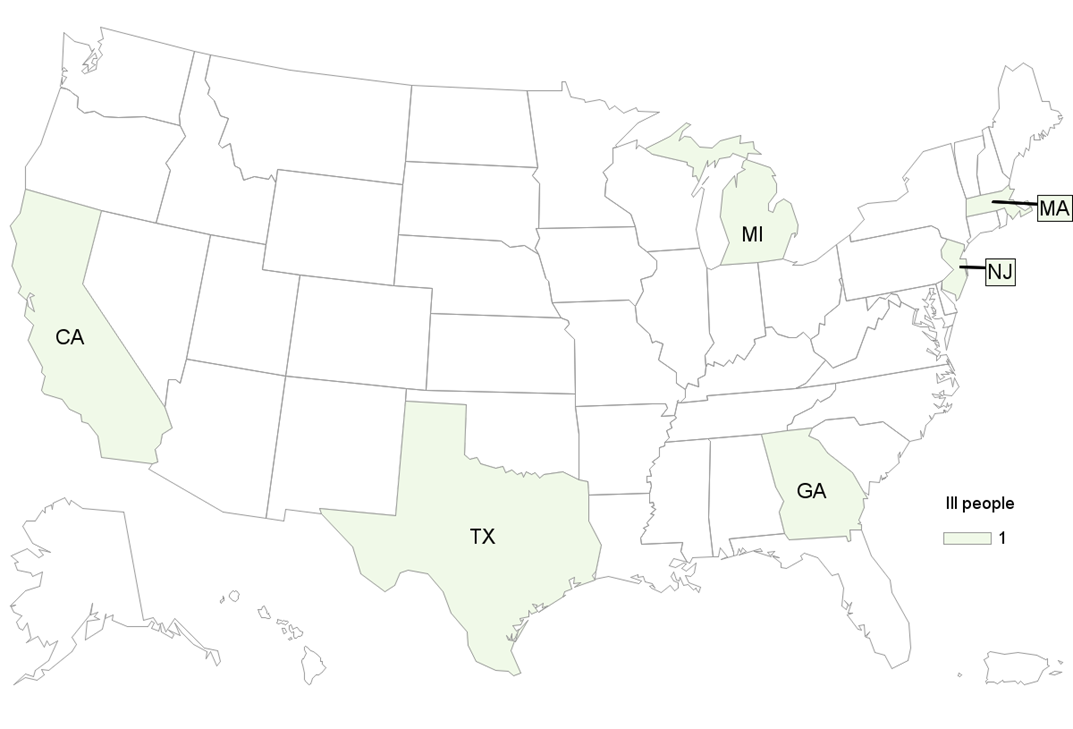
Case Count Map Provided by CDC
Case Counts
Total Illnesses: 6 Hospitalizations: 5 Deaths: 0 Last illness onset: August 5, 2022 States with Cases: CA, GA, MA, MI, NJ, TX Product Distribution: Nationwide
Potential for cross-contamination with Cronobacter sakazakii
Company Name:
ByHeart
Brand Name:
ByHeart
Product Description:
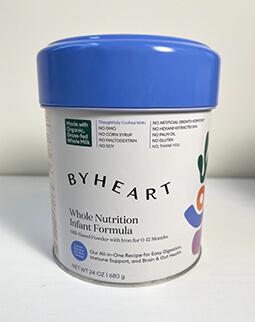
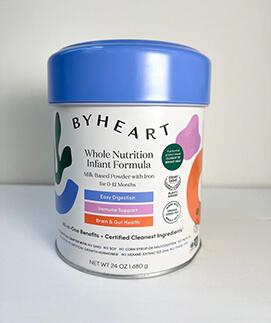
Whole Nutrition Infant Formula, Milk Based Powder with Iron for 0-12months
Company Announcement
None of the distributed ByHeart product has tested positive for any contaminants
No consumer complaints received, to date, that would indicate any illness
Recall is not related to ByHeart’s own manufacturing facility in Reading, PA in any way; facility continues to run 24/7; re-stock expected in January
ByHeartExternal Link Disclaimer, a next-generation baby nutrition company, announced today that, out of an abundance of caution, it has chosen to voluntarily recall five batches of ByHeart Whole Nutrition Infant Formula due to the potential for cross-contamination with Cronobacter sakazakii. No distributed ByHeart product has tested positive for the bacteria.
The product being recalled is ByHeart Whole Nutrition Infant Formula, Milk Based Powder with Iron for 0-12 Months in 24 oz containers. The formula under voluntary recall was distributed directly to consumers in the U.S. and can be identified by the number on the bottom of the can. Recalled product batches are 22273 C1, 22276 C1, 22277 C1, 22278 C1, and 22280 C1 printed with use by 01 JAN 24 or 01JUL 24.
Cronobacter bacteria can cause severe, life-threatening infections (sepsis) or meningitis (an inflammation of the membranes that protect the brain and spine). Symptoms of sepsis and meningitis may include poor feeding, irritability, temperature changes, jaundice (yellow skin and whites of the eyes), grunting breaths and abnormal movements. Cronobacter infection may also cause bowel damage and may spread through the blood to other parts of the body.
It is important to note that this recall is not related to ByHeart’s own manufacturing in any way. In addition, the company has not received any consumer complaints that would indicate any illness, to date; illness complaints are an early detection of safety concerns. If a baby has already consumed all of the formula, there is no reason for concern, and no additional action is needed. If parents have any questions, they should consult with their pediatrician.
ByHeart owns its entire manufacturing supply chain with the exception of final canning, which is conducted by a reputable third-party packager. ByHeart is taking this precautionary measure because one test sample collected from the third-party packaging facility tested positive for Cronobacter sakazakii. All product packaged that day, and the first production on the next day, was isolated for destruction and not distributed. Out of an abundance of caution, we are now recalling all product produced during the entire production run.
As a company committed to parents, ByHeart holds itself to the highest standards when it comes to safety and applauds the FDA’s efforts to oversee the safe manufacturing of infant formula. Parents can remain confident in the safety of ByHeart’s products as the company continues to expand its investments in infant formula innovation, clinical studies, and industry-leading quality standards. ByHeart’s manufacturing facility in Reading, PA, continues to operate 24/7, and the company is committed to providing customers formula in January.
What ByHeart Customers Should Do
Customers who purchased ByHeart product should check the bottom of the can and dispose of product from batches 22273 C1, 22276 C1, 22277 C1, 22278 C1, and 22280 C1. ByHeart is setting up a webpage at https://byheart.com/noticesExternal Link Disclaimer with additional information about its measures. Should customers have any other questions or want to find out if the product they have is included in the voluntary recall, please email notices@byheart.com or text ByHeart at 1-909-506-2354. The company will also be reaching out directly to all customers via email who purchased orders from these identified batches.
ByHeart knows that formula is critical to a baby’s health and growth and wants to make sure that all customers have what they need to keep their baby fed and healthy, no matter what brand of formula they use. While ByHeart works 24/7 to meet the demand for formula, the fastest way the company can replace the formula customers purchased is to cover the cost of two cans of alternate formula. Additionally, affected customers will receive two cans of their next order of ByHeart Whole Nutrition Formula for free.
If your infant is experiencing symptoms related to Cronobacter infection, contact your health care provider to report their symptoms and receive immediate care. To report an illness or adverse event, you can
The Food Safety Information Council today released their food safety tips for Christmas and Summer entertaining especially warning about the risk of raw or minimally cooked foods.
Cathy Moir, Council Chair, said that we are all looking forward this Summer to getting together with multi-generations of family and friends which will include those most at risk if they get food poisoning: the elderly, pregnant, and people with poor immune systems.
‘With an estimated 4.67 million cases of food poisoning a year in Australia we all want to keep our family and friends safe, which we can do by following some simple tips.
‘Firstly, cook your meat and poultry to a safe temperature. Our recent consumer survey found that 4% surveyed said they had eaten rare meat or offal with 0.2% eating raw meat or offal in the last six months. This is a risk for food poisoning, including parasitic infections such as toxoplasmosis. You can protect your guests by using a digital meat thermometer and cook your foods safely to these temperatures measured in the centre of the food:
All poultry including turkey (whole cuts, roast or mince) should be cooked to at least 75°C.
Beef, lamb, kangaroo in whole cuts like chops, steaks, pieces and roasts at least 63°C (medium rare) and leave to rest 3 to 5 minutes.
Pork whole cuts and pieces to 70°C and roasts to between 70°C and 75°C and leave to rest 3 to 5 minutes.
Beef, lamb, kangaroo, or pork that have been made into sausages, hamburgers or mince as well as rolled roasts, liver and other offal 75°C
Fish fillets should be cooked to around 63°C or when flesh flakes easily
‘Eggs and egg dishes such as quiche, can also be a food safety risk and should be cooked to 72°C in the centre (or until the white is firm and the yolk thickens). Raw eggs in eggnog and health shakes, raw egg mayonnaise and aioli, or fancy desserts made with raw eggs like tiramisu are a real risk for food poisoning.
‘Don’t forget to wash your hands with soap and water before preparing and cooking food, and after handling shell eggs, seafood, raw meat and poultry, burgers and sausages.
‘Here are some more key Christmas and Summer entertaining food safety tips which may also help reduce the cost of food and waste less:
Don’t strain your fridge: Plan ahead and don’t buy more food than you need. It’s vital that you don’t overstock your fridge and freezer, as this won’t allow the cool air to circulate freely and food cannot be adequately frozen or chilled. Less food will also help to reduce food waste.
Make space: Prevent overstocking by making room in your fridge for perishable foods by removing alcohol and soft drinks and put them on ice in a container or laundry sink. This also stops guests opening the fridge so often and helps to maintain the temperature at 5°C or below. Use a fridge thermometer to check the fridge temperature.
Bird or bits? Think about getting a turkey breast that is simpler to cook, rather than a whole turkey. If you do need a whole turkey ask your supermarket if they sell them fresh rather than frozen. Otherwise it must be covered and defrosted in your fridge which can take several days and also increases the risk of potentially contaminating ready to eat foods stored in the fridge.
Christmas ham won’t last forever – check the storage instructions and best before or use by date before removing the ham from its plastic wrap. Cover it with a clean cloth soaked in water and vinegar, keep the cloth moist so it doesn’t dry out, and store it in the fridge at or below 5°C. It is important to remember that the use by date on the original packaging won’t apply after the packaging has been removed, so check the fine print on the label for the suggested shelf life after opening (or ask your butcher if it us unpackaged). Reduced salt hams are now becoming popular but will not last as long as conventional hams so think how much you are going to use in the next week or so and freeze the rest for later.
Phased roll-out: Don’t leave perishable chilled foods out in the heat of Summer for more than an hour. These foods include cold meats, soft cheeses like Camembert and Brie, cold poultry, cooked seafood like prawns and smoked salmon, pâtés, sushi and salads. Put out small amounts and replace them (do not top them up) from the fridge.
Get it cold, quick. Refrigerate leftovers as soon as possible. If perishable foods and leftovers have been left out of the fridge for less than two hours they should be okay to refrigerate or freeze to eat later, so long as they haven’t been sitting out on a hot day. Never eat perishable food that has been unrefrigerated for more than four hours as it may not be safe and should be thrown away. Food should not be refrigerated if it has been outside in the heat for more than an hour and discarded after it has been outside for more than 2 hours.
Meat spoilage caused by temperature abuse is a major problem for producers, retailers, and consumers that can generate large economic losses to industries. Microbial growth of Pseudomonas spp. is the main source of spoilage during storage. Cinnamon has antimicrobial properties that may potentially be used to reduce the spoilage caused by Pseudomonas. The objectives of this study were to determine the inhibitory effect of cinnamon extract (CE) against Pseudomonas aeruginosa (ATCC 27853) and evaluate the treatment of CE on meat quality during different storage temperatures (5 °C, 10 °C, 15 °C, and 25 °C). The anti-Pseudomonas result showed that 100% (w/v) CE concentration produced a 13.50 mm zone of inhibition in a disc diffusion assay. The minimum inhibitor concentration (MIC) of CE was noted at 25% (v/v), whereas the minimum bactericidal concentration (MBC) value was observed at 50% (v/v) concentration of CE. The time-kill showed the growth of P. aeruginosa decreased from 7.64 to 5.39 log CFU/mL at MIC concentration. Total phenolic content and IC50 value of the cinnamon extract was expressed as 6.72 ± 0.87 mg GAE/g extract and 0.15 mg/mL, respectively. When the meat was marinated with 50% (v/v) CE and stored at various temperatures, the total viable count (TVC) and growth of Pseudomonas spp. were lowered as compared to the control sample. However, the reduction in microbial count in all samples was influenced by the storage temperature, where the lowered microbial count was noted in the sample treated with CE and stored at 5 and 10 °C for 48 h. The pH of meat treated with or without CE ranged from pH 5.74 to 6.48. The sensory attributes of colour, texture, and overall acceptability have a significant difference, except for odour, between marinated meat and control. The results indicate that the use of cinnamon extract as the marination agent for meat could reduce the growth of Pseudomonas spp. and therefore assist in extending the shelf life of meat at 5 and 10 °C storage temperatures.
The Centers for Disease Control (CDC) reports that each year in the United States, 48 million people get sick, 128,000 are hospitalized, and 3,000 die from foodborne diseases.
“Those numbers are staggering and unacceptable,” says Shannon Illingworth, founder of “Know the Grow.”
Illingworth is spreading the word that our nation’s food system is in crisis, and it’s time for people to understand where and how their food was grown.
“That lettuce on your plate may have come from thousands of miles away, picked way ahead of its peak flavor and nutritional value, and may have been exposed to pathogens in dozens of ways during its voyage from seedling to your table,” he said.
According to the CDC, “Germs can contaminate leafy greens at many points before they reach your plate. For example, germs from animal poop can get in irrigation water or fields where vegetables grow. Germs can also get on leafy greens in packing and processing facilities, in trucks used for shipping, from the unwashed hands of food handlers, and in the kitchen.”




 FoodWorld