Category Archives: Decontamination Microbial

Hong Kong – Bacteria and viruses that cause food poisoning

CFS

In a nutshell: Bacteria and viruses are the most common causative agents of foodborne illnesses. Bacteria grow rapidly in foods that are warm, rich in moisture or protein and low in acidity. Milk, shell eggs, poultry, fish, meat and shellfish are common foods susceptible to bacteria growth. Although viruses cannot grow in food or water, a small number of viral particles can cause sickness when consuming the contaminated food.

Information on some of the most common bacteria and viruses that cause foodborne illnesses is provided below:

Norway tests flour for STEC; issues warning about Prime beverages

Food Safety News

Norwegian surveillance has found a low level of flour samples positive for Shiga toxin-producing E. coli (STEC).

The Norwegian Food Safety Authority (Mattilsynet) commissioned a survey of STEC in wheat flour to gather data on the problem.

A total of 151 samples of flour were collected from retailers in 2021 and analyzed in 2022. Enriched samples were examined for the presence of selected genetic markers. Attempts to isolate STEC were carried out from samples that were positive for Shiga toxin (stx) 1 and/or stx2. Isolates identified as STEC were further characterized using whole genome sequencing.

Research – Six E. coli infections linked to fermented raw milk

Food Safety News

Five people are sick in France, two seriously, and one in Belgium after drinking a brand of raw fermented milk.

In France, four children and one adult have been infected by Shiga toxin-producing E. coli (STEC) O26:H11. They fell ill between the end of March and the beginning of April this year.

Santé publique France has been investigating two cases of Hemolytic Uremic Syndrome (HUS) in the Hauts-de-France and Île-de France regions. The latter was in the context of a family outbreak. The suspected food was fermented raw milk. HUS is a severe complication associated with E. coli infections that causes kidney failure.

“The sequencing of the strains isolated within these outbreaks confirmed the same genomic profile. Food investigations made it possible to identify, for the case in Hauts-de-France, the place of purchase and to sample milk on sale at the time of the inspections. It was fermented raw milk made in Belgium,” agency officials told Food Safety News.

New Zealand – North Island warning Extended – PSP

MPI

North Island warning

Reason for alert Paralytic Shellfish Poisoning (PSP)

Date warning issued Extended 18 May 2023

10 May 2023

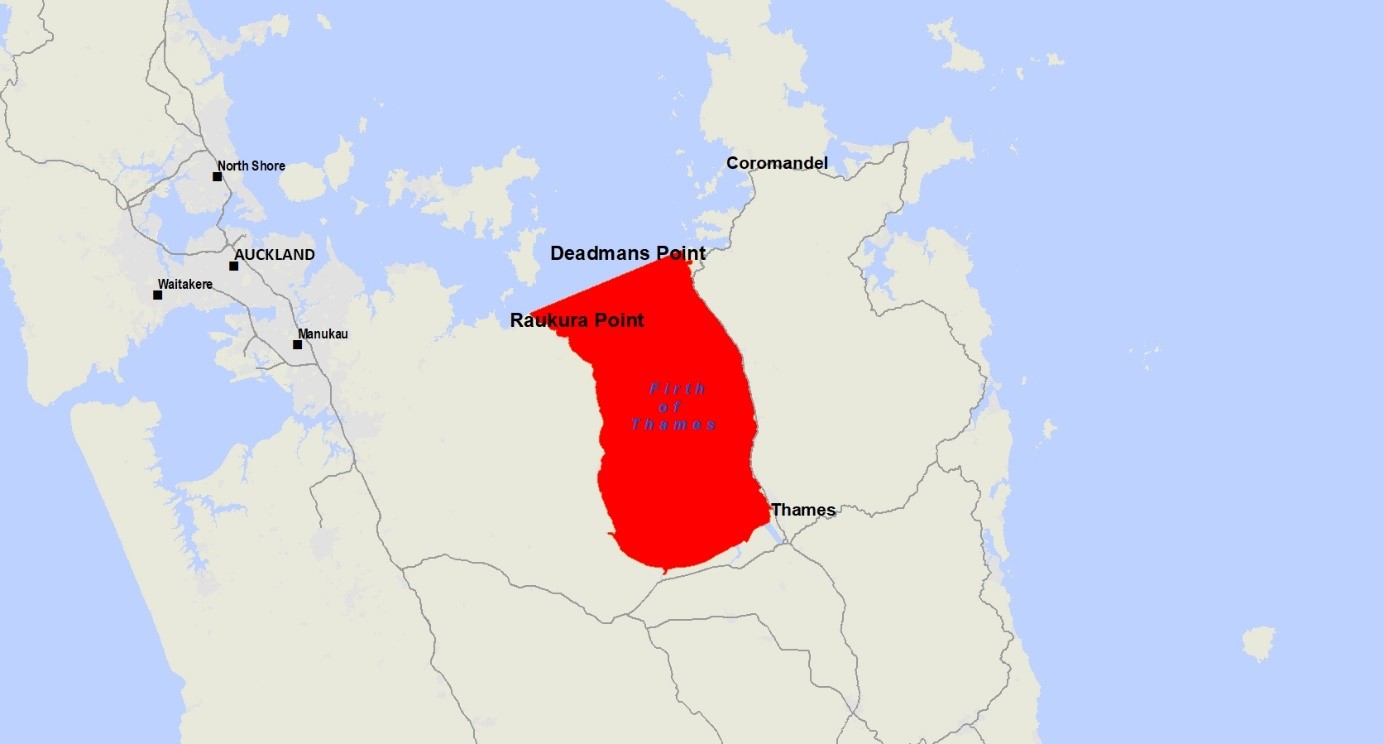
Affected area Firth of Thames.
Shellfish affected Mussels, oysters, tuatua, pipi, toheroa, cockles, scallops, catseyes, kina (sea urchin) and all other bivalve shellfish.

Note, cooking shellfish does not remove the toxin.

Pāua, crab and crayfish may still be eaten if the gut has been completely removed prior to cooking, as toxins accumulate in the gut. If the gut is not removed its contents could contaminate the meat during the cooking process.

Symptoms Symptoms typically appear between 10 minutes and 3 hours after ingestion and may include:

  • numbness and a tingling (prickly feeling) around the mouth, face, and extremities (hands and feet)
  • difficulty swallowing or breathing
  • dizziness
  • headache
  • nausea
  • vomiting
  • diarrhoea
  • paralysis and respiratory failure and in severe cases, death.
Other information Paralytic shellfish toxins have been detected in shellfish from the Kaipara Harbour at levels over the safe limit of 0.8mg/kg set by MPI. Ongoing testing will continue and any changes will be communicated accordingly.

Map of the affected area

Map of affected area from Raukura Point across to Deadmans Point.

Public warnings about toxic shellfish

We test shellfish and seawater for toxic algae every week from popular shellfish gathering areas around New Zealand. If the shellfish are not safe to eat, we issue public health warnings and put up signs at affected beaches.

India – 31 fall ill after attending funeral service ; food poisoning suspected

The Shillong Times

Nongpoh, May 12: Dozens of villagers from Nongladew village in Ri Bhoi district of Meghalaya fell ill after attending a funeral service in Mariampur under Goalpara District of Assam. As many as 41 villagers had attended the funeral rituals of their relative on May 9. However, on Wednesday night (May 10), 31 of them returned home and fell ill, prompting immediate action from health officials.

The villagers had consumed fish, potato, and dal during the funeral service, and many of them complained of illness when they returned home. While the exact cause of the illness is not known, the villagers suspect the fish, which they believe was poisoned, to be the reason for their condition

Research – Fate of Listeria monocytogenes, Salmonella spp., and Shiga Toxin-Producing Escherichia coli on Slices of an All-Beef Soppressata during Storage

MDPI

Abstract

Cells of Listeria monocytogenesSalmonella spp., or Shiga toxin-producing Escherichia coli (STEC) were inoculated (ca. 4.0 log CFU/slice) onto slices (ca. 4 g each slice) of an all-beef soppressata (ca. pH 5.05 and aw 0.85). The storage of vacuum-sealed slices of inoculated soppressata at 4 °C or 20 °C for 90 days resulted in reductions of all three pathogens by ca. 2.2 to 3.1 or ca. ≥3.3 log CFU/slice, respectively. When pathogen levels decreased to below detection (≤1.18 log CFU/slice) by direct plating, it was possible to recover each of the target pathogens by enrichment, albeit more frequently from slices stored at 4 °C (p < 0.05) compared to 20 °C. In summary, the slices of the commercially produced beef soppressata selected for this study did not provide a favorable environment for either survival or outgrowth of surface-inoculated cells of L. monocytogenesSalmonella spp., or STEC during storage.

New Research Links Foodborne E. Coli Infections to “Hundreds of Thousands” of UTIs in U.S.

Food Safety Magazine

A new study suggests that Escherichia coli infection from contaminated meat products may be responsible for hundreds of thousands of urinary tract infections in the U.S. each year.

A team of scientists led by George Washington University (GWU) Milken Institute School of Public Health researchers have developed a new genomic approach for tracking the origins of E. coli infections. Using this method, the team estimated that between 480,000 and 640,000 UTIs in the United States each year may be caused by foodborne E. coli strains.

According to GWU, E. coli is the most common cause of UTIs, causing upwards of 85 percent of cases each year. Women are at greater risk of developing UTIs, which can range from simple bladder infections to life-threatening bloodstream infections. At present, only specific types of diarrhea-causing E. coli, such as E. coli O157:H7, are rigorously monitored by the U.S. Food and Drug Administration (FDA), but the new findings from GWU suggest that other strains may also pose serious health risks.

In the study, researchers collected raw chicken, turkey, and pork from major grocery store chains in Flagstaff, Arizona, and isolated E. coli from the meat samples. Simultaneously, researchers collected urine and blood E. coli isolates from patients hospitalized at the Flagstaff Medical Center for UTIs.

Research – Salmonella Biofilm Formation under Fluidic Shear Stress on Different Surface Materials

MDPI

Abstract

This study characterized biofilm formation of various Salmonella strains on common processing plant surface materials (stainless steel, concrete, rubber, polyethylene) under static and fluidic shear stress conditions. Surface-coupons were immersed in well-plates containing 1 mL of Salmonella (6 log CFU/mL) and incubated aerobically for 48 h at 37 °C in static or shear stress conditions. Biofilm density was determined using crystal violet assay, and biofilm cells were enumerated by plating on tryptic soy agar plates. Biofilms were visualized using scanning electron microscopy. Data were analyzed by SAS 9.4 at a significance level of 0.05. A surface–incubation condition interaction was observed for biofilm density (p < 0.001). On stainless steel, the OD600 was higher under shear stress than static incubation; whereas, on polyethylene, the OD600 was higher under static condition. Enumeration revealed surface–incubation condition (p = 0.024) and surface–strain (p < 0.001) interactions. Among all surface–incubation condition combinations, the biofilm cells were highest on polyethylene under fluidic shear stress (6.4 log/coupon; p < 0.001). Biofilms of S. Kentucky on polyethylene had the highest number of cells (7.80 log/coupon) compared to all other strain–surface combinations (p < 0.001). Electron microscopy revealed morphological and extracellular matrix differences between surfaces. Results indicate that Salmonella biofilm formation is influenced by serotype, surface, and fluidic shear stress.

Research -Climate change and food safety: Temperature impact on the attachment of Escherichia coli pathogroups on cress leaf

Wiley Online

Abstract

Climate change and its worldwide effects are undeniable. Temperature increase due to climate change may affect foodborne pathogen survival on fresh produce. This study aimed to present an evaluation of climate change impact regarding temperature rise situations, on attachment of different pathogenic Escherichia coli strains on cress grown under controlled conditions. EHEC O157:H7, EAEC O104:H4 and EPEC O26 were inoculated with initial inoculum concentration of 8 log MPN/mL at different stages during growth to observe how inoculation time (7, 14, 21 and 28 days post sowing; dps) and route (seed and leaves) affect pathogen load on fresh produce. This study revealed that temperature increase designed according to mitigation scenarios for climate change (+2, +4 and +6 °C) did not cause any considerable change in pathogen persistence on leaf at 30 dps (~4.5 to 7 log MPN/g). In plants contaminated at later stage (21 and 28 dps), higher bacterial populations were obtained for all temperatures studied. Our results show that E. coli translocated towards leaf portions from seed and established significant amount of pathogen load on leaf (~4 to 5.3 log MPN/g). Also, inoculated bacteria have tightly bound to leaf (~3.5 to 7 log MPN/g) and cannot be eliminated by washing. Although persistence of E. coli O157:H7, O104:H4 and O26 did not differ significantly according to temperature, the bacterial load on the leaves was above infectious dose for humans.

Research – Scientists Discover How Foodborne Vibrio Infects People, Could Lead to New Treatments

Food Safety.Com

Food Illness

Researchers at the University of Texas (UT) Southwestern Medical Center have discovered how foodborne pathogen Vibrio parahaemolyticus infects people after eating raw or undercooked shellfish. The findings could lead to new ways to treat illness caused by the enteric bacteria.

The study provides the first visual evidence of how a gut bacterial pathogen uses an “assembly method” to build syringe-like structures to inject toxins into intestinal cells, giving a new view of how enteric bacteria, when exposed to bile acids, efficiently respond and build a virulence system.