Category Archives: Decontamination Microbial

USA – Norovirus Outbreak linked to Oyster Shooters in Hawaii

Food Poison Journal

Food Borne Illness - Norovirus -CDC Photo

The Hawai‘i Department of Health (DOH) Food Safety Branch is issuing an alert regarding raw oysters exported from Dai One Food Co., Ltd., Republic of Korea (ROK), which may be potentially contaminated with norovirus.

DOH notified the United States Food and Drug Administration (FDA) of five illnesses from individuals who consumed raw oyster shooters at a restaurant in Hawai‘i on May 10, 2023. Trace-back information revealed the source for the implicated raw oysters was from a shipment by Dai One Food Co., Ltd., ROK. Samples collected were sent to the FDA to be tested for the presence of norovirus. The FDA released its findings on June 12, 2023, confirming  that norovirus GII was detected in one of the two samples collected.

Dai One Food Co. Ltd. has voluntarily recalled Individual Quick Freezing (IQF) raw oysters, harvested between February 2 and  4, 2022 and April 13 and 14, 2022, that were shipped from the ROK and distributed to restaurants and retailers in Hawai‘i, Georgia and Minnesota. The lot numbers affected are: D021031, D021041, and D020481.

Research – Antimicrobial Activity of Spanish Propolis against Listeria monocytogenes and Other Listeria Strains

MDPI

Abstract

The outbreaks of Listeria associated with food consumption are increasing worldwide concurrently with public concern about the need for natural growth inhibitors. In this context, propolis seems to be a promising bioactive product collected by honeybees, due to its antimicrobial activity against different food pathogens. This study aims to evaluate the efficacy of hydroalcoholic propolis extracts for controlling Listeria under several pH conditions. The physicochemical properties (wax, resins, ashes, impurities), the bioactive compounds (phenolic and flavonoid content), and the antimicrobial activity of 31 propolis samples collected from the half North of Spain were determined. Results showed similar trends in the physicochemical composition and bioactive properties, regardless of the harvesting area. Non-limiting pH conditions (7.04, 6.01, 5.01) in 11 Listeria strains (5 from collection and 6 wild strains from meat products) exhibited MICs (Minimum inhibition concentration) and MBCs (Minimum bactericidal concentration) ranging from 39.09 to 625 μg/mL. The antibacterial activity increased under acidic pH conditions, showing a synergistic effect at pH = 5.01 (p < 0.05). These findings suggest the potential of Spanish propolis as a natural antibacterial inhibitor to control Listeria growth in food products.

Research – High Disinfectant Tolerance in Pseudomonas spp. Biofilm Aids the Survival of Listeria monocytogenes

MDPI

Abstract

Pseudomonas spp. are the most commonly found bacteria in food-processing environments due to properties such as a high growth rate at low temperatures, a high tolerance of antimicrobial agents, and biofilm formation. In this study, a set of Pseudomonas isolates originating from cleaned and disinfected surfaces in a salmon processing facility were screened for biofilm formation at 12 °C. A high variation in biofilm formation between the isolates was observed. Selected isolates, in both planktonic and biofilm states, were tested for resistance/tolerance to a commonly used disinfectant (peracetic acid-based) and antibiotic florfenicol. Most isolates showed a much higher tolerance in the biofilm state than in the planktonic state. In a multi-species biofilm experiment with five Pseudomonas strains with and without a Listeria monocytogenes strain, the Pseudomonas biofilm appeared to aid the survival of L. monocytogenes cells after disinfection, underscoring the importance of controlling the bacterial load in food-processing environments.

Research – Staphylococcus aureus in the Processing Environment of Cured Meat Products

MDPI

Abstract

The presence of Staphylococcus aureus in six dry-cured meat-processing facilities was investigated. S. aureus was detected in 3.8% of surfaces from five facilities. The occurrence was clearly higher during processing (4.8%) than after cleaning and disinfection (1.4%). Thirty-eight isolates were typified by PFGE and MLST. Eleven sequence types (STs) were defined by MLST. ST30 (32%) and ST12 (24%) were the most abundant. Enterotoxin genes were detected in 53% of isolates. The enterotoxin A gene (sea) was present in all ST30 isolates, seb in one ST1 isolate, and sec in two ST45 isolates. Sixteen isolates harbored the enterotoxin gene cluster (egc) with four variations in the sequence. The toxic shock syndrome toxin gene (tst) was detected in 82% of isolates. Regarding antimicrobial resistance, twelve strains were susceptible to all the antibiotics tested (31.6%). However, 15.8% were resistant to three or more antimicrobials and, therefore, multidrug-resistant. Our results showed that in general, efficient cleaning and disinfection procedures were applied. Nonetheless, the presence of S. aureus with virulence determinants and resistance to antimicrobials, particularly multidrug-resistant MRSA ST398 strains, might represent a potential health hazard for consumers.

Research – Clostridium perfringens—Opportunistic Foodborne Pathogen, Its Diversity and Epidemiological Significance

MDPI

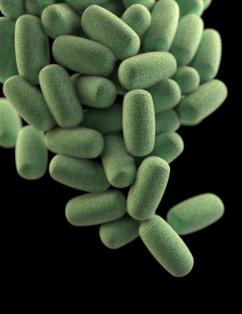
CDC Clost perf

Abstract

The C. perfringens species is associated with various environments, such as soils, sewage, and food. However, it is also a component of the gastrointestinal (GI) microflora (i.e., microbiota) of sick and healthy humans and animals. C. perfringens is linked with different systemic and enteric diseases in livestock and humans, such as gas gangrene, food poisoning, non-foodborne diarrhoea, and enterocolitis. The strains of this opportunistic pathogen are known to secrete over 20 identified toxins that are considered its principal virulence factors. C. perfringens belongs to the anaerobic bacteria community but can also survive in the presence of oxygen. The short time between generations, the multi-production capability of toxins and heat-resistant spores, the location of many virulence genes on mobile genetic elements, and the inhabitance of this opportunistic pathogen in different ecological niches make C. perfringens a very important microorganism for public health protection. The epidemiological evidence for the association of these strains with C. perfringens–meditated food poisoning and some cases of non-foodborne diseases is very clear and well-documented. However, the genetic diversity and physiology of C. perfringens should still be studied in order to confirm the importance of suspected novel virulence traits. A very significant problem is the growing antibiotic resistance of C. perfringens strains. The aim of this review is to show the current basic information about the toxins, epidemiology, and genetic and molecular diversity of this opportunistic pathogen.

Brazil – Toxins are detected in samples of curd cheese and artisan mozzarella in Brazil – Aflatoxins

Eurekalert

Strictly speaking, cheese should be completely free of aflatoxins, a class of toxic compounds that are produced by certain molds found in food, and can cause liver damage and cancer. In practice, however, the technology used to produce milk and cheese is unable to guarantee the total absence of aflatoxins, as demonstrated by research performed in several countries. In the latest study conducted in Brazil on this subject, a team of researchers analyzed 28 samples of curd cheese and mozzarella produced in Araripe, a subhumid area within the semi-arid region of Pernambuco State (Northeast Brazil). The samples were collected between March and May 2022.

The results are reported in an article published in the journal Toxins. The analysis revealed the presence of aflatoxins in all samples. The highest levels were found in artisan mozzarella, but none had more than 0.25 μg/kg (micrograms per kilogram). This is the upper limit permitted by the European Union and was chosen by the researchers as their parameter as well.

In Brazil, the limit for AFM1 is 2.5 μg/kg, ten times the maximum acceptable level in the EU.

Research – Increased Incidence of Legionellosis after Improved Diagnostic Methods, New Zealand, 2000–2020

cdc

Abstract

Legionellosis, notably Legionnaires’ disease, is recognized globally and in New Zealand (Aotearoa) as a major cause of community-acquired pneumonia. We analyzed the temporal, geographic, and demographic epidemiology and microbiology of Legionnaires’ disease in New Zealand by using notification and laboratory-based surveillance data for 2000‒2020. We used Poisson regression models to estimate incidence rate ratios and 95% CIs to compare demographic and organism trends over 2 time periods (2000–2009 and 2010–2020). The mean annual incidence rate increased from 1.6 cases/100,000 population for 2000–2009 to 3.9 cases/100,000 population for 2010–2020. This increase corresponded with a change in diagnostic testing from predominantly serology with some culture to almost entirely molecular methods using PCR. There was also a marked shift in the identified dominant causative organism, from Legionella pneumophila to L. longbeachae. Surveillance for legionellosis could be further enhanced by greater use of molecular typing of isolates.

Research – Antibacterial Activity against Four Fish Pathogenic Bacteria of Twelve Microalgae Species Isolated from Lagoons in Western Greece

MDPI

Abstract

Microalgae may produce a range of high-value bioactive substances, making them a promising resource for various applications. In this study, the antibacterial activity of twelve microalgae species isolated from lagoons in western Greece was examined against four fish pathogenic bacteria (Vibrio anguillarumAeromonas veroniiVibrio alginolyticus, and Vibrio harveyi). Two experimental approaches were used to evaluate the inhibitory effect of microalgae on pathogenic bacteria. The first approach used bacteria-free microalgae cultures, whereas the second approach used filter-sterilized supernatant from centrifuged microalgae cultures. The results demonstrated that all microalgae had inhibitory effects against pathogenic bacteria in the first approach, particularly 4 days after inoculation, where Asteromonas gracilis and Tetraselmis sp. (red var., Pappas) exhibited the highest inhibitory activity, reducing bacterial growth by 1 to 3 log units. In the second approach, Tetraselmis sp. (red var., Pappas) showed significant inhibition against V. alginolyticus between 4 and 25 h after inoculation. Moreover, all tested cyanobacteria exhibited inhibitory activity against V. alginolyticus between 21 and 48 h after inoculation. Statistical analysis was performed using the independent samples t-test. These findings suggested that microalgae produce compounds with antibacterial activity, which could be useful in aquaculture.

Research – Detection, Remediation and Control of Biofilms

Food Safety Tech

Biofilms, those slimy films of bacteria that cling to surfaces, can wreak havoc on your equipment and harbor dangerous pathogens that contaminate your products. And they are not easy to detect or remove. Charles Giambrone, Food Safety Manager, Rochester Midland, shared strategies for the detection, remediation, and control of biofilms at the Food Safety Tech Hazards Conference in April.

“Biofilms are how microbes look to survive in nature and within your food plant,” said Giambrone, “and they can form quickly—within 13 hours.”

Biofilms form on any equipment with a large surface area and, in addition to contaminating food, they can damage equipment. “Once you get biofilms on the conveyor belts, you have slippage,” said Giambrone. “Just as biofilm plague will rot your teeth, biofilms form acid that corrode equipment. Eliminating biofilms can increase performance and prolong the lifespan of equipment.”

Research – Risk Factors for Non-O157 Shiga Toxin–Producing Escherichia coli Infections, United States

CDC

Abstract

Shiga toxin–producing Escherichia coli (STEC) causes acute diarrheal illness. To determine risk factors for non-O157 STEC infection, we enrolled 939 patients and 2,464 healthy controls in a case–control study conducted in 10 US sites. The highest population-attributable fractions for domestically acquired infections were for eating lettuce (39%), tomatoes (21%), or at a fast-food restaurant (23%). Exposures with 10%–19% population attributable fractions included eating at a table service restaurant, eating watermelon, eating chicken, pork, beef, or iceberg lettuce prepared in a restaurant, eating exotic fruit, taking acid-reducing medication, and living or working on or visiting a farm. Significant exposures with high individual-level risk (odds ratio >10) among those >1 year of age who did not travel internationally were all from farm animal environments. To markedly decrease the number of STEC-related illnesses, prevention measures should focus on decreasing contamination of produce and improving the safety of foods prepared in restaurants.