Category Archives: Decontamination Microbial

Research – Aflatoxin Reduction and Retardation of Aflatoxin Production by Microorganisms in Doenjang during a One-Year Fermentation

MDPI

Meju, a raw material for doenjang preparation, is highly vulnerable to aflatoxin-producing fungi. The aim of this study was to evaluate the effect of a one-year fermentation on aflatoxins and aflatoxin-producing fungi in doenjang spiked with aflatoxins B1, G1, B2, and G2 and inoculated with toxigenic Aspergillus flavus. A significant reduction in aflatoxins was observed after a year of fermentation, measuring 92.58%, 100%, 98.69%, and 100% of B1, G1, B2, and G2, respectively. After a year of fermentation, 6.95 ± 3.64 µg/kg of total aflatoxin was detected, which represents a 97.88% reduction in the total aflatoxin compared with the initial value (328.83 ± 36.60 µg/kg). Several aflatoxin-degrading fungi (Aspergillus versicolorCladosporium subcinereumAspergillus ochraceus) and bacteria (Bacillus albusBacillus velezensis) isolated from doenjang were identified as the major contributors to the reduction of aflatoxin. Furthermore, it was observed that most of the aflatoxin contamination in doenjang occurred during the meju stage, and this stage was found to be most susceptible to A. flavus contamination and growth. These findings reveal that native microorganisms mediate aflatoxin clean-up in doenjang during fermentation and support the use of such microorganisms as a starter culture for the preparation of aflatoxin-free doenjang.

Research – Efficacy of Selected Powdered Floor Treatments Against Salmonella, E. coli, and L. monocytogenes on Polyurethane-Concrete Flooring Material Carriers

Journal of Food Protection

Food processing environment flooring can become contaminated with pathogens in many ways including foot and equipment traffic, incoming materials, and floor drain backups.  Natural antimicrobial turmeric and commercially available powdered floor treatments may reduce the levels of pathogens on flooring thereby reducing the risk of cross contamination from the floor to food contact surfaces. These chemicals were evaluated to determine their effectiveness against cocktails of Salmonella , Escherichia coli , and Listeria monocytogenes dried onto the surfaces of carriers made from polyurethane-concrete commercial flooring material.  Aqueous test solutions were prepared from the minimum treatment required per m 2 from the manufacturer’s instructions diluted in sterile water.  Potential synergy between turmeric and a percarbonate based commercial floor treatment was explored with a mixture of turmeric and sodium percarbonate, each at approximately 37g/m 2 application rate.  Each inoculated carrier was exposed to the treatment solutions or a sterile water control for 10 minutes at room temperature, neutralized with Hi-Cap neutralizing broth, the bacteria suspended, enumerated, and log 10 reductions calculated for each treatment and inoculum combination.  Mean log 10 CFU/carrier reductions with standard deviations ranged between 4.29±0.34 for the sodium percarbonate (SPC) based treatment and 0.004±0.23 for turmeric for Salmonella , 4.81±0.16 for SPC based treatment and -0.16±0.62 for turmeric for E. coli , and 4.88±0.6 for SPC based treatment and -0.16±0.15 for turmeric for L. monocytogenes .

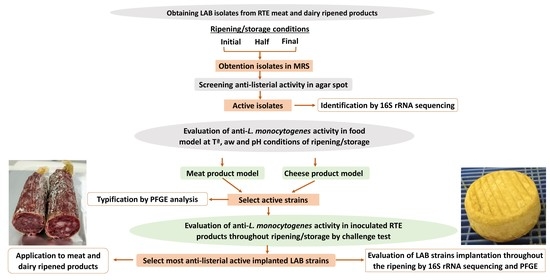
Research – Strategies for Biocontrol of Listeria monocytogenes Using Lactic Acid Bacteria and Their Metabolites in Ready-To-Eat Meat- and Dairy-Ripened Products

MDPI

Listeria monocytogenes is one of the most important foodborne pathogens. This microorganism is a serious concern in the ready-to-eat (RTE) meat and dairy-ripened products industries. The use of lactic acid bacteria (LAB)-producing anti-L. monocytogenes peptides (bacteriocins) and/or lactic acid and/or other antimicrobial system could be a promising tool to control this pathogen in RTE meat and dairy products. This review provides an up to date about the strategies of use of LAB and their metabolites in RTE meat products and dairy foods by selecting the most appropriate strains, by analysing the mechanism by which they inhibit L. monocytogenes and methods of effective application of LAB, and their metabolites in these kinds of products to control this pathogen throughout the processing and storage. The selection of LAB with anti-L. monocytogenes activity allows to dispose of effective strains in meat and dairy-ripened products, achieving reductions form 2–5 logarithmic cycles of this pathogen throughout the ripening process. The combination of selected LAB strains with antimicrobial compounds, such as acid/sodium lactate and other strategies, as the active packaging could be the next future innovation for eliminating risk of L. monocytogenes in meat and dairy-ripened products.

Research – Aflatoxin B1 in rice: effects of storage duration, grain type and size, production site and season

Journal of Food Protection

Our study aimed to evaluate the AFB1 levels in packed rice marketed in Lebanon and determine the exposure to this toxin from the rice consumption. A total of 105 packed white, parboiled and brown rice bags were collected. ELISA was used to measure AFB1. A comprehensive FFQ was filled by 500 participants to determine the patterns of rice consumption and subsequently the exposure levels to AFB1 from the rice consumption in Lebanon. AFB1 was detected in all rice samples (100%). The average concentration ± standard deviation of AFB1 was 0.5±0.3μg/kg. Contamination ranged between 0.06 and 2.08μg/kg. Moisture content in all rice samples was below the recommended percentage (14%). Only 1% of the samples had an AFB1 level above the European Union (EU) limit (2μg/kg). Brown rice had a significantly higher AFB1 level than white and parboiled rice (p=0.02), while a significant difference was found between both collections for the same brands (p=0.016). Packing season, packing country, country of origin, presence of a food safety management certification, grain size, and time between packing and purchasing had no significant effect. Exposure to AFB1 from rice consumption in Lebanon was calculated as 0.1-2 ng/kg bodyweight/day.

Research – Antibacterial Properties of TMA against Escherichia coli and Effect of Temperature and Storage Duration on TMA Content, Lysozyme Activity and Content in Eggs

MDPI

Studies on trimethylamine (TMA) in egg yolk have focused on how it impacts the flavor of eggs, but there has been little focus on its other functions. We designed an in vitro antibacterial test of TMA according to TMA concentrations that covered the TMA contents typically found in egg yolk. The change in TMA content in yolk was analyzed at different storage temperatures and for different storage durations. The known antibacterial components of eggs, including the cuticle quality of the eggshell and the lysozyme activity and content in egg white, were also assessed. The total bacterial count (TBC) of different parts of eggs were detected. The results showed that the inhibitory effect of TMA on Escherichia coli (E. coli) growth increased with increasing TMA concentration, and the yolk TMA content significantly increased with storage duration (< 0.05). The cuticle quality and lysozyme content and activity significantly decreased with storage time and increasing temperature, accompanied by a significant increase in the TBC on the eggshell surface and in the egg white (< 0.05). This work reveals a new role for trace TMA in yolks because it reduces the risk of bacterial colonization, especially when the antibacterial function of eggs is gradually weakened during storage.

Research – Scientists identify environmental cue linked to illness caused by Salmonella

Science Daily

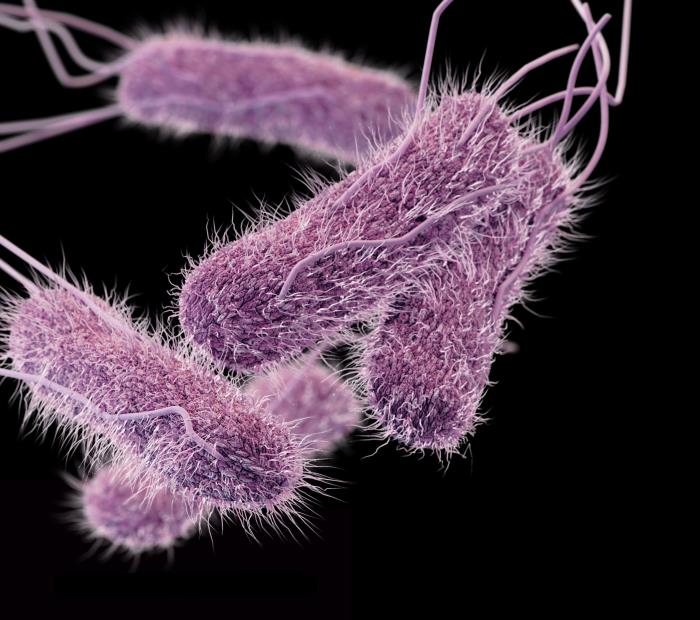
To survive in hostile environments, bacteria attach to one another, forming a supportive framework known as a biofilm. In biofilms of Salmonella — a major cause of food-borne diarrheal illness — a key component of this framework is curli amyloid protein.

Now, in new research, scientists at the Lewis Katz School of Medicine at Temple University show that the repression of curli by an environmental factor in the intestine plays a critical role in freeing Salmonella bacteria of strain S. Typhimurium from their biofilms, enabling them to cause active infection. The environmental cue is nitrate, which both represses curli and modulates levels of an intracellular molecule known as cyclic-di-GMP. These events ultimately lead to the activation of S. Typhimurium flagella, which in humans is a critical step in allowing individual S. Typhimurium bacteria to swim toward and infect intestinal cells.

“It had been unclear what factors trigger S. Typhimurium to switch between a sessile, biofilm lifestyle to a motile, free-swimming lifestyle in the intestine,” explained Çagla Tükel, PhD, Director of the Center for Microbiology and Immunology at the Katz School of Medicine and senior investigator on the new study. “Our study shows for the first time that nitrate produced in the intestinal lumen of the host serves as an environmental cue driving this switch.”

Research – Prevalence of Mycobacterium bovis in milk on dairy cattle farms: An international systematic literature review and meta-analysis

Science Direct

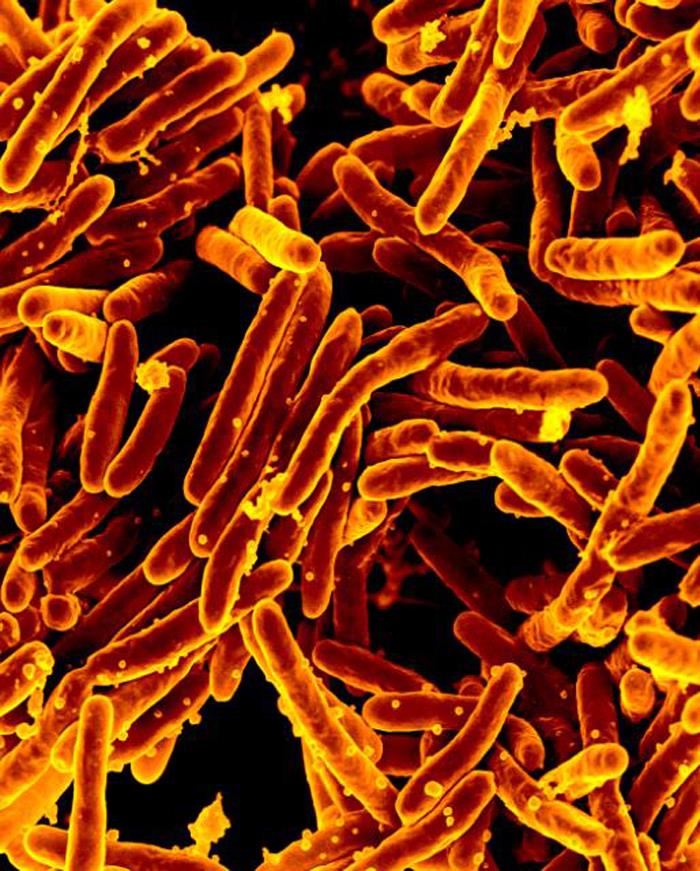
Bovine tuberculosis, caused by Mycobacterium bovis (M. bovis), is a globally distributed chronic disease of animals. The bacteria can be transmitted to humans via the consumption of unpasteurised (raw) milk, thus representing an important public health risk. To investigate the risk of zoonotic transmission of M. bovis via raw milk, this study systematically reviewed published studies to estimate the prevalence of M. bovis in on-farm bulk-tank milk (BTM) and individual cow’s milk (IM) by meta-analysis.

In total, 1,339 articles were identified through seven electronic databases and initially screened using titles and abstracts. The quality of 108 potentially relevant articles was assessed using full texts, and 67 articles comprising 83 studies (76 IM and 7 BTM), were included in the meta-analysis. The prevalence of M. bovis in IM and BTM was summarised according to the diagnostic test used, and the tuberculin skin test (TST) infection status of the individual cows (for IM) or herds (for BTM). Heterogeneity was quantified using the I-squared statistic. Prediction intervals (95% PIs) were also estimated.

For IM, the overall prevalence was summarised at 5% (95%CI: 3%–7%). In TST positive cows, prevalence was summarised at 8% (95%CI: 4%–13%). For BTM, the overall prevalence independent of individual herd TST infection status was summarised at 5% (95%CI: 0%–21%).

There was considerable heterogeneity evident among the included studies, while PIs were also wide. Inconsistency in the quality of reporting was also observed resulting in missing information, such as the TST infection status of the individual animal/herd. No study reported the number of M. bovis bacteria in test-positive milk samples. Several studies reported the detection of M. tuberculosis and M. africanum in milk.

Despite international efforts to control tuberculosis, this study highlights the risk of zoonotic transmission of M. bovis via unpasteurised milk and dairy products made using raw milk.

Research – Microbial safety and sanitary quality of strawberry primary production in Belgium: risk factors for Salmonella and Shiga toxin producing Escherichia coli (STEC) contamination.

AEM

Hepatitis A kswfoodworld

Strawberries are an important fruit in Belgium both in production and consumption, but little information is available about the presence of Salmonella and STEC in these berries, the risk factors in agricultural production and possible specific mitigation options. In 2012, a survey was undertaken of three soil and three soilless cultivation systems in Belgium. No Salmonella spp. was isolated. No STEC was detected in the strawberry samples (0 out of 72), but STEC was detected by qPCR in 11 out of 78 irrigation water and 2 out of 24 substrate samples.

Culture isolates were obtained for 2 out of 11 qPCR positive irrigation water samples and 2 out of 2 substrate samples. Multivariable logistic regression analysis revealed elevated generic E. coli numbers (odds ratio (OR) for 1 log increase being 4.6) as the most important risk factor for STEC, together with the berry picking season (elevated risk in summer).

Presence of generic E. coli in the irrigation water (≥ 1 cfu per 100 ml) was mainly influenced by the type of irrigation water (collected rainfall water stored in ponds was more often contaminated than ground water pumped from boreholes (OR = 5.8)) and the lack of prior treatment (untreated water versus water subjected to sand filtration prior to use (OR = 19.2)).

The follow-up study in 2013 at one of the producers indicated cattle as the most likely source of STEC contamination of the irrigation water.

Research – Assessment of the Microbiological Quality and Safety of Unpasteurized Milk Cheese for Sale in England between 2019 and 2020

Journal of Food Protection

Cheese made with unpasteurized milk has been associated with outbreaks of illness. However, there are limited data on the prevalence of Shiga toxin–producing Escherichia coli (STEC) in these products and a lack of clarity over the significance of E. coli as a general indicator of hygiene in raw milk cheeses. The aim of this study was to provide further data to address both of these issues, as well as assessing the overall microbiological quality of raw milk cheeses available to consumers in England. A total of 629 samples of cheese were collected from retailers, catering premises, and manufacturers throughout England. The majority (80%) were made using cow’s milk, with 14% made from sheep’s milk and 5% from goat’s milk. Samples were from 18 different countries of origin, with the majority originating from either the United Kingdom (40%) or France (35%). When interpreted against European Union microbiological criteria and United Kingdom guidance, 82% were considered to be of satisfactory microbiological quality, 5% were borderline, and 12% were unsatisfactory. Four samples (0.6%) were potentially injurious to health due to the isolation of STEC from one, >104 CFU/g of coagulase-positive staphylococci in two, and >100 CFU/g of Listeria monocytogenes in the fourth sample. Indicator E. coli and Listeria species were detected more frequently in soft compared with hard cheese. Higher levels of indicator E. coli were significantly associated with a greater likelihood of detecting Shiga toxin genes (stx1 and/or stx2).

USA – Massachusetts cases of Salmonella linked to dog treats

MASS.GOV

BOSTON — The Massachusetts Department of Public Health (DPH) is advising consumers who have any Dog Gone Dog Treats to dispose of them. There have been three cases of salmonellosis (infection with the Salmonella bacteria) linked to individuals handling these dog treats. The cases include two adults in their 70s and a child; all are residents of Essex County. One open bag from a customer and several unopened bags purchased last week all tested positive for Salmonella at the State Public Health Laboratory.

Dog Gone Dog Treats are made in Georgetown, include “chicken chips” and beef liver and sweet potato chips, and are sold at Essex County Co-Op in Topsfield, New England Dog Biscuit Company in Salem, Gimme Chews & Moore in Haverhill, and Animal Krackers in Gloucester. These treats are dehydrated and are not fully cooked.

All stores have been ordered to remove any existing product from their shelves and no additional product is currently being made. People get Salmonella if they eat or handle food that has been contaminated with the bacteria and the food has not been properly handled, prepared, or cooked. Salmonella is common in uncooked food products from animals, such as eggs, poultry, and unpasteurized milk. People who get the germs on their hands can infect themselves by eating, smoking, or touching their mouths. They can also spread the germs to anyone or anything they touch, including food.

Most people with an infection will have diarrhea, fever, and stomach cramps that can last up to a week; severe disease is possible but uncommon. Although treatment is not always necessary, people who have weakened immune systems, very young children, adults over 65, and those experiencing severe symptoms should talk to their healthcare providers about treatment. Individuals should consult with their healthcare provider if they have symptoms after contact with the dog treats or an animal that has eaten the dog treats.

Dogs that become ill from Salmonella infection may experience diarrhea that can contain blood or mucus, may seem more tired than usual, and may have a fever or vomit. It is also possible for dogs to have Salmonella infection and not appear sick. Those concerned that their dogs may have become ill after eating the treats should consult their veterinarians.

The best way to prevent Salmonella infection from pet food or treats is to:

  • Wash your hands for at least 20 seconds with soap and water right after handling pet food or treats or having contact with animal feces (stool), especially before preparing, serving, or eating foods or drinks, or before preparing baby bottles.
  • Store pet food and treats away from where human food is stored or prepared, and away from young children.
  • Children under 5 should not touch or eat pet food or treats.
  • Clean and disinfect surfaces that the pet treats may have touched. Salmonella can survive several weeks in dry environments.
  • Don’t let your dog lick your mouth and face after eating. If you do, wash your hands and any other parts of your body they may have licked with soap and water.
  • The CDC does not recommend feeding raw diets to pets as they have been found to contain germs, including Salmonella, that can make pets and humans sick.