Author Archives: KSW

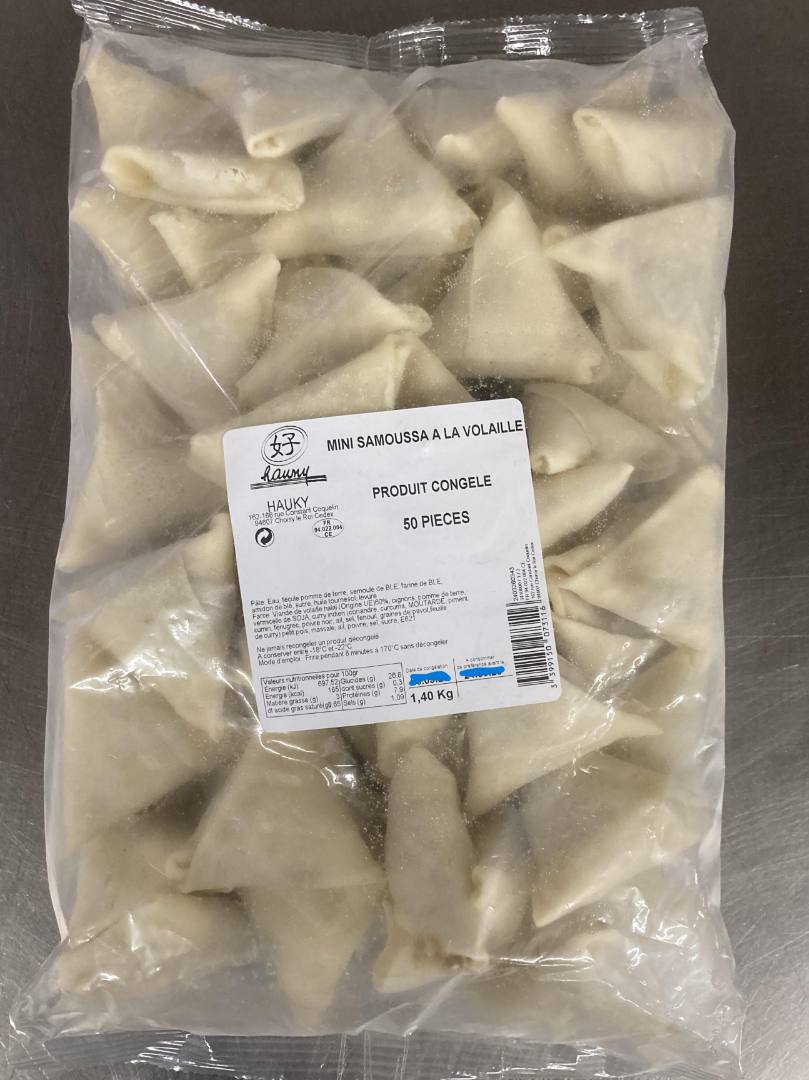
France – MINI FROZEN POULTRY SAMOUSSA x 50 PIECES – Salmonella

Gov France

Product Category
Food
Product subcategory
Meats
Product brand name
HAUMY
Model names or references
MINI FROZEN POULTRY SAMOUSSA x 50 PIECES (Net weight: 1.400kg) Batch: 01/23/2024 and BBD: 07/23/2025
Product identification
GTIN Batch Date
3399150073116 01/23/2024 Minimum durability date 07/23/2025
Packaging
Bag containing 50 pieces of FROZEN MINI POULTRY SAMOUSSA of 1.400kg
Start/End of marketing date
From 01/23/2024 to 03/01/2024
Storage temperature
Product to be stored in the freezer
Health mark
FR 94 022 004 CE
Geographic area of ​​sale
Whole France
Distributors
See list of points of sale

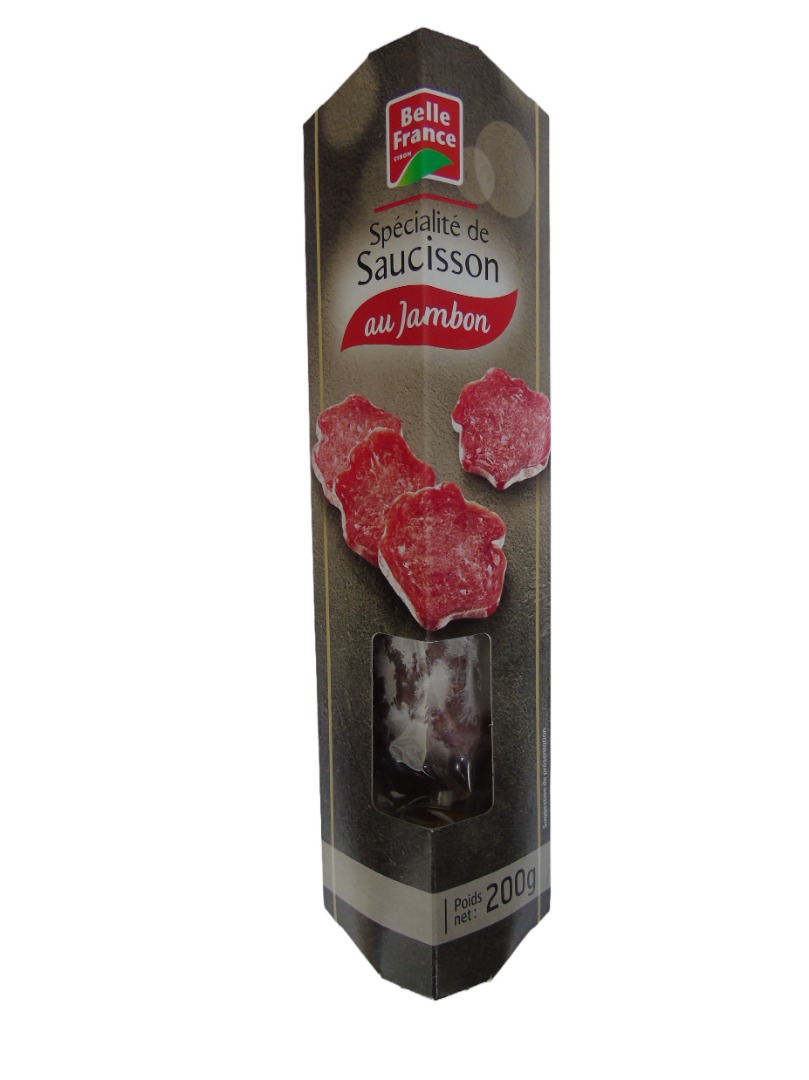
France -Ham sausage specialty – Salmonella

Gov France

Product Category
Food
Product subcategory
Meats
Product brand name
Beautiful France
Model names or references
Specialty ham sausage 200g
Product identification
GTIN Batch Date
3258561450704 124243021 Minimum durability date 08/12/2024
Start/End of marketing date
From 03/09/2024 to 01/10/2024
Storage temperature
Product to be stored at room temperature
Health mark
FR 63.427.001 CE
Geographic area of ​​sale
Whole France
Distributors
FRANCAP

Italy – Anchovy fillets in oil spread out 150 g – Histamine

Salute

Brand : ESSELUNGA SPA

Name : Anchovy fillets in oil spread out 150 g

Reason for reporting : Recall due to microbiological risk

Publication date : 4 October 2024

Documentation

Documentation

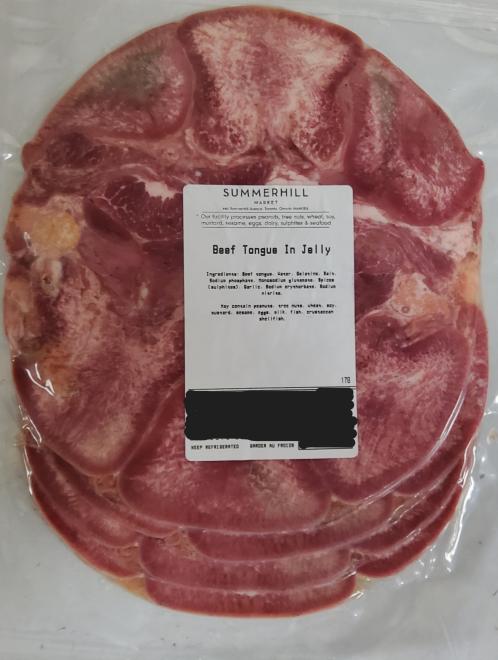
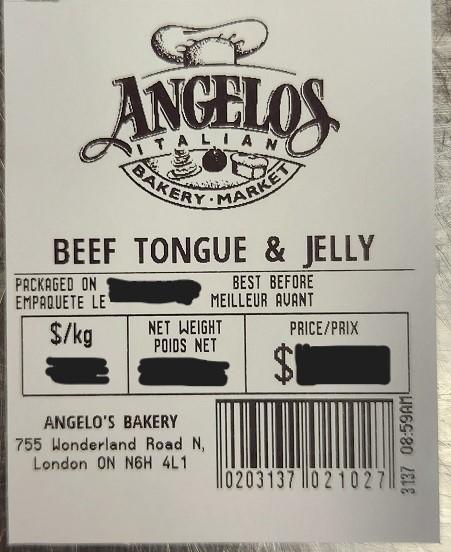
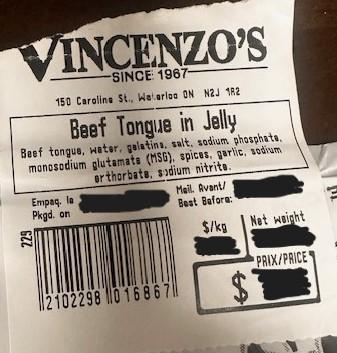
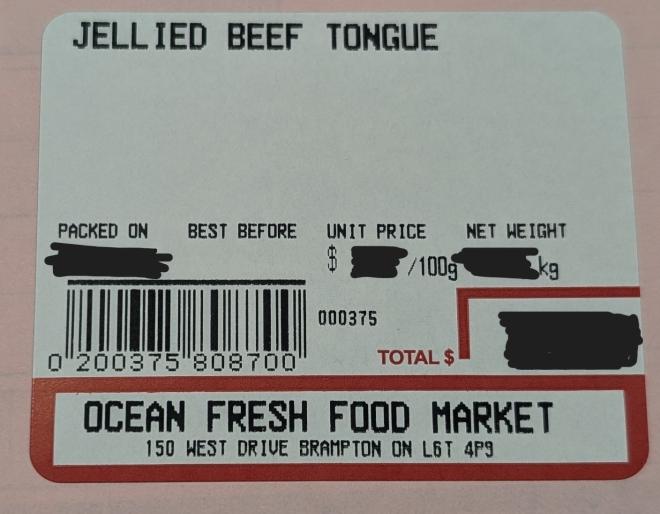
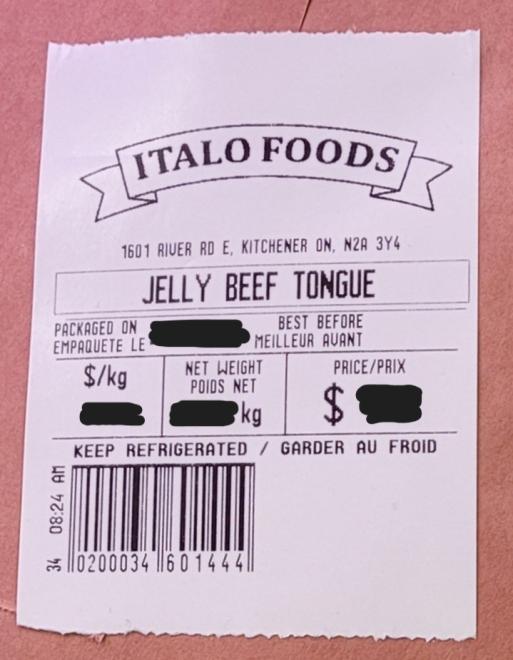
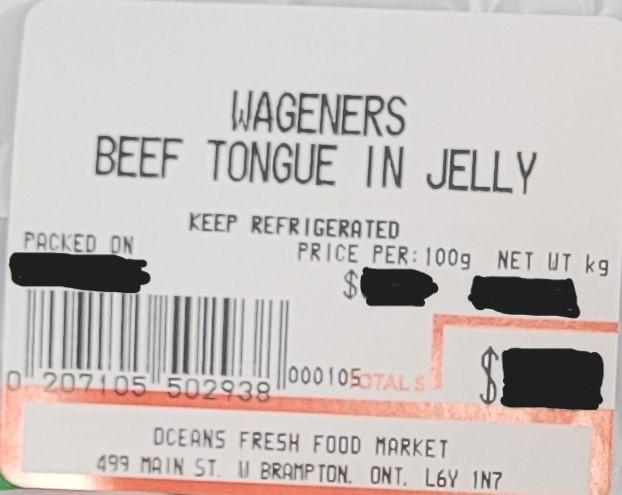
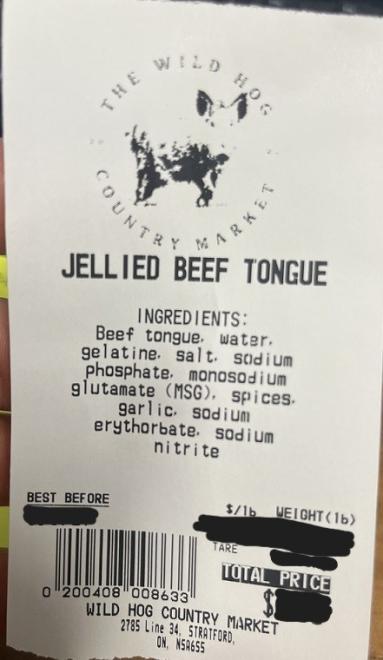
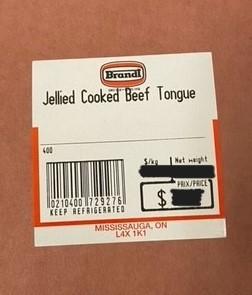
Canada – Various brands of beef jelly tongue products recalled due to Listeria monocytogenes

Gov Canada

Product
Beef jelly tongue
Issue
Food – Microbial contamination – Listeria
What to do

Do not consume, use, sell, serve or distribute recalled products

Distribution
Ontario
Wageners - Jelly Tongue Beef - Front Summerhill Market - Beef Tongue in Jelly (sliced) - Label
Angelos Italian Bakery Market - Beef Tongue & Jelly - Label Starsky - Beef Jelly Tongue - Label
Vincenzo's - Beef Tongue in Jelly - Label Ocean Fresh Food Market - Jellied Beef Tongue - Label
The Bridgenorth Deli - Jellied Beef Tongue - Label Italo Foods  - Jelly Beef Tongue - Label
Pusateri's - Beef Tongue SLC - Label Ocean's Fresh Food Market - Wageners Beef Tongue in Jelly - Label
The Wild Hog Country Market - Jellied Beef Tongue - Label G Brandt Meat Packer - Jellied Cooked Beef Tongue - Label

Issue

The affected products are being recalled from the marketplace due to possible Listeria monocytogenes contamination.

USA – Jacks and the Green Sprouts Recalls Alfalfa and Alfalfa Onion Sprouts Because of Possible Health Risk – Listeria monocytogenes

FDA

Image 1 – Jack & the Green Sprouts Alfalfa, lot 300 in a plastic clam shell

Jack and the Green Sprouts, Inc. of River Falls, WI is recalling its 5 ounce packages of Alfalfa and Alfalfa Onion sprouts because they have the potential to be contaminated with Listeria monocytogenes, an organism which can cause serious and sometimes fatal infections in young children, frail or elderly people, and others with weakened immune systems. Although healthy individuals may suffer only short-term symptoms such as high fever, severe headache, stiffness, nausea, abdominal pain and diarrhea, Listeria infection can cause miscarriages and stillbirths among pregnant women.

The produce was sold in MN, WI and Iowa at grocery store and local Co-ops.

The product comes in a 5 ounce, clear plastic package marked with lot #300 UPC 763247198915 or #246 UPC 763247195945 on the top.

No illnesses have been reported to date in connection with this problem.

The potential for contamination was noted after routine testing by the company revealed the presence of Listeria monocytogenes in 5 ounce packages of Alfalfa sprouts.

The production of the product has been suspended while the company continues to investigate the source of the problem.

Consumers who have purchased 5 ounce packages of Alfalfa and Alfalfa Onion sprouts are urged to discarded or return them to the place of purchase for a full refund. Consumers with questions may contact the company at 715-425-9495, 8:00-2:00, Monday thru Fridays.

USA – Lunds & Byerlys Voluntarily Recalls L&B Lone Star Dip Due to Potential Mold/Mould

FDA

Image 1 – Image, Labeling, L&B Lone Star Dip, on top of a clear plastic container

Edina, Minn. (October 4, 2024) – Lunds & Byerlys is voluntarily recalling approximately 500 containers of L&B Lone Star Dip because of potential mold growth contamination.

The recalled product was sold at Lunds & Byerlys stores throughout the Twin Cities and surrounding area.

Brand Name & Description

Unit Size

UPC

Impacted Best By Date(s)

L&B Lone Star Dip 12 oz. 18169-74197 10-15-24
10-17-24

No illnesses have been reported to date in connection with this recall. This product concern was first noticed by store employees, and they notified the company’s Quality Assurance team.

If a customer recently purchased the impacted product, they are encouraged to return it to any Lunds & Byerlys for a full refund (no receipt required) or destroy the product immediately.

For additional questions, customers can call 952-548-1400 Monday through Sunday from 9 a.m. to 9 p.m.

Research – Ireland shares the latest pathogen statistics

Food Safety News

Ireland has reported the number of infections caused by major pathogens from April to June.

Data comes from a report published by the Health Protection Surveillance Centre (HPSC) that includes foodborne illnesses in the second quarter of 2024.

In the first quarter of 2024, there were 733 Campylobacter cases, five Listeria infections, 67 Salmonella cases, and 116 Shiga toxin-producing E. coli (STEC) infections.

Research – Germany hit hardest in multi-country Salmonella outbreak

Food Safety News

Germany has been hit hardest in a multi-country Salmonella outbreak linked to rocket from Italy.

As of late September, there are 98 cases in Germany. The Robert Koch Institut (RKI) believes this number may go up. There are 16 patients in Austria and 23 in Denmark.

The first cases were reported in Germany at the end of July. Since the beginning of August, there has been a significant increase in patients, with 16 to 18 cases per week. All federal states except Bremen and Saarland are affected.

Research – FDA Releases Investigation Findings Following Summer 2020 Outbreak Linked to Peaches

FDA

The U.S. Food and Drug Administration (FDA) has released a report on its investigation of the Salmonella Enteritidis outbreak in Peaches. The FDA and multiple state and federal partners investigated an outbreak of Salmonella Enteritidis infections that were linked to the consumption of peaches during the summer of 2020. In total, the outbreak caused 101 reported illnesses across 17 states, including 28 hospitalizations. This appears to be the first time a Salmonella outbreak has been linked to peaches.

The FDA conducted this investigation in conjunction with the U.S. Centers for Disease Control and Prevention (CDC), state partners, and Canadian public health officials between August and October 2020. The epidemiological and traceback investigation determined that peaches packed or supplied by a large grower/producer were the likely source of the outbreak. The traceback evidence informed and helped to prioritize two subsequent investigations of peach packing/holding operations and peach orchards in Cutler, Kerman, and Sanger, California.  The large grower/producer cooperated with FDA throughout the investigation and is continuing to engage with FDA on the agency’s findings and recommendations.

Investigators conducted over 700 tests on environmental, peach, and peach tree leaf samples.  While no test results matched the 2020 outbreak strain, four tests conducted on peach and peach tree leaf samples collected from an orchard adjacent to a poultry operation yielded positives for Salmonella Alachua which were further linked via whole genome sequencing (WGS) to 2019 and 2020 chicken isolates. This finding prompted a follow-up investigation more closely focused on growing areas and a voluntary recall by the firm, preventing the tested, contaminated product from reaching the market. During the follow-up investigation, two tests of peach tree leaf samples collected from orchards adjacent to a cattle feedlot yielded positives for Salmonella Montevideo that were genetically similar via WGS to 2018-2020 beef and cattle isolates.

While investigators did not find the outbreak strain, and the strains of Salmonella found during this outbreak were not linked to any clinical illnesses, the investigational findings reinforce the FDA’s concern about the potential impact that adjacent land uses can have on the safety of produce.

The FDA views the implementation of appropriate science- and risk-based measures to reduce the potential for contamination of peaches and other produce as the most effective and practicable means to improve the safety of fresh produce, especially when measures are tailored to the specific practices and conditions on individual farms. The FDA encourages all growers to be cognizant of and assess risks that may be posed by adjacent and nearby land uses, including for the potential impact of dust exposure. The FDA also recognizes the interconnection between people, animals, plants, and their shared environment when it comes to public health outcomes, and we encourage collaboration among various groups in the broader agricultural community (e.g., produce growers, those managing animal operations, state and federal government agencies, and academia) to address this issue.

Additional Information

Vietnam -Nearly 550 sick in Salmonella outbreak in Vietnam

Food Safety News

Almost 550 people were hospitalized in Vietnam earlier this year after a Salmonella outbreak linked to a type of sandwich sold at a bakery.

The outbreak occurred in Dong Nai province in May 2024. The Dong Nai Food Safety Department and the Institute of Public Health in Ho Chi Minh City investigated the incident.

A study published in the Western Pacific Surveillance and Response Journal revealed that 547 cases were recorded from April 30 to May 6. Two people were in severe condition, and a 6-year-old boy died. A total of 284 patients were female and 263 were male. The average age was 35