Author Archives: KSW

RASFF Alerts- Salmonella – Sesame Seeds – Polish Chicken Products – Parsley -Northern Cod Fillets – Sesame Halva – Duck Drumsticks – Pork Meat

RASFF

Salmonella spp Frozen Northern Cod Fillets from China in Italy

RASFF

Presence of Salmonella in parsley from Egypt in Spain

RASFF

Salmonella spp. in sesame halva from Poland in Germany. Latvia, Lithuania and Sweden

RASFF

Salmonella Infantis in frozen chicken kebab from the Czech Republic, raw material from Poland in Germany

RASFF

Salmonella group C and Campylobacter jejuni in frozen duck drumsticks from Poland in Germany

RASFF

Salmonella spp. in pork meat from Spain in Romania

RASFF

Presence of Salmonella spp. in Indian hulled sesame seeds from India in Greece

RASFF Alert- Vibrio vulnificus-

RASFF

Vibrio vulnificus in frozen prawns from Ecuador in France

RASFF Alert – Histamine – Canned Tuna

RASFF

Histamine in canned tuna ( Katsuwonus pelamis ) from Indonesia in Bulgaria

RASFF

High histamine content in natural canned tuna in Italy

RASFF Alert- Norovirus – French Oysters – Dutch Oysters

RASFF

Presence of Norovirus in Japanese oysters (Crassostrea gigas) with origin France in Italy

RASFF

Suspicion of norovirus in oysters from France in Denmark and Sweden

RASFF

Norovirus in oysters from The Netherlands in Belgium

RASFF

Norovirus in oysters from The Netherlands in Belgium

RASFF

Norovirus in oysters from France via Sweden in Finland

RASFF Alert – Listeria monocytogenes – Nem – Smoked Salmon

RASFF

Listeria monocytogenes in smoked Scottish salmon (Salmo salar) from Lithuania in Italy

RASFF

Listeria monocytogenes in nem in  Belgium, France, Germany, Ireland, Luxembourg, Netherlands

RASFF Alert – Animal Feed – Salmonella – Organic rapeseed cake -Organic sunflower Cake

RASFF

Salmonella spp. in organic rapeseed cake and organic sunflower cake from Germany in Denmark, France and the Netherlands

France – 100% BAECHLER Goat Raclette sold at retail – Listeria monocytogenes

Gov France

Product category
Food
Product subcategory
Milk and dairy products
Product brand name
Unbranded
Model names or references
Raclette with goat’s milk from producer BAECHLER
Product identification
GTIN
0203981000000
Packaging
On request in our Cheese section
Start/end date of marketing
From 01/03/2024 to 01/13/2024
Storage temperature
Product to keep in the refrigerator
Geographical sales area
SAUMUR
Distributors
E.Leclerc Center in Saumur

France – Various Products – Clostridium perfringens

Gov France

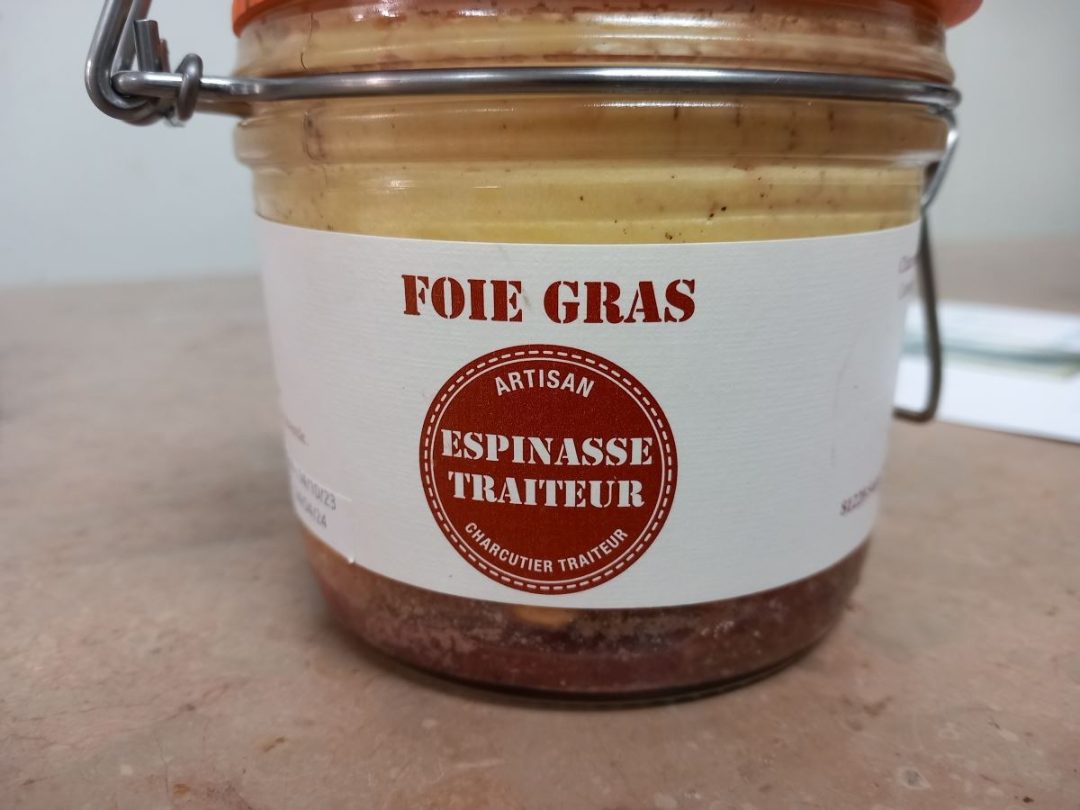
Foie gras “Espinasse caterer”

Gov France

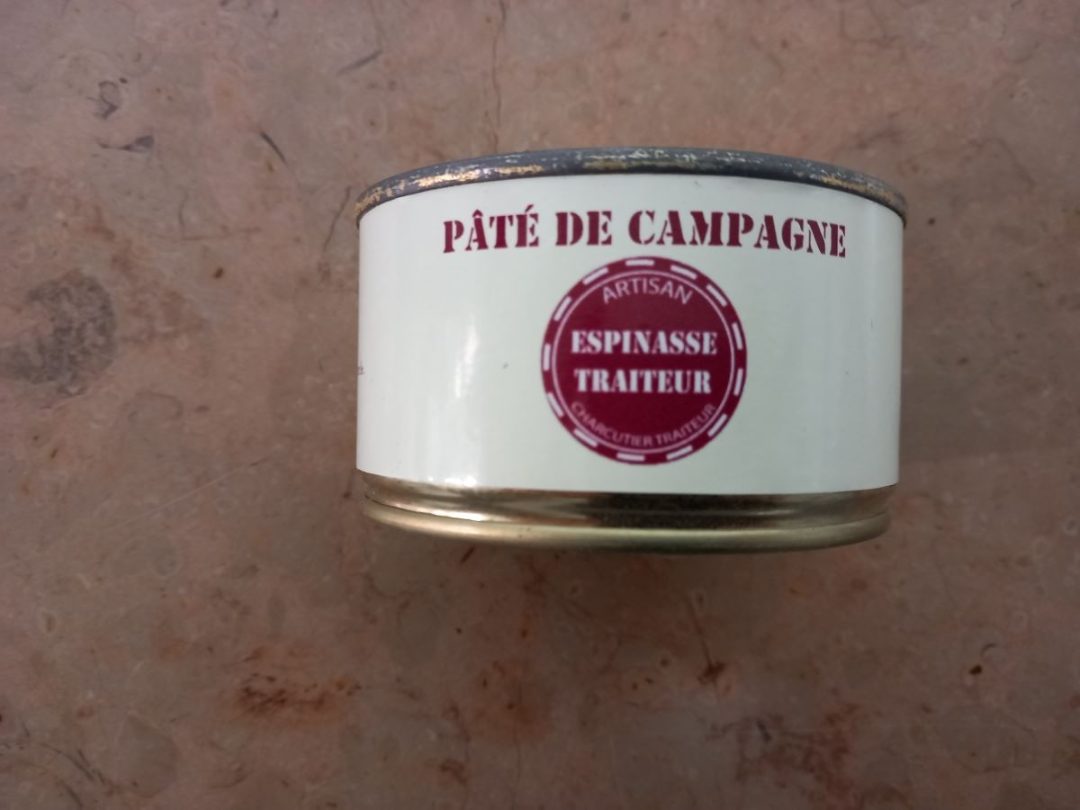
Country pâté “Espinasse caterer”

Gov France

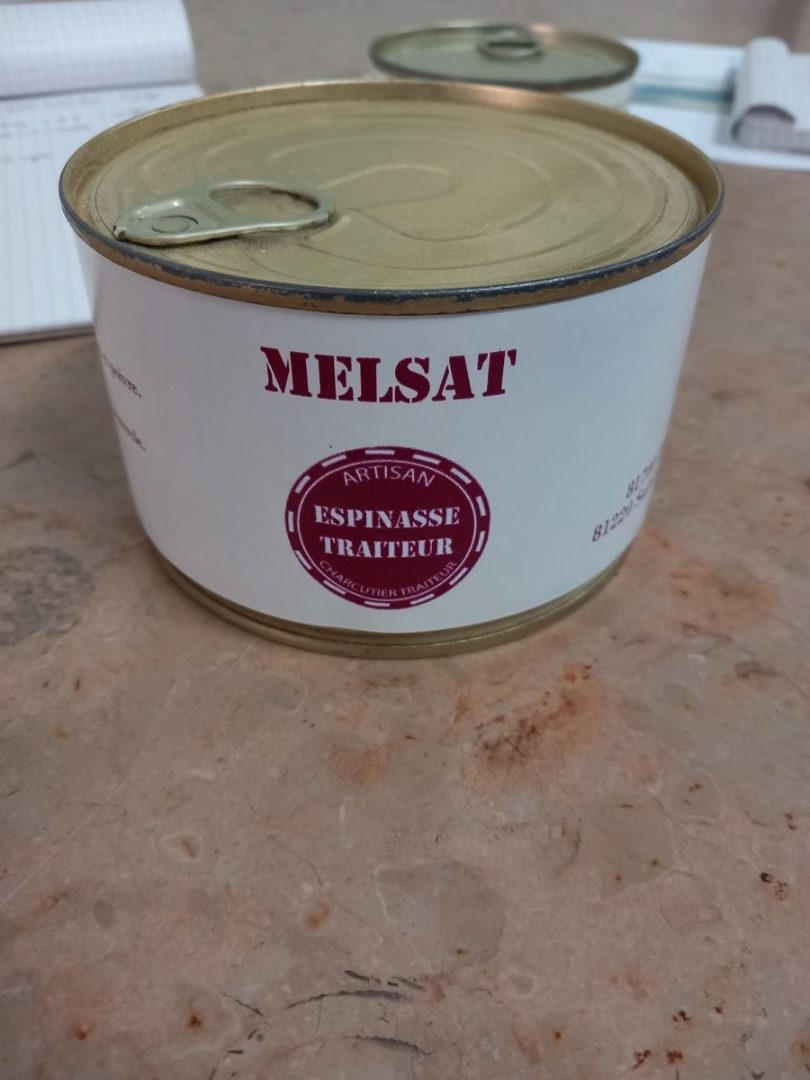
Melsat “Espinasse caterer”

Gov France

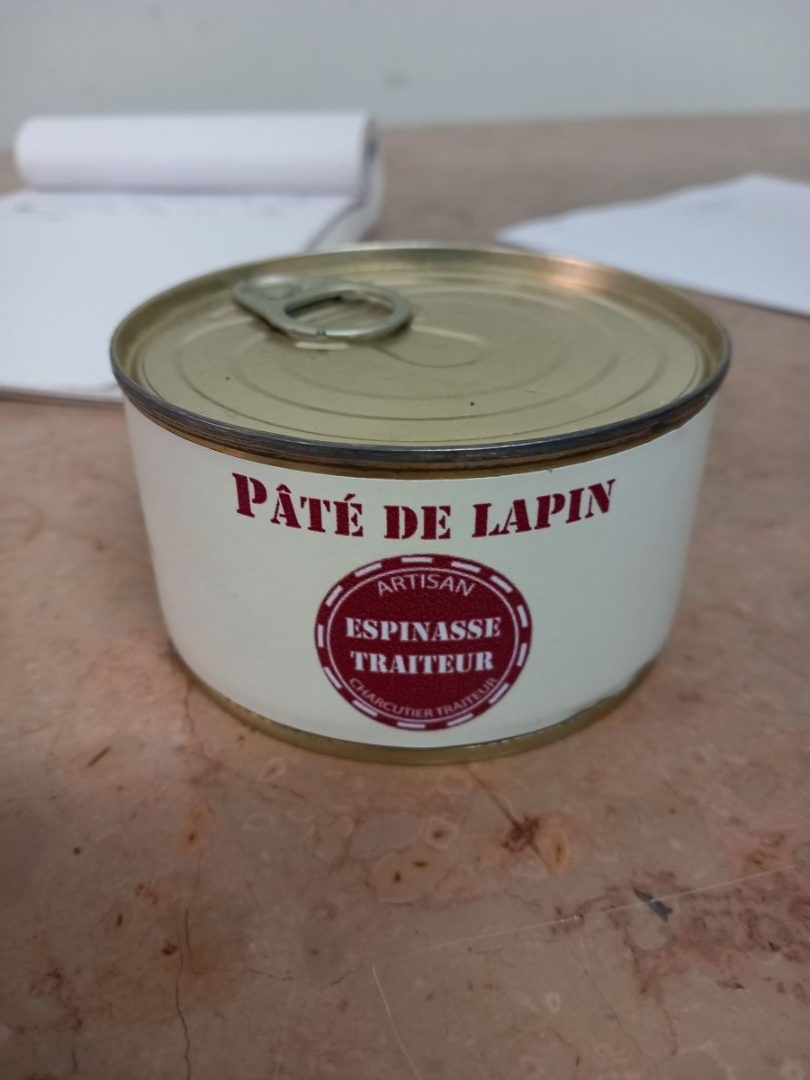
Rabbit pâté “Espinasse caterer”

Gov France

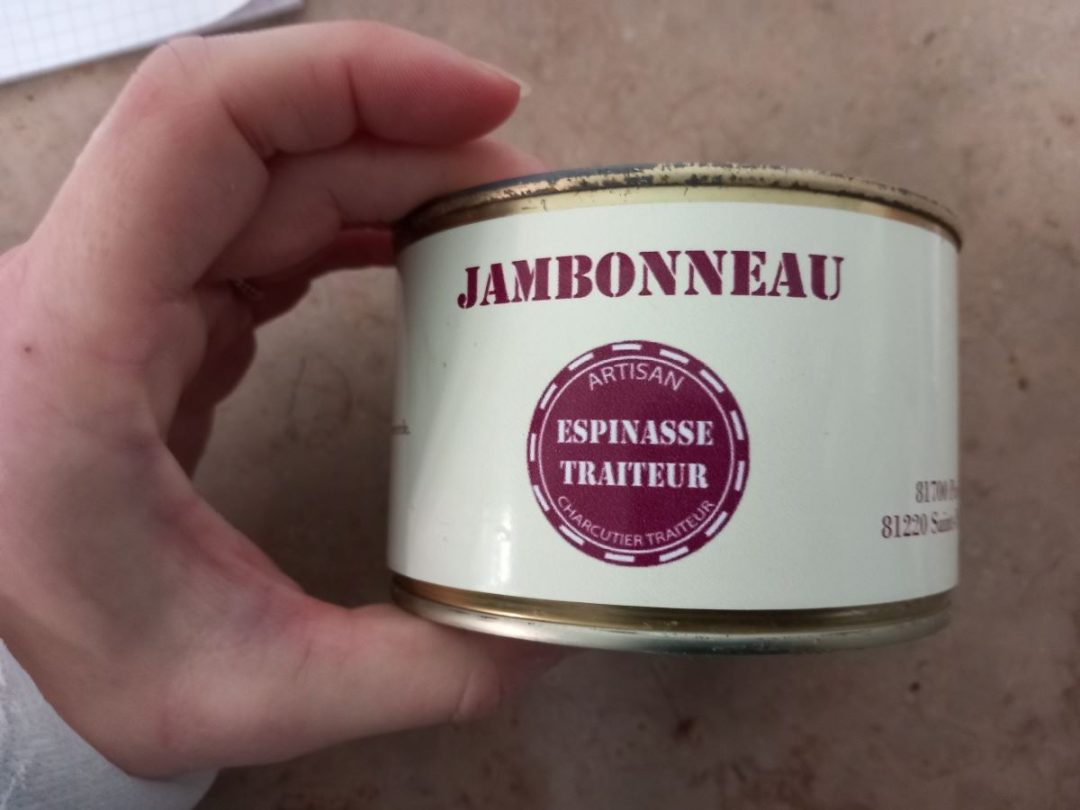
Jambonneau “Espinasse traiteur”

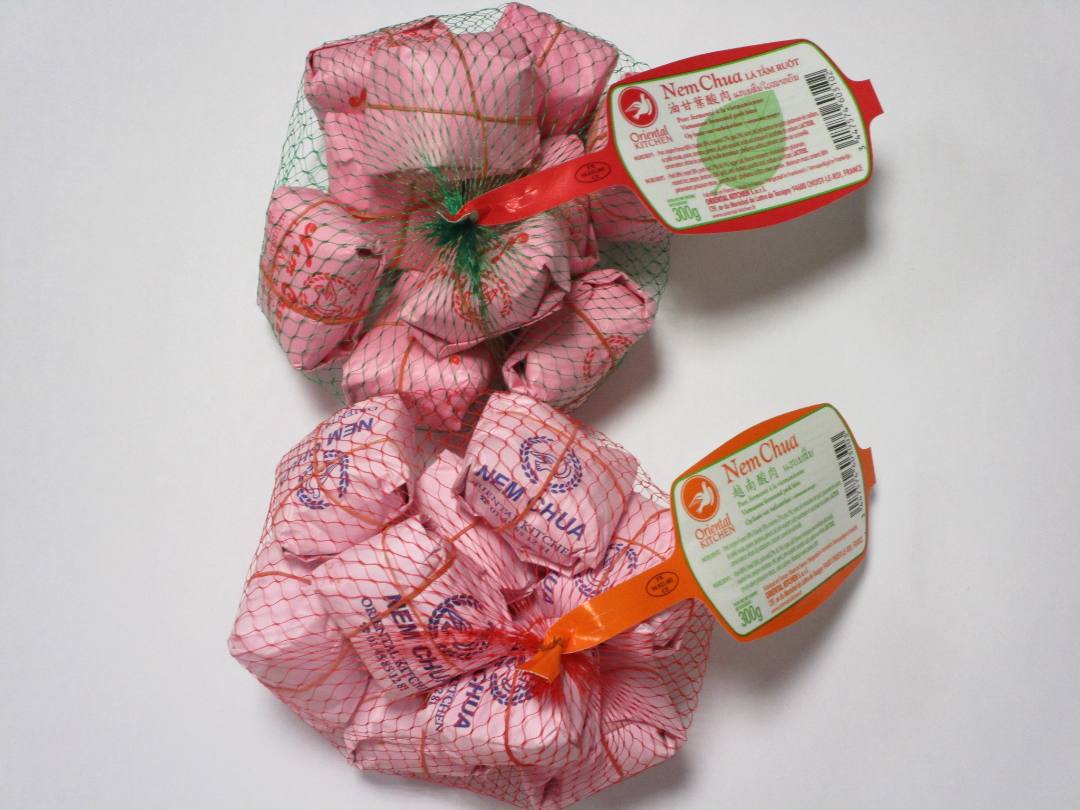
France – NEM CHUA and NEM CHUA La Tam Ruot – Listeria monocytogenes- Staphylococcus aureus

Gov France

Product category
Food
Product subcategory
Meats
Product brand name
ORIENTAL KITCHEN
Model names or references
NEM CHUA and NEM CHUA La Tam Ruot
Product identification
GTIN Batch Date
3447574603003 300g fillet with expiry date: 01/24/2024 Use-by date 01/24/2024
3447574603102 300g fillet with expiry date: 01/24/2024 Use-by date 01/24/2024
3447574603003 300g fillet with expiry date: 01/28/2024 Use-by date 01/28/2024
3447574603102 300g fillet with expiry date: 01/28/2024 Use-by date 01/28/2024
Packaging
Net of 10 units (300g)
Start/end date of marketing
From 01/04/2024 to 01/11/2024
Storage temperature
Product to be stored at room temperature
Health mark
FR 94.022.001 CE
Geographical sales area
Whole France
Distributors
Asian supermarkets and grocery stores

Research – Microbial diversity and prediction function profiling of microbial communities in rose jam

Wiley Online

Abstract

The microbial diversity of rose jam was analyzed by high-throughput sequencing, along with functional prediction of the bacterial community. The results indicate that PseudomonasPantoea, and Burkholderia emerged were the top three dominant bacterial groups. Proteobacteria was particularly abundant in R4 (99.1%) and R6 (96.12%).

Abstract

The microbial diversity of rose jam was analyzed by high-throughput sequencing, along with functional prediction of the bacterial community. The results indicate that PseudomonasPantoea, and Burkholderia emerged were the top three dominant bacterial groups. Proteobacteria was particularly abundant in R4 (99.1%) and R6 (96.12%). Zygosaccharomyces, unclassified fungi, and Botrytis constituted the top three fungal groups. The presence of unclassified OTUs was observed in all samples, particularly in R6 (52.36%), R8 (45.28), and R9 samples (39.57%). Gene prediction using PICRUSt revealed the existence of multiple KEGG functional modules associated with human metabolism in each rose jam sample. The presence of a high abundance of functional genes indicated the microbial community’s diverse wide range of microgenetic resources that can be further explored for research purposes. The microbial community found in rose jam exhibits remarkable diversity and encompasses valuable functional information relevant to human health.

, unclassified fungi, and Botrytis constituted the top three fungal groups. The presence of unclassified OTUs was observed in all samples, particularly in R6 (52.36%), R8 (45.28), and R9 samples (39.57%). Gene prediction using PICRUSt revealed the existence of multiple KEGG functional modules associated with human metabolism in each rose jam sample. The presence of a high abundance of functional genes indicated the microbial community’s diverse wide range of microgenetic resources that can be further explored for research purposes. The microbial community found in rose jam exhibits remarkable diversity and encompasses valuable functional information relevant to human health.