Monthly Archives: August 2024

Research – Microbiological Quality and Antibiotic Resistance of Relevant Bacteria from Horsemeat

MDPI

Abstract

The aim of this work was to assess the microbiological safety and quality of horsemeat. A total of 19 fresh horsemeat samples were analysed. Mesophile counts were 4.89 ± 1.08 log CFU/g, and EnterobacteriaceaeStaphylococcus spp., and enterococci were only isolated from 36.84%, 21.05%, and 15.79% of the samples, respectively. Neither Staphylococcus aureus nor Escherichia coli were found in any sample. Listeria spp. and Listeria monocytogenes were detected in 31.58% and 21.05% of the samples, respectively. Campylobacter jejuni was not detected in any sample. The dominant bacteria were lactic acid bacteria. Seven different Staphylococcus spp. were identified, the most common being S. delphiniS. saprophyticus, and S. warneriS. delphini showed resistance against mupirocin and cefoxitin. All the L. monocytogenes strains showed resistance against ampicillin, cefotaxime, and oxacillin. Multi-resistant Yersinia enterocoliticaStenotrophomonas maltophilia, and Vagococcus. fluvialis strains were found, with resistance to 11, 7, and 8 antibiotics, respectively, causing significant concern. Therefore, specific actions should be taken to decrease the contamination of horsemeat.

Research – Berry Pomace Extracts as a Natural Washing Aid to Mitigate Enterohaemorrhagic E. coli in Fresh Produce

MDPI

Abstract

Enterohemorrhagic Escherichia coli (EHEC) outbreaks have been frequently linked to the consumption of produce. Furthermore, produce grown on organic farms possess a higher risk, as the farmers avoid antibiotics and chemicals. This study sets out to evaluate the effectiveness of advanced postharvest disinfection processes using berry pomace extracts (BPEs) in reducing EHEC load in two common leafy greens, spinach and lettuce. Spinach and lettuce were inoculated with ~5 log CFU/leaf EHEC EDL-933 and then treated with three different concentrations of BPE (1, 1.5, and 2 gallic acid equivalent, GAE mg/mL) for increasing periods of time. After the wash, the bacteria were quantified. Changes in the relative expression of virulence genes and the genes involved in cell division and replication and response against stress/antibiotics were studied. We observed a significant reduction in EHEC EDL933, ranging from 0.5 to 1.6 log CFU/spinach leaf (p < 0.05) washed with BPE water. A similar trend of reduction, ranging from 0.3 to 1.3 log CFU/mL, was observed in pre-inoculated lettuce washed with BPE water. We also quantified the remaining bacterial population in the residual treatment solutions and found the survived bacterial cells (~3 log CFU/mL) were low despite repeated washing with the same solution. In addition, we evaluated the phenolic concentration in leftover BPE, which did not change significantly, even after multiple uses. Alterations in gene expression levels were observed, with downregulation ranging from 1 to 3 log folds in the genes responsible for the adhesion and virulence of EHEC EDL933 and significant upregulation of genes responsible for survival against stress. All other genes were upregulated, ranging from 2 to 7 log folds, with a dose-dependent decrease in expression. This finding shows the potential of BPE to be used for sanitation of fresh produce as a natural and sustainable approach.

Luxembourg – Kräutertee ‘Aufatmen’ from the brand Mein Kräutergarten – Salmonella

SAP

Name Herb tea ‘Aufatmen’
Brand My Herb Garden
Unit 30 g
Minimum durability date (MDD) 12/31/2027
Batch A-10941-wu-1

A-10941-wu-2

A-10941-wu-3

A-10941-wu-4

A-10941-wu-5

Danger  : Presence of Salmonella

Salmonella can cause symptoms such as nausea, vomiting, abdominal cramps, diarrhea, fever, and headache within 6 to 72 hours after consumption. These symptoms may be worse in young children, immunocompromised individuals, and the elderly. People who have consumed these products and are experiencing these symptoms are advised to consult a doctor and report their consumption.

The product can be distributed by different points of sale in Luxembourg.

Information source: RASFF (Rapid Alert System for Food and Feed)

Click to access aufatmenruckruf-1.pdf

Iceland – Salmonella in cakes

MAST

The Swedish Food Agency warns against the consumption of several batches of French macaron cakes with pistachio cream from Joie De Vivre imported by Costco Iceland, due to salmonella contamination. The company, in consultation with the health authorities of Garðabær, Hafnarfjörður, Kópavog, Mosfellsbær and Seltjarnarness, has recalled the products. Only sold in Costco stores. 

The recall only applies to the following production batches:

  • Brand: Joie De Vivre
  • Product name: French Macarons 36pk
  • Manufacturer: Ajinomoto Foods Europe
  • Importer: Costco UK/Costco Iceland
  • Country of manufacture: France
  • Lot number/best before dates: 14/08/2024, 19/08/2024, 09/09/2024, 18/09/2024, 27/09/2024.
  • Storage conditions: 0-4°C (refrigerated product)
  • Distribution: Costco Iceland

Consumers who have purchased the product are advised not to consume it, but to dispose of it or return it to the store.

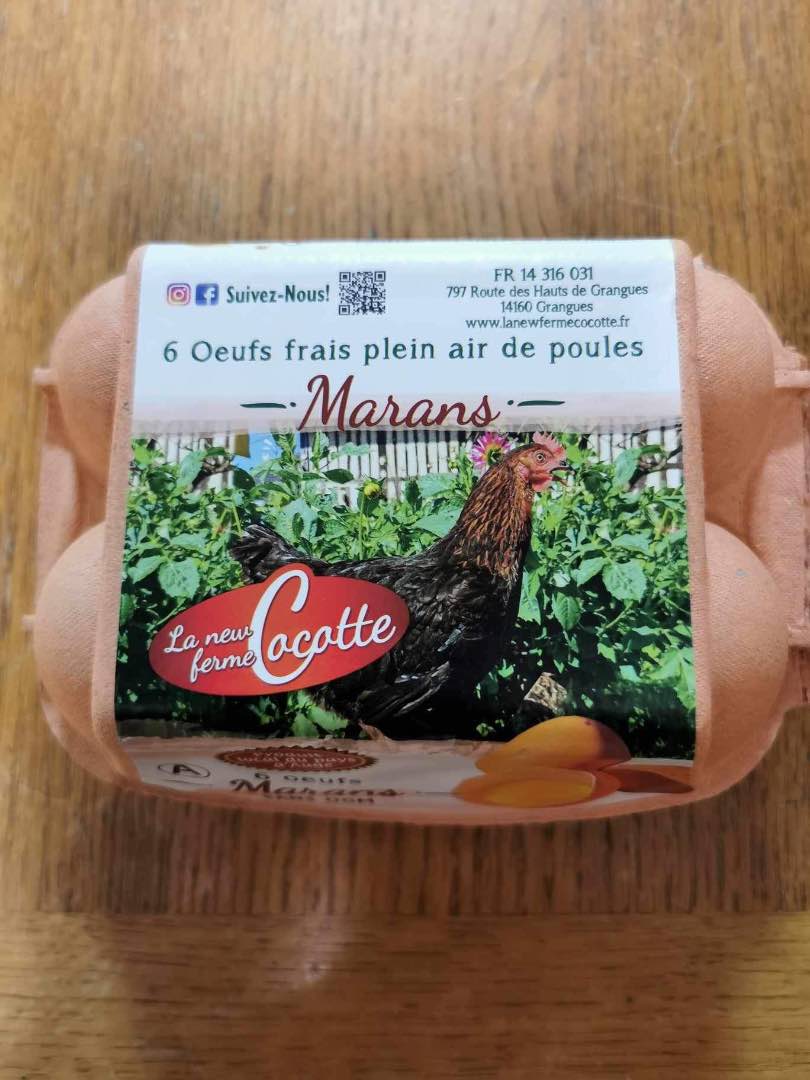
France – 6 Marans Hen Eggs – Salmonella

Gov France

Product Category
Food
Product subcategory
Eggs and egg products
Product brand name
The New Ferme Cocotte
Model names or references
Box of 6 eggs
Product identification
GTIN Batch Date
3770007836007 1FRSAV04 Expiry date between 04/08/2024 and 14/09/2024
Packaging
Box of 6 eggs
Start/End of marketing date
From 07/07/2024 to 08/28/2024
Storage temperature
Product to be kept in the refrigerator
Geographic area of ​​sale
Departments: CALVADOS (14)
Distributors
Cocci Market Blonville-Sur-Mer – Cocci Market Villers-Sur-Mer – Super U Dives-Sur-Mer/Troarn – Butcher’s Delicatessen Chesnel Cabourg – Chez Madeleine Deauville – Carrefour Market Trouville – Intermarché Lisieux – Carrefour City Houlgate

Research – Response of Escherichia coli to Acid Stress: Mechanisms and Applications—A Narrative Review

MDPI

Abstract

Change in pH in growth conditions is the primary stress for most neutralophilic bacteria, including model microorganism Escherichia coli. However, different survival capacities under acid stress in different bacteria are ubiquitous. Research on different acid-tolerance mechanisms in microorganisms is important for the field of combating harmful gut bacteria and promoting fermentation performance of industrial strains. Therefore, this study aimed to carry out a narrative review of acid-stress response mechanism of E. coli discovered so far, including six AR systems, cell membrane protection, and macromolecular repair. In addition, the application of acid-tolerant E. coli in industry was illustrated, such as production of industrial organic acid and developing bioprocessing for industrial wastes. Identifying these aspects will open the opportunity for discussing development aspects for subsequent research of acid-tolerant mechanisms and application in E. coli.

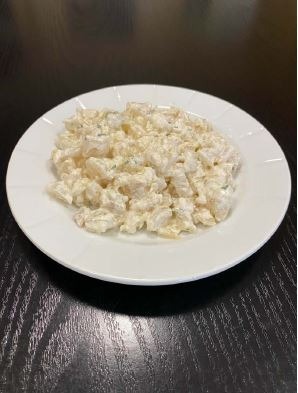
France – SALAD OF MINCED CATTLE’S FEET – Salmonella

Gov France

Product Category
Food
Product subcategory
Meats
Product brand name
VIABAT
Model names or references
SLICED CATTLE’S FEET SALADS LOT 213 LS TRAYS APPROXIMATELY 400 G AND 3 KG BUCKETS
Product identification
GTIN Batch Date
34598300013 LOT 213 Expiry date 09/09/2024
LOT 213 Expiry date 08/22/2024
Start/End of marketing date
From 02/08/2024 to 20/08/2024
Storage temperature
Product to be kept in the refrigerator
Health mark
FR 69 273 007 CE
Geographic area of ​​sale
Whole France
Distributors
traditional butchers and wholesalers/resellers

RASFF Alerts- Salmonella – Polish Poultry Products – Mussels – Salad Mix with Chard – Sesame Seeds – Fresh Chicken Broiler – Organic thyme-leaf Sandwort – Chicken Cuts – Chicken Meat Preparations – Chicken Thighs – Roasted Cocoa Beans

RASFF

S. Infantis in poultry meat from Poland in Bulgaria and Germany

RASFF

Detected salmonella in salad mix with chard (mangold) from Sweden in Denmark and Finland

RASFF

Salmonella spp. in sesame seeds from India in Spain

RASFF

Salmonella in Mussels from the Netherlands in Belgium

RASFF

Salmonella enteritidis in fresh chicken broiler from Lithuania in Latvia and Estonia

RASFF

Salmonella spp. (in 1 out of 5 samples) in fresh duck legs from Poland in Lithuania

RASFF

Salmonella Enteritidis in chicken meat from Poland in France and the UK

RASFF

Salmonella spp. in organic thyme-leaf sandwort from Kosovo, via Austria and Germany in France, Italy, Kosovo, Luxembourg and Switzerland

RASFF

Salmonella spp. in raw material for frozen chicken skewers from Germany in Poland

RASFF

Salmonella Infantis (in 3 out of 5 units) in fresh chicken thighs from Poland in Latvia

RASFF

S. Typhimurium in chicken cuts and meat preparations from France in Germany

RASFF

Salmonella in frozen chicken thighs from Spain in France

RASFF

Salmonella spp. in roasted cocoa beans from Germany in Denmark

RASFF Alert- Microbiological Growth – Enchilada/Salsa sauce

RASFF

Microbiological growth in Enchilada/Salsa sauce from Netherlands in Denmark, Germany, Norway and Sweden

RASFF Alert- Norovirus – Clams

RASFF

Norovirus GII in clams (ruditapes phillipinarum) with origin Italy, from harvest area in Portugal in Malta