Archives
-
Join 346 other subscribers
KSWFoodWorld
Blog Stats
- 445,392 Views
Monthly Archives: February 2023
Research – Impact of Pipe Material and Temperature on Drinking Water Microbiome and Prevalence of Legionella, Mycobacterium, and Pseudomonas Species
In drinking water distribution systems (DWDSs), pipe material and water temperature are some of the critical factors affecting the microbial flora of water. Six model DWDSs consisting of three pipe materials (galvanized steel, copper, and PEX) were constructed. The temperature in three systems was maintained at 22 °C and the other 3 at 32 °C to study microbial and elemental contaminants in a 6-week survey using 16S rRNA next-generation sequencing (NGS) and inductively coupled plasma-optical emission spectrometry (ICP-OES). Pipe material and temperature were preferentially linked with the composition of trace elements and the microbiome of the DWDSs, respectively. Proteobacteria was the most dominant phylum across all water samples ranging from 60.9% to 91.1%. Species richness (alpha diversity) ranking was PEX < steel ≤ copper system and elevated temperature resulted in decreased alpha diversity. Legionellaceae were omni-prevalent, while Mycobacteriaceae were more prevalent at 32 °C (100% vs. 58.6%) and Pseudomonadaceae at 22 °C (53.3% vs. 62.9%). Heterogeneity between communities was disproportionately driven by the pipe material and water temperature. The elevated temperature resulted in well-defined microbial clusters (high pseudo-F index) in all systems, with the highest impact in PEX (10.928) followed by copper (9.696) and steel (5.448). Legionellaceae and Mycobacteriaceae are preferentially prevalent in warmer waters. The results suggest that the water temperature has a higher magnitude of impact on the microbiome than the pipe material.
Posted in Contaminated water, Decontamination Microbial, Food Micro Blog, Food Microbiology, Food Microbiology Blog, Food Microbiology Research, Food Microbiology Testing, Legionella, microbial contamination, Microbial growth, Microbiological Risk Assessment, Microbiology, Microbiology Investigations, Microbiology Risk, Mycobacterium, Pseudomonas, Water, water microbiology, Water Safety
Research – Lysine-Derived Maillard Reaction Products Inhibit the Growth of Salmonella enterica Serotype Typhimurium
Abstract
An emerging consumer trend to purchase minimally heated and ready-to-eat food products may result in processing methods that do not effectively reduce pathogenic populations. Crude Maillard reaction products (MRPs) are naturally generated compounds that have been shown to display antimicrobial effects against pathogens. Crude MRPs were generated from reducing sugars (fructose (Fru), glucose (Glc), ribose (Rib) or xylose (Xyl)) with lysine and the melanoidin equivalence was measured using an absorbance of 420 nm (Ab420). The relative antimicrobial activity of each MRP was measured by examining both the length of lag phase and maximum growth rate. MRPs were found to significantly shorten the lag phase and decrease the maximum growth rate of S. Typhimurium (p < 0.05). Glucose-lysine MRP (GL MRP) was determined to have the highest relative melanoidin (1.690 ± 0.048 at Ab420) and its efficacy against S. Typhimurium populations was measured at 37 °C and at pH 7.0 and estimated on xylose lysine deoxycholate (XLD) agar. GL MRP significantly reduced S. Typhimurium populations by >1 log CFU/mL at 8 and 24 h after inoculation (p < 0.05). GL MRPs also further decreased S. Typhimurium populations significantly under thermal stress condition (55 °C) compared to optimal (37 °C) by ~1 log CFU/mL (p < 0.05). Overall, GL MRP demonstrated effective antimicrobial activity against S. Typhimurium at 37 °C and 55 °C.
Research – Hurdle Technology Approach to Control Listeria monocytogenes Using Rhamnolipid Biosurfactant
Abstract
This study evaluates the combination of mild heat with a natural surfactant for the inactivation of L. monocytogenes Scott A in low-water-activity (aw) model systems. Glycerol or NaCl was used to reduce the aw to 0.92, and different concentrations of rhamnolipid (RL) biosurfactant were added before heat treatment (60 °C, 5 min). Using glycerol, RL treatment (50–250 µg/mL) reduced bacterial population by less than 0.2 log and heat treatment up to 1.5 log, while the combination of both hurdles reached around 5.0 log reduction. In the NaCl medium, RL treatment displayed higher inactivation than in the glycerol medium at the same aw level and a larger synergistic lethal effect when combined with heat, achieving ≥ 6.0 log reduction at 10–250 µg/mL RL concentrations. The growth inhibition activity of RL was enhanced by the presence of the monovalent salts NaCl and KCl, reducing MIC values from >2500 µg/mL (without salt) to 39 µg/mL (with 7.5% salt). The enhanced antimicrobial activity of RL promoted by the presence of salts was shown to be pH-dependent and more effective under neutral conditions. Overall, results demonstrate that RL can be exploited to design novel strategies based on hurdle approaches aiming to control L. monocytogenes.
Posted in Decontamination Microbial, Food Micro Blog, Food Microbiology, Food Microbiology Blog, Food Microbiology Research, Food Microbiology Testing, Listeria, Listeria monocytogenes, microbial contamination, Microbial growth, Microbiological Risk Assessment, Microbiology, Microbiology Investigations, Microbiology Risk
Research – Listeria monocytogenes, Escherichia coli and Coagulase Positive Staphylococci in Cured Raw Milk Cheese from Alentejo Region, Portugal
Traditional cheeses are part of the Portuguese gastronomic identity, and raw milk of autochthonous species is a common primary ingredient. Here, we investigated the presence of Listeria monocytogenes, Coagulase Positive Staphylococci (CPS) and pathogenic Escherichia coli, as well as of indicator microorganisms (E. coli and other Listeria spp.) in 96 cured raw milk cheeses from the Alentejo region. Whole genome sequencing (WGS) of pathogenic E. coli and Listeria spp. as well as antimicrobial resistance (AMR) screening of E. coli isolates was also performed. L. monocytogenes, CPS > 104 cfu/g and Extra intestinal E. coli were detected in 15.6%, 16.9% and 10.1% of the samples, respectively. Moreover, L. monocytogenes > 102 cfu/g and Staphylococcal enterotoxins were detected in 4.2% and 2.2% of the samples, respectively. AMR was observed in 27.3% of the E. coli isolates, six of which were multidrug resistant. WGS analysis unveiled clusters of high closely related isolates for both L. monocytogenes and L. innocua (often correlating with the cheese producer). This study can indicate poor hygiene practices during milk collection/preservation or during cheese-making procedures and handling, and highlights the need of more effective prevention and control measures and of multi-sectoral WGS data integration, in order to prevent and detect foodborne bacterial outbreaks.
Posted in E.coli, food bourne outbreak, Food Micro Blog, Food Microbiology, Food Microbiology Blog, Food Microbiology Research, Food Microbiology Testing, foodborne outbreak, foodbourne outbreak, Listeria monocytogenes, microbial contamination, Microbial growth, Microbiological Risk Assessment, Microbiology, Microbiology Investigations, Microbiology Risk, outbreak, Staphylococcus aureus
Research – The Effect of High-Pressure Processing on the Survival of Non-O157 Shiga Toxin-Producing Escherichia coli in Steak Tartare: The Good- or Best-Case Scenario?
Abstract
Samples of steak tartare were artificially contaminated with a cocktail of Shiga toxin-producing Escherichia coli (STEC) O91, O146, O153, and O156 to the level of 3 log and 6 log CFU/g. Immediately after vacuum packing, high-pressure processing (HPP) was performed at 400 or 600 MPa/5 min. Some of the samples not treated with HPP were cooked under conditions of 55 °C for 1, 3, or 6 h. HPP of 400 MPa/5 min resulted in a 1–2 log reduction in the STEC count. In contrast, HPP of 600 MPa/5 min led to the elimination of STEC even when inoculated to 6 log CFU/g. Nevertheless, sub-lethally damaged cells were resuscitated after enrichment, and STEC was observed in all samples regardless of the pressure used. STEC was not detected in the samples cooked in a 55 °C water bath for 6 h, even after enrichment. Unfortunately, the temperature of 55 °C negatively affected the texture of the steak tartare. Further experiments are necessary to find an optimal treatment for steak tartare to assure its food safety while preserving the character and quality of this attractive product.
Posted in Decontamination Microbial, E.coli O157, E.coli O157:H7, Food Micro Blog, Food Microbiology, Food Microbiology Blog, Food Microbiology Testing, HPP, microbial contamination, Microbial growth, Microbiological Risk Assessment, Microbiology, Microbiology Investigations, Microbiology Risk, O146, O153, O156, STEC, STEC E.coli
Research – 10 surprising facts about the ‘mind-control’ parasite Toxoplasma gondii
Toxoplasma gondii is a single-celled protozoan parasite that invades the cells of a variety of host organisms, including humans, and causes a disease known as toxoplasmosis. T. gondii is sometimes nicknamed the “mind-control parasite” because toxoplasmosis can cause a range of neurological and behavioural changes in infected animals, although most human infections have no clear symptoms.
The pathogen is one of the most common infectious parasites in the world and could lay dormant in up to half of the world’s population, as well as almost any warm-blooded animal species. But there is still much we don’t know about this extremely weird parasite.
From its unusual affinity for cats to its ties to schizophrenia, at the link above are 10 surprising facts about T. gondii.
Research- Repeated cross-sectional study identifies differing risk factors associated with microbial contamination in common food products in the United Kingdom
Highlights
- •
-
E. coli was found in 29–99% of the five food types studied.
- •
-
Salmonella was higher in imported frozen chicken than domestic chilled chicken.
- •
-
E. coli and Klebsiella detection were higher in summer and autumn for leafy greens.
- •
-
Klebsiella detection was higher in summer for chicken and pork.
- •
-
Vibrio contamination was common in raw prawns at 60.4%.
Abstract
All foods carry microbes, many of which are harmless, but foods can also carry pathogens and/or microbial indicators of contamination. Limited information exists on the co-occurrence of microbes of food safety concern and the factors associated with their presence. Here, a population-based repeated cross-sectional design was used to determine the prevalence and co-occurrence of Escherichia coli, Klebsiella spp., Salmonella spp. and Vibrio spp. in key food commodities – chicken, pork, prawns, salmon and leafy greens. Prevalence in 1,369 food samples for these four target bacterial genera/species varied, while 25.6% of all samples had at least two of the target bacteria and eight different combinations of bacteria were observed as co-occurrence profiles in raw prawns. Imported frozen chicken was 6.4 times more likely to contain Salmonella than domestic chicken, and imported salmon was 5.5 times more likely to be contaminated with E. coli. Seasonality was significantly associated with E. coli and Klebsiella spp. contamination in leafy greens, with higher detection in summer and autumn. Moreover, the odds of Klebsiella spp. contamination were higher in summer in chicken and pork samples. These results provide insight on the bacterial species present on foods at retail, and identify factors associated with the presence of individual bacteria, which are highly relevant for food safety risk assessments and the design of surveillance programmes.
Posted in E.coli, Food Micro Blog, Food Microbiology, Food Microbiology Blog, Food Microbiology Research, Food Microbiology Testing, Klebsiella, microbial contamination, Microbial growth, Microbiological Risk Assessment, Microbiology, Microbiology Investigations, Microbiology Risk, Salmonella, Salmonella in Chicken, Vibrio
Ireland – Extended recall by Western Brand of some batches of various raw chicken products due to the possible presence of Salmonella
| Summary | |
|---|---|
| Category 1: | For Action |
| Alert Notification: | 2023.02 (Update 1) |
| Product: | Please see table below. |
| Batch Code: | Please see table below. |
| Country Of Origin: | Ireland |
Message:
Further to Food Alert 2023.02 Western Brand is undertaking a precautionary recall of further batches of various raw chicken products due to the possible presence of Salmonella. Please see table below for details of the implicated batches. Point-of-sale recall notices will be displayed in stores supplied with the implicated batches.
Nature Of Danger:
People infected with Salmonella typically develop symptoms between 12 and 36 hours after infection, but this can range between 6 and 72 hours. The most common symptom is diarrhoea, which can sometimes be bloody. Other symptoms may include fever, headache and abdominal cramps. The illness usually lasts 4 to 7 days. Diarrhoea can occasionally be severe enough to require hospital admission. The elderly, infants, and those with impaired immune systems are more likely to have a severe illness.
Action Required:
Manufacturers, wholesalers, distributors, caterers & retailers:
Retailers are requested to remove the implicated batches from sale and to display a point-of-sale recall notice in stores where the affected batches were sold.
Consumers:
Consumers are advised not to eat the implicated batches. If the chicken has already been consumed, cooking should remove the risk. Raw chicken should always be handled hygienically when defrosting and preparing it, and also cooked thoroughly before eating it.
Posted in food contamination, food handler, Food Hazard, Food Hazrd, Food Hygiene, Food Inspections, Food Micro Blog, Food Microbiology, Food Microbiology Blog, Food Microbiology Testing, Food Pathogen, food recall, Food Safety, Food Safety Alert, Food Safety Management, Food Safety Regulations, Food Testing, FSAI, Salmonella, Salmonella in Chicken
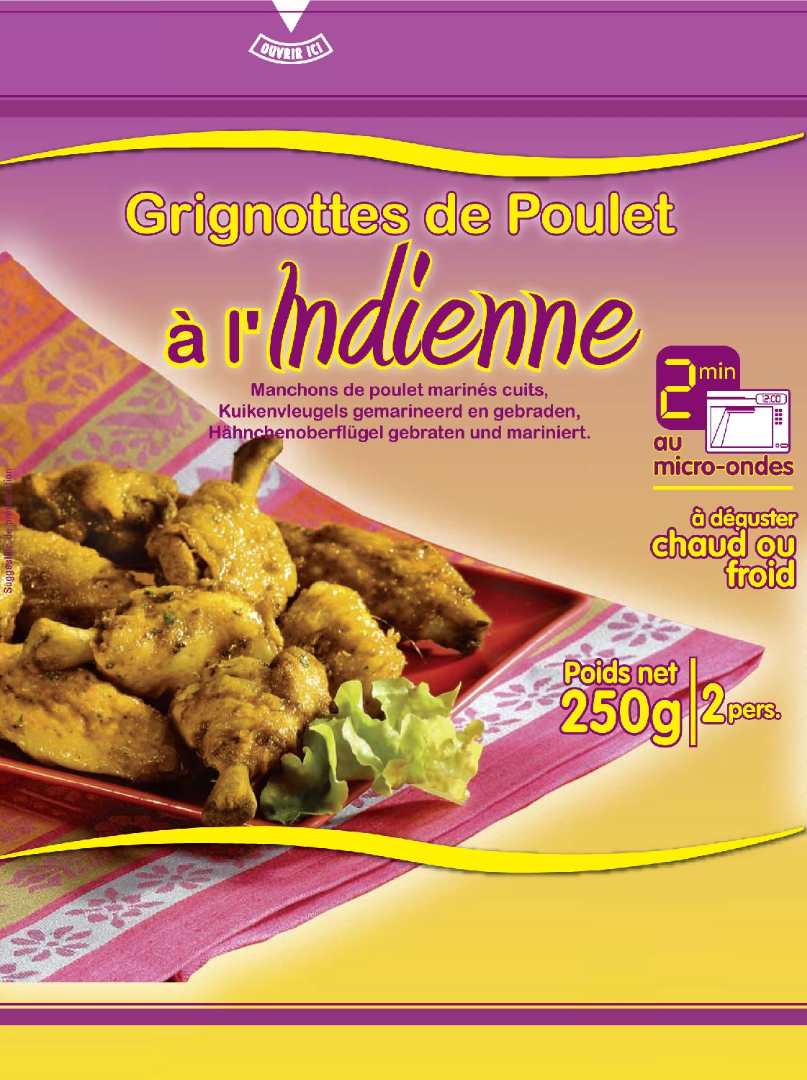
France – Indian chicken nuggets – Listeria monocytogenes

Identification information of the recalled product
- Product category Feed
- Product subcategory Meats
- Product brand name Unbranded
- Model names or references Sachet 250g
- Identification of products
GTIN Lot Date 3266980239886 lot 27 Use-by date 02/18/2023 - Marketing start/end date From 31/01/2023 to 03/02/2023
- Storage temperature Product to be stored in the refrigerator
- Health mark FR 72.264.002 CE
- Geographic area of sale Whole France
- Distributors Auchan
Practical information regarding the recall
- Reason for recall Suspicion of the presence of Listeria monocytogenes
- Risks incurred by the consumer Listeria monocytogenes (causative agent of listeriosis)
Posted in food contamination, food handler, Food Hazard, Food Hygiene, Food Inspections, Food Micro Blog, Food Microbiology, Food Microbiology Blog, Food Microbiology Testing, Food Pathogen, food recall, Food Safety, Food Safety Alert, Food Safety Management, Food Safety Regulations, Food Testing, Listeria, Listeria monocytogenes
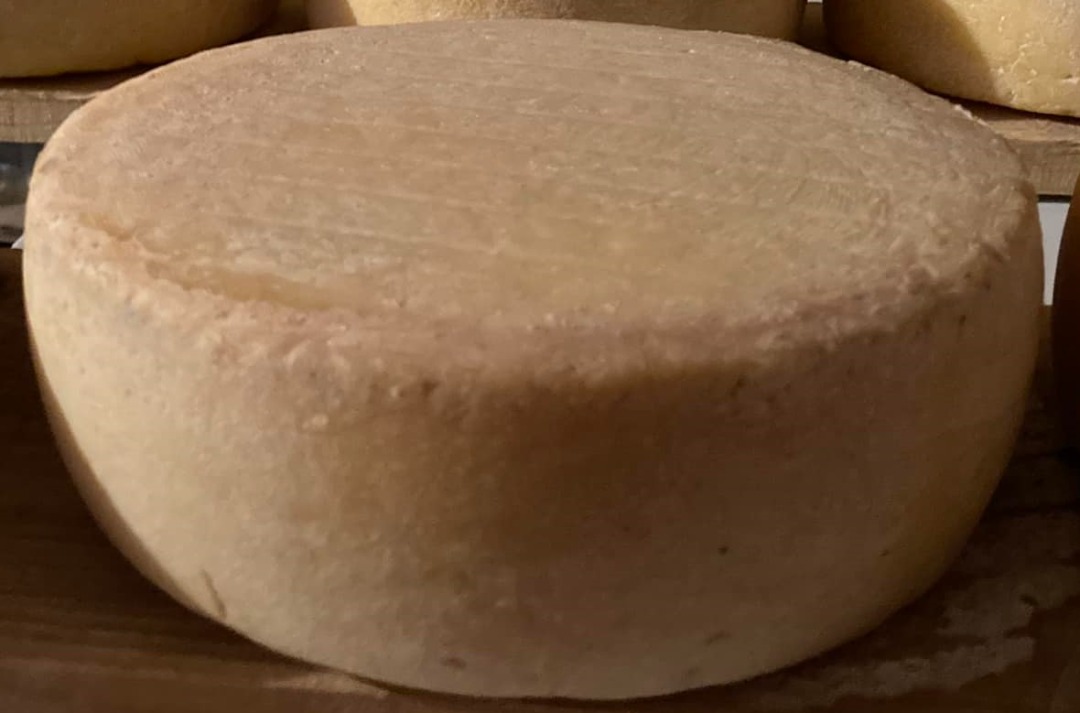
France – Farm Tomme – Cheese

Identification information of the recalled product
- Product category Feed
- Product subcategory Milk and dairy products
- Product brand name The Cows of Fadainville
- Model names or references Tomme de Fadainville
- Identification of products
Batch Tomme from 22-12-2022 to 24-01-2023 - Packaging the cutting
- Marketing start/end date From 01/25/2023 to 01/28/2023
- Storage temperature Product to be stored in the refrigerator
- Geographic area of sale Serazereux
- Distributors farm shop
Practical information regarding the recall
- Reason for recall Suspicion of listeria contamination
- Risks incurred by the consumer Listeria monocytogenes (causative agent of listeriosis)
Posted in food contamination, food handler, Food Hazard, Food Hygiene, Food Inspections, Food Micro Blog, Food Microbiology, Food Microbiology Blog, Food Microbiology Testing, Food Pathogen, food recall, Food Safety, Food Safety Alert, Food Safety Management, Food Safety Regulations, Food Testing, Listeria, Listeria monocytogenes