Monthly Archives: February 2022

Research – Antibacterial Effect of Oregano Essential Oil against Vibrio vulnificus and Its Mechanism

MDPI

Oregano essential oil (OEO) is an effective natural antibacterial agent, but its antibacterial activity against Vibrio vulnificus has not been widely studied. The aim of this study was to investigate the inhibitory effect and germicidal activity of OEO on V. vulnificus and its possible inhibition mechanism. The minimum inhibitory concentrations (MICs) and minimum bactericidal concentrations (MBCs) of OEO against four V. vulnificus strains (ATCC 27562 and three isolates from seafoods) were from 0.06 to 0.15 μL/mL. Compared with untreated bacteria, OEO reduced the concentration of intracellular adenosine triphosphate (ATP), hyperpolarized the cell membrane, increased the level of reactive oxygen species (ROS), and increased the concentration of intracellular malondialdehyde (MDA), but there was no obvious DNA damage at the OEO test concentration. It was indicated that OEO inactivated V. vulnificus by generating ROS which caused lipid peroxidation of cell membranes, thereby reducing the permeability and integrity of cell membranes and causing morphological changes to cells, but there was no obvious damage to DNA. In addition, OEO could effectively kill V. vulnificus in oysters at 25 °C, and the number of bacteria decreased by 48.2% after 0.09% OEO treatment for 10 h. The good inhibitory effect and bactericidal activity of OEO showed in this study, and the economy and security of OEO make it possible to apply OEO to control V. vulnificus contamination in oysters and other seafoods. View Full-Text

Research – Effect of Anolyte on S. Typhimurium and L. monocytogenes Growth in Minced Pork and Beef Cuts

MDPI

In this paper, anolyte is considered as a possible disinfectant for inhibiting the growth of bacteria in meat (beef cuts and minced pork). Meat cuts were contaminated with two concentrations of L. monocytogenes and S. Typhimurium, as these are the most common meat pathogens that are closely regulated by the EU, and treated with two different concentrations of anolyte: 20% for beef cuts and 18% for minced pork. Then, the total viable count (TVC), L. monocytogenes count and S. Typhimurium count were determined. In meat cuts and minced pork, anolyte was able to reduce TVC, S. Typhimurium and L. monocytogenes counts effectively, significantly decreasing L. monocytogenes and S. Typhimurium counts after spraying and throughout 29 days of incubation at 0–4 °C. TVC was reduced after spraying and for 10 days of incubation but later increased to be the same as before spraying with anolyte. Anolyte was effective when spraying beef cuts with a 20% solution for 60 s against pathogenic bacteria L. monocytogenes and Salmonella spp. and also when using it at a concentration of 18% from the minced meat mass. Initially, anolyte significantly decreased TVC, however during the storage period (10–29 days) TVC increased but remained significantly lower compared to control. Anolyte was effective in reducing L. monocytogenes and S. Typhimurium counts throughout the study, and after 29 days of incubation, these bacteria could not be detected in the samples treated with anolyte. View Full-Text

Research – Antifungal Preservation of Food by Lactic Acid Bacteria

MDPI

Aflatoxin

Image CDC

Fungal growth and consequent mycotoxin release in food and feed threatens human health, which might even, in acute cases, lead to death. Control and prevention of foodborne poisoning is a major task of public health that will be faced in the 21st century. Nowadays, consumers increasingly demand healthier and more natural food with minimal use of chemical preservatives, whose negative effects on human health are well known. Biopreservation is among the safest and most reliable methods for inhibiting fungi in food. Lactic acid bacteria (LAB) are of great interest as biological additives in food owing to their Generally Recognized as Safe (GRAS) classification and probiotic properties. LAB produce bioactive compounds such as reuterin, cyclic peptides, fatty acids, etc., with antifungal properties. This review highlights the great potential of LAB as biopreservatives by summarizing various reported antifungal activities/metabolites of LAB against fungal growth into foods. In the end, it provides profound insight into the possibilities and different factors to be considered in the application of LAB in different foods as well as enhancing their efficiency in biodetoxification and biopreservative activities. View Full-Text

Research – Phytic Acid against Clostridium perfringens Type A: A Food Matrix Study

MDPI

CDC Clost perf

This study evaluated the inhibitory effect of phytic acid (PA) on the spore germination and vegetative cells growth of Clostridium perfringens type A, as well as its effect in combination with maltodextrin (MD) in cooked sausages. The addition of 1% PA showed a satisfactory inhibition of spores’ germination and vegetative cells growth of C. perfringens in BHI media. The inhibitory effect of 1% PA on vegetative cells was similar to the additive sodium sorbate (SS) at 10%. Subsequently, a mixture of PA-MD (1:1; w/w) was evaluated for the inhibition of C. perfringens spores in cooked sausages. The PA-MD 1.5% and 2.5% had a similar performance to SS 10% and a similar or higher performance than 0.015% NO2 (p < 0.05). In an unprecedented way, the present study demonstrated that PA inhibited spore germination and vegetative cells growth of C. perfringens, highlighting its potential use as an alternative and natural preservative for the meat industry. View Full-Text

Research – Minimizing microbial contamination in primary production of fruits, vegetables, herbs and spices

Nestle

In the recent past, many plant-based ingredients, either processed or unprocessed, were found to be contaminated with pathogenic bacteria, viruses or parasites:–
In 2010, 272 individuals were infected with the bacterium Salmonella. This US outbreak was traced back to contaminated black pepper.–
In 2003, 640 people were sick and four died due to Hepatitis A virus in green onions. This was the most widespread Hepatitis A outbreak in the US.–
In 2015 in the US, 546 people were ill due to the parasite Cyclospora in fresh cilantro. Contamination was found to be caused by poor agricultural practices.
Where does the contamination at farm level come from?
Contamination can have several origins, these are the so-called “routes of microbial contamination”. Seven routes have been identified:
1. Growing field and adjacent land;
2. Animals;
3.Manure-based soil amendments;
4.Agricultural water;
5. Hygiene and human health;
6.Worker harvesting practices;
7.Equipment, premises and transportation.

See the full guide at the link above

Research – EU Commission notice on guidance document on addressing microbiological risks in fresh fruits and vegetables at primary production through good hygiene – 2017

EUR LEX

Norovirus Food Safety kswfoodworld

According to the 2014 Zoonosis Monitoring Report (1), the majority of verified outbreaks in the EU were associated with foodstuffs of animal origin. Fruit and vegetables were implicated in only 7,1 % of the verified outbreaks, primarily caused by frozen raspberries contaminated with Norovirus, albeit showing an increase compared to 2013 where ‘vegetables and juices’ were reported in 4,4 % of the outbreaks.

Nevertheless, the possible consequences of microbiological contamination of fresh fruits and vegetables (FFV) cannot be under­estimated as shown by the German crisis (2) linked to the contamination of sprouts by Verotoxin-producing Escherichia coli (VTEC).In the aftermath of this VTEC crisis in 2011, the Commission asked the European Food Safety Authority (EFSA) to advice on the public health risks posed by pathogens in food of non-animal origin (FNAO), addressing in particular the risk factors and the mitigation options including possible microbiological criteria.

As a result, EFSA issued six scientific opinions on the following food/pathogen combinations identified as the most important risks within FNAO:

1) VTEC in seeds and sprouted seeds

(2) Salmonella and Norovirus in food of leafy greens eaten raw as salads.

(3) Salmonella and Norovirus in berries.

(4) Salmonella and Norovirus in tomatoes.

(5) Salmonella in melons.

(6) Salmonella, Yersinia, Shigella and Norovirus in bulb and stem vegetables, and carrots.

This guideline takes account of the relevant opinions of EFSA, and consultation with Member States experts and relevant stakeholders. Though it is intended to offer practical help to growers, it may also be used by official inspectors during their audits where appropriate. EFSA confirmed that further research on possible risks and risk mitigating measures related to FFV should continue.

USDA – Don’t Fumble Food Safety on Super Bowl Sunday

USDA

WASHINGTON, Feb. 3, 2022 — On February 13, millions of Americans will come together to watch Super Bowl LVI and feast on hot and cold snacks throughout the four-hour event. This uniquely American tradition scores big on entertainment, but it is also rife with opportunity for foodborne illness.

“As families and friends safely gather to watch the big game, keep food safety in mind. No matter who you’re rooting for, foodborne illness is a dangerous opponent we face during the game,” said Agriculture Secretary Tom Vilsack. “Millions of people get sick from food poisoning each year. Following guidance on keeping food at safe temperatures, proper handwashing and avoiding cross-contamination will protect you and your party guests.”

Unlike other food holidays when meals are often consumed within an hour, Super Bowl fans often snack on food throughout the game. Perishable foods, such as chicken wings, deli wraps and meatball appetizers, as well as cut fruit and vegetable platters, can only be left out for two hours before they become at risk of bacteria multiplying to dangerous levels. USDA recommends you put out small amounts of food and replenish it frequently.

Here are some food safety tips for Super Bowl Sunday:

#1 Remember Your Four Steps to Food Safety

  • Clean: Wash hands for 20 seconds before and after handling raw meat and poultry. Clean hands, surfaces and utensils with soap and warm water before cooking and after contact with raw meat and poultry. After cleaning surfaces that raw meat and poultry has touched, apply a commercial or homemade sanitizing solution (1 tablespoon of liquid chlorine bleach per gallon of water). Use hand sanitizer that contains at least 60 percent alcohol.
  • Separate: Use separate cutting boards, plates and utensils to avoid cross-contamination between raw meat or poultry and foods that are ready-to-eat.
  • Cook: Confirm foods are cooked to a safe internal temperature by using a food thermometer.
  • Chill: Chill foods promptly if not consuming immediately after cooking. Don’t leave food at room temperature for longer than two hours.

#2 Cook Your Food to a Safe Internal Temperature

  • Using a food thermometer, ensure you reach a safe internal temperature when cooking: meat (whole beef, pork and lamb) 145 F with a 3-minute rest; ground meats 160 F; poultry (ground and whole) 165 F; eggs 160 F; fish and shellfish 145 F; and leftovers and casseroles 165 F.
  • If chicken wings are on the menu, use a food thermometer on several wings to gauge the doneness of the entire batch. If one is under 165 F, continue cooking all wings until they reach that safe internal temperature.

#3 Avoid the Danger Zone

  • Bacteria multiply rapidly between 40 F and 140 F. This temperature range is called the Danger Zone.
  • Perishable foods, such as chicken wings, deli wraps and meatball appetizers, should be discarded if left out for longer than two hours. To prevent food waste, refrigerate or freeze perishable items within two hours.
    • Keep cold foods at a temperature of 40 F or below by keeping food nestled in ice or refrigerated until ready to serve.
    • Keep hot foods at a temperature of 140 F or above by placing food in a preheated oven, warming trays, chafing dishes or slow cookers.
  • Divide leftovers into smaller portions and refrigerate or freeze them in shallow containers which helps leftovers cool quicker than storing them in large containers.

#4 Keep Takeout Food Safe

  • If you order food and it’s delivered or picked up in advance of the big game, divide the food into smaller portions or pieces, place in shallow containers and refrigerate until ready to reheat and serve. You can also keep the food warm (above 140 F) in a preheated oven, warming tray, chafing dish or slow cooker.
  • When reheating food containing meat or poultry, make sure the internal temperature reaches 165 F as measured by a food thermometer.
  • If heating food in the microwave, ensure that contents are evenly dispersed. Because microwaved food can have cold spots, be sure to stir food evenly until the food has reached a safe internal temperature throughout.

France – FROMAGERIE DES CEVENNES – Listeria monocytogenes

Gov france

Identification information of the recalled product

  • Product category Food
  • Product subcategory Milk and dairy products
  • Product brand name CEVENNES CHEESE FACTORY
  • Model names or references3 CHEESE BARQUETTE (1 MOISSAC, 1 FRESH FLAVORED, 1 PELARDON)
  • Identification of products
    Lot Dated
    01422 Date of minimum durability 01/03/2022
    01622 Date of minimum durability 03/03/2022
  • Packaging3 CHEESE BARQUETTE
  • Marketing start/end date From 01/26/2022 to 01/31/2022
  • Storage temperature Product to be stored in the refrigerator
  • Health mark FR 48 097 011 EC
  • Geographic area of ​​sale Departments: GARD (30)
  • Distributors INTERMARCHE BAILLARGUES INTERMARCHE CAVEIRAC SUPER U AIMARGUES LECLERC NIMES

Practical information regarding the recall

  • Reason for recall Presence of Listeria
  • Risks incurred by the consumer Listeria monocytogenes (causative agent of listeriosis)

New Zealand – Public health warning extended for shellfish on the West Coast, South Island – Diarrhetic Shellfish Toxins

MPI

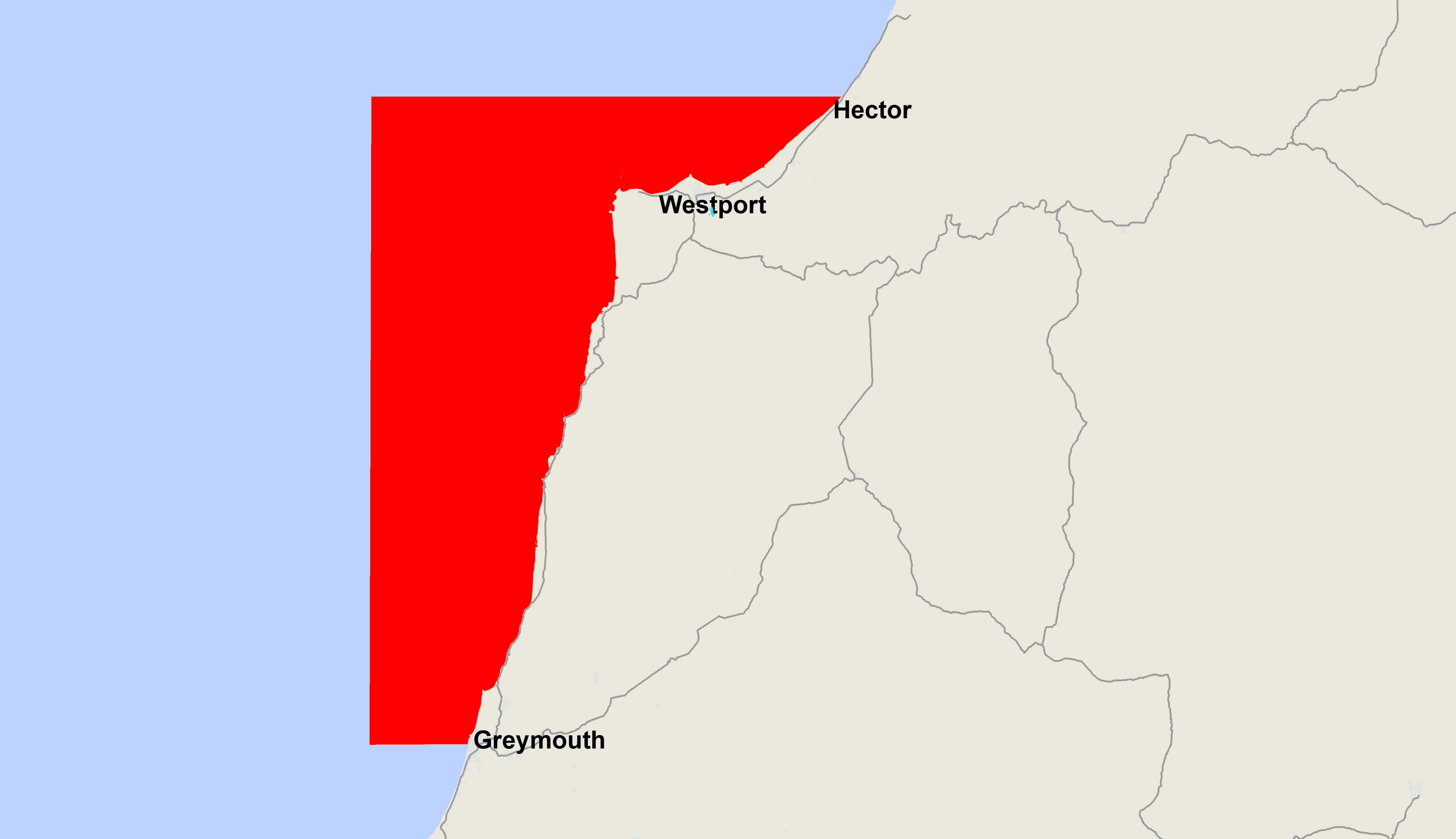
The Ministry for Primary Industries (MPI) today issued an extension to the public health warning advising the public not to collect or consume shellfish harvested from the South Island’s West Coast. The public health warning now extends from the Grey River mouth, north to the Ngakawau River mouth at Hector.

Tests on shellfish samples taken from Cape Foulwind have detected levels of Diarrhetic Shellfish Toxins above the safe limit of 0.16 mg/kg set by MPI.  Anyone eating shellfish from this area is potentially at risk of illness.

Ongoing testing will continue and any changes will be communicated accordingly.

Mussels, oysters, tuatua, pipi, toheroa, cockles, scallops, catseyes, kina (sea urchin) and all other bivalve shellfish should not be eaten.

Note, cooking shellfish does not remove the toxin.

Pāua, crab and crayfish may still be eaten if the gut has been completely removed prior to cooking, as toxins accumulate in the gut. If the gut is not removed, its contents could contaminate the meat during the cooking process.

Symptoms typically appear within half an hour of ingestion and last for about 24 hours. Symptoms may include:

  • diarrhoea
  • vomiting
  • nausea
  • abdominal cramps.

If anyone becomes ill after eating shellfish from an area where a public health warning has been issued, freephone Healthline for advice on 0800 61 11 16, or seek medical attention immediately. You are also advised to contact your nearest public health unit and keep any leftover shellfish in case it can be tested.

Commercially harvested shellfish – sold in shops and supermarkets, or exported – are subject to strict water and flesh monitoring programmes by MPI to ensure they are safe to eat. There is no commercial harvesting of shellfish in the affected area.

Ireland – Recall of a Batch of Roosters Gluten Free Breaded Chicken Fillet Goujons due to Presence of Salmonella

FSAI

Roosters Gluten Free Breaded Chicken Fillet Goujons

Summary
Category 1: For Action
Alert Notification: 2022.09
Product: Roosters Gluten Free Breaded Chicken Fillet Goujons;
pack size: 400g; approval number: IE 2410 EC
Batch Code: 211216, 16:00:00, 16.12.2021; best before date: 16.12.2022
Country Of Origin: Ireland

Message:

A batch of Roosters Gluten Free Breaded Chicken Fillet Goujons is being recalled due to the presence of Salmonella.  Point-of-sale recall notices will be displayed in Aldi stores supplied with the implicated batch.

Nature Of Danger:

People infected with Salmonella typically develop symptoms between 12 and 36 hours after infection, but this can range between 6 and 72 hours.  The most common symptom is diarrhoea, which can sometimes be bloody.  Other symptoms may include fever, headache and abdominal cramps.  The illness usually lasts 4 to 7 days. Diarrhoea can occasionally be severe enough to require hospital admission. The elderly, infants, and those with impaired immune systems are more likely to have a severe illness.

Action Required:

Consumers:

Consumers are advised not to eat the implicated batch.