Tag Archives: Food Safety

USA – Outbreak Investigation of E. coli O157:H7: McDonald’s Quarter Pounders (October 2024)

FDA

Outbreak Investigation of E. coli O157:H7: McDonald’s Quarter Pounders (October 2024)

Product

A specific ingredient has not yet been confirmed as the source of the outbreak, but most sick people report eating McDonald’s Quarter Pounder burgers. Investigators are working to determine if the slivered onions or beef patties on Quarter Pounder burgers are the likely source of contamination. McDonald’s has temporarily stopped using Quarter Pounder slivered onions and beef patties in affected states. Diced onions and other types of beef patties used at McDonald’s have not been implicated in this outbreak.

Symptoms of E. coli

Symptoms begin anywhere from a few days after consuming contaminated food or up to nine days later. Symptoms include severe stomach cramps, diarrhea, fever, nausea, and/or vomiting. Some infections can cause severe bloody diarrhea and lead to life-threatening conditions, such as a type of kidney failure called hemolytic uremic syndrome (HUS), or the development of high blood pressure, chronic kidney disease, and neurologic problems.

Stores Affected

McDonald’s stores in Colorado, Kansas, Utah, Wyoming, and portions of Idaho, Iowa, Missouri, Montana, Nebraska, Nevada, New Mexico, and Oklahoma have temporarily stopped using Quarter Pounder slivered onions and beef patties.

Status

Ongoing; updates will be provided as they become available.

Recommendation

  • Consumers who have already eaten at McDonald’s and have symptoms of E. coli infection should contact their health care provider to report their symptoms and receive care immediately.
  • McDonald’s stores in affected states have temporarily stopped using Quarter Pounder slivered onions and beef patties. Diced onions and other types of beef patties used at McDonald’s have not been implicated in this outbreak.

Current Update

October 22, 2024

The FDA, U.S. Department of Agriculture (USDA) Food Safety and Inspection Service (FSIS), and Centers for Disease Control and Prevention (CDC), in collaboration with state and local partners, are investigating illnesses in a multistate outbreak of E. coli O157:H7 infections. A specific ingredient has not yet been confirmed as the source of the outbreak, but most sick people report eating McDonald’s Quarter Pounder burger varieties.

Investigators are working to determine if the slivered onions or beef patties on Quarter Pounder burgers are the likely source of this outbreak.

Preliminary traceback and distribution information reviewed by FDA shows that slivered onions served on Quarter Pounders are a likely source of contamination. FDA is working quickly to confirm that these onions are a source of this outbreak and to determine if these onions were served or sold at other businesses. McDonald’s has temporarily stopped using this type of onion in these states. Diced onions used at McDonald’s are not implicated in this outbreak.

FSIS is conducting traceback on hamburger patties served at McDonald’s in affected states to determine if ground beef is a source of illness. McDonald’s has also temporarily stopped selling Quarter Pounder beef patties in affected states, while the investigation is ongoing to determine the source of the outbreak.

This advisory will be updated as additional information becomes available.
Research – Evaluating Chlorine Sanitization at Practical Concentrations for Controlling Listeria monocytogenes and Salmonella on Fresh Peaches

MDPI

Abstract

Recent foodborne outbreaks and recalls involving Listeria monocytogenes and Salmonella-contaminated peaches have caused significant economic losses to the peach industry. This study evaluated the effectiveness of chlorine, a commonly used sanitizer in the fresh produce industry, against L. monocytogenes and Salmonella and its ability to control cross-contamination in fresh peaches. Peaches inoculated with L. monocytogenes or Salmonella (~6 log10 CFU/peach) were treated with 50–150 mg/L of free chlorine (FC, pH6.8) 24 h post-inoculation. The results revealed that chlorine had similar efficacy against L. monocytogenes and Salmonella on peaches (p > 0.05). A 30 s treatment at 50, 100, and 150 mg/L FC resulted in dose-dependent reductions (p < 0.05), achieving reductions of 0.88–0.92, 1.54–1.61, and 1.73–1.79 log10 CFU/peach, respectively. Extending the contact time to 2 min slightly but significantly enhanced the chlorine efficacy (p < 0.05). Additionally, a 30 s to 2 min exposure to chlorine with 50–150 mg/L FC resulted in a 1.05–1.43 log10 CFU/peach reduction in yeasts and molds. Tap water exposure led to substantial cross-contamination between inoculated and uninoculated fruits and processed water, with Salmonella exhibiting higher transfer rates than L. monocytogenes. The application of chlorine mitigated the cross-contamination of both pathogens but did not entirely prevent it. These findings offer valuable insights for the peach and other stone fruit industries to verify process controls.

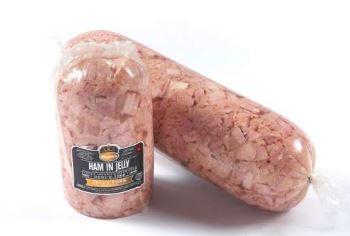
Canada – Wagener’s brand Ham in Jelly (Jelly Pork) recalled due to Listeria monocytogenes

Gov Canada

Product
Ham in Jelly (Jelly Pork)
Issue
Food – Microbial contamination – Listeria
What to do

Do not consume, use, sell, serve or distribute recalled products

Distribution
Ontario

Affected products

The recalled products may have been sold by various retailers, either clerk-served, sliced, chunked or in smaller packages, with or without a label that may not bear the same brand, product name or best before date. Consumers who are unsure if they have purchased the recalled product are advised to contact their retailer.

The affected product is being recalled from the marketplace due to possible Listeria monocytogenes contamination.

What you should do

  • If you think you became sick from consuming a recalled product, contact your healthcare provider
  • Check to see if you have recalled products
  • Do not consume, serve, use, sell, or distribute recalled products
  • Recalled products should be thrown out or returned to the location where they were purchased

Food contaminated with Listeria monocytogenes may not look or smell spoiled but can still make you sick. Symptoms can include vomiting, nausea, persistent fever, muscle aches, severe headache and neck stiffness. Pregnant women, the elderly and people with weakened immune systems are particularly at risk. Although infected pregnant women may experience only mild, flu-like symptoms, the infection can lead to premature delivery, infection of the newborn or even stillbirth. In severe cases of illness, people may die.

Recall Notice

Singapore – Stamford Catering Services Suspended After Gastric Outbreak

Sureboh

Stamford Catering Services came to attention when 51 people got sick with gastroenteritis after eating their food on October 12. As a result, the Singapore Food Agency (SFA) and the Ministry of Health (MOH) initiated probes into the issue. The authorities have made a bold decision to halt the food business activities of Stamford Catering Services from October 14 onwards until further instructions.

According to CNA, the SFA required the company to follow certain measures during the suspension, such as thoroughly cleaning and sanitizing its premises, equipment, and utensils.

Moreover, all employees who handle food at the establishment must successfully finish the Food Safety Course Level 1 and receive a clean test result for foodborne illnesses before returning to their responsibilities. Furthermore, the designated food hygiene officer is required to undergo and complete the Food Safety Course Level 3 to return to their duties.

Stamford Catering Services has experienced food safety incidents before. In 2019, the catering service’s food hygiene rating was lowered to “C” following a food poisoning incident that impacted 52 people. Consecutive inspections conducted by MOH and SFA uncovered concerning results, such as elevated levels of bacteria in food and environmental samples, along with numerous hygiene deficiencies.

The repeated instances of food safety problems at Stamford Catering Services have sparked significant worries about the overall cleanliness and safety measures at the establishment. Therefore, the company is facing more scrutiny as the public waits for updates on the ongoing investigations.

Due to the seriousness of the situation, CNA requested a statement from Stamford Catering Services regarding the suspension. Moreover, people are advised to inform the SFA through online platforms about any cases of inadequate hygiene practices in food establishments

Canada – Rana brand Tagliatelle Seasoned White Chicken & Mushroom Sauce recalled due to Listeria monocytogenes

Gov Canada

Product
Tagliatelle Seasoned White Chicken & Mushroom Sauce
Issue
Food – Microbial contamination – Listeria
What to do

Do not consume, use, sell, serve, or distribute recalled products

Distribution
National

The affected product is being recalled from the marketplace due to possible Listeria monocytogenes contamination.

What you should do

  • If you think you became sick from consuming a recalled product, contact your healthcare provider
  • Check to see if you have recalled products
  • Do not consume, serve, use, sell, or distribute recalled products
  • Recalled products should be thrown out or returned to the location where they were purchased

Food contaminated with Listeria monocytogenes may not look or smell spoiled but can still make you sick. Symptoms can include vomiting, nausea, persistent fever, muscle aches, severe headache and neck stiffness. Pregnant women, the elderly and people with weakened immune systems are particularly at risk. Although infected pregnant women may experience only mild, flu-like symptoms, the infection can lead to premature delivery, infection of the newborn or even stillbirth. In severe cases of illness, people may die.

USA- FDA – Ice Cream House LLC – Warning Letter – Listeria monocytogenes

FDA

The United States Food and Drug Administration (FDA) conducted an inspection of your ready-to-eat (RTE) ice cream product manufacturing facility, located at 2 Church Avenue, Brooklyn, NY 11218-3096, from February 21 through March 26, 2024. During our inspection of your facility, FDA investigators found serious violations of the Current Good Manufacturing Practice, Hazard Analysis, and Risk-Based Preventive Controls for Human Food regulation (CGMP & PC rule), Title 21, Code of Federal Regulations, Part 117 (21 CFR Part 117). Additionally, FDA collected environmental samples (i.e., swabs) from various areas in your processing facility. FDA laboratory analysis of the environmental swabs found the presence of Listeria monocytogenes (L. monocytogenes), a human pathogen, in your facility.

Based on FDA’s inspectional findings and analytical results revealing L. monocytogenes in your production environment, we have determined that the RTE ice cream products manufactured in your facility are adulterated within the meaning of section 402(a)(4) of the Federal Food, Drug, and Cosmetic Act (the Act) [21 U.S.C. § 342(a)(4)], in that they were prepared, packed, or held under insanitary conditions whereby they may have become contaminated with filth or been rendered injurious to health. In addition, failure of the owner, operator, or agent in charge of a covered facility to comply with the preventive control provisions of the CGMP & PC rule (located in Subparts A, C, D, E, F, and G of Part 117) is prohibited by section 301(uu) of the Act [21 U.S.C. § 331(uu)]. You may find the Act and further information about the CGMP & PC rule through links in FDA’s home page at https://www.fda.gov.

Multistate Listeria monocytogenes Outbreak Linked to Ice Cream House
In July 2023, FDA, the Centers for Disease Control and Prevention (CDC), the New York State Department of Agriculture and Markets (NYSDAM), and the Pennsylvania Department of Agriculture (PDA) investigated a multistate outbreak of L. monocytogenes linked to ice cream products manufactured by your firm. The outbreak was associated with 2 cases in 2 states (New York and Pennsylvania) where both individuals were hospitalized and ultimately survived. Whole Genome Sequencing (WGS) performed on the clinical isolates from the cases in New York and Pennsylvania revealed that the clinical isolates matched the finished product samples that PDA collected from a private residence on July 27, 2023, and NYSDAM collected from your facility on August 4, 2023, and August 21, 2023. On August 30, 2023, your firm recalled all dairy and non-dairy ice cream products manufactured with the Ice Cream House logo. In response to this outbreak and the findings from an initial inspection of your firm conducted on September 6, 2023, through September 26, 2023, FDA conducted the current follow-up inspection. At the conclusion of the current inspection, the FDA investigators issued your facility a Form FDA 483 (FDA-483), Inspectional Observations. We received your written response to the sample findings and FDA-483 on April 16, 2024, describing corrective actions taken by your firm. We are issuing this letter to advise you of FDA’s continuing concerns and to provide detailed information describing the findings at your facility. We discuss your written response below.

USA – ANSWERS Pet Food Voluntarily Withdrawals Certain Limited Lots of Beef and Chicken Dog Foods Due to Potential Salmonella and Listeria

FDA

Company Announcement

Lystn, LLC d.b.a./ANSWERS Pet Food of Fleetwood, PA, is voluntarily withdrawing certain lots of ANSWERS Detailed Beef Formula for Dogs, ANSWERS Straight Beef Formula for Dogs, and ANSWERS Straight Chicken Formula for Dogs out of an abundance of caution after samples collected by the U.S. Food and Drug Administration were reported to have tested positive for the presence of Salmonella and Listeria monocytogenesNo illnesses associated with these lots have been confirmedSalmonella and Listeria monocytogenes can affect animals eating the products and there is risk to humans from handling contaminated pet products, especially if they have not thoroughly washed their hands after contact with the products or any surfaces exposed to these products.

Listeria monocytogenes rarely causes illness in dogs, but it is possible. Dogs can have mild symptoms such as diarrhea and vomiting. Even if a dog is not showing symptoms, it can still be a carrier of the bacteria and spread it to humans. If a dog has consumed a product lot identified below, pet parents are encouraged to consult their veterinarian if symptoms exist.

People can become sick by handling contaminated food or touching surfaces that have been exposed to Listeria monocytogenes. Symptoms in humans may include fever, headache, muscle aches, stiff neck, nausea, abdominal pain, diarrhea, confusion, loss of balance and convulsions. Young children, elderly people, pregnant women, and those with weakened immune systems are particularly vulnerable to Listeria monocytogenes infections and symptoms can be more severe. Anyone exhibiting symptoms after handling a product lot identified below, should contact their healthcare provider.

Individuals handling pet food can become infected with Salmonella, especially if they have not thoroughly washed their hands after having contact with surfaces exposed to such a lot of product being implicated. There are thousands of species of Salmonella, less than a handful are harmful to pets or humans. Healthy people infected with Salmonella should monitor themselves for some or all the following symptoms: nausea, vomiting, diarrhea or bloody diarrhea, abdominal cramping, and fever. Rarely, Salmonella can result in more serious ailments, including arterial infections, endocarditis, arthritis, muscle pain, eye irritation, and urinary tract symptoms. Consumers exhibiting these signs after having contact with such a product should contact their healthcare providers. Children, the elderly, and individuals with compromised immune systems may be at greater risk of Salmonella infection.

Pets with Salmonella infections may be lethargic and have diarrhea or bloody diarrhea, fever, and vomiting. Some pets may only exhibit decreased appetite, fever, and abdominal pain. Infected but otherwise healthy pets can be carriers and infect other animals or humans. If your pet has consumed product lot identified below and has these symptoms, please contact your veterinarian.

The lots referenced below were distributed throughout the United States in retail stores and direct online sales. Again, no illnesses associated with these lots have been confirmed.

ANSWERS is notifying the public, distributors, and retail stores regarding this notice.

The products being withdrawn are sold in 4lb half gallon cartons (see pictures at end of this announcement). The brand names and lot numbers of the product being withdrawn are listed in the table below:

PRODUCT NAME/UPC

SIZE

Best Buy / Expiration

Lot Code

ANSWERS Pet Food Detailed
Beef Formula for
Dogs/856554002102
4lb (Half Gallon Carton) MAY 06, 2026 BUBD MAY 06, 2026
ANSWERS Pet Food Straight
Beef Formula for
Dogs/856554002072
4lb (Half Gallon Carton) JAN 31, 2026 BUBD JAN 31, 2026
ANSWERS Pet Food Straight
Chicken Formula for
Dogs/856554002065
4lb (Half Gallon Carton) JAN 02, 2026
MAR 11, 2026
BUBD JAN 02, 2026 &
MAR 11, 2026

What to Do

FDA guidelines recommend any product from the listed lots that has not yet been consumed should be thrown out or destroyed in a way that children, pets, and wildlife cannot access it. Areas that may have come in contact with any contaminated food should be sanitized. The FDA recommends that people do not touch potentially contaminated food with bare hands and therefore suggests wearing gloves or using paper towels when placing any contaminated product in a sealed bag to throw out or when handling such food.

If consumers have any of these lots of products in their possession and desire a refund, please submit a receipt and pictures of the product to info@answerspetfood.com along with the retailer’s information. If you have questions or concerns, please email ANSWERS’ Pet Food at info@answerspetfood.com.

For Informational Purpose

From time-to-time pathogens appear in all types of pet food products and some may be harmful to pets and/or humans. The FDA considers any presence (zero tolerance) of Salmonella and Listeria monocytogenes, regardless of origin, quantity, and type, as an adulterant in pet food. In accordance with the Food, Drug and Cosmetic Act, to date, ANSWERS has not received any quantification data or a completed Health Hazard Evaluation (HHE) from the FDA or Center for Veterinarian Medicine for these particular lots of products. ANSWERS is conducting this voluntary withdrawal of these particular lots out of an abundance of caution to protect public health by ensuring timely removal of the implicated product lots from the marketplace. ANSWERS will continue investigating this FDA report pursuing its number one priority to bring healthy, safe, truly raw pet food products to market.

ANSWERS has been and will continue to work with the FDA to ensure that the highest and safest food is provided to your pets and continues to stand by the safety of our food and the unique and innovative way we protect our food with fermentation, probiotics and protective cultures that mitigate pathogens from growing.

FDA Advisory

Botulinum : Alaskan Seal Flipper and Thai Boiled Bamboo Shoots

KDLGKNOM, Nome:  Three people have contracted botulism after eating separate batches of fermented seal flipper in Koyuk.

Outbreak News Today

Thailand health officials issued a warning Sunday advising the public against the consumption of contaminated boiled bamboo shoot that are packaged in plastic bags or buckles due to a botulism risk.

The Minister of Public Health, Rajata Rajatanavin has advised the public to re-boil bagged or buckled boiled bamboo shoots prior to consumption for 15 minutes, in order to get rid of Clostridium botulinum bacteria.

He has said that these toxins can be easily destroyed after boiling the food for 15 minutes. However, boiled bamboo shoots with unusual package, color, or smell, should not be consumed, and advises the public to get rid of it by burying it.

Information – Food Safety Law of the People’s Republic of China

Chemlinked – Payment required imagesCAIM0ZM7

Details

Food Safety Law is the overarching food regulation in China, which is formulated to assure food safety and safeguard people’s health and life.

contents
Chapter 1: General Principles
Chapter 2: Food Safety Risk Surveillance and Assessment
Chapter 3: Food Safety Standards
Chapter 4: Food Production and Trading
      Section 1: General Provisions
      Section 2: Process Control of Production and Trading
      Section 3: Label, product description and advertisement
      Section 4: Special Foods
Chapter 5 Food Inspection
Chapter 6: Food Import and Export
Chapter 7: Handling of Food Safety Incidents
Chapter 8 Regulatory Work
Chapter 9: Legal Liabilities
Chapter 10: Supplementary Provisions

Research – Spores for thought: Study provides new insights into Clostridium spores and Bacteria shown to suppress their antibiotic-resistant cousins

Science Daily closta

Researchers have established how clostridia bacteria emerge from spores. This could help them understand how these bacteria germinate and go on to produce the deadly toxin responsible for botulism, a lethal form of food poisoning, or cause food spoilage.

Science Daily

Researchers studying a dangerous type of bacteria have discovered that the bacteria have the ability to block both their own growth and the growth of their antibiotic-resistant mutants. The discovery might lead to better ways to fight a class of bacteria that have contributed to a growing public health crisis by becoming increasingly resistant to antibiotic treatments.