Research – Shigellosis – Annual Epidemiological Report for 2019

ECDC

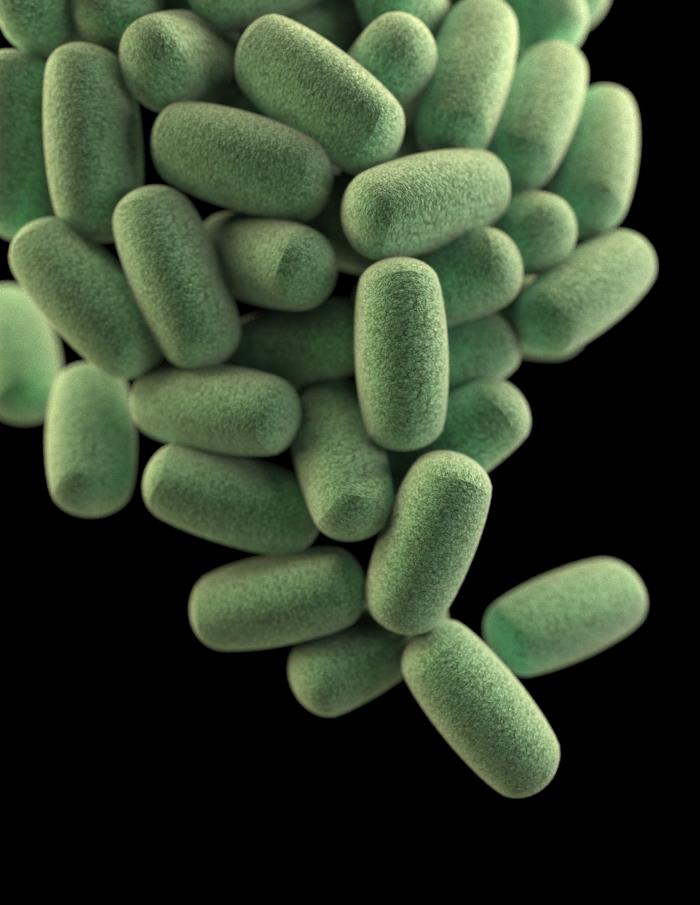
Shigellosis is a relatively uncommon disease in the EU/EEA, but remains of concern in some countries and certain population groups. For 2019, 30 EU/EEA countries reported 8 448 confirmed shigellosis cases.

The overall notification rate was 2.2 cases per 100 000 population, slightly higher than in 2018. The highest notification rate was observed in children below five years of age, followed by male adults aged 25–44 years. Sexual transmission of shigellosis among men who have sex with men (MSM) is thought to have contributed to the gender imbalance characterising the disease.

Click to access shigellosis-annual-epidemiological-report-2019.pdf

Research – Lowest number of recorded Hepatitis A cases, five other food and waterborne diseases rising towards pre-pandemic levels

ECDC

Hepatitis A cases in 2021 were at their lowest levels since EU-level hepatitis A surveillance began in 2007, while five other food and waterborne diseases are rising towards pre-pandemic levels. The information is revealed in the Annual Epidemiological Report 2021, of which six chapters are published today by ECDC.

The chapters cover diseases causing  the highest number of  food- and waterborne infections in the EU/EEA, namely campylobacteriosis, salmonellosis, yersiniosis, shigatoxigenic Escherichia coli infection, listeriosis, and hepatitis A.  

In the EU/EEA, the hepatitis A notification rate was exceptionally low in 2021, with 0.92 cases per 100 000 population, compared to 2.2 in 2019. This can be attributed primarily to the COVID-19 pandemic and restrictions, including reduced international travel.  

However, a sharp decline in the trend of hepatitis A cases has also been evident in the EU/EEA over the last five years. Additional factors contributing to this may be the heightened awareness of hepatitis A transmission, increased preventive measures such as practising good hygiene and increased vaccine uptake among at-risk groups. Increased natural immunity in at-risk groups following a large multi-country outbreak occurring in 2017 and 2018 may also be of importance.  

In 2020, the number of cases of campylobacteriosis and salmonellosis, the two most commonly reported gastrointestinal infections in the EU/EEA, decreased notably due to the COVID-19 pandemic. Unlike hepatitis A, these appeared to increase in 2021, but the levels are still well below those of the pre-pandemic years. This could partly be an effect of reduced travel as travel-related infections were at their lowest in 2021. 

Listeriosis, shigatoxigenic Escherichia coli infections and yersiniosis trends decreased less notably in 2020 and the number of cases returned to the pre-pandemic levels in 2021. This might be due to the more severe symptoms caused particularly by listeriosis and shigatoxigenic Escherichia coli infections, which are then more likely to be diagnosed and reported. Additionally, many of the cases are acquired  within the EU/EEA, and the numbers are not as affected by international travel restrictions.  

In 2021, although the COVID-19 pandemic was still ongoing, the gradual reduction of COVID-19 restriction measures, along with the return to normal daily life (social events, doctor’s visits, travel), the reopening of bars, restaurants and catering facilities (i.e. schools, workplaces), may explain the increase in cases of the five food- and waterborne diseases.   

Research – Campylobacteriosis – Annual Epidemiological Report for 2021

ECDC

The notification of campylobacteriosis is mandatory in 22 EU Member States, Iceland, Liechtenstein, and Norway. In five EU Member States (Belgium, France, Greece, Italy, and the Netherlands) notification is voluntary. The surveillance systems for campylobacteriosis have full national coverage in all EU Member States except four (France, Italy, the Netherlands, and Spain). The coverage of the surveillance system in 2021 is estimated to be 20% in France and 64% in the Netherlands. These proportions were used when calculating notification rates for these two EU Member States. No estimate of population coverage in Italy and Spain was provided, so notification rates were not calculated for these two countries. The drop in cases in Luxembourg in 2019 is a surveillance artefact caused by a change to non-culture-based methods (PCR) in private laboratories, resulting in a reduced number of isolates sent to the national reference laboratory. From 2020, laboratory confirmation with PCR is included in the notification system which, along with a new electronic laboratory notification system, is expected to result in an increase in Campylobacter notifications. Greece has reported data on laboratory-confirmed cases collected from public hospitals from 2018 onwards. For 2020 and 2021, Spain has not yet received data from all regions normally reporting and the case numbers are therefore lower than expected. All countries reported case-based data except Belgium, Bulgaria, and Greece, which report aggregated data. Both reporting formats were included to calculate numbers of cases, notification rates, disease trends, and age and gender distributions.

Click to access campylobacteriosis-annual-epidemiological-report-2021.pdf

Research – A Comprehensive Review of Variability in The Thermal Resistance (D-Values) of Food-Borne Pathogens—A Challenge for Thermal Validation Trials

MDPI

Abstract

The thermal processing of food relies heavily on determining the right time and temperature regime required to inactivate bacterial contaminants to an acceptable limit. To design a thermal processing regime with an accurate time and temperature combination, the D-values of targeted microorganisms are either referred to or estimated. The D-value is the time required at a given temperature to reduce the bacterial population by 90%. The D-value can vary depending on various factors such as the food matrix, the bacterial strain, and the conditions it has previously been exposed to; the intrinsic properties of the food (moisture, water activity, fat content, and pH); the method used to expose the microorganism to the thermal treatment either at the laboratory or commercial scale; the approach used to estimate the number of survivors; and the statistical model used for the analysis of the data. This review focused on Bacillus cereus, Cronobacter sakazakii, Escherichia coli, Listeria monocytogenes, and Clostridium perfringens owing to their pathogenicity and the availability of publications on their thermal resistance. The literature indicates a significant variation in D-values reported for the same strain, and it is concluded that when designing thermal processing regimes, the impact of multiple factors on the D-values of a specific microorganism needs to be considered. Further, owing to the complexity of the interactions involved, the effectiveness of regimes derived laboratory data must be confirmed within industrial food processing settings.


Research – Prevent Illness From C. perfringens

CDC

CDC Clost perf

Clostridium perfringens bacteria are one of the most common causes of food poisoning. CDC estimates that the bacterium causes nearly 1 million foodborne illnesses in the United States every year.

C. perfringens makes spores, which are inactive forms of the bacterium that help it survive heat, dryness, and other environmental conditions. Under certain conditions, such as when food is kept at an unsafe temperature (between 40°F and 140°F), C. perfringens spores can transform into active bacteria, which multiply in the food. After someone eats food containing C. perfringens, it can produce a toxin (poison) that causes diarrhea.

Foods cooked in large batches and held at unsafe temperatures are typically involved in outbreaks of C. perfringens food poisoning. Specific foods commonly linked to C. perfringens food poisoning include

  • Poultry, such as turkey and chicken
  • Meat, such as beef and pork
  • Gravy

Outbreaks of C. perfringens food poisoning tend to happen in settings where large groups of people are served and keeping food at proper temperatures may be difficult—for example, hospitals, school cafeterias, prisons, nursing homes, and large events with catered food.

Most of these outbreaks happen in November and December. Many of them have been linked to popular holiday foods, such as turkey and roast beef.

France – Smoked Tuna – Listeria monocytogenes

GOV FRANCE

Identification information of the recalled product

  • Product category Food
  • Product subcategory Fishery and aquaculture products
  • Product brand name Thiriez Selection
  • Model names or references Whole Smoked Tuna 500g Sliced ​​Smoked Tuna 100g
  • Identification of products
    Batch Date
    lot 22110409 Whole smoked tuna 500g Use-by date 03/01/2023
    lot 22112509 Whole smoked tuna 500g Use-by date 01/24/2023
    lot 22112509 Sliced ​​Smoked Tuna 100g Use-by date 09/01/2023
    lot 22110409 Sliced ​​Smoked Tuna 100g Use-by date 19/12/2022
  • Packaging Packaging per piece
  • Marketing start/end date From 03/11/2022 to 06/12/2022
  • Storage temperature Product to be stored in the refrigerator
  • Health mark ES 1206407/V CE
  • Geographic area of ​​sale Whole France
  • Distributors Wholesalers

Practical information regarding the recall

  • Reason for recall Suspicion of the presence of Listeria monocytogenes
  • Risks incurred by the consumer Listeria monocytogenes (causative agent of listeriosis)
  • Additional description of the risk Suspicion of the presence of Listeria monocytogenes

New Zealand – Don’t contaminate your plate this summer – be a Chicken Scene Investigator – Campylobacter

MPI

It would be a crime for your whānau and friends to come down with foodborne illness this festive season – so New Zealand Food Safety and the Chicken Scene Investigators have got your back.

“Each year, over our summer, there is a rise in cases of foodborne illness and hospitalisations,” says New Zealand Food Safety deputy director-general Vincent Arbuckle.

“The most commonly reported illness is campylobacteriosis – caused by Campylobacter bacteria – with our youngest and oldest having the highest rates of infection.

“There were 5,729 confirmed cases of campylobacteriosis in 2021, with 846 people needing hospital treatment, up from 718 in 2020. And 2022 looks set to follow a similar trajectory, with more than 5,300 cases nationally so far.

“The most common source of Campylobacter from food is raw or undercooked chicken.

“So, one big thing you can do this festive season to keep your whānau and friends healthy is to make sure you handle raw chicken safely. Cook it properly and use separate utensils and chopping boards, and, as with all food, don’t leave it out in the heat of the day, both before cooking and after you’ve finished eating.”

To help you with this, New Zealand Food Safety today launches a new food safety campaign. In a series of videos, our 2 Chicken Scene Investigators invite you to join them to spot the chicken-handling crime.

“Campylobacteriosis symptoms are nasty. They include diarrhoea, fever, headache, muscle aches, abdominal pain, and vomiting. It may also develop into more severe illness such as Guillain-Barré Syndrome, a disorder in which the body’s immune system attacks its nerves, sometimes resulting in permanent paralysis,” says Mr Arbuckle.

If you have symptoms, you can call Healthline for free anytime on 0800 61 11 16, or contact your doctor or practice nurse for advice.

“So, wherever you’re gathering – from BBQs to work do, beach parties to kai at the marae, Christmas lunch or potluck dinner – make sure you don’t contaminate your plate this summer.”

Te Whatu Ora medical officer of health Jay Harrower adds: “Every year thousands of people are diagnosed as being infected with Campylobacter, and for some it can be very serious. Across New Zealand Campylobacter cases are spiking once again this summer, but there are simple steps everyone can take to reduce the risk to them and their whānau.”

Chicken Scene Investigator tips to keep your whānau and friends safe:

  • Keep your raw chicken separate from ready-to-eat and fresh foods, using separate chopping boards, plates, and utensils. Alternatively, wash them properly with hot soapy water before using for other foods.
  • Don’t wash the chicken. Rinsing it will just spread the bacteria to other surfaces. Pat it dry with a paper towel instead, if needed.
  • Wash your hands in warm soapy water after handling raw chicken.
  • Make sure the chicken is fully cooked before serving – it can’t be pink and the juices should run clear. Or use a meat thermometer, if you have one, to ensure the chicken is steaming hot (over 75°C) all the way through.
  • Use a different plate for raw and cooked chicken.
  • If in doubt, clean surfaces and utensils some more, cook your chicken some more.

Safe barbecuing of food

Campylobacter infection: symptoms and advice

Watch the Chicken Scene Investigators on YouTube

The tea towel (15 seconds) 

The knife (15 seconds) 

Belgium – American fillet of beef from the Fiers brand – Listeria monocytogenes

FAVV-AFSCA

Recall of Fiers J&B NV
Product: American fillet of beef from the Fiers brand.
Problem: Possible presence of Listeria monocytogenes.
In agreement with the FASFC, FIERS J&B NV withdraws the American fillet of beef from sale and recalls it from consumers following the possible presence of Listeria monocytogenes.

PROUD J&B NV asks its customers not to consume this product and to bring it back to the point of sale where it was purchased where they will be reimbursed.

Product description

– Product name: American fillet of beef
– Brand:
Fiers 22
– Batch numbers: 62171 – 62187 – 62076 – 62303 – 62279 – 62372 – 62431 – 62383 – Sales
period: from 12/14/22 to 12/16/22 inclusive
– Type of packaging: black plastic dish
– Weight: variable


The product was distributed by various points of sale including:

– GB BRUSSEL BELMAR NV – LEOPOLD II LAAN 68, 1080 SINT-JANS-MOLENBEEK
– GB DENDERMONDE OUDEGEM – OUBURG 42, 9200 DENDERMONDE
– BUURTWINKEL CHANTRIE GRETA – Hekkenstraat 7 , 8720 WAKKEN
– GB BRUGGE BVBA FJL – SMEDENSTRAAT 62, 8000 BRUGGE
– KELTRA – PINTESTRAAT 8, 9840 DEPINTE
– GB BRUGGE – KATELIJNESTRAAT 76, 8000 BRUGGE
– GB LIEDEKERKE – KORENBLOEMLAAN 2, 1770 LIEDEKERKE
– GB ZWIJNAARDE3-EGZUIDER NV – 1 9052 ZWIJNAARDE
– GB SINT MARTENS LATEM – MAENHOUTSTRAAT 10, 9830 SINT-MARTENS-LATEM


For further information, contact Ms. Vandenheede; kwaliteit@fiers.net

Germany – Dennree pepper, black, whole, 65g – Salmonella

LMW

Alert type: groceries
Date of first publication: 12/19/2022
Product name: dennree pepper, black, whole, 65g
Product images:
denree.png


Manufacturer (distributor):

denree

Reason for warning:

salmonella

Packaging Unit: 65g
Durability: Best before 10/25/2025 and 11/08/2025
Additional Information:

Reference is made to the information below from the food business operator.

Contact to the competent authorities:

Baden-Württemberg: poststelle@mlr.bwl.de

Bavaria: poststelle@lgl.bayern.de
Hesse: rapid warnings@rpda.hessen.de
North Rhine-Westphalia: poststelle@mulnv.nrw.de
Saarland: poststelle-luv@lav.saarland.de
Saxony: poststelle@sms.sachsen.de
Saxony-Anhalt: poststelle@mw.sachsen-anhalt.de
Schleswig-Holstein: poststelle@mllev.landsh.de
Thuringia: LM-Ueberwachung@tlv.thueringen.de
Press Releases and Information
title attachment or web link
customer information

Germany – Anklamer master quality fillet sausage, 100g – Listeria monocytogenes

LMW

Alert type: groceries
Date of first publication: 12/19/2022
Product name:

Anklamer master quality fillet sausage, 100g

Manufacturer (distributor):

Anklamer meat and sausage products GmbH

Reason for warning:

Listeria monocytogenes was detected in the affected food. Listeria can cause severe diarrhea and fever. Serious disease progressions can occur, particularly in pregnant women, the elderly and people with a weakened immune system. Anyone who has eaten this food and develops severe or persistent symptoms should seek medical attention and report possible Listeria infection.

Packaging Unit: 100 g
Durability: 12/20/2022 to 12/27/2022
Lot identification: ch. no. 330825112201716, EAN 4013696330814
Additional Information:

Attention is drawn to the attached market notice.

Contact to the competent authorities:

Brandenburg:

Verbraucherschutz@Msgiv.Brandenburg.de

Mecklenburg-Western Pomerania:

poststelle@lm.mv-regierung.de

Click to access 5462_Marktaushang.pdf