The victims told that they had eaten homemade rice, lentils and okra curry. After this, one by one everyone fell ill.
KSWFoodWorld

The victims told that they had eaten homemade rice, lentils and okra curry. After this, one by one everyone fell ill.
Posted in Food Poisoning
| Batch | Date | |
|---|---|---|
| 175 | Best before date 08/24/2023 | |
Posted in food contamination, food handler, Food Hazard, Food Hygiene, Food Inspections, Food Micro Blog, Food Microbiology, Food Microbiology Blog, Food Microbiology Testing, Food Pathogen, Food Poisoning, Food Quality, food recall, Food Safety, Food Safety Alert, Food Safety Management, Food Safety Regulations, Food Testing, Food Toxin, STEC, STEC E.coli
Summary
Do not use, sell, serve or distribute the affected product.
Kootenay Meadows brand Nostrala Firm Surface-Ripened Organic Cheese recalled due to generic E. coli.
The recalled product has been sold in Alberta.
Posted in CFIA, E.coli, food contamination, food handler, Food Hazard, Food Hygiene, Food Inspections, Food Micro Blog, Food Microbiology, Food Microbiology Blog, Food Microbiology Testing, Food Quality, food recall, Food Safety, Food Safety Alert, Food Safety Management, Food Safety Regulations, Food Testing
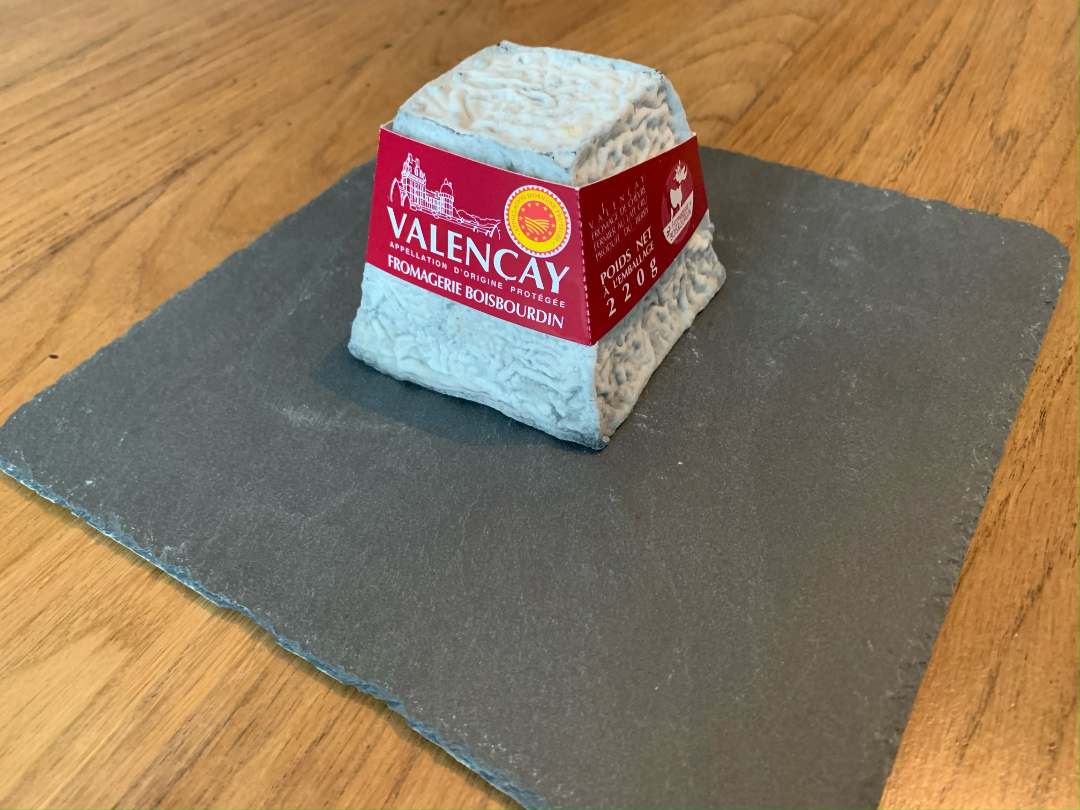
| GTIN | Batch | Date |
|---|---|---|
| 0180823173 | 0180823173 | Use-by date 07/13/2023 |
Posted in food contamination, food handler, Food Hazard, Food Hygiene, Food Inspections, Food Micro Blog, Food Microbiology, Food Microbiology Blog, Food Microbiology Testing, Food Pathogen, Food Quality, food recall, Food Safety, Food Safety Alert, Food Safety Management, Food Safety Regulations, Food Testing, Listeria, Listeria France, Listeria in Cheese, Listeria monocytogenes
Posted in Decontamination Microbial, Food Micro Blog, Food Microbiology, Food Microbiology Blog, Food Microbiology Research, Food Microbiology Testing, microbial contamination, Microbial growth, Microbiological Risk Assessment, Microbiology, Microbiology Investigations, Microbiology Risk, Salmonella, Salmonella in Chicken
Posted in Decontamination Microbial, Food Micro Blog, Food Microbiology, Food Microbiology Blog, Food Microbiology Research, Food Microbiology Testing, microbial contamination, Microbial growth, Microbiological Risk Assessment, Microbiology, Microbiology Investigations, Microbiology Risk, Salmonella
Posted in Food Micro Blog, Food Microbiology, Food Microbiology Blog, Food Microbiology Research, Food Microbiology Testing, Listeria, Listeria monocytogenes, microbial contamination, Microbial growth, Microbiological Risk Assessment, Microbiology, Microbiology Investigations, Microbiology Risk, Salmonella
Campylobacter spp. cannot grow in raw milk, but it is able to transform into a viable but non-culturable (VBNC) state enabling the survival in such harsh conditions. In this study, Campylobacter jejuni survival in raw milk was investigated taken into consideration colony-forming units (CFUs) and VBNC cells. CFU from two different strains of C. jejuni (DSM 4688 and BfR-CA-18043) were enumerated at three temperatures (5°C, 8°C, and 12°C). In parallel, a viability real-time PCR was conducted to quantify intact and putatively infectious units (IPIUs) (comprising CFU and VBNC bacteria). The data generated were used to model the viability of C. jejuni during raw milk storage. Here, a one-step fitting approach was performed using parameter estimates from an intermediate two-step fit as starting values to generate tertiary models. Different primary model equations (Trilinear and Weibull) were required to fit the CFU and the IPIU data. Strain-specific linear secondary models were generated to analyze the effect of storage temperature on the maximum specific inactivation rate of the CFU data. The time of the first decimal reduction parameter of the IPIU models could be modeled by a strain-independent linear secondary model. The developed tertiary models for CFU and IPIU differ significantly in their predictions, for example, for the time required for a one log10 reduction. Taken into consideration that VBNC could revert to a culturable state during the raw milk storage, our results underline the importance of considering IPIU and not only CFU to avoid underestimation of the survival of C. jejuni in raw milk.
Posted in Campylobacter, campylobacter coli, Campylobacter jejuni, Decontamination Microbial, Food Micro Blog, Food Microbiology, Food Microbiology Blog, Food Microbiology Research, Food Microbiology Testing, microbial contamination, Microbial growth, Microbiological Risk Assessment, Microbiology, Microbiology Investigations, Microbiology Risk, Raw Milk, raw milk cheese, Raw Milk Cream, Retailer Campylobacter Survey
Posted in Decontamination Microbial, Food Micro Blog, Food Microbiology, Food Microbiology Blog, Food Microbiology Research, Food Microbiology Testing, lactic acid bacteria, microbial contamination, Microbial growth, Microbiological Risk Assessment, Microbiology, Microbiology Investigations, Microbiology Risk


