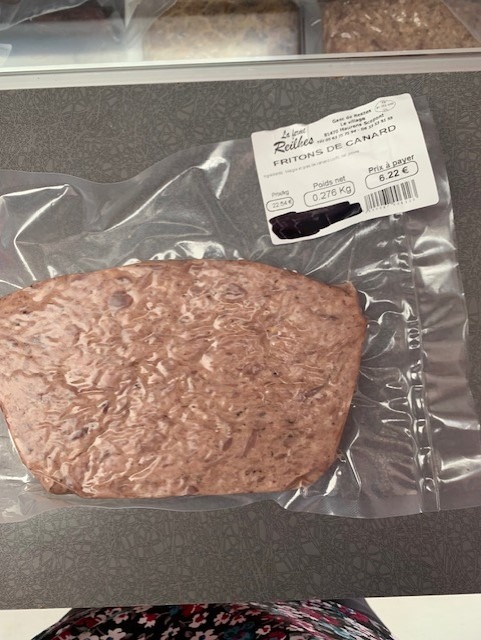
France – DUCK FRITES – Listeria monocytogenes

Gov France

Product category
Food
Product subcategory
Meats
Product brand name
The REILHES Farm
Model names or references
DUCK FRITES
Product identification
Batch Date
24STG078C06 Use-by date 04/20/2024
Packaging
under a vacuum
Start/end date of marketing
From 03/23/2024 to 04/20/2024
Storage temperature
Product to keep in the refrigerator
Health mark
81.162.002
Further information
DUCK FRITES
Geographical sales area
Departments: HAUTE-GARONNE (31), TARN (81)
Distributors
LAVAUR market (81) on Wednesday morning and Saturday morning BLAGNAC market (31) on Wednesday afternoon and Saturday morning

USA – Raw Milk Cheese linked to E. coli illnesses in California, Utah, Colorado and Texas

Food Poison Journal

Organic Pastures Dairy Company (OPDC) & Raw Farm Recalls and Outbreaks 2006-2024

France – Raw milk goat cheese – Listeria monocytogenes

Gov France

Product category
Food
Product subcategory
Milk and dairy products
Product brand name
GAEC of the Barony
Model names or references
fresh goat cheese
Product identification
Batch
04/10/2024
Packaging
tray
Start/end date of marketing
From 04/10/2024 to 04/12/2024
Storage temperature
Product to keep in the refrigerator
Health mark
listeria
Geographical sales area
preuilly sur claise market, tournon st martin
Distributors
the barony

Germany- Various Cheese Items – Listeria monocytogenes

Lebensmittelwarnung

Alert type:

Groceries

Date of first publication:

April 12, 2024

Product name:

Various cheese items

Product images:

Gourmet cheese 60% fat i. Tr..jpg

Sarzbüttel dairy cooperative eG

Easter cheese 60% fat i. Tr..jpg

Sarzbüttel dairy cooperative eG

West wind 55% fat i. Tr..jpg

Sarzbüttel dairy cooperative eG

North Sea cheese 55% fat i. Tr..jpg

Sarzbüttel dairy cooperative eG

Manufacturer (distributor):

Meierei-Genossenschaft Sarzbüttel eG Hauptstraße 43 25785 Sarzbüttel Telephone: 04806 901410 Email: qm@kaeserei-sarzbuettel.de

Reason for warning:

Unfortunately, microbiological contamination (Listeria monocytogenes) cannot be ruled out. Customers who purchased the product with the batch numbers mentioned can return it to their shopping locations.

Additional Information:

Gourmet cheese 60% fat i. Tr; 362-2; Best before: July 25th, 2024 & August 1st, 2024

Easter cheese 60% fat i. Tr; 034-2; Best before: September 22, 2024

West wind 55% fat i. Tr; 045-2; Best before: September 19, 2024

North Sea cheese 55% fat i. Tr; 059-2; Best before: September 26, 2024

Click to access Pressemitteilung.pdf

Italy – Local salami with garlic – Listeria monocytogenes

Salute

Brand : Salumificio Flli Scapocchin SRL

Name : Local salami with garlic

Reason for reporting : Recall due to microbiological risk

Publication date : 13 April 2024

Documentation

Documentation

Italy- Local salami – Listeria monocytogenes

Salute

Brand : Salumificio Flli Scapocchin SRL

Name : Local salami

Reason for reporting : Recall due to microbiological risk

Publication date : 13 April 2024

Documentation

Documentation

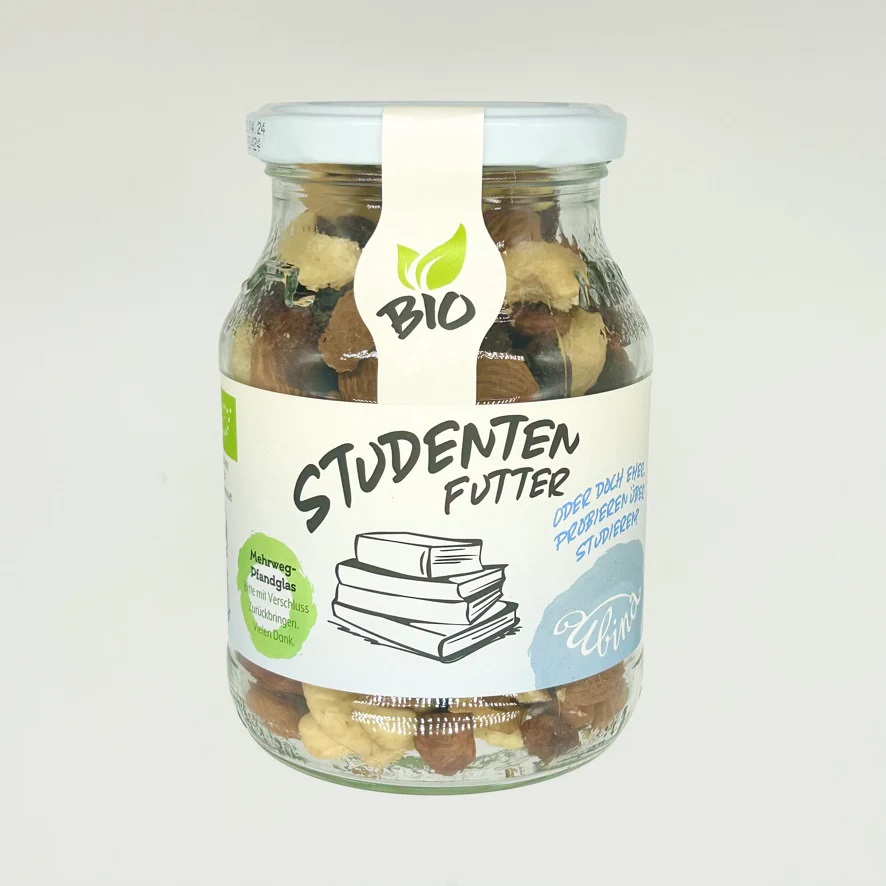
Germany – Ubina organic raisins and Ubina organic trail mix – Ochratoxin A – OTA

Lebensmittelwarnung

Alert type:

Groceries

Date of first publication:

April 12, 2024

Product name:

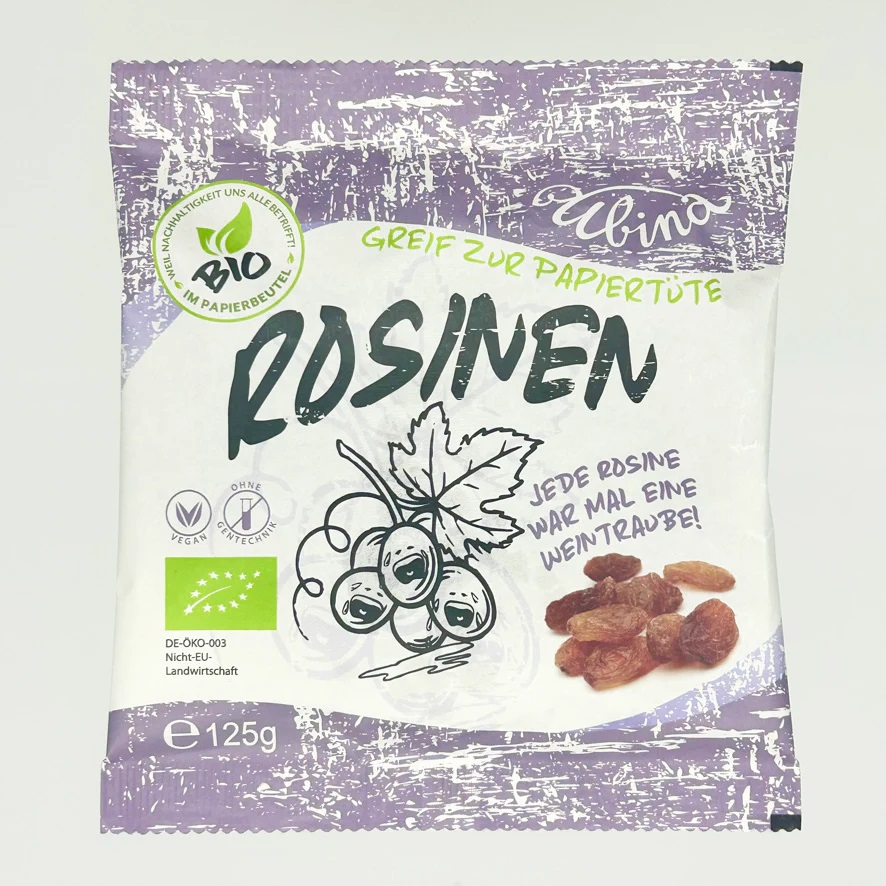
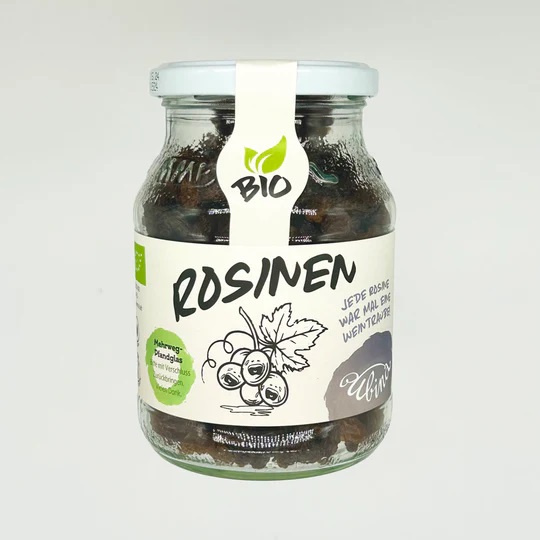
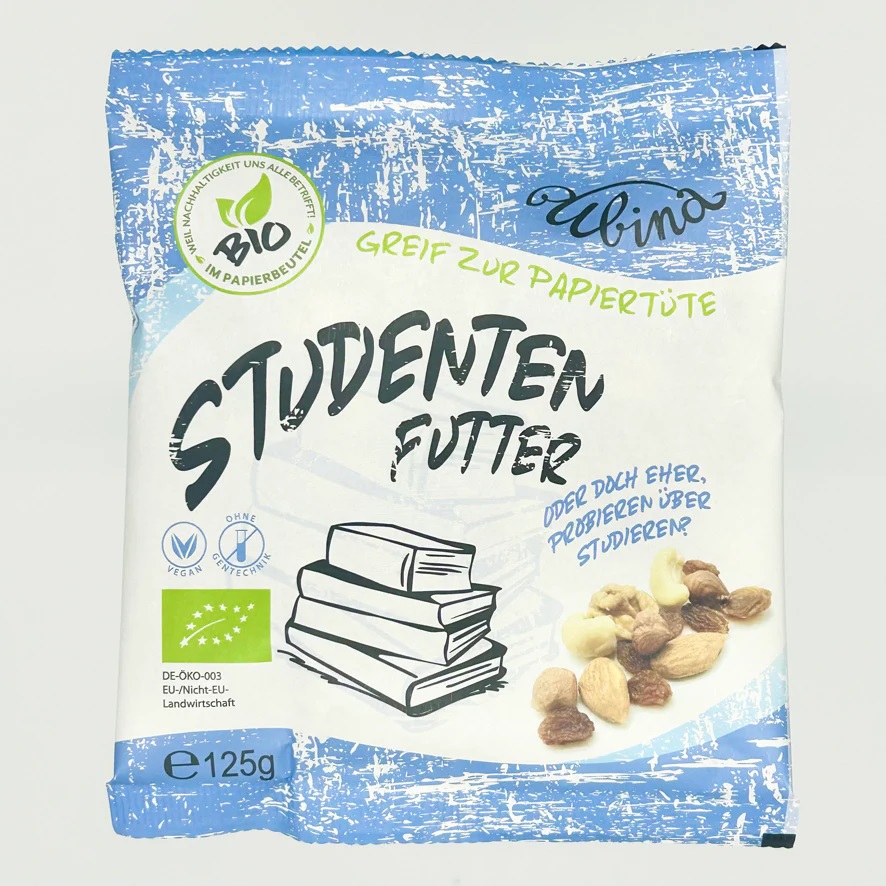
Ubina organic raisins and Ubina organic trail mix

Product images:

ORGANIC raisins 125g, paper bag front.jpg

Vartan Melik Aslanian GmbH

ORGANIC raisins 300g in a reusable jar.jpg

Vartan Melik Aslanian GmbH

ORGANIC trail mix 125g, paper bag front.jpg

Vartan Melik Aslanian GmbH

ORGANIC trail mix 275g, in a reusable glass.jpg

Vartan Melik Aslanian GmbH

Manufacturer (distributor):

Vartan Melik Aslanian GmbH Bültbek 21 22962 Siek

Reason for warning:

Detection of elevated levels of ochratoxin A (OTA). OTA is a naturally occurring mold toxin that can occur from certain types of fungi in various foods such as grains and dried fruits. OTA is suspected of being genotoxic and possibly carcinogenic to the kidneys. Since a health risk for the consumer cannot be ruled out, customers should definitely pay attention to the recall and not consume the affected product.

Additional Information:

Ubina organic raisins paper bag 125 g; Lot: 332231224; Best before: December 23rd, 2024
Ubina organic raisins reusable jar 300 g; Lot: 302140225 + 302150225, best before date: 02/14/2025 + 02/15/2025
Ubina organic trail mix paper bag 125 g; Lot: 335231224; Best before: December 23rd, 2024
Ubina organic trail mix reusable jar 275 g; Lot: 305231224 + 305140225; Best before: December 23rd, 2024 + February 14th, 2025

Manufacturer’s homepage:

Research – Officials confirm planned closure of Quaker Oats plant behind recall of dozens of products – Salmonella

Food Safety News

The mayor of an Illinois city has confirmed that PepsiCo will close a Quaker Oats plant that was temporarily shuttered during a recall of granola products in December 2023.

Mayor Ricky Williams Jr. said the plant will close on June 8, according to a Facebook post by the city of Danville, IL. Production at the plant included more than 60 products recalled in December 2023 and January 2024 because of Salmonella contamination.

The company confirmed the closure news on April 3. The company is shifting production of products made at the plant to other facilities.

Research – Detection of Extended Spectrum ß-Lactamase-Producing Escherichia coli with Biofilm Formation from Chicken Meat in Istanbul

MDPI

Abstract

Antimicrobial resistance is one of the major public health problems worldwide. This study aimed to detect the presence of extended-spectrum β-lactamase-(ESBL-)producing Escherichia (E.coli in chicken meat in Istanbul, Türkiye. Raw chicken meat samples (n = 208) were collected from different sale points and analyzed for ESBL-producing E. coli. In total, 101 (48.5%) isolates were confirmed as E. coli by PCR, of which 80/101 (79.2%) demonstrated multiple antibiotic resistance. Resistance against amoxicillin-clavulanic acid was most frequent (87.1%). Eighteen isolates (17.8%) demonstrated phenotypical ESBL resistance, as assessed by the double disc synergy test (DDST). Isolates were tested for the presence of β-lactamase genes and mobilized colistin-resistant genes. The blaTEM group was most frequently detected (97.02%), followed by blaCTX m (45.5%), blaSHV (9.9%), and blaOXA-2 (0.9%). However, mcr genes and blaNDM, blaKPCblaVIM, and blaOXA-48 genes were not found in any isolate. E. coli strains were tested for biofilm formation in six different media [Nutrient broth, LB broth, Tryptone Soya broth (TSB), TSB containing 1% sucrose, TSB containing 0.6% yeast extract, and BHI]. Biofilm formation by E. coli isolates (44/101, 43.5%) was highest in TSB with 1% sucrose. It is worth noting that all biofilm-producing isolates were found to harbor the blaTEM-1 gene, which can indicate a high level of antibiotic resistance. This is the first report about ESBL-producing E. coli in poultry meat, the exposure of consumers in Istanbul metropolitan areas, and the ability of E. coli from this region to produce biofilms.

Research – Food safety knowledge and practices among raw meat handlers and the microbial content of raw meat sold at Kumasi Abattoir Butchery Shops in Kumasi, Ghana

BMC

Abstract

Background

Foodborne diseases affect nearly 600 million people each year, that is, one in every ten people, and their outbreaks are most common in low- and middle-income countries, particularly in Africa. This study investigated the food safety practices among raw meat handlers and the microbial quality of the meat from the butchery shops in Kumasi Abattoir, Ghana.

Methods

This study employed a descriptive cross-sectional study and collected quantitative data on factors associated with food safety and hygienic practices among raw meat handlers and the microbial quality of the raw meat using a structured questionnaire and standard laboratory methods, respectively. The study used all 50 beef vending shops in the butchery for questionnaire aspect and fresh beef samples were obtained from 10 vendors in the butchery shop. Appropriate methods were followed to analyse questionnaire data and meat samples.

Results

Most of the butchers (72%) were between the ages of 31 and 45, and they were predominantly Muslims (68%). Most of the respondents (48%) had basic education. All the respondents had food safety certificates from the local authority but needed adequate knowledge of meat safety. Most respondents (90%) handled meat and money with the same bare hands, thus contaminating the meat. The study showed that the maximum Total Viable Count (TVC), Total Staphylococcus Count (TSC), and Total Escherichia coli Count (TEC) were 5.60, 4.39 and 5.13 cfu/g, respectively. The study also revealed that all the meat samples were Salmonella species-free.

Conclusions

Microorganisms in raw beef indicate a public health hazard. It gives a signal of a possible occurrence of food-borne intoxication and infection if not controlled. Environmental health officers in the Greater Kumasi area should organize food safety training and educate raw meat handlers on the importance of food safety and its consequences.