USA – What you need to know about Hepatitis A during an outbreak


Food Poison Journal

According to Philadelphia news reports, a third person has died from an outbreak of hepatitis A in Montgomery County, Pennsylvania, health officials say.

Montgomery County officials are investigating Gino’s restaurant in West Norriton to determine if it is linked to the outbreak.

The Montgomery County Public Health Office closed the restaurant Jan. 7, but Gino’s has not been confirmed as the source of the outbreak.

More than 12 cases of hepatitis A are currently under investigation and seven people remain in hospital.

Belgium – Jumbo Quinoa Walnut Snack Salad – Salmonella

AFSCA

Jumbo Recall
Product: Jumbo Quinoa Walnut Snack Salad.
Problem: possible presence of Salmonella.
In agreement with the FASFC, Jumbo is withdrawing from sale the product “Quinoa walnut snack salad” with EAN 8718452542888 and DDM 17-01-2022, 18-01-2022, 19-01-2022 and 20-01-2022 . Jumbo is withdrawing the Jumbo brand “Quinoa Walnut Snack Salad” product from sale and recalling it from consumers due to the possible presence of salmonella. Jumbo asks its customers not to consume this product and to return it to the point of sale where it was purchased, where they will be reimbursed.

Product description: Product

name: Jumbo snacksalade quinoa noten (Jumbo salad snack quinoa nuts)
Brand: Jumbo
EAN: 8718452542888
DDM: 17-01-2022, 18-01-2022, 19-01-2022 and 20-01-2022
 .
Sale period: from 11-01-2022 to 14-01-2022
Nature of packaging: Plastic packaging
Weight: 200 g

The product was distributed in Jumbo subsidiaries in Belgium:
Pelt De koel, Lauwe Lauwbergstraat and Berlare Brugstraat.

For more information , customers can contact customer services on 0800-98998 or Jumbo.com . Our apologies for the inconvenience caused.

Denmark – Aflatoxin in ginger powder

DVFA

Aflatoxin in ginger powder

Golden Foods is recalling a batch of ginger powder as aflatoxins have been found in the product.

Recalled Foods , Published: January 19, 2022

​

What food:
TRS GINGER POWDER ( see photo )
Net weight: 100 grams
Best before date: 31/02/2022
Batch No .: GGR 20060 
Ean barcode: 5017689002565
Sold in:
Specialty stores throughout the country
Company recalling:
Golden Foods 
Cause:
Aflatoxins have been detected in the product.
Risk:
Aflatoxin is a toxin produced by molds and can be carcinogenic.
Advice for consumers:
The Danish Veterinary and Food Administration advises consumers to deliver the product back to the store where it was purchased or to discard it.

Ukraine – Botulism in Ukraine 2021: 98 cases, 10 deaths

Outbreak News Today

CDC Clost Spore

The Ukraine Ministry of Health reported 88 outbreaks of botulism in 2021, as a result of which 98 people became ill, including three children. Ten cases were fatal.

79 patients were given anti-botulinum serum.

This compares to 2020 when Ukraine reported 65 cases and four deaths.

In 2021, cases of botulism were registered in all regions of Ukraine, except Zakarpattia, Luhansk and Mykolaiv regions. The highest number of cases was registered in Volyn oblast – 9, eight cases were recorded in Zhytomyr, Lviv and Chernihiv oblasts and seven cases were reported in Cherkasy oblast.

The main causes of botulism food poisoning were the consumption of dried / salted / dried freshwater fish of home cooking or of unknown origin, which was purchased on the natural markets (30 cases – 30.6%), canned home-cooked meat (30 cases – 30.6%) .

Food borne botulism is a severe intoxication caused by eating the preformed toxin present in contaminated food.

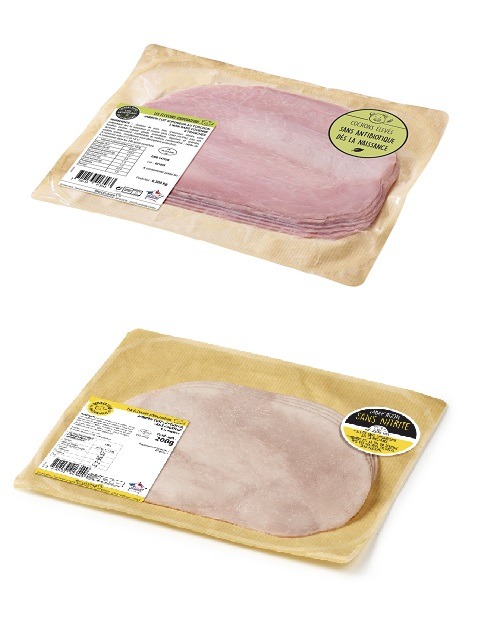
France – Superior Cooked Ham – Listeria monocytogenes

Gov france

Identification information of the recalled product

  • Product category Food
  • Product subcategory Meats
  • Product brand name BROCELIANDE
  • Model names or references Superior cooked ham DD manufacturing without nitrite 4 slices / 200g Superior cooked ham Cloth without antibiotics from birth 6 Slices / 300g
  • Identification of products
    GTIN Lot Dated
    3700133916298 01042180 Use-by date 01/26/2022
    3700133916298 01042180 Use-by date 01/27/2022
    3700133916298 01043738 Use-by date 30/01/2022
    3700133913563 01042051 Use-by date 01/28/2022
    3700133913563 01042051 Use-by date 31/01/2022
    3700133913563 01043321 Use-by date 02/02/2022
    3700133913563 01045204 Use-by date 04/02/2022
  • Products List Poster_LISTERIA_BROCELIANDE.pdf Attachment
  • Packaging Pieces of 200 and 300g
  • Marketing start/end date Since 01/10/2022
  • Storage temperature Product to be stored in the refrigerator
  • Health mark FR 14 752 020 EC
  • Geographic area of ​​sale Whole France
  • Distributors Leclerc Auchan Casino Intermarché
  • List of points of saleTable_traceability_customers_BRO_from_07_01_to_14_01_-_Global.pdf

Practical information regarding the recall

  • Reason for recall Suspicion of the presence of Listeria monocytogenes
  • Risks incurred by the consumer Listeria monocytogenes (causative agent of listeriosis)

Czech Republic – Jamaican salad – Mould/Mold

Potravinynapranyri

Illustration photo no. 1

Place of inspection:
Olomouc ( Rooseveltova 111/10, 779 00 Olomouc )
Company ID: 05942209
Food group: Meals / Cold dishes

Jamaican salad
Category: Dangerous food
Unsatisfactory parameter:

color
scent
mold visible to the eye

Mold colonies and color changes occurred on the salad surface. The food smelled like rot. Food is not considered safe if it shows signs of spoilage.

The food had an expiration date.

Expiration date: 11/16/2021
Quantity of product in package: 2,086 kg
Sampling date: Nov 22, 2021
Reference number: 22-000033-CAFIA-CZ
The sample was found by an official inspection of the State Agricultural and Food Inspection Authority.

Czech Republic – Red cabbage – Mould/Mold

Potravinynapranyri

Illustration photo no. 1

Place of inspection:
Olomouc ( Rooseveltova 111/10, 779 00 Olomouc )
Company ID: 05942209
Food group: Meals / Cold dishes

Red cabbage
Category: Dangerous food
Unsatisfactory parameter:

mold visible to the eye

Mold colonies were found on the surface of the food. Food is not considered safe if it shows signs of spoilage.

The food had an expiration date.

Expiration date: 15.11.2021 according to HACCP
Quantity of product in package: 1,333 kg
Sampling date: Nov 22, 2021
Reference number: 22-000034-CAFIA-CZ
The sample was found by an official inspection of the State Agricultural and Food Inspection Authority.

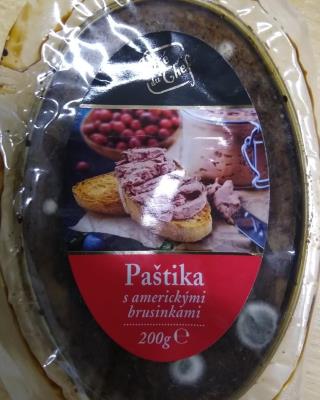
Czech Republic – Pate with American cranberries – meat product heat-treated – Mould/Mold

Potravinynapranyri

Illustration photo no. 1

Place of inspection:
Chrudim ( Tovarni 1395, 53701 Chrudim )
ID: 26178541
Food group: Meat and meat products / Heat-treated non-perishable products

Pate with American cranberries – meat product heat-treated
Category: Dangerous food
Unsatisfactory parameter:

mold visible to the eye
scent

There were mold colonies visible to the naked eye on the surface of the food. The product smelled of rot. Food is not considered safe if it shows signs of spoilage.

During the inspection, unsatisfactory storage temperatures of this product were not found. The product has not expired.

Lots: 12/26/2021
Expiration date: 12/26/2021
Packaging: Al bowl + foil
Quantity of product in package: 200 g
Producer: Alimpex-maso sro, Kubánské náměstí 1391/11, 100 00 Prague 10
Country of origin:  Czechia
Sampling date: 16. 12. 2021
Reference number: 22-000031-CAFIA-CZ
The sample was found by an official inspection of the State Agricultural and Food Inspection Authority.

France – SUPERIOR KNACK – Listeria monocytogenes

Gov france

Identification information of the recalled product

  • Product category Food
  • Product subcategory Meats
  • Product brand name PIERRAT
  • Model names or references SUPERIOR KNACK X10 SUPERIOR KNACK X4 SUPERIOR KNACK X30
  • Identification of products
    GTIN Lot Dated
    3327752564817 514 Use-by date between 01/14/2022 and 01/16/2022
    3327758631438 514 Use-by date between 01/22/2022 and 01/28/2022
    3327752564817 521 Use-by date between 18/01/2022 and 31/01/2022
    3327752564824 521 Use-by date between 01/19/2022 and 01/31/2022
  • Packaging VACUUM AND UNDER ATMOSPHERE
  • Marketing start/end date From 27/12/2021 to 13/01/2022
  • Storage temperature Product to be stored in the refrigerator
  • Health mark presence of listeria
  • Geographic area of ​​sale Whole France
  • Distributors SUPER U LA BRESSE, Le Vosgien gourmet, Leclerc, Brasserie Excelsior, Le slalom à la bresse, Lycée la haie griselle, Interlaken, Auchan, Partisan du Goût, Intermarché, Carrefour Contact, Cora, Carrefour
  • List of points of saleCopy_of_KNACK_OTHER_LOT_514_521.pdf

Practical information regarding the recall

  • Reason for recall Presence of Listeria

USA – FDA Issues Report Highlighting Salmonella Outbreak in Packaged Leafy Greens Produced in a Controlled Environment Agriculture Operation

FDA

Vegetable Bacteria Danger

The U.S. Food and Drug Administration (FDA) has released a report on its investigation of the Salmonella Typhimurium outbreak that caused 31 reported illnesses and four hospitalizations in the U.S. between June and August 2021. The FDA worked with the U.S. Centers for Disease Control and Prevention (CDC) and state partners to investigate the outbreak, which was linked through epidemiology and traceback to packaged salad greens during the summer of 2021. This outbreak is believed to be FDA’s first domestic investigation of a foodborne illness outbreak associated with leafy greens grown in a Controlled Environment Agriculture (CEA) operation. The CEA operation produces leafy greens using common commercial high density hydroponic growing techniques with deep water culture and floating raft production methods. The report released today includes an overview of the traceback investigation, investigation results, and various factors that potentially contributed to the contamination of packaged leafy greens with Salmonella.

Although a conclusive root cause was not identified, the agency identified certain conditions and practices that could result in contamination, including the presence of a different serotype of Salmonella in pond water used to grow the leafy greens, growth media storage practices, water management practices, and general sanitation practices at the CEA that were inadequate to prevent the introduction or spread of microorganisms of public health significance into the leafy greens.

FDA isolated the outbreak strain of Salmonella Typhimurium in a stormwater retention basin adjacent to the CEA farm. However, the investigation did not reveal if that stormwater retention basin was the source of the Salmonella that ultimately contaminated the leafy greens. This highlights the importance of assessing all microbial hazards, including those associated with adjacent and nearby land uses.

In light of this report, FDA highlights the following requirements and recommendations applicable to firms, such as the hydroponic operation implicated in this S. Typhimurium outbreak, engaged in CEA. Here are some of the requirements and recommendations:

  • Develop a keen understanding of potential sources and routes of contamination including the raw materials and inputs used, as well as possible sources of contamination throughout the operation.
  • Implement effective sanitation procedures and sampling plans while also paying close attention to hygienic operations and equipment design, ensuring cleaning procedures do not contribute to the dispersion of microbial contaminants that may be present.
  • Assess growing operations to ensure implementation of appropriate science- and risk-based preventive measures, including applicable required provisions of the FDA Food Safety Modernization Act (FSMA) Produce Safety Rule and good agricultural practices (GAPs).
  • Implement procedures that are effective in rapidly cooling and cold holding harvested leafy greens after harvest and verify the effectiveness of the cooling and cold holding procedures, including the routine monitoring of processing and storage environments and product temperatures to prevent pathogen growth in harvested leafy greens.
  • If employing tools such as pre-harvest and post-harvest sampling and testing of food, water, and the physical environment, seek to identify and inform sampling plans, limits of detection, and mitigation measures that control potential sources and routes of bacterial contamination in the growing and harvesting environment.
  • Ensure that all growing pond water is safe and of adequate sanitary quality for its intended use, which includes implementing measures (such as water treatment) necessary to reduce the potential for contamination by known or reasonably foreseeable hazards.
  • Perform a root cause analysis when a pathogen is identified in the growing environment, in raw agricultural inputs such as water, or in the agricultural commodity to determine how the contamination likely occurred and implement appropriate prevention and verification measures.
  • Assess and mitigate risks associated with adjacent and nearby land uses that may impact CEA operations, in both rural and more urbanized settings.

These requirements and recommendations are just some examples that serve as a reminder that as the use of CEA is increasing globally, all types of food production must continue to address basic food safety concerns, including potential sources and routes of contamination. Food safety is a shared responsibility that involves food producers, distributors, manufacturers, retailers, and regulators. Recognizing the interconnection between people, animals, plants, and their shared environment when it comes to public health outcomes, we encourage collaboration among various groups in the broader agricultural community (i.e., produce growers, state government and academia) to address this issue. The FDA is committed to working with these stakeholders to advance critical work.

For More Information: