Category Archives: Yersinia

USA- Research – Reported Incidence of Infections Caused by Pathogens Transmitted Commonly Through Food: Impact of Increased Use of Culture-Independent Diagnostic Tests —Foodborne Diseases Active Surveillance Network, 1996–2023

CDC

Reducing foodborne disease incidence is a public health priority. This report summarizes preliminary 2023 Foodborne Diseases Active Surveillance Network (FoodNet) data and highlights efforts to increase the representativeness of FoodNet. During 2023, inci-
dences of domestically acquired campylobacteriosis, Shiga toxin- producing Escherichia coli infection, yersiniosis, vibriosis, and cyclosporiasis increased, whereas those of listeriosis, salmonellosis, and shigellosis remained stable compared with incidences during 2016–2018, the baseline used for tracking progress towards federal disease reduction goals. During 2023, the incidence and percent- age of infections diagnosed by culture-independent diagnostic
tests (CIDTs) reported to FoodNet continued to increase, and the percentage of cases that yielded an isolate decreased, affecting observed trends in incidence. Because CIDTs allow for diagnosis of infections that previously would have gone undetected, lack of progress toward disease reduction goals might reflect changing diagnostic practices rather than an actual increase in incidence. Continued surveillance is needed to monitor the impact of chang-
ing diagnostic practices on disease trends, and targeted prevention efforts are needed to meet disease reduction goals. During 2023, FoodNet expanded its catchment area for the first time since 2004. This expansion improved the representativeness of the FoodNet
catchment area, the ability of FoodNet to monitor trends in disease incidence, and the generalizability of FoodNet data.

RASFF Alert – Yersinia enterocolitica – Raw Goats Milk Cheese

RASFF

Yersinia enterocolitica in raw milk goat cheese from France in  Austria, Belgium, Cyprus, Denmark, Finland, France, French Polynesia, Germany, Greece, Ireland, Italy, Japan, Luxembourg, Malta, Monaco, Morocco, Netherlands, Norway, Poland, Portugal, Spain, Sweden, Switzerland,  United Arab Emirates, United Kingdom, United States.

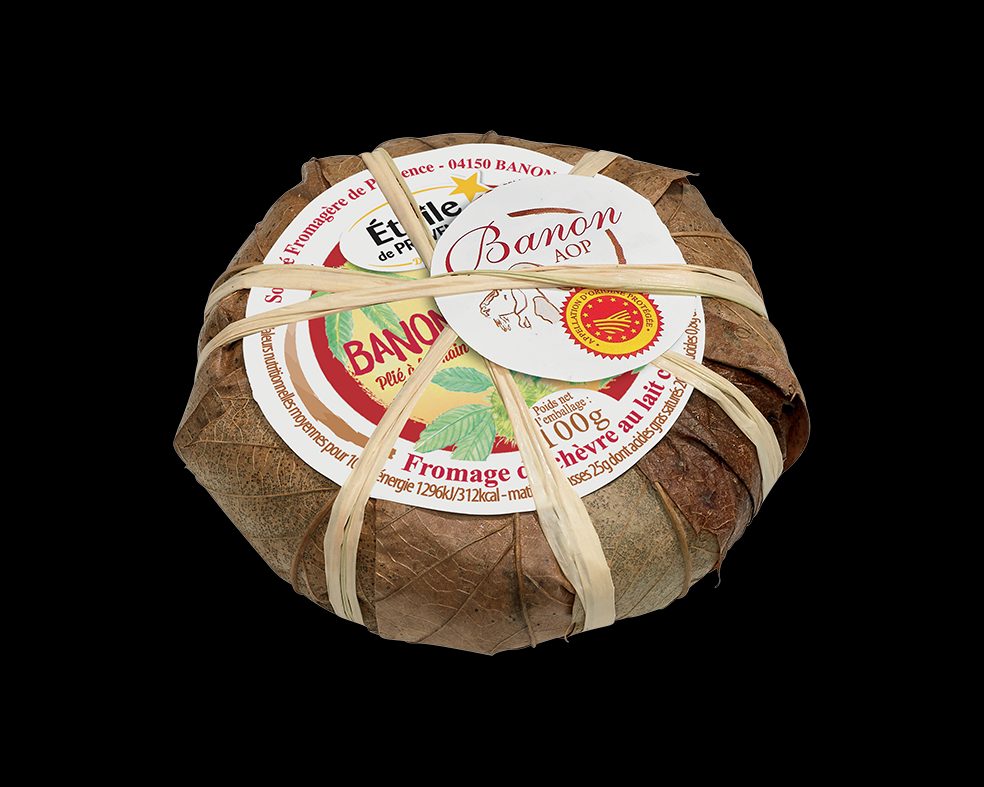
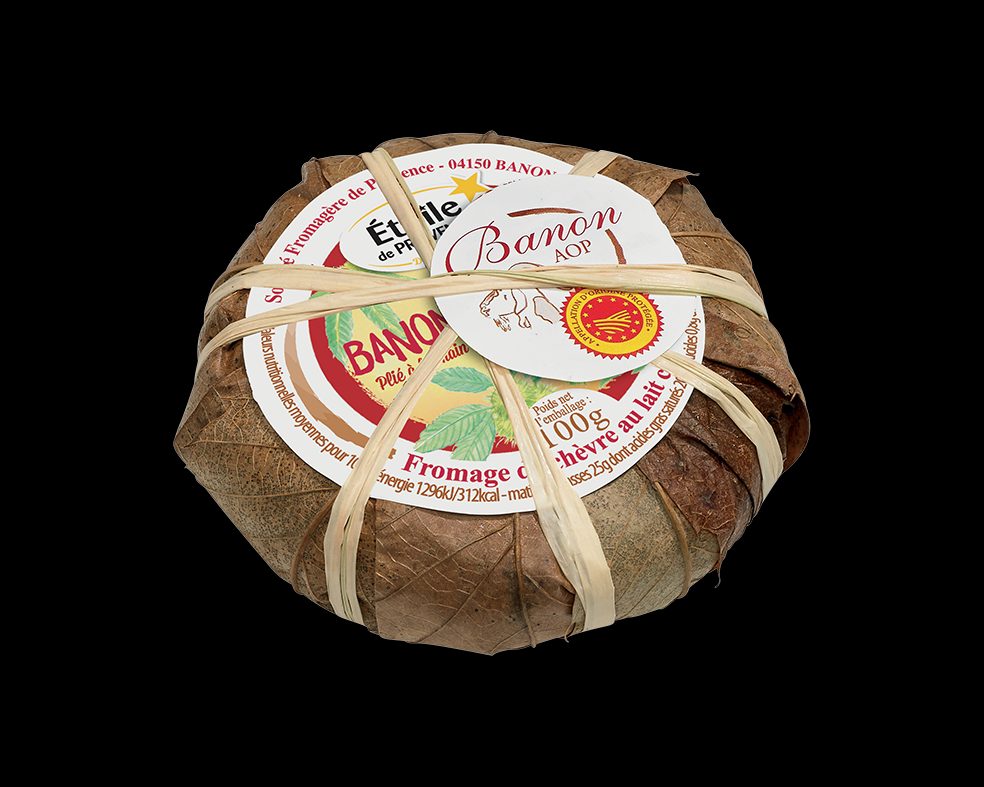
Belgium – Raw milk goat cheese – Banon AOP – from the Etoile de Provence brand – Yesrsinia enterocolitica

AFSCA

cheese

Following a notification via the RASFF system (European Rapid Alert System for Food and Feed), the AFSCA is withdrawing raw milk goat’s cheese (Banon AOP) from the Etoile de Provence brand due to the presence of Yersinia enterocolitica.

The AFSCA asks that you do not consume this product and return it to the point of sale where it was purchased.

Product Description :

  • Product name: Raw milk goat cheese (Banon AOP)
  • Brand: Star of Provence
  • Lot numbers and expiration dates:
    • GTIN 3461680002062: all lots, dates from 06/20/2024 to 07/31/2024
    • GTIN 3461680004011: all lots, dates from 06/20/2024 to 08/02/2024
  • Weight: 100g

The product was distributed through various points of sale.

For any further information, you can contact the AFSCA contact point for consumers: 0800/13.550 or pointdecontact@afsca.be.

Ireland – Recall of specific batches of Etoile de Provence Banon AOP (raw milk goats’ cheese) due to the presence of Yersinia enterocolitica

FSAI

Alert Summary
Category 1: For Action
Alert Notification: 2024.30
Product Identification: Etoile de Provence Banon AOP (raw milk goats’ cheese); pack size: 100g
Batch Code Best-before dates: 12/07/2024 & 19/07/2024
Country Of Origin: France

Message:

The above batches of Etoile de Provence Banon AOP (raw milk goats’ cheese) are being recalled due to the presence of Yersinia enterocolitica.

Nature Of Danger:

Yersinia enterocolitica are bacteria which may be ingested via contaminated food or water. Symptoms of yersiniosis most often develop 3-7 days after infection. Symptoms include fever, abdominal cramps, watery or bloody diarrhoea, headaches, and vomiting. Yersiniosis is typically self-limiting, and symptoms can persist from 1-3 days up to 3 weeks. Some individuals are more vulnerable to infection, including young children, older adults and immunocompromised individuals.

Action Required:

Manufacturers, wholesalers, distributors, caterers & retailers:

Retailers are requested to remove the implicated batches from sale and display recall notices at point-of-sale.

Consumers:

Consumers are advised not to eat the implicated batches.

France – Banon AOP 100g Etoile de Provence naked or wooden bowl – Yersinia enterocolitica

Gov France

Product Category
Food
Product subcategory
Milk and dairy products
Product brand name
Star of Provence
Model names or references
Banon AOP cut Banon AOP fresh packaged (wooden bowl)
Product identification
GTIN Batch Date
3461680002062 All lots Minimum durability date between 06/20/2024 and 07/31/2024
3461680004011 All lots Minimum durability date between 06/20/2024 and 08/02/2024
Packaging
Naked and wooden bowl
Start/End of marketing date
From 05/13/2024 to 06/28/2024
Storage temperature
Product to be kept in the refrigerator
Health mark
FR 04.018.001 CE
Geographic area of ​​sale
Whole France
Distributors
Carrefour, Leclerc, Intermarché, Auchan, System U, Grand Frais, Metro, Casino, Migros

France – Cheese – Banon AOP 100g Etoile de Provence naked or wooden bowl – Yersinia enterocolitica

Gov France

Product Category
Food
Product subcategory
Milk and dairy products
Product brand name
Star of Provence
Model names or references
Banon AOP cut Banon AOP fresh packaged (wooden bowl)
Product identification
GTIN Batch Date
3461680004011 All lots Minimum durability date between 06/20/2024 and 07/31/2024
3461680002062 All lots Minimum durability date between 06/20/2024 and 07/31/2024
Packaging
Naked and wooden bowl
Start/End of marketing date
From 05/13/2024 to 06/28/2024
Storage temperature
Product to be kept in the refrigerator
Health mark
FR 04.018.001 CE
Geographic area of ​​sale
Whole France
Distributors
Carrefour, Leclerc, Intermarché, Auchan, System U, Grand Frais, Metro, Casino, Migros

Finland reports Yersinia rise and 2023 recall data

Food Safety News

Public health officials in Finland are monitoring an increase in Yersinia infections seen so far in 2024.

168 Yersinia enterocolitica cases have been reported to the Infectious Disease Register compared to 64 cases from January to April 2023.

The National Institute of Health and Welfare (THL) said it had received two suspected outbreak alerts in April and reports about increased Yersinia enterocolitica infections from Pirkanmaa, Uusimaa, and Ostrobothnia.

Research – Using Essential Oils to Reduce Yersinia enterocolitica in Minced Meat and in Biofilms

MDPI

Abstract

Yersiniosis, one of the leading foodborne infections in the European Union, is caused by Yersinia enterocolitica. In this study, the antibacterial and antibiofilm effects of cinnamon (Cinnamomum zeylanicum Nees), clove (Syzygium aromaticum L.), oregano (Origanum vulgare L.), rosemary (Rosmarinus officinalis L.), thyme (Thymus vulgaris L.), and winter savory (Satureja montana L.) essential oils were investigated against Y. enterocolitica strains belonging to the bioserotype 4/O:3. Cinnamon essential oil showed the highest antibacterial activity, with an MIC value 0.09 µL/mL, followed by oregano and thyme essential oils, with MIC values from 0.09 to 0.18 µL/mL, and from 0.18 to 0.23 µL/mL, respectively. Thyme essential oil at 0.23 µL/g (MIC) and at 0.46 µL/g (2MIC) significantly (p < 0.05) reduced the number of Y. enterocolitica by 0.38 log CFU/g and 0.64 log CFU/g, respectively, in minced pork meat during storage at 4 °C for 4 days. The Y. enterocolitica strains formed biofilms at 15 °C and 37 °C in tryptic soy broth and Luria–Bertani broth, while no biofilms were obtained at 5 °C, and in meat broth nutrient media. Applying the minimum bactericidal concentrations of cinnamon, clove, oregano, rosemary, thyme, and winter savory essential oils on preformed biofilms led to significant reductions being observed in the range from 45.34% to 78.89%. A scanning electron microscopy assay showed the devastating impact of oregano and thyme essential oils on the morphology of Y. enterocolitica bacterial cells. In conclusion, the results of this study show that essential oils possess high anti-Yersinia and antibiofilm effects.

Research – Yersinia enterocolitica biovar 1A: An underappreciated potential pathogen in the food chain.

Science Direct

Highlights
Y. enterocolitica was isolated from chicken (74%), pork (80%), salmon (80%) and leafy green (10%) samples

Up to five Y. enterocolitica sequence types (STs) were isolated from the same food sample

Isolates from the same sample and ST differed by 0-74 single nucleotide polymorphisms (SNPs)

Almost all (99%) food Y. enterocolitica isolates were biotype 1A

Around half (51%) of food samples contained an ST previously isolated from UK human sources.

Abstract

Yersinia enterocolitica is an underreported cause of foodborne gastroenteritis. Little is known of the diversity of Y. enterocolitica isolated from food and which food commodities contribute to human disease. In this study, Y. enterocolitica was isolated from 37/50 raw chicken, 8/10 pork, 8/10 salmon and 1/10 leafy green samples collected at retail in the UK. Up to 10 presumptive Y. enterocolitica isolates per positive sample underwent whole genome sequencing (WGS) and were compared with publicly available genomes. In total, 207 Y. enterocolitica isolates were analyzed and belonged to 38 sequence types (STs). Up to five STs of Y. enterocolitica were isolated from individual food samples and isolates belonging to the same sample and ST differed by 0–74 single nucleotide polymorphisms (SNPs). Biotype was predicted for 205 (99 %) genomes that all belonged to biotype 1A, previously described as non-pathogenic. However, around half (51 %) of food samples contained isolates belonging to the same ST as previously isolated from UK human cases. The closest human-derived isolates shared between 17 and 7978 single nucleotide polymorphisms (SNPs) with the food isolates. Extensive food surveillance is required to determine what food sources are responsible for Y. enterocolitica infections and to re-examine the role of biotype 1A as a human pathogen.

Research – Most major pathogens see an increase in Ireland

Food Safety News

The number of E. coli, Salmonella, Campylobacter, and Listeria infections has gone up in Ireland, according to 2022 data from the Health Protection Surveillance Centre (HPSC).

During the COVID-19 pandemic, reporting rates for giardiasis, listeriosis, norovirus, rotavirus, salmonellosis, shigellosis, and toxoplasmosis in Ireland decreased compared to pre-pandemic levels. Still, rates for campylobacteriosis, cryptosporidiosis, E. coli, and yersiniosis increased or remained unchanged. In 2022, most of these diseases returned to or remained at pre-pandemic levels.

A 2021 cyber-attack at the Health Service Executive (HSE) also affected data validation and collection, reporting of enhanced data variables, and outbreak notification.