Category Archives: STEC

Research – Genomic analysis of an outbreak of Shiga toxin-producing Escherichia coli O183:H18 in the United Kingdom, 2023

Microbiology Research

In June 2023, UKHSA surveillance systems detected an outbreak of severe gastrointestinal symptoms caused by a rare serotype of Shiga toxin-producing , STEC O183:H18. There were 26 cases aged 6 months to 74 years (42 % cases were aged 0–9 years), distributed across the UK with onset dates range between 22 May 2023 and 4 July 2023. The epidemiological and food chain investigations were inconclusive, although meat products made from beef mince were implicated as a potential vehicle. The outbreak strain belonged to sequence type (ST) 657 and harboured a Shiga toxin () subtype  located on a prophage that was unique in the UKHSA -encoding bacteriophage database. Plasmid encoded, putative virulence genes  and  were detected, however, the established STEC virulence genes involved in attachment to the gut mucosa ( and ) were absent. The acquisition of  across the global population structure of ST657 appeared to correspond with the presence of  and . During the outbreak investigation, we used long read sequencing to characterise the plasmid and prophage content of this atypical STEC, to look for evidence to explain its recent emergence. Although we were unable to determine source and transmission route of the outbreak strain, the genomic analysis revealed potential clues as to how novel strains for STEC evolve. With the implementation of PCR capable of detecting all STEC, and genome sequencing for typing and virulence profiling, we have the tools to enable us to monitor the changing landscape of STEC. Improvements in the standardised collection of epidemiological data and trace-back strategies within the food industry, will ensure we have a surveillance system capable of alerting us to emerging threats to public health.

UK – STEC E-coli advice issued amid rise in cases

Gov UK

The UK Health Security Agency (UKHSA), together with public health agencies in Scotland, Northern Ireland and Wales, are investigating an increase in the number of Shiga toxin-producing Escherichia coli (STEC) cases in the UK in recent weeks.

Infections caused by STEC bacteria can cause severe bloody diarrhoea and, in some cases, more serious complications. It is often transmitted by eating contaminated food but can also be spread by close contact with an infected person, as well as direct contact with an infected animal or its environment.

Whole genome sequencing of samples in the current investigation indicates that most cases are part of a single outbreak. Based on the wide geographic spread of cases, it is most likely that this outbreak is linked to a nationally distributed food item or multiple food items. The source of this outbreak is not yet confirmed but there is currently no evidence linking the outbreak to open farms, drinking water or swimming in contaminated seawater, lakes or rivers. The public health agencies are working with the Food Standards Agency (FSA) and Food Standards Scotland to investigate further.

As of 4 June, there have been 113 confirmed cases associated with this outbreak of STEC O145 in the UK, all reported since 25 May 2024:

  • 81 in England
  • 18 in Wales
  • 13 in Scotland
  • 1 in Northern Ireland (for this case, evidence suggests that they acquired their infection while visiting England)

Typically, we see around 1,500 cases of STEC over a full year. Numbers of confirmed cases associated with this outbreak are expected to rise as further samples undergo whole genome sequencing.

Cases range in age from 2 years old to 79 years old, with the majority of cases in young adults. Of the 81 cases identified to date in England, 61 have provided information to UKHSA related to food, travel and potential exposures and of these we know that 61% have been hospitalised.

While the source of this outbreak is currently unknown, there are steps you can take to reduce your risk of gastrointestinal infections, as well as limiting the spread to others:

  • regularly wash your hands with warm water and soap — alcohol gels do not kill all bugs that cause diarrhoeal illness
  • follow food hygiene measures such as washing fruit and vegetables and cooking food properly
  • if you have diarrhoea and vomiting, you should not prepare food for others and avoid visiting people in hospitals or care homes to avoid passing on the infection
  • you should not return to work, school or nursery until 48 hours after your symptoms have stopped

Trish Mannes, Incident Director at UKHSA, said:

Symptoms of infections with STEC include severe and sometimes bloody diarrhoea, stomach cramps, vomiting and fever. If you have diarrhoea and vomiting, you can take steps to avoid passing it on to family and friends. NHS.UK has information on what to do if you have symptoms and when to seek medical advice.

Washing your hands with soap and warm water and using disinfectants to clean surfaces will help stop infections from spreading. If you are unwell with diarrhoea and vomiting, you should not prepare food for others and avoid visiting people in hospitals or care homes to avoid passing on the infection in these settings. Do not return to work, school or nursery until 48 hours after your symptoms have stopped.

Darren Whitby, Head of Incidents and Resilience at the FSA, said:

The FSA is working with UKHSA and relevant Public Health bodies to identify the source of the illness, which is likely to be linked to one or more food items.

We always advise consumers and those looking after vulnerable people to ensure good hygiene practices are followed when handling and preparing food, regularly washing hands with soap and warm water and ensuring equipment, utensils and surfaces foods come into contact with are cleaned thoroughly to prevent cross contamination.

You should not prepare food for others if you have had symptoms, or for 48 hours after symptoms stop. You can find more information about good hygiene practises – 4c’s, and E. coli on our website.

Jim McMenamin, Head of Health Protection (infection Services), Public Health Scotland, said:

To help stop infections like E. coli from spreading, we advise regular hand washing using soap and water, particularly after using the toilet and before preparing food. People should also use disinfectants to clean surfaces that may be contaminated. Anyone experiencing severe and sometimes bloody diarrhoea, stomach cramps, vomiting and fever should call their GP or 111 to seek advice. Anyone with diarrhoea or vomiting should avoid attending places such as schools, workplaces or social gatherings until at least 48 hours after their symptoms have ceased.

Wendi Shepherd, Consultant in Health Protection for Public Health Wales, said:

Public Health Wales is working with partners in the UK and across the Welsh NHS to investigate this incident. There are currently 18 cases identified in Wales and healthcare providers have been advised of the increase in cases. We would advise anyone who has experienced bloody diarrhoea or severe stomach cramps to seek medical attention.

UK – An urgent health warning has been issued after an STEC E.coli outbreak was linked to a “nationally distributed food item”.

Sky News

An urgent health warning has been issued after an E.coli outbreak was linked to a “nationally distributed food item”.

An unspecified number of people are being treated in hospital due to the outbreak, the UK Health Security Agency (UKHSA) has said.

The UKHSA said testing indicates that most of the 113 cases reported in the UK are “part of a single outbreak” but did not give more details about the “food item” thought to be responsible.

The cases range in age from two years old to 79, with the majority of the infections in young adults.

USA – Cargill recalls ground beef from Walmart stores because of E. coli contamination

Food Safety News

Cargill Meat Solutions, a Hazleton, PA., establishment, is recalling more than 16,000 pounds of raw ground beef products that may be contaminated with E. coli O157:H7, the U.S. Department of Agriculture’s Food Safety and Inspection Service (FSIS) announced.

The ground beef was shipped to Walmart stores nationwide.

“FSIS is concerned that some product may be in consumers’ refrigerators or freezers. Consumers who have purchased these products are urged not to consume them. These products should be thrown away or returned to the place of purchase,” according to the recall notice.

France – Raw goat’s milk cheese – STEC E.coli

Gov France

Product category
Food
Product subcategory
Milk and dairy products
Product brand name
André Plaza farm cheeses
Model names or references
stools on expensive, logs
Product identification
Batch Date
2005 Minimum durability date 07/18/2024
Start/end date of marketing
From 05/21/2024 to 05/30/2024
Storage temperature
Product to keep in the refrigerator
Geographical sales area
Whole France
Distributors
Direct sales on the farm

France – Raw goat’s milk cheese – STEC E.coli

Gov France

Product category
Food
Product subcategory
Milk and dairy products
Product brand name
Saddles on expensive GIE BERRY TOURAINE
Model names or references
Stools on Cher
Product identification
Batch Date
2005 Minimum durability date 07/18/2024
Start/end date of marketing
From 05/21/2024 to 05/30/2024
Storage temperature
Product to keep in the refrigerator
Geographical sales area
Whole France
Distributors
Sté SODEGER 53204 CHATEAU GONTIER VIA GIE BERRY TOURAINE

Research – Use of dishwashers fails to inactivate foodborne pathogens in home-canned model foods

Science Direct

Unlabelled Image

Abstract

Risky home canning techniques are still performed for food preservation due to limited science-based recommendations. This study aimed to evaluate the inactivation of Shiga toxin-producing Escherichia coli O157:H7, Salmonella enterica (ser. Typhimurium, Enteritidis, and Infantis) and Listeria monocytogenes during home canning with a household dishwasher. The 450 mL of blended tomato (acidic liquid food) and potato puree (non-acidic solid food) were prepared with 1.5 % salt and 25 mL vinegar as model foods in glass jars (660 mL). The two model foods were sterilized, then inoculated with separate cocktails of each pathogen at 106–107 CFU/g. The prepared jars were placed in the bottom rack of a dishwasher and subjected to the following cycles: economic (50 °C, 122 min), express (60 °C, 54 min), and intensive (70 °C, 96 min). Temperature changes in jars were monitored by using thermocouples during heat treatment. Within the center of the jars, temperatures were measured as 45 to 53 °C in blended tomato and 44 to 52 °C in potato puree during all tested dishwasher cycles, respectively. The economic cycle treatment reduced S. entericaE. coli O157:H7, and L. monocytogenes populations by 3.1, 4.6, and 4.2 log CFU/g in blended tomato (P ≤ 0.05), where a <1.0 log reduction was observed in potato puree (P > 0.05). All pathogens showed similar heat resistance during the express cycle treatment with a log reduction ranging from 4.2 to 5.0 log CFU/g in blended tomato and 0.6 to 0.7 log CFU/g in potato puree. Reduction in L. monocytogenes population was limited (0.6 log CFU/g) compared to E. coli O157:H7 (2.0 log CFU/g) and S. enterica (2.7 log CFU/g) in blended tomato during the intensive cycle treatment (P ≤ 0.05). Dishwasher cycles at manufacturer defined settings failed to adequately inactivate foodborne pathogens in model foods. This study indicates that home-canned vegetables may cause foodborne illnesses when dishwashers in home kitchens are used for heat processing.

Italy – 2 TARTARE GUSTOSE – STEC E.coli

Salute

Brand : FIORANI CS R L. (IT 592 S CE)

Name : 2 TARTARE GUSTOSE

Reason for reporting : Recall due to microbiological risk

Publication date : 27 May 2024

Documentation
Documentation
Recall model FIORANI CS R L. (IT 592 S CE) – 2 TASTY TARTARE

28-05-2024 – PDF (124.7 Kb)

 Italy – 2 TARTARE GUSTOSE – STEC E.coli

Salute

Brand : FIORANI CS R L. (IT 592 S CE)

Name : 2 TARTARE GUSTOSE

Reason for reporting : Recall due to microbiological risk

Publication date : 27 May 2024

Documentation

Documentation

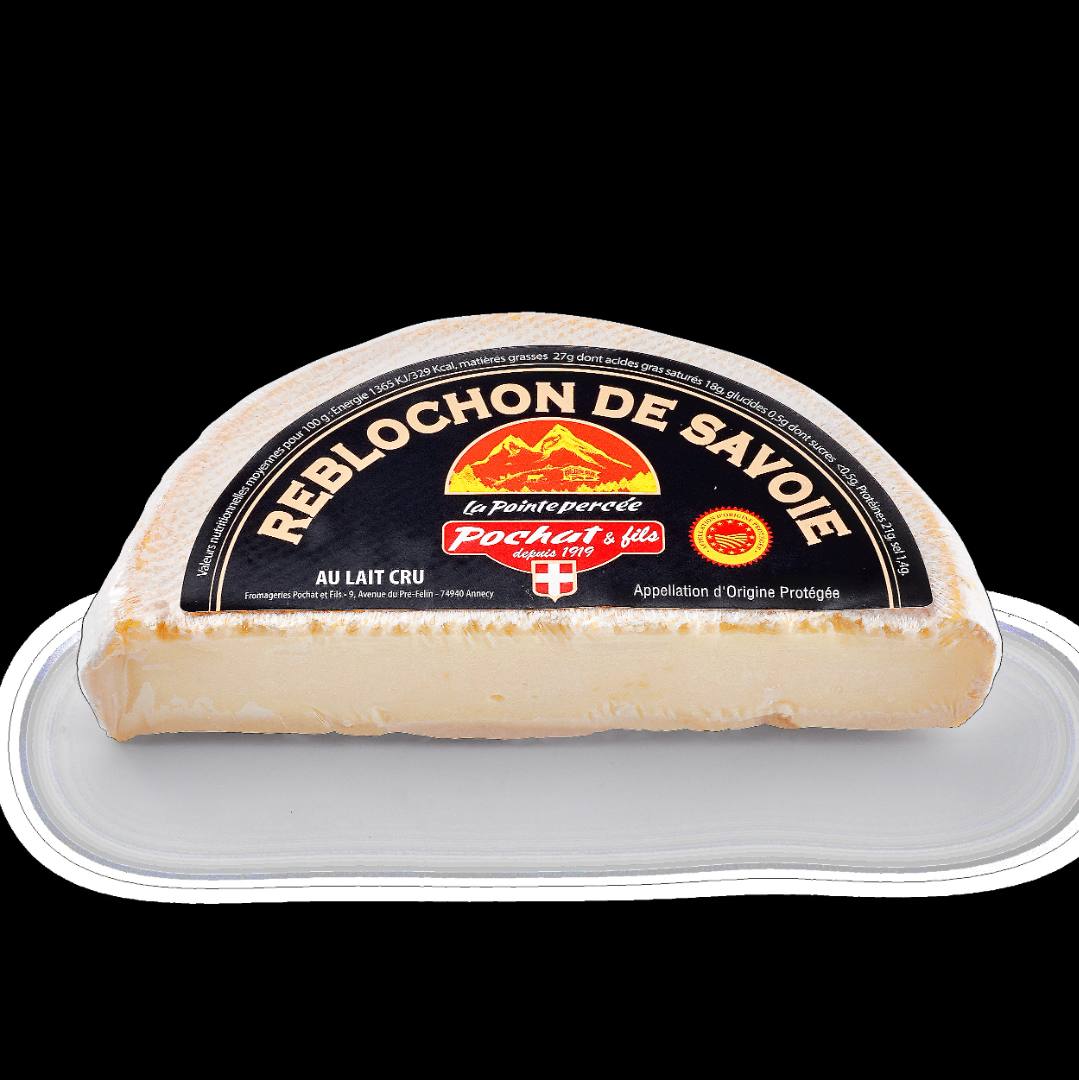
France – Half Reblochon from Savoie – STEC E.coli O103:H2

Gov France

Product category
Food
Product subcategory
Milk and dairy products
Product brand name
POCHAT POINTE PERCEE
Model names or references
Half-reblochon
Product identification
GTIN Batch Date
3294580944275 145184212 Minimum durability date 06/14/2024
Packaging
packaging in film, 230 g
Start/end date of marketing
From 05/23/2024 to 05/24/2024
Storage temperature
Product to keep in the refrigerator
Health mark
FR 74-011-060 CE
Geographical sales area
Whole France
Distributors
CROSSROADS