Category Archives: STEC E.coli

France – Product recall: Rocamadour aop 105g (3x35g) from the MONOPRIX GOURMET brand – STEC E.coli O26

Oulah

ENCOUNTERED PROBLEM

Presence of Escherichia coli STEC O26: H11

PROPOSED SOLUTION

People who hold the product in question are asked not to consume them – and more particularly young children, pregnant women, immunocompromised people and the elderly – and to return them to the point of sale where they were purchased.

People who have consumed it and who present symptoms such as diarrhea, abdominal pain or vomiting should consult their doctor as soon as possible, mentioning this consumption and the possible link with the bacterium Escherichia coli.

In the absence of symptoms within 10 days after consuming the affected products, there is no need to worry and consult a doctor.

The E. coli bacterium is naturally present in the digestive microflora of humans and warm-blooded animals. Some strains of E. coli are pathogenic, and can be responsible in humans for various disorders ranging from mild diarrhea to more serious forms such as hemorrhagic diarrhea or severe kidney damage such as HUS, mainly in young children.

FURTHER INFORMATION

▸ Names of models or references
ROCAMADOUR AOP 3X35G MONOPRIX GOURMET


▸ Affected products

GTIN Lot Dated
3350030108557 131-1 Date of minimum durability 06/24/2021

▸ Packaging
Wooden box wrapped with 3 cheeses


▸ Start / end date of marketing
From 05/22/2021 to 06/23/2021


▸ Health mark
FR 46.204.002 CE


▸ Geographical area of ​​sales throughout
France


MONOPRIX distributors


▸ Consumer service contact
0800084000


▸ Source
CASINO GOODS PURCHASES
RASFF Alerts – STEC E.coli – Reblochon Cheese- Veal Meat – Lamb Loins

RASFF

Escherichia coli shiga toxin-producing in Reblochon cheese from France in Austria and Germany

RASFF

E.coli STEC (Stx+) in veal meat from Belgium, Czech Republic, Germany, Greece, Hungary, Italy, Portugal, Slovenia and Spain.

RASFF

Escherichia coli (STEC) in frozen lamb loins from New Zealand in Italy

Research – Nanoemulsified carvacrol as a novel washing treatment reduces Escherichia coli O157:H7 on spinach and lettuce

Journal of Food Protection

Fresh produce continues to be the main source of foodborne illness outbreaks in the United States implicating bacterial pathogens such as Escherichia coli O157:H7 (EHEC). The efficacy of nanoemulsified carvacrol (NCR) as a washing treatment in reducing EHEC on fresh produce was investigated. Fresh baby spinach, Romaine lettuce, and Iceberg lettuce leaves (2.5 cm diameter cores) were spot-inoculated with a five-strain cocktail of nalidixic acid resistant EHEC at ~ 6 log CFU/cm 2 . After air-drying for 1 h, 20 pieces of each inoculated produce leaves were immersed in water-based treatment solutions (200 ml/group), including water alone, 25 or 50 ppm free chlorine, and 0.25% or 0.75% NCR for 2 minutes. Inoculated produce leaves without any treatment served as baseline. Produce leaves were stored at 10°C and surviving EHEC populations were enumerated on days 0, 2, 7 and 14. The viability of EHEC following NCR treatments on the fresh produce was visualized under fluorescence microscope. NCR treatment at 0.75% immediately reduced EHEC populations on Iceberg lettuce by 1.3 log CFU/cm 2 as compared to the produce treated with water alone (P<0.05). Antimicrobial activity of NCR against EHEC was comparable to chlorine treatments on day 0 for all produce (P>0.05). After 14-days of storage at 10°C, populations of EHEC on 0.75% NCR treated Romaine lettuce were reduced by 2.3 log CFU/cm 2 as compared to the recovery from 50 ppm chlorine treated samples (P<0.05). Microscopic images revealed that EHEC cells were observed to be clustered on the baseline samples, indicating the development of cell aggregation, as compared to the scattered cells seen on NCR-treated leaf surfaces. Treatments with NCR did not significantly affect the color on the fresh produce leaves during the 14 days of storage at 10°C. Results of this study support the potential use of NCR as a water soluble natural antimicrobial wash treatment for controlling EHEC on fresh produce.

Italy – SOTTOFESA DI VITELLO EU SV MC – STEC E.coli

Salute

Brand : METRO CHEF

Name : SOTTOFESA DI VITELLO EU SV MC

Reason for reporting : Recall due to microbiological risk

Publication date : 20 August 2021

Click to access C_17_PubblicazioneRichiami_1398_azione_itemAzione0_files_itemFiles0_fileAzione.pdf

Italy – CAP. D. PRETE VITELLO EU SV MC -STEC E.coli

Salute

Brand : METRO CHEF

Name : CAP. D. PRETE VITELLO EU SV MC

Reason for reporting : Recall due to microbiological risk

Publication date : 20 August 2021

Click to access C_17_PubblicazioneRichiami_1397_azione_itemAzione0_files_itemFiles0_fileAzione.pdf

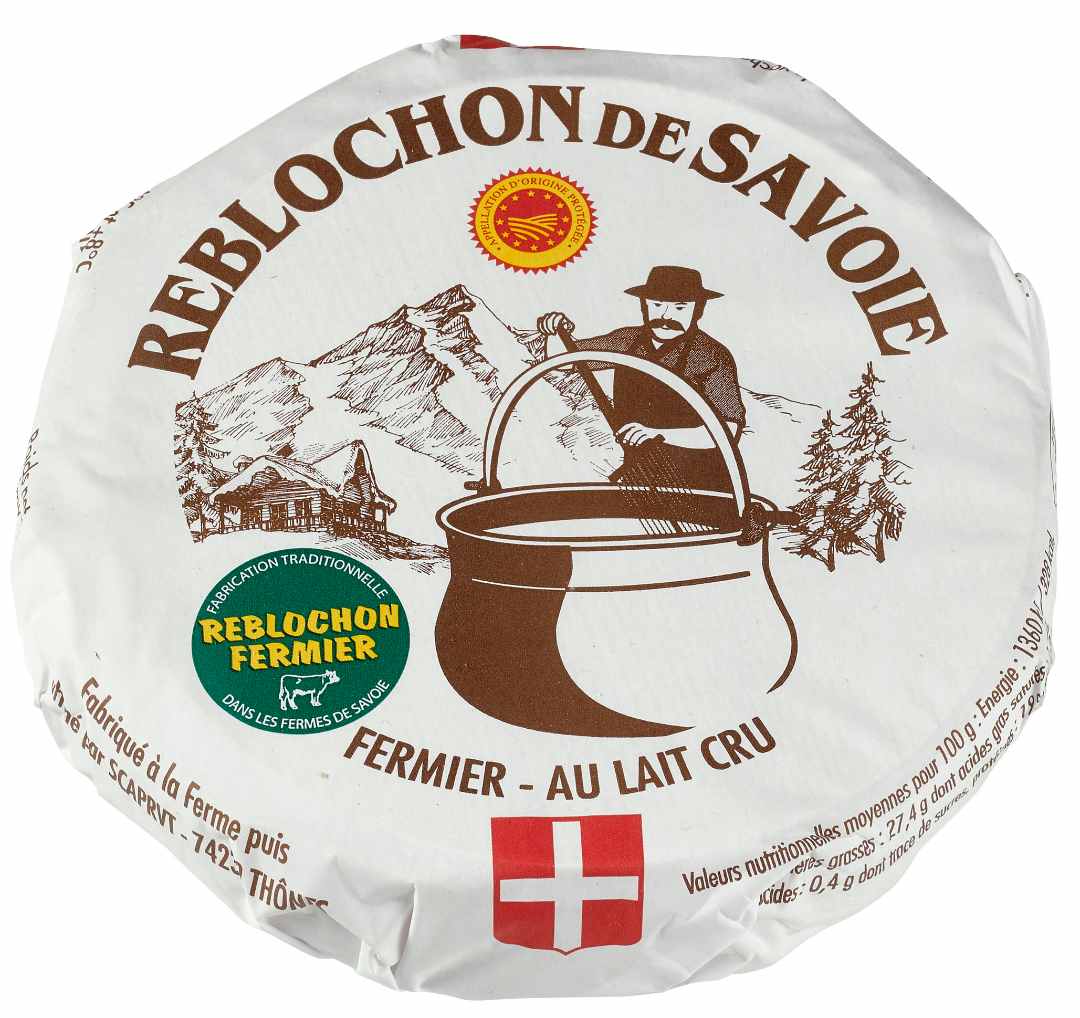
France – Farmer Reblochon AOP

Gov france

Identifying information for the recalled product

  • Product category Food
  • Product sub-category Milk and dairy products
  • Product brand name Unbranded
  • Names of models or references Reblochon de Savoie farmer AOP 450g
  • Product identification
    Lot Dated
    088421204 Date of minimum durability 09/18/2021
  • Packaging Packaged whole cheese
  • Start date / End of marketing From 08/05/2021 to 08/18/2021
  • Storage temperature Product to be stored in the refrigerator
  • Health mark FR 74.280.050 CE
  • Geographical sales area Regions: Provence-Alpes-Côte d’Azur
  • Distributors Local stores

Practical information regarding the recall

  • Reason for recall Presence of Escherichia coli STEC O157H7
  • Risks incurred by the consumer Toxinogenic Escherichia coli shiga (STEC)
  • Consumer behaviour Stop consuming
    Return the product to the point of sale
    Destroy the product
  • Sanitary recommendation Escherichia coli  can cause in the week which follows the consumption of contaminated products, sometimes bloody diarrhoea, abdominal pain and vomiting, with or without fever. These symptoms can be followed (5 to 8% of cases) by severe kidney complications, mainly in children. People who have consumed the products mentioned above and who present this type of symptoms are invited to consult their doctor without delay, notifying him of this consumption as well as the place and date of purchase. In the absence of symptoms within 10 days after consuming the affected products, there is no need to worry and consult a doctor. Generally speaking, the health authorities recall that as a precaution, raw milk and cheeses made from raw milk should not be consumed by young children, particularly those under 5 years old; preferred cooked cheeses (such as Emmental, Comté, etc.), processed cheese spreads and cheeses made from pasteurized milk. The same recommendation should be followed for pregnant women, immunocompromised people and the elderly.
  • Contact number0450320575
  • Compensation modalities Refund
    Exchange
  • End date of the recall procedure Thursday, September 2, 2021

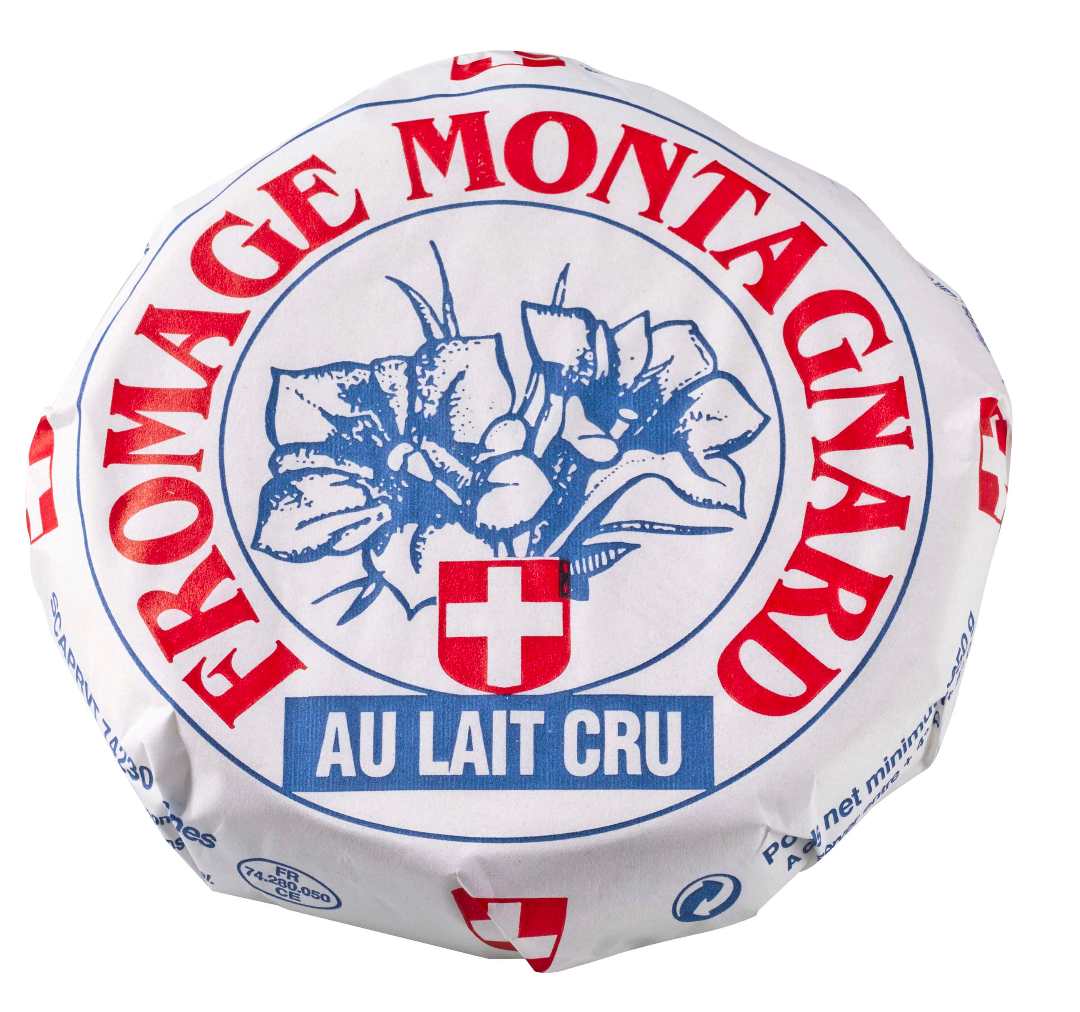
France – Mountain cheese – E.coli O157

Gov france

Identifying information for the recalled product

  • Product category Food
  • Product sub-category Milk and dairy products
  • Product brand name Unbranded
  • Names of models or references Mountain cheese 450g
  • Product identification
    Lot Dated
    088421204 Date of minimum durability 09/19/2021
  • Packaging Packaged whole cheese
  • Start date / End of marketing From 08/05/2021 to 08/18/2021
  • Storage temperature Product to be stored in the refrigerator
  • Health mark FR 74.280.050 CE
  • Geographical sales area Departments: HAUTE-SAVOIE (74)
  • Distributors Point of sale of the cooperative in Thônes

Practical information regarding the recall

  • Reason for recall Presence of Escherichia coli STEC O157H7
  • Risks incurred by the consumer Toxinogenic Escherichia coli shiga (STEC)
  • Consumer behavior Stop consuming
    Return the product to the point of sale
    Destroy the product
  • Sanitary recommendation Escherichia coli  can cause in the week which follows the consumption of contaminated products, sometimes bloody diarrhea, abdominal pain and vomiting, with or without fever. These symptoms can be followed (5 to 8% of cases) by severe kidney complications, mainly in children. People who have consumed the products mentioned above and who present this type of symptoms are invited to consult their doctor without delay, notifying him of this consumption as well as the place and date of purchase. In the absence of symptoms within 10 days after consuming the affected products, there is no need to worry and consult a doctor. Generally speaking, the health authorities recall that as a precaution, raw milk and cheeses made from raw milk should not be consumed by young children, particularly those under 5 years old; preferred cooked cheeses (such as Emmental, Comté, etc.), processed cheese spreads and cheeses made from pasteurized milk. The same recommendation should be followed for pregnant women, immunocompromised people and the elderly.
  • Contact number0450320575
  • Compensation modalities Refund
    Exchange
  • End date of the recall procedure Thursday, September 2, 2021

Germany – Reblochon fermier Reblochon Excellence farm production – STEC E.coli

LMW

Warning type: Food
Date of first publication: 08/20/2021
Product name:

Reblochon fermier Reblochon Excellence farm production

Manufacturer (distributor): Coopérative de Thônes France
Reason for warning:

Suspected contamination with undesirable bacteria (Escherichia coli Stec (gen stx and eae).

Packaging Unit: Counter goods
Durability: 08/31/2021
Lot identification:

088421204

Additional Information: Reference is made to the company’s customer information sheet attached.
Contact to the responsible authorities:

Baden-Württemberg: poststelle@mlr.bwl.de

Bavaria:poststelle@lgl.bayern.de
Hamburg:poststelle@justiz.hamburg.de
North Rhine-Westphalia:poststelle@mulnv.nrw.de
Schleswig-Holstein:poststelle@jumi.landsh.de
Press releases and information
title Attachment or web link
Customer information

France- chopped steak – STEC E.coli and Listeria monocytogenes

Gov france

Identifying information for the recalled product

  • Product category Food
  • Product sub-category Meats
  • Product brand name unbranded
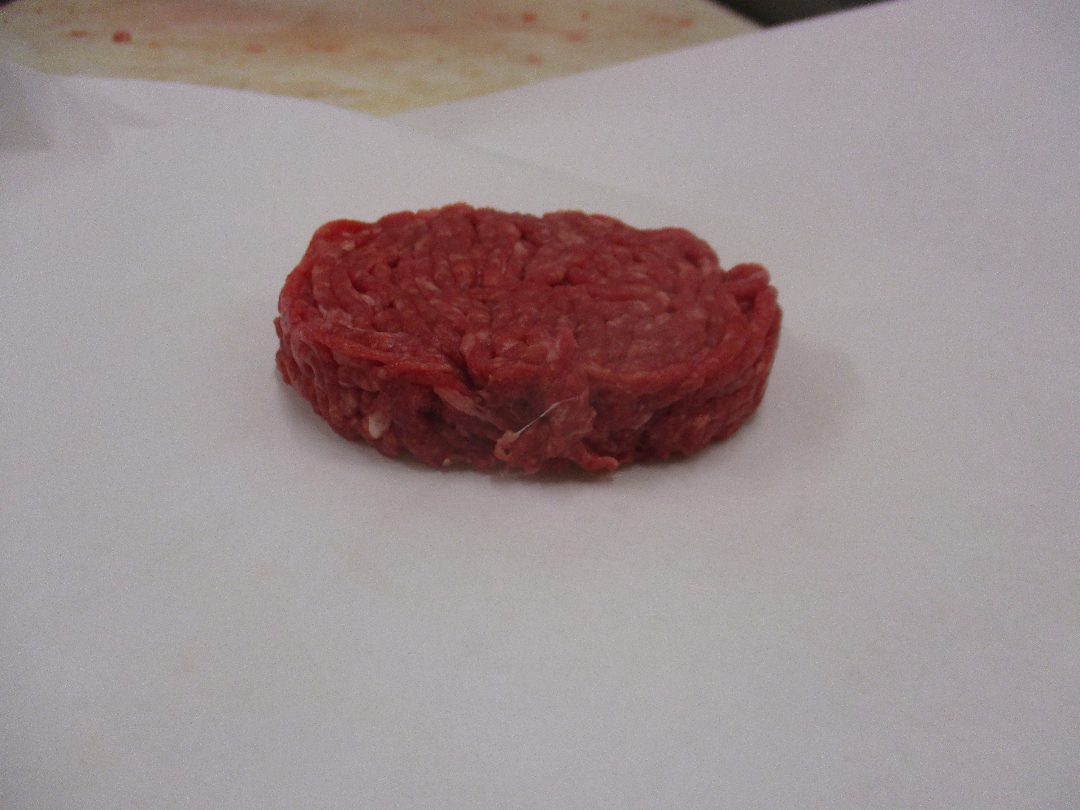
  • Names of models or references chopped steak
  • Product identification
    GTIN Lot Dated
    2887988011352 11201055 Use-by date 08/10/2021
  • Packaging traditional section sale
  • Start date / End of marketing From 08/09/2021 to 08/14/2021
  • Storage temperature Product to be stored in the refrigerator
  • Geographical sales area33260
  • Distributors INTERMARKET

Practical information regarding the recall

  • Reason for recall analysis report
  • Risks incurred by the consumer Toxinogenic Escherichia coli shiga (STEC)
    Listeria monocytogenes (causative agent of listeriosis)
  • Consumer behavior Stop using
    Return the product to the point of sale
    Contact the point of sale
  • Sanitary recommendation Escherichia coli  can cause in the week which follows the consumption of contaminated products, sometimes bloody diarrhea, abdominal pain and vomiting, with or without fever. These symptoms can be followed (5 to 8% of cases) by severe kidney complications, mainly in children. People who have consumed the products mentioned above and who present this type of symptoms are invited to consult their doctor without delay, notifying him of this consumption as well as the place and date of purchase. In the absence of symptoms within 10 days after consuming the affected products, there is no need to worry and consult a doctor. Generally speaking, the health authorities recall that as a precaution, raw milk and cheeses made from raw milk should not be consumed by young children, particularly those under 5 years old; preferred cooked cheeses (such as Emmental, Comté, etc.), processed cheese spreads and cheeses made from pasteurized milk. The same recommendation should be followed for pregnant women, immunocompromised people and the elderly.
    People who have consumed the “products” mentioned above and who have fever, isolated or accompanied by headaches, and muscle aches, are invited to consult their doctor, notifying him of this consumption. Serious forms with neurological complications and maternal or fetal damage in pregnant women can also sometimes occur. Pregnant women as well as immunocompromised people and the elderly should pay special attention to these symptoms. Listeriosis is a disease that can be serious and can take up to eight weeks to incubate.
  • Contact number0557527020
  • Compensation modalities Refund
  • End date of the recall procedure Saturday 28 August 2021

Research – Fate of Salmonella and Enterohemorrhagic Escherichia coli on Wheat Grain

Journal of Food Protection

Wheat flour has been connected to outbreaks of foodborne illnesses with increased frequency in recent years, specifically, outbreaks involving Salmonella enterica and enterohemorrhagic Escherichia coli (EHEC). However, there is little information regarding the survival of these pathogens on wheat grain during long-term storage in a low-moisture environment. This study aims to evaluate the long-term survival of these enteric pathogens on wheat grain over the course of a year. Hard red spring wheat was inoculated with strains of four serovars of Salmonella enterica (Enteritidis , Agona, Tennessee, and Montevideo) and six serotypes of EHEC (O157:H7, O26:H11, O121:H19, O45:NM, O111:H8, and O103:H2) in triplicate, sealed in Mylar bags to maintain the water activity, and stored at room temperature (22 ± 1°C). The survival of each pathogen was evaluated by plating onto differential media . Viable counts of strains from all four serovars of Salmonella (Enteritidis , Agona, Tennessee, and Montevideo) were detected on wheat grain stored at room temperature (22 ± 1°C) for the duration of the study (52 weeks). Viable counts of strains from EHEC serotypes O45:NM, O111:H8, and O26:H11 were only detected for 44 weeks and strains from serotypes O157:H7, O121:H19, and O103:H2 were only detected for 40 weeks until they passed below the limit of detection (2.0 log CFU/g). D -values were found to be significantly different between Salmonella and EHEC (adj. p ≤ 0.05) with Salmonella D -values ranging from 22.9 ± 2.2 to 25.2 ± 1.0 weeks and EHEC D -values ranging from 11.4 ± 0.6 to 13.1 ± 1.8 weeks. There were no significant differences amongst the four Salmonella strains or amongst the six EHEC strains (adj. p > 0.05). These observations highlight the wide range of survival capabilities of enteric pathogens in a low-moisture environment and confirm these pathogens are a food safety concern when considering the long shelf life of wheat grain and its products.