Category Archives: STEC E.coli

Research – Genomic surveillance of STEC/EHEC infections in Germany 2020 to 2022 permits insight into virulence gene profiles and novel O-antigen gene clusters

Science Direct

Abstract

Shiga toxin-producing E. coli (STEC), including the subgroup of enterohemorrhagic E. coli (EHEC), are important bacterial pathogens which cause diarrhea and the severe clinical manifestation hemolytic uremic syndrome (HUS). Genomic surveillance of STEC/EHEC is a state-of-the-art tool to identify infection clusters and to extract markers of circulating clinical strains, such as their virulence and resistance profile for risk assessment and implementation of infection prevention measures. The aim of the study was characterization of the clinical STEC population in Germany for establishment of a reference data set. To that end, from 2020 to 2022 1257 STEC isolates, including 39 of known HUS association, were analyzed and lead to a classification of 30.4 % into 129 infection clusters. Major serogroups in all clinical STEC analyzed were O26, O146, O91, O157, O103, and O145; and in HUS-associated strains were O26, O145, O157, O111, and O80. stx1 was less frequently and stx2 or a combination of stx, eaeA and ehxA were more frequently found in HUS-associated strains. Predominant stx gene subtypes in all STEC strains were stx1a (24 %) and stx2a (21 %) and in HUS-associated strains were mainly stx2a (69 %) and the combination of stx1a and stx2a (12.8 %). Furthermore, two novel O-antigen gene clusters (RKI6 and RKI7) and strains of serovars O45:H2 and O80:H2 showing multidrug resistance were detected. In conclusion, the implemented surveillance tools now allow to comprehensively define the population of clinical STEC strains including those associated with the severe disease manifestation HUS reaching a new surveillance level in Germany.

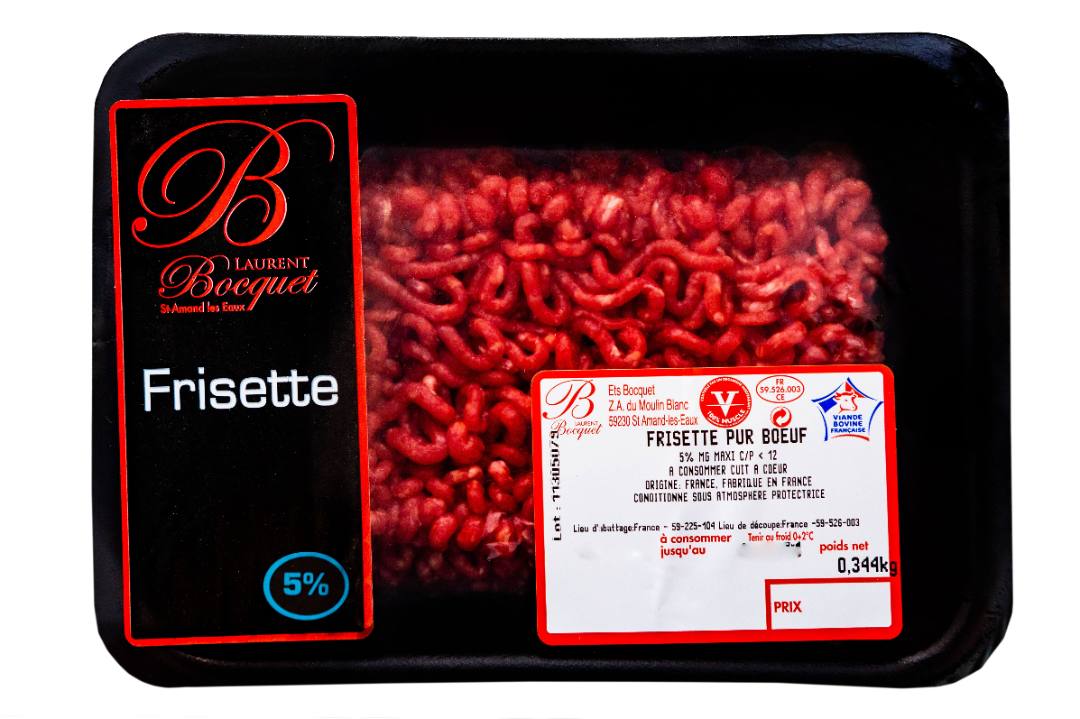
France – Ground steak 5% CORA – STEC E.coli O157

Gov France

Product category
Food
Product subcategory
Meats
Product brand name
CORA
Model names or references
Chopped Steak 5% x1 CORA VBF Frisette 500g 5% CORA VBF Chopped Steak x6 5% VBF CORA
Product identification
GTIN Batch Date
3257980351876 40595076 Use-by date 03/05/2024
3257984467894 40595076 Use-by date 03/05/2024
3257983721058 40595076 Use-by date 03/05/2024
Products List
traça_magasin.pdfAttachment
Packaging
Tray
Start/end date of marketing
From 02/29/2024 to 03/05/2024
Storage temperature
Product to keep in the freezer
Further information
Manufactured from 02/28/2024 to expiry date of 03/05/2024
Geographical sales area
Whole France
Distributors
CORA WATTIGNIES CORA DUNKERQUE SUPERMARKETS MATCH

France – Ground steak 5% – STEC E.coli O157

Gov France

Product category
Food
Product subcategory
Meats
Product brand name
Bocquet
Model names or references
PAVE AX VBF TOURNEDOSTEACK VBF STEAK AX x2 5% TRANSPARENT STEAK AX x6 5% VBF FRISETTE 500GR 5% VBF
Product identification
GTIN Batch Date
2655323000015 40595076 Use-by date 03/05/2024
3257980281807 40595076 Use-by date 03/05/2024
3258987085214 40595076 Use-by date 03/05/2024
3257985589748 40595076 Use-by date 03/05/2024
2655071000015 40595076 Use-by date 03/05/2024
Products List
traça_magasin.pdfAttachment
Packaging
Tray
Start/end date of marketing
From 02/29/2024 to 03/05/2024
Storage temperature
Product to keep in the refrigerator
Further information
Manufactured from 02/28/2024 to expiry date of 03/05/2024
Geographical sales area
Whole France
Distributors
AUCHAN CALAIS O’TERA MERIGNAC O’TERA VILLENEUVE LECLERC TEMPLEUVE SDN EXPLOITATION O’TERA AMIENS LECLERC DAINVILLE O’TERA FREJUS

USA – Raw Milk E. coli Outbreak Sickens Two In Washington State

Food Poison Journal

A raw milk E. coli outbreak has sickened at least two people in Washington state, according to the Washington State Department of Health. The patients got sick in mid-January and early February 2024. The patients were sickened with the same, highly related strain of Shiga toxin-producing E coli (STEC) bacteria. Both patients drank raw, or unpasteurized, milk, produced by Cozy Vale Creamery in Tenino, Washington, shortly before getting sick.

RASFF Alerts – STEC E.coli – Hamburger Patties – Cheese – Raw Milk Cheese

RASFF

Shiga toxin-producing Escherichia coli (STEC) in hamburger patties from Germany in France

RASFF

Détection de E.COLI STEC in cheese  from France in Germany, Netherlands and UK

RASFF

Shigatoxin-producing Escherichia coli (STEC) in cheese from France in Austria and Germany

RASFF

Presence of E.Coli VTEC (stx1+) in raw milk cheese from Italy in China

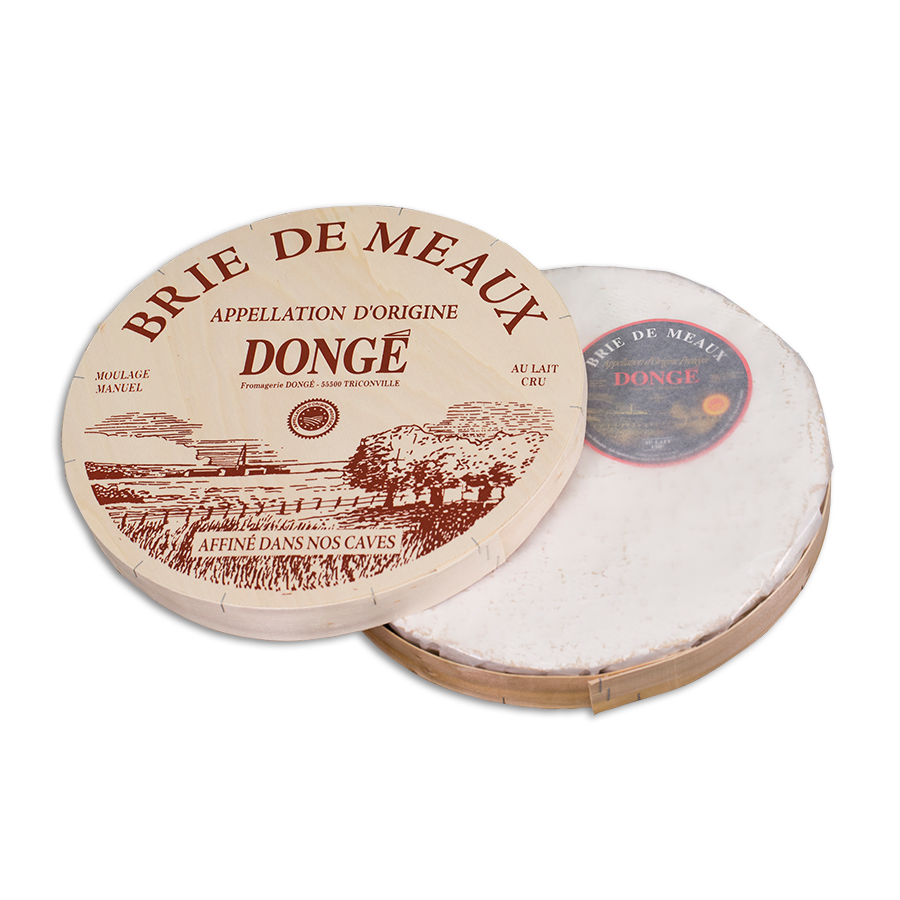
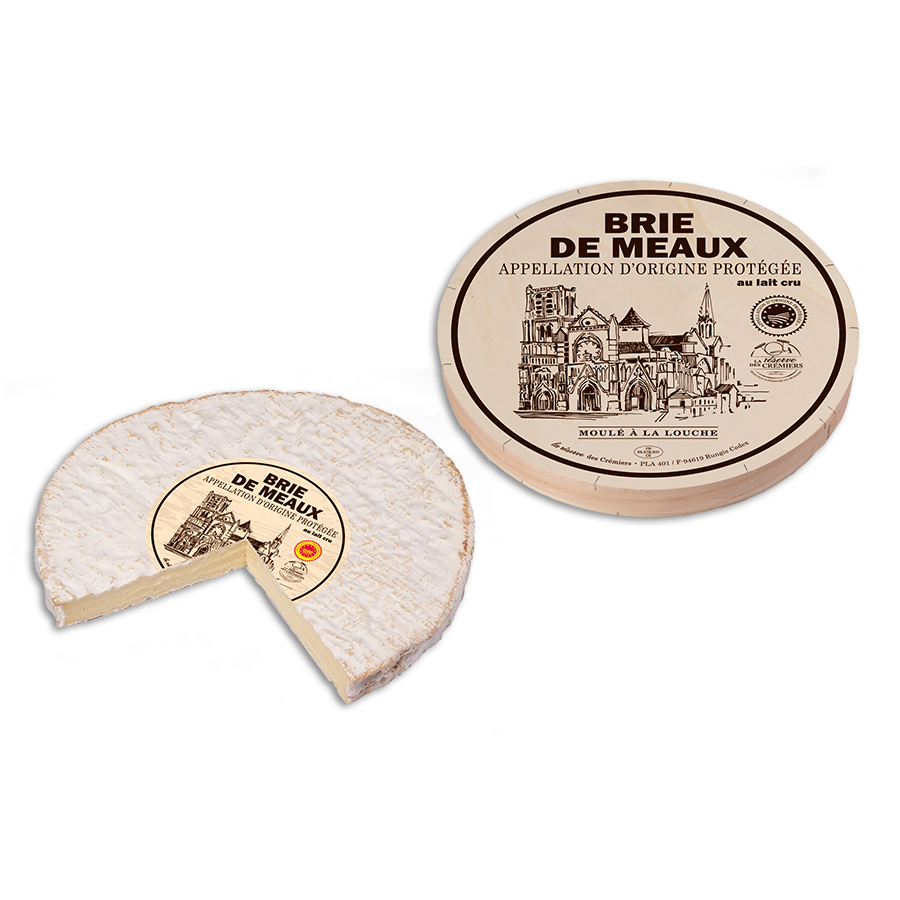
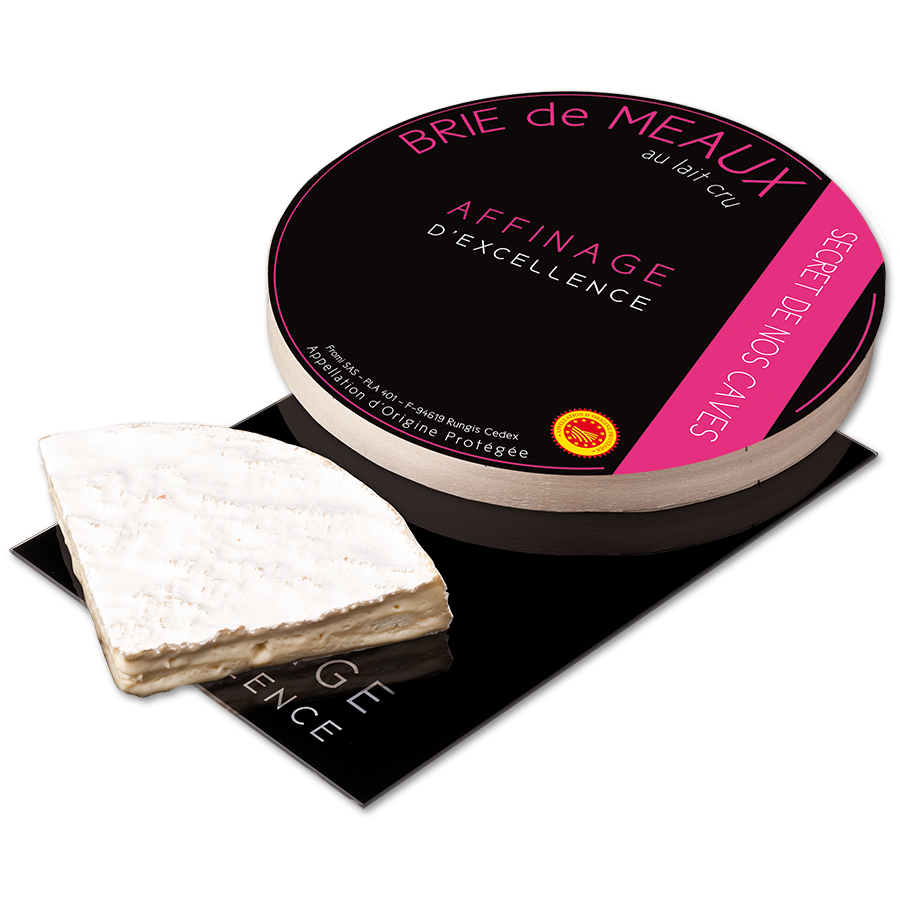
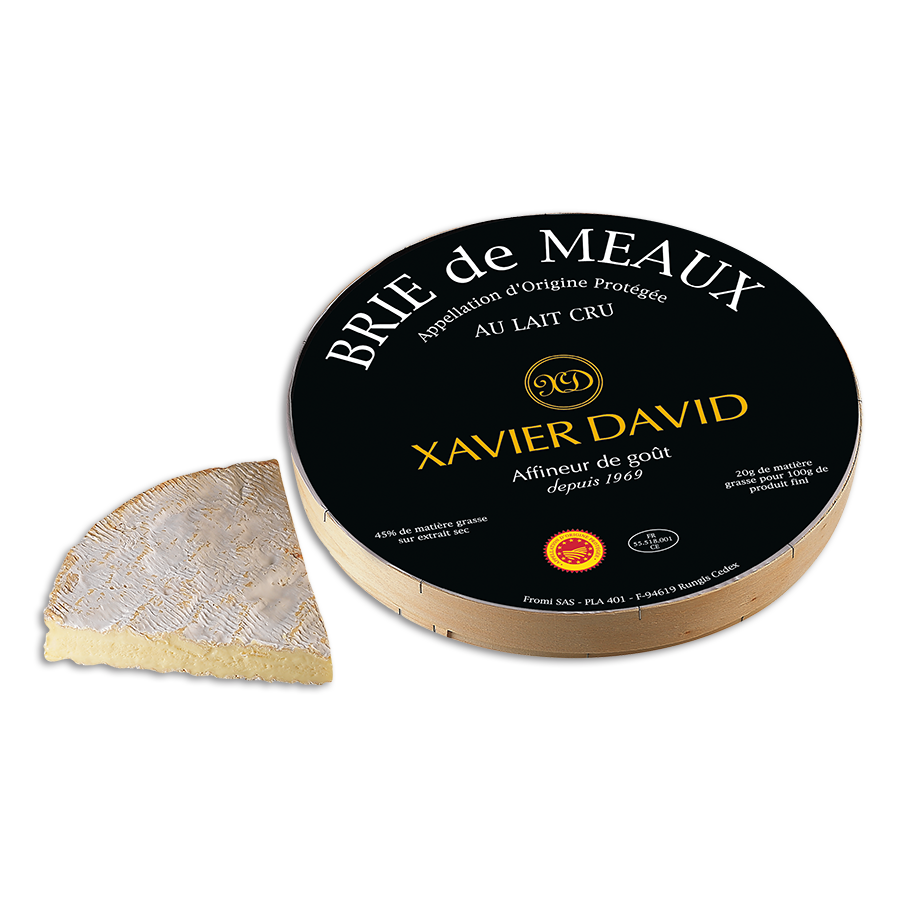
Germany – Brie de Meaux: Brie de Meaux Excellence 3/4 ff Brie de Meaux Xavier David Brie de Meaux Xavier David Aff44j Brie de Meaux AOC Donge BB 3/4Aff Brie de Meaux LRDC 3/4 wood – STEC E.coli

Lebensmittelwarnung

Alert type:

Groceries

Date of first publication:

March 13, 2024

Product name:

Brie de Meaux: Brie de Meaux Excellence 3/4 ff Brie de Meaux Xavier David Brie de Meaux Xavier David Aff44j Brie de Meaux AOC Donge BB 3/4Aff Brie de Meaux LRDC 3/4 wood

Product images:

Mar 13, 2024 - 705116.png

Product image of a cheese in a round wooden box with a print.

Mar 13, 2024 - 706132.png

Product image of a cheese next to a round wooden box with a print.

Mar 13, 2024 - 708338.png

Product image of a cheese next to a round black box with a print.

Mar 13, 2024 - 708341.png

Product image of a cheese next to a round black box with a print.

Manufacturer (distributor):

Manufacturer: Fromagerie Dongé in France Distributed by Fromi GmbH, 77694 Kehl – Auenheim

Reason for warning:

Suspected contamination with undesirable bacteria (Escherichia coli STEC)

Packaging Unit:

Counterware

Durability: Best before: March 31, 2024
Lot identification:

Batch number : RG040124BM

Additional Information:

Excerpt from the attached consumer information:

“The French company “Fromagerie Dongé” is recalling the following product:
Name: Brie de Meaux, Packaging type: Counterware, Batch number: RG040124BM, Best before: March 31, 2024, Identity code: FR 55.518.001 CE
due to suspected contamination with unwanted bacteria (Escherichia coli STEC).
These can lead to sometimes febrile gastrointestinal disorders, possibly with bleeding, within a few days (2-7) after consumption of contaminated products. Serious kidney complications, especially in children, are possible.
Consumers who have purchased this product , are asked not to consume it and to return it to the store where it was purchased.
People who have consumed the above product and are suffering from the symptoms described are asked to consult their doctor and advise against consuming the product.”

Click to access Verbraucherinformation.pdf

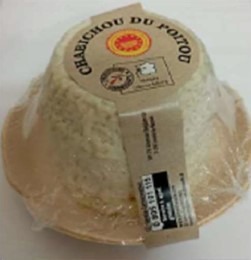
France – FRESH EMB CHABICHOU DU POITOU 150g ITM – STEC E.coli O103:H2

Gov France

Product category
Food
Product subcategory
Milk and dairy products
Product brand name
INTERMARCHE
Model names or references
FRESH EMB CHABICHOU DU POITOU 150G INTERMARCHE
Product identification
GTIN Batch Date
32500391104093 240461602 Minimum durability date 04/22/2024
Packaging
filmed wooden tray
Start/end date of marketing
From 02/29/2024 to 03/08/2024
Storage temperature
Product to keep in the refrigerator
Health mark
FR.79.061.001 CE
Geographical sales area
Whole France
Distributors
BASE INTERMARCHE 1 ROUTE DE ROBINETTES 16440 ROULLET ST ESTEPHE

Italy – CASTELMAGNO DOP – STEC E.coli

Salute

Brand : BEPPINO OCCELLI

Name : CASTELMAGNO DOP

Reason for reporting : Recall due to microbiological risk

Publication date : 11 March 2024

Documentation

Documentation

UK – Investigators confirm cheese firm’s link to deadly E. coli outbreak

Food Safety News

According to officials, the outbreak strain has been found at a farm that supplied the milk used to make unpasteurized cheese, which was linked to an E. coli outbreak in the UK.

In total, 36 confirmed and one probable Shiga toxin-producing E. coli (STEC) O145 infections have been reported, with 29 in England and eight in Scotland since late July 2023, with most falling ill in November. The last reported primary patient had symptom onset on Dec. 23, 2023.

Twenty patients were female, with ages of all cases ranging from 7 to 81. Of the 31 patients with available information, 20 had bloody diarrhea, 15 were admitted to the hospital, and four also attended the hospital for their symptoms. One person developed hemolytic uremic syndrome (HUS) and later died.

An investigation into the outbreak by the UK Health Security Agency (UKHSA), the local authority, Public Health Scotland, Food Standards Agency (FSA), Food Standards Scotland (FSS) and the Animal Plant Health Agency (APHA) is nearly completed.

Research – Fates of attached E. coli o157:h7 on intact leaf surfaces revealed leafy green susceptibility

Science Direct

Abstract

Leafy greens, especially lettuce, are repeatedly linked to foodborne outbreaks. This paper studied the susceptibility of different leafy greens to human pathogens. Five commonly consumed leafy greens, including romaine lettuce, green-leaf lettuce, baby spinach, kale, and collard, were selected by their outbreak frequencies. The behavior of E. coli O157:H7 87-23 on intact leaf surfaces and in their lysates was investigated. Bacterial attachment was positively correlated with leaf surface roughness and affected by the epicuticular wax composition. At room temperature, E. coli O157:H7 had the best growth potentials on romaine and green-leaf lettuce surfaces. The bacterial growth was positively correlated with stomata size and affected by epicuticular wax compositions. At 37 °C, E. coli O157:H7 87-23 was largely inhibited by spinach and collard lysates, and it became undetectable in kale lysate after 24 h of incubation. Kale and collard lysates also delayed or partially inhibited the bacterial growth in TSB and lettuce lysate at 37 °C, and they sharply reduced the E. coli O157:H7 population on green leaf lettuce at 4 °C. In summary, the susceptibility of leafy greens to E. coli O157:H7 is determined by a produce-specific combination of physiochemical properties and temperature.