Category Archives: Staphylococcal Toxin

Research – Effects of Sodium Chloride, Sodium Lactate, and Sodium Diacetate on the Growth Probabilities of Salmonella Spp. and Staphylococcus Aureus

Wiley Online

ABSTRACT

Salmonella spp. and Staphylococcus aureus have been linked to foodborne illnesses caused by the consumption of processed meat products. This study examined the growth probabilities of these two pathogens as affected by sodium chloride (salt), sodium lactate, and sodium diacetate in a solid medium for using these three additives to improve the microbial safety of processed meat. Sterilized tryptic soy agar (TSA, 200 μL) formulated with a combination of salt (3%–8%, aw 0.98–0.93), lactate (0%–2.4%), and diacetate (0%–0.25%) and inoculated with Salmonella spp. or S. aureus was dispersed into 96-well microplates and incubated at 37°C for 7 days. After incubation, a well showing any Salmonella spp. or S. aureus colonies was denoted as a growth event, otherwise a no-growth event. The number of growth events for each formulation was recorded. The effects of the additives on the growth event were analyzed by logistic regression to identify the growth and no-growth boundaries and the formulations that may prevent the growth of Salmonella spp. or S. aureus. For Salmonella spp., the observed minimum no-growth concentrations in TSA were 3% salt with 0.8% lactate+0.2% diacetate or 1.6% lactate+0.1% diacetate, 4% salt with 2.4% lactate, 5% salt with 0.25% diacetate, 6% salt with 0.8% lactate+0.15% diacetate, 7% salt with 0.8% lactate or 0.15% diacetate, and 8% salt alone. For S. aureus, the concentrations were 3% salt with 2.4% lactate+0.2 diacetate, 5% salt with 1.6% lactate+0.2% diacetate, 7% salt with 0.8% lactate+0.25% diacetate, and 8% salt with 0.8% lactate+0.20% diacetate or 1.6% lactate+0.15% diacetate. These no-growth formulations also inhibited the growth of both pathogens in cooked meat samples. Mathematical models were developed to describe the effects of the additives on the growth probabilities of Salmonella spp. and S. aureus. Findings from this study may be used for formulating refrigerated and shelf-stable meat products to reduce Salmonella spp. and S. aureus risk.
RASFF Alert- Cheese – Staphylococcus aureus

RASFF

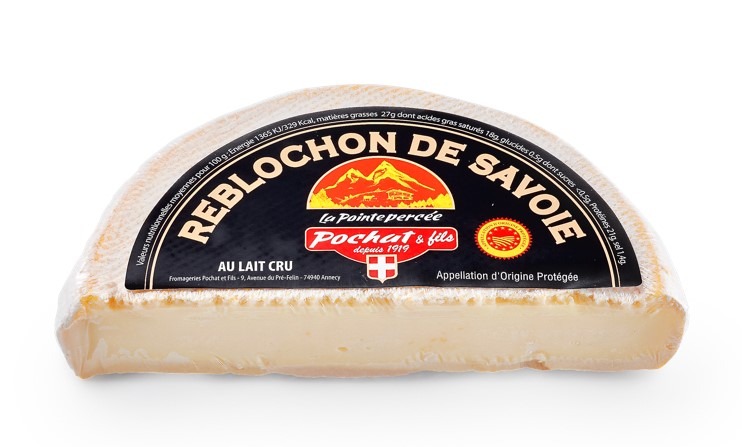
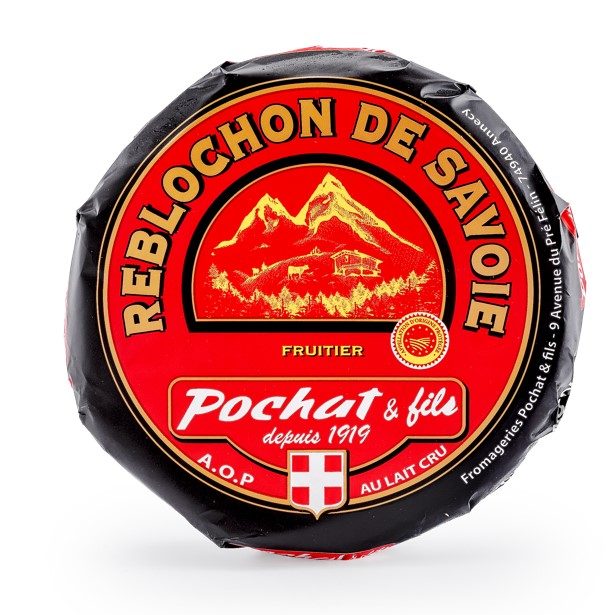
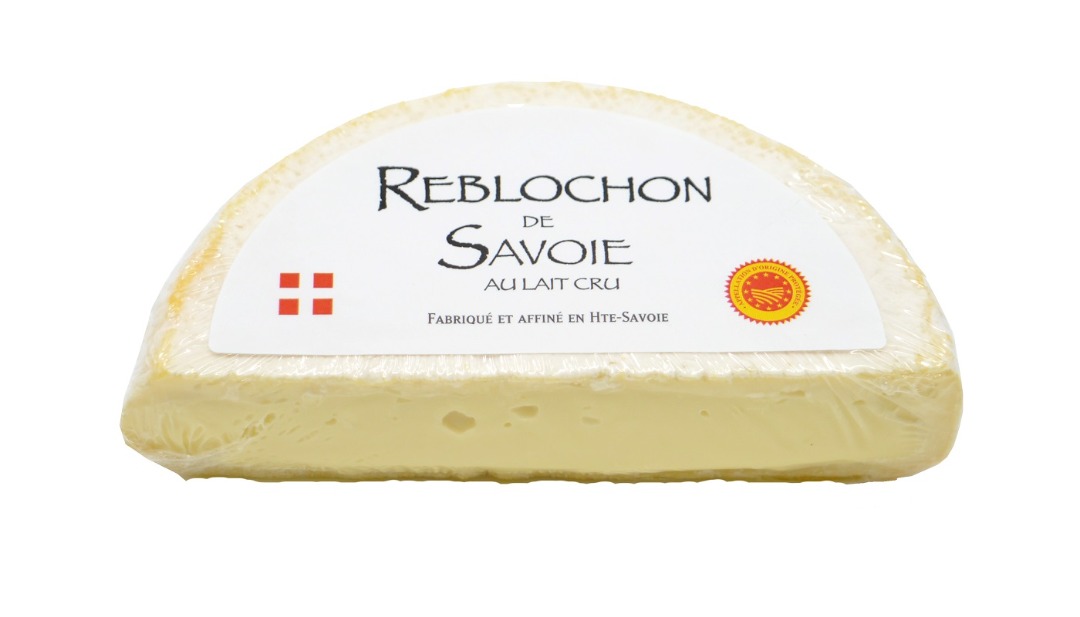
1/2 reblochon contamination with staphylococcus in Belgium, Luxembourg, Cote De Ivoire and Vietnam

France- Raw Milk Cheeses – STEC E.coli – Listeria monocytogenes- Staphylococcus aureus

Gov France

Gov France

France – Multiple Raw Milk Cheeses- Staphylococcus aureus

Gov France

Gov France

Gov France

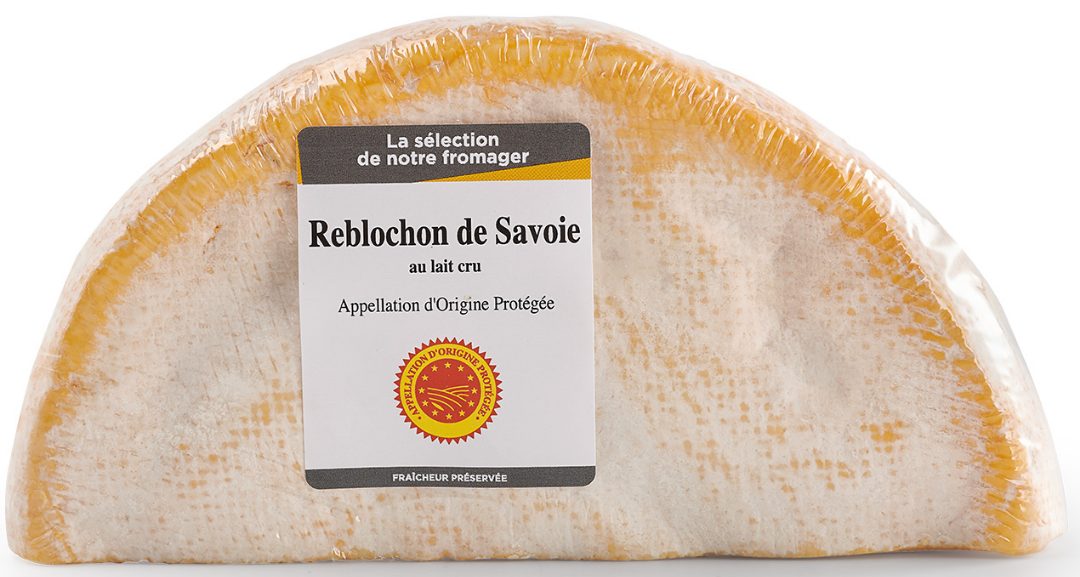
France – REBLOCHON DE SAVOIE MADE FROM RAW MILK – Staphylococcus aureus

Gov France

Product Category
Food
Product subcategory
Milk and dairy products
Product brand name
UNBRANDED
Model names or references
HALF REBLOCHON DE SAVOIE AOP MADE FROM RAW MILK
Product identification
GTIN Batch Date
3352430000691 2452034 Expiry date 08/26/2024
3352430000691 2452034 Expiry date 08/27/2024
3352430000691 2452034 Expiry date 02/09/2024
3352430000691 2452034 Expiry date 03/09/2024
3352430000691 2452034 Expiry date 09/09/2024
Packaging
FRESH PACKAGED REBLOCHON
Start/End of marketing date
From 07/29/2024 to 08/22/2024
Storage temperature
Product to be kept in the refrigerator
Health mark
FR 74-128-050 CE
Geographic area of ​​sale
Whole France
Distributors
AUCHAN, COLRUYT, LECLERC

France – 75414 Reblochon de Savoie AOP 1/2 Moon RAT – 14.20€/kg – Staphylococcus aureus

Gov France

Product Category
Food
Product subcategory
Milk and dairy products
Product brand name
Regions at the table
Model names or references
Regions at the table
Product identification
Batch Date
2452034 Expiry date 08/23/2024
2452034 Expiry date 08/27/2024
2452034 Expiry date 08/30/2024
2452034 Expiry date 03/09/2024
2452034 Expiry date 05/09/2024
Packaging
plastic packaging
Start/End of marketing date
From 07/26/2024 to 08/22/2024
Storage temperature
Product to be kept in the refrigerator
Geographic area of ​​sale
Regions: Burgundy-Franche-Comté, Grand-Est
Distributors
NORMA

Research – Staphylococcal Enterotoxins: Description and Importance in Food

MDPI

Abstract
Staphylococcus aureus stands out as one of the most virulent pathogens in the genus Staphylococcus. This characteristic is due to its ability to produce a wide variety of staphylococcal enterotoxins (SEs) and exotoxins, which in turn can cause staphylococcal food poisoning (SFP), clinical syndromes such as skin infections, inflammation, pneumonia, and sepsis, in addition to being associated with the development of inflammation in the mammary glands of dairy cattle, which results in chronic mastitis and cell necrosis. SEs are small globular proteins that combine superantigenic and emetic activities; they are resistant to heat, low temperatures, and proteolytic enzymes and are tolerant to a wide pH range. More than 24 SE genes have been well described (SEA-SEE, SEG, SEH, SEI, SEJ, SElK, SElL, SElM, SElN, SElO, SElP, SElQ, SElR, SElS, SElT, SElU, SElV, SElW, SElX, SElY, and SElZ), being a part of different SFP outbreaks, clinical cases, and isolated animal strains. In recent years, new genes (sel26sel27sel28sel31sel32, and sel33) from SEs have been described, as well as two variants (seh-2p and ses-3p) resulting in a total of thirty-three genes from Ses, including the nine variants that are still in the process of genetic and molecular structure evaluation. SEs are encoded by genes that are located in mobile genetic elements, such as plasmids, prophages, pathogenicity islands, and the enterotoxin gene cluster (egc), and housed in the genomic island of S. aureus. Both classical SEs and SE-like toxins (SEls) share phylogenetic relationships, structure, function, and sequence homology, which are characteristics for the production of new SEs through recombination processes. Due to the epidemiological importance of SEs, their rapid assessment and detection have been crucial for food security and public health; for this reason, different methods of identification of SEs have been developed, such as liquid chromatography coupled with high-resolution mass spectrometry (LC-HRMS), molecular methods, and whole-genome sequencing; providing the diagnosis of SEs and a better understanding of the occurrence, spread, and eradication of SEs. This review provides scientific information on the enterotoxins produced by S. aureus, such as structural characteristics, genetic organization, regulatory mechanisms, superantigen activity, mechanisms of action used by SEs at the time of interaction with the immune system, methods of detection of SEs, and recent biocontrol techniques used in food.

Research – Global prevalence of staphylococcal enterotoxins in food contaminated by Staphylococcus spp.—Systematic review and meta-analysis

Wiley Online

Abstract

This systematic review (SR) and meta-analysis integrates the results of studies on the occurrence of staphylococcal enterotoxin (SE), the knowledge related to the profile of the foods most often involved, and the types of SE found. The study followed the guidelines of the Preferred Reporting Items for SR and Meta-Analyses, and its protocol was registered on the PROSPERO platform (CRD42021258223). Primary cross-sectional studies that report the analysis of SEs in food contaminated by Staphylococcus spp. were selected. All stages of study selection and data extraction were performed by two researchers independently, and in cases of conflicts, a third researcher was consulted. To assess the risk of bias, we used the critical appraisal checklist of the Joanna Briggs Institute. A total of 3012 reports were listed initially and 217 after the search update. After removing the duplicates, 2535 studies were found combining all databases and manual searches. Thus, 38 studies were included in this SR. In the meta-analysis, group 1 (dairy products) showed a prevalence of positive samples for SE of 15.38%, group 2 (meat products) 1.78% and group 3 (other foods) 27.11%. The results showed a considerable prevalence of SE in food contaminated by Staphylococcus spp., especially in group 3, which included mixed and ready-to-eat foods. This SR contributes to the study of the epidemiological profile and highlights the importance of adopting more effective prevention measures and policies aimed at improving public health.

RASFF Alert- Campylobacter/Staphylococcus – Grilled Chicken

RASFF

Staphylococcus spp. and Campylobacter jejuni in grilled chicken from the Netherlands in Germany

Japan – 130 people suffer food poisoning in Japan after eating eel – Staphylococcus aureus

Kyodo News

A total of 130 people suffered food poisoning after eating grilled eel dishes, a popular midsummer delicacy in Japan, that were sold last week at a department store in Yokohama, near Tokyo, local health authorities said Monday.

Those affected have reported symptoms such as vomiting and diarrhea, but most cases were not serious, the health center of the city of Yokohama said, adding that the lone death among the ill was a woman in her 90s whose exact cause of death is not known.

The health center said it detected staphylococcus aureus, which can cause vomiting and diarrhea, in the excrement of some of the people who ate the meals.