Category Archives: shellfish toxin

New Zealand – Shellfish biotoxin alert – PSP

MPI

North Island warnings

West coast, South Head to Tirua Point (south of Kawhia)

Reason for alert Paralytic Shellfish Poisoning (PSP)

Date warning issued Extended on 2 September 2020

Media release

First issue: 12 August 2020

Media release

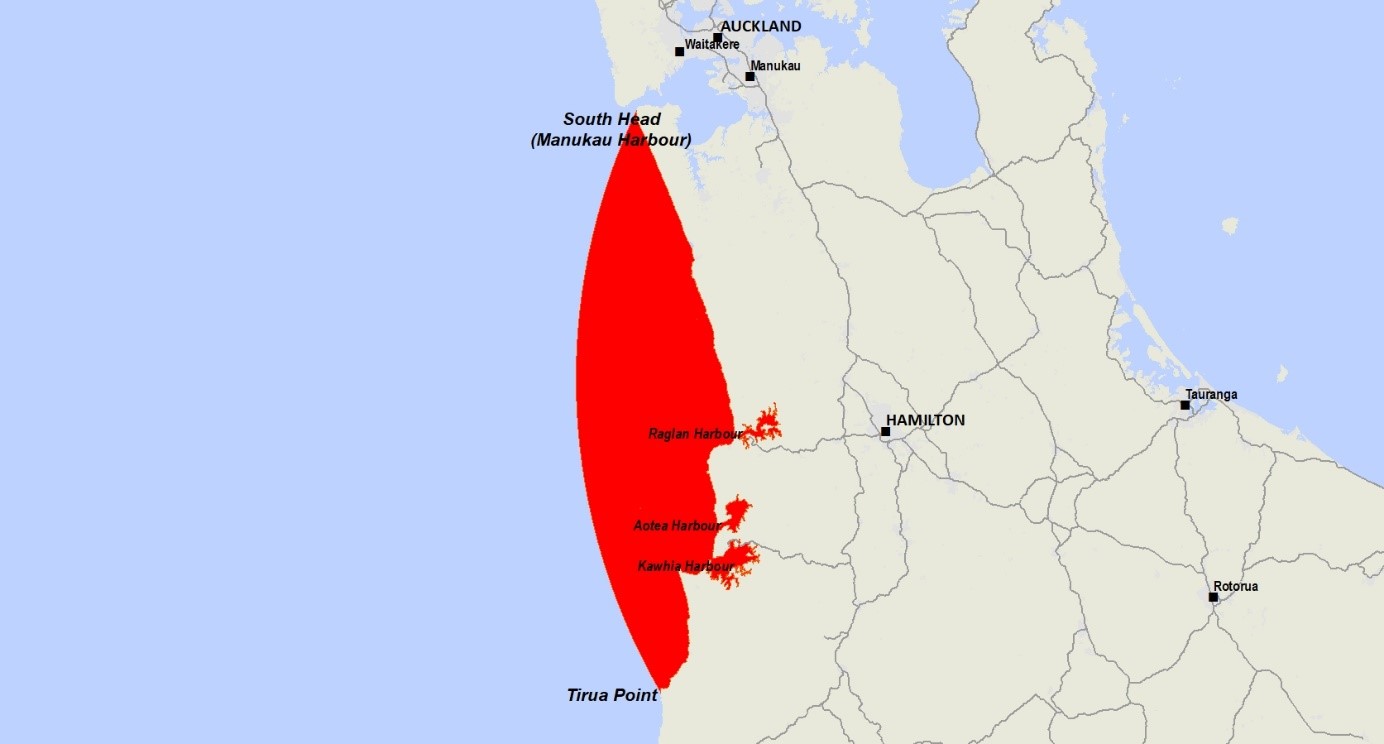
Affected area West Coast North Island – from South Head (Manukau Harbour entrance) to Tirua Point (south of Kawhia)
Shellfish affected Mussels, oysters, tuatua, pipi, toheroa, cockles, scallops, catseyes, kina (sea urchin) and all other bivalve shellfish.

Note, cooking shellfish does not remove the toxin.

Pāua, crab and crayfish may still be eaten if the gut has been completely removed prior to cooking, as toxins accumulate in the gut. If the gut is not removed its contents could contaminate the meat during the cooking process.

Symptoms Symptoms typically appear between 10 minutes and 3 hours after ingestion and may include:

  • numbness and a tingling (prickly feeling) around the mouth, face, and extremities (hands and feet)
  • difficulty swallowing or breathing
  • dizziness
  • headache
  • nausea
  • vomiting
  • diarrhoea
  • paralysis and respiratory failure and in severe cases, death.
Other information Paralytic shellfish toxins have been detected in shellfish at levels over the safe limit of 0.8mg/kg set by MPI. Ongoing testing will continue and any changes will be communicated accordingly.

Map of affected area

Map showing the affected area

New Zealand – Shellfish biotoxin alert extended for North Island west coast, including Raglan

MPI

The Ministry for Primary Industries today extended the current public health warning against collecting shellfish from the west coast of the North Island. The warning now extends from South Head (Manukau Harbour entrance) to Tirua Point (south of Kawhia Harbour).

Paralytic Shellfish Poisoning (PSP) toxins have been detected in shellfish from the Kawhia Harbour above the safe limit set by MPI.

The other public health warning for Hawke’s Bay remains in place.

Mussels, oysters, tuatua, pipi, toheroa, cockles, scallops, catseyes, kina (sea urchin) and all other bivalve shellfish should not be eaten.

Note, cooking shellfish does not remove the toxin.

Pāua, crab and crayfish may still be eaten if the gut has been completely removed prior to cooking, as toxins accumulate in the gut. If the gut is not removed its contents could contaminate the meat during the cooking process.

Symptoms typically appear between 10 minutes and 3 hours after ingestion and may include:

  • numbness and a tingling (prickly feeling) around the mouth, face, and extremities (hands and feet)
  • difficulty swallowing or breathing
  • dizziness
  • headache
  • nausea
  • vomiting
  • diarrhoea
  • paralysis and respiratory failure and in severe cases, death.

If anyone becomes ill after eating shellfish from an area where a public health warning has been issued, phone Healthline for advice on 0800 61 11 16, or seek medical attention immediately. You are also advised to contact your nearest public health unit and keep any leftover shellfish in case it can be tested.

Monitoring of toxin levels will continue and any changes will be communicated accordingly. Commercially harvested shellfish – sold in shops and supermarkets, or exported – is subject to strict water and flesh monitoring programmes by MPI to ensure they are safe to eat.

New Zealand – Shellfish Biotoxin Alerts

MPI

ALL WARNINGS ARE UP TO DATE

Warnings are reviewed weekly following sampling results. Information on this page is then updated if needed.

If you have questions, email info@mpi.govt.nz

Current warnings

Hawke’s Bay – North Island

West Coast – South Head to Tauratahi Point – North Island

Previous changes
  • 19 August: Hawke Bay Warning extended to Young Nicks Head.
  • 12 August: NI West Coast – South Head to Tauratahi Point warning issued
  • 12 August: Port Levy warning removed.
  • 10 July 2020: Hawke’s Bay warning extended.
  • 2 July 2020: Hawke Bay warning issued

Italy – MISTO SCOGLIO – Okadaic Acid -DSP

C_17_PubblicazioneRichiami_826_azione_itemAzione0_files_itemFiles0_fileAzione

RASFF Alert – Diarrhoeic Shellfish Poisoning (DSP) – Paralytic Shellfish Poisoning (PSP) – Live Queen Scallops

RASFF-Logo

RASFF – Diarrhoeic Shellfish Poisoning (DSP) toxins (SUM of lipophilic toxins >160 µg/kg – ppb), Diarrhoeic Shellfish Poisoning (DSP) toxins – okadaic acid and Paralytic Shellfish Poisoning (PSP) toxins in live queen scallops (Aequipecten opercularis) from France in France

USA – Paralytic shellfish poisoning (PSP) – Death

Food Safety News

The Alaska State Medical Examiner’s Office has confirmed that the death of an Alaska resident is consistent with paralytic shellfish poisoning (PSP). Officials have yet to release personal information.

Warnings have been issued to the community by email, fax, radio and social media after blue mussel samples collected from the beach on the same day the shellfish were consumed were found to have extremely high toxin levels, more than 100 times higher than the safe regulatory limit. The snail samples also had elevated toxin levels, but not as high as the blue mussels.

New Zealand – Shellfish biotoxin alert – Hawke’s Bay extended warning

MPI

The Ministry for Primary Industries today extended the current public health warning against collecting shellfish in the Hawke’s Bay region. The affected area now extends from the Mohaka River to the southern end of Pōrangahau beach.

Routine tests on shellfish samples taken from this region have shown levels of Paralytic Shellfish Poisoning (PSP) toxins above the safe limit of 0.8 mg/kg set by MPI. Anyone eating shellfish from this area is potentially at risk of illness.

Other public health warnings remain in place for Port Levy on Banks Peninsula and Nydia Bay in the Pelorus Sound.

Mussels, oysters, tuatua, pipi, toheroa, cockles, scallops, catseyes, kina (sea urchin) and all other bivalve shellfish should not be eaten.

Note, cooking shellfish does not remove the toxin.

New Zealand – Shellfish biotoxin alert

MPI

North Island warnings

Hawke Bay

Reason for alert Paralytic shellfish poisoning (PSP)

Date warning issued 2 July 2020

Media release

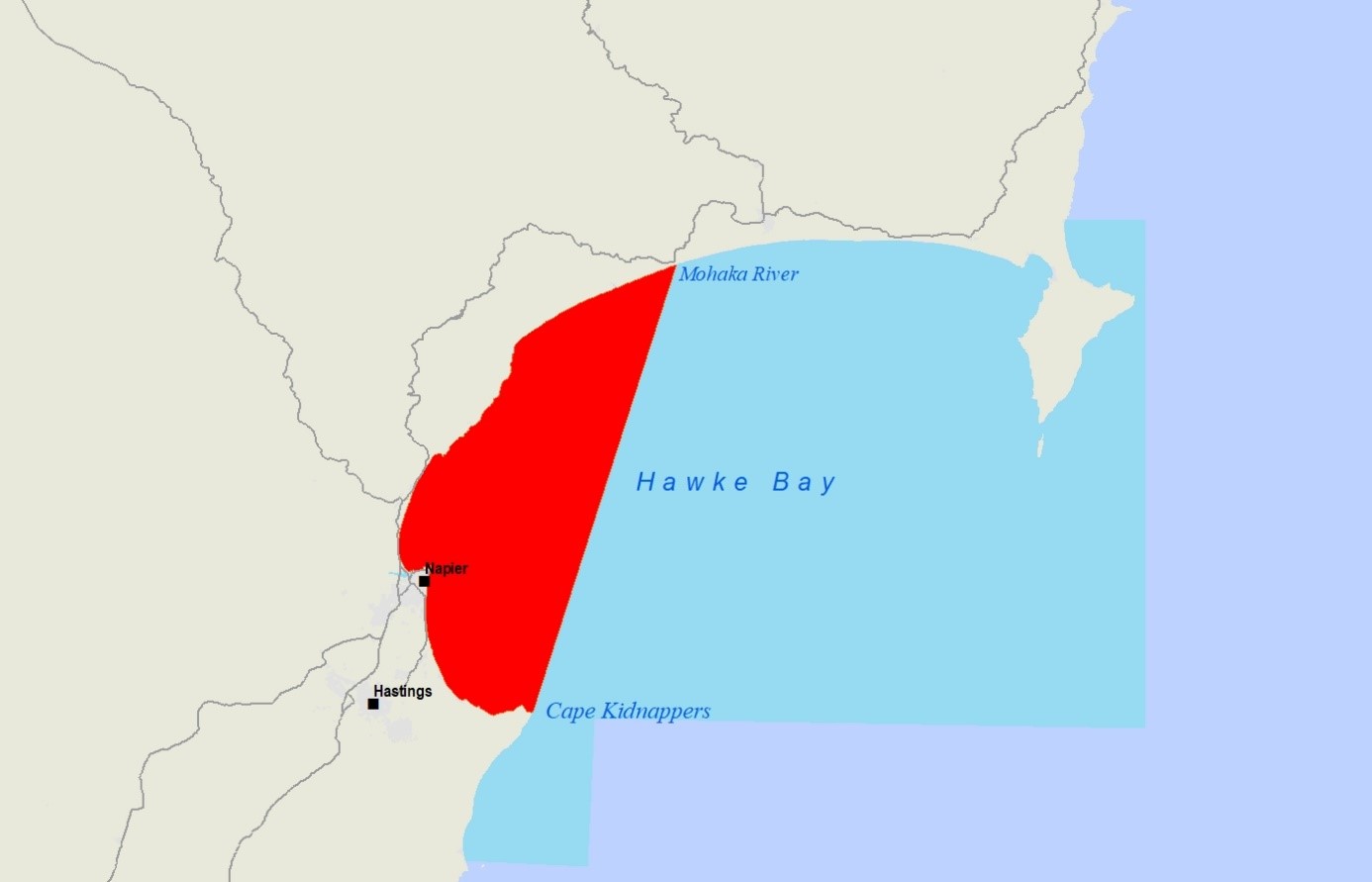
Affected area From Cape Kidnappers to the Mohaka River mouth, Hawke Bay
Shellfish affected Mussels, oysters, tuatua, pipi, toheroa, cockles, scallops, catseyes, kina (sea urchin) and all other bivalve shellfish.

Note, cooking shellfish does not remove the toxin.

Pāua, crab and crayfish may still be eaten if the gut has been completely removed prior to cooking, as toxins accumulate in the gut. If the gut is not removed its contents could contaminate the meat during the cooking process.

Symptoms Symptoms typically appear between 10 minutes and 3 hours after ingestion and may include:

  • numbness and a tingling (prickly feeling) around the mouth, face, and extremities (hands and feet)
  • difficulty swallowing or breathing
  • dizziness
  • headache
  • nausea
  • vomiting
  • diarrhoea
  • paralysis and respiratory failure and in severe cases, death.
Other information Paralytic shellfish toxins have been detected in shellfish at levels over the safe limit of 0.8mg/kg set by MPI. Ongoing testing will continue and any changes will be communicated accordingly.

Map of the affected area

Map showing the affected area
Map from Cape Kidnappers to the Mohaka River mouth, Hawke Bay.


RASFF Alert- DSP – Diarrhoeic Shellfish Poisoning – Live Cockles

RASFF-Logo

RASFF – Diarrhoeic Shellfish Poisoning (DSP) toxins (okadaic acid=501 µg/kg – ppb) in live cockles (Donax Trunculus) from France in Italy

New Zealand – Shellfish biotoxin alert – Port Levy, Banks Peninsula

MPI

The Ministry for Primary Industries (MPI) today issued a public health warning advising the public not to collect or consume shellfish harvested between Sumner Head and East Head at Okains Bay on Banks Peninsula, including Lyttelton Harbour.

Routine tests on shellfish samples taken from Port Levy has shown levels of Diarrhetic Shellfish Toxins above the safe limit of 0.16 mg/kg set by MPI. Anyone eating shellfish from this area is potentially at risk of illness.

Ongoing testing will continue and any changes will be communicated accordingly.

Mussels, oysters, tuatua, pipi, toheroa, cockles, scallops, catseyes, kina (sea urchin) and all other bivalve shellfish should not be eaten.

Note, cooking shellfish does not remove the toxin.

Pāua, crab and crayfish may still be eaten if the gut has been completely removed prior to cooking, as toxins accumulate in the gut. If the gut is not removed its contents could contaminate the meat during the cooking process.

Symptoms typically appear within half an hour of ingestion and last for about 24 hours. Symptoms may include:

  • diarrhoea
  • vomiting
  • nausea
  • abdominal cramps.

If anyone becomes ill after eating shellfish from an area where a public health warning has been issued phone Healthline for advice on 0800 61 11 16, or seek medical attention immediately. You are also advised to contact your nearest public health unit and keep any leftover shellfish in case it can be tested.

Monitoring of toxin levels will continue and any changes will be communicated accordingly. Commercially harvested shellfish – sold in shops and supermarkets, or exported – is subject to strict water and flesh monitoring programmes by MPI to ensure they are safe to eat.

Find out more