Category Archives: Salmonella

Salmonella Outbreak Linked to Dry Dog Food

CDC

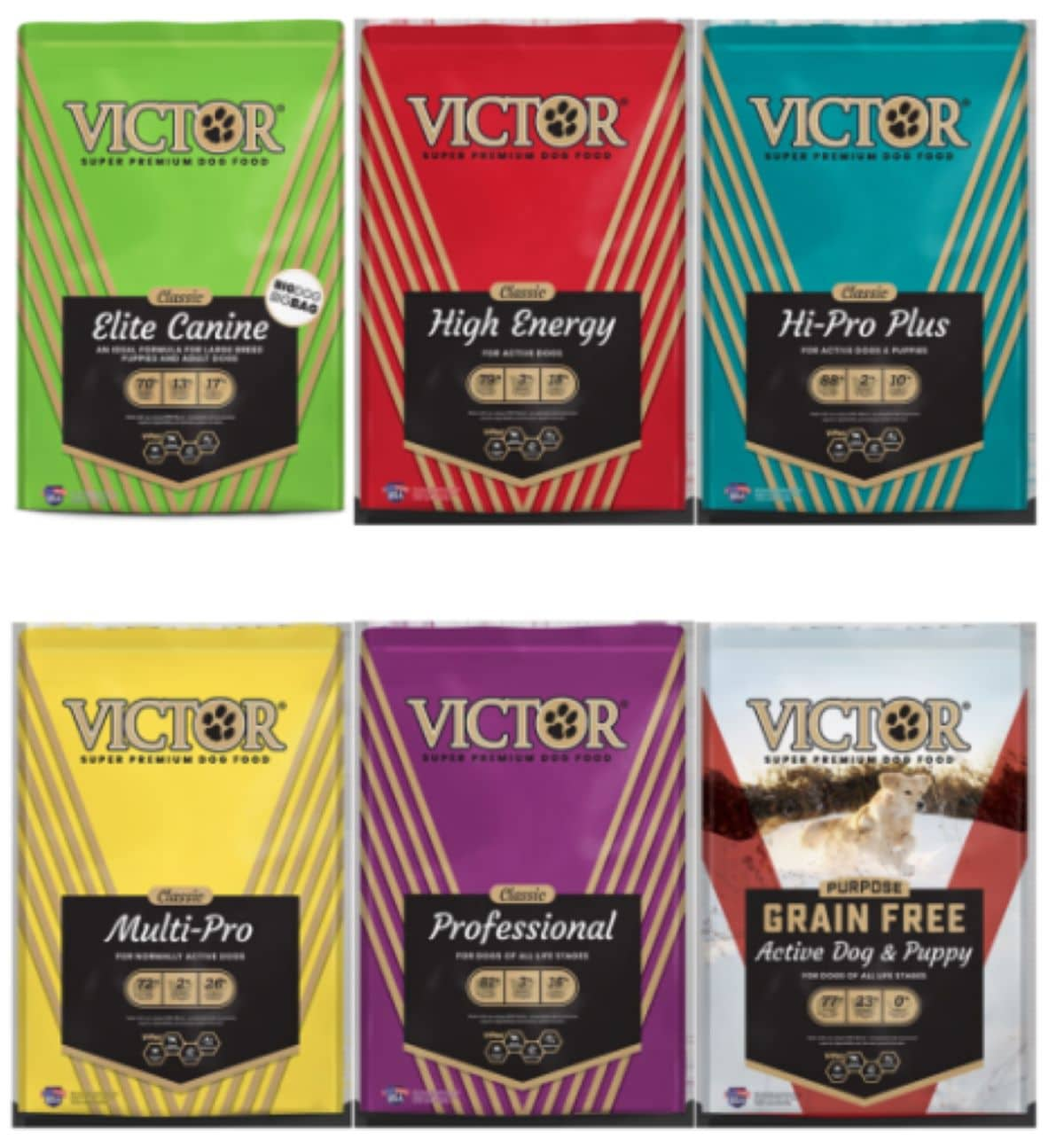
Recalled pet food images.

People in this outbreak got sick from touching recalled dog food, touching things like dog bowls that contained the dog food, or touching the poop or saliva of dogs that were fed the dog food. Most of the sick people in this outbreak are infants. Take steps to handle dog food safely every day.

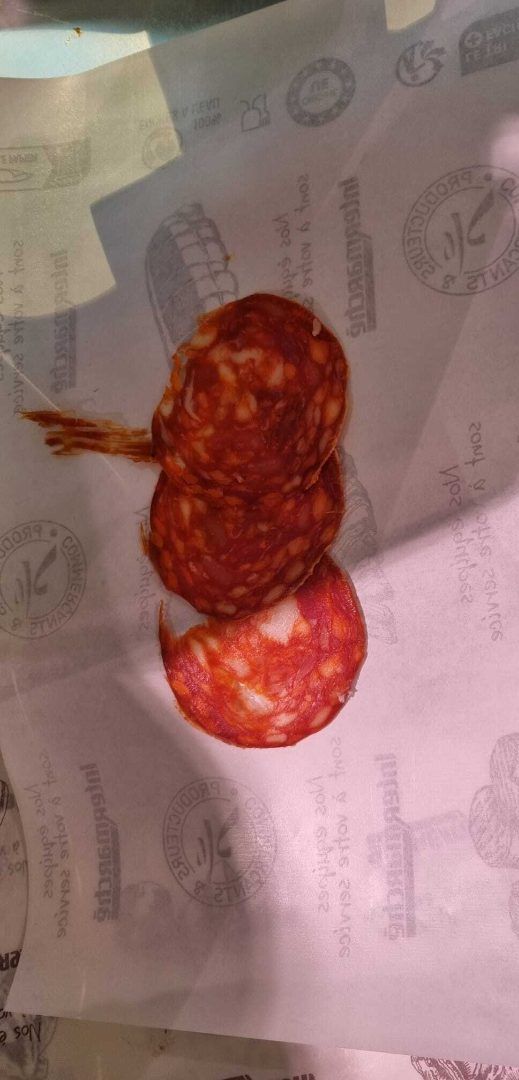
France – MILD PORK CHORIZO – Salmonella

Gov France

  • Product category Food
  • Product subcategory Others
  • Product brand name ONNO
  • Model names or references Do not provide anything
  • Product identification
    GTIN Batch Date
    45467083 2323300139 Minimum durability date 11/19/2023
  • Packaging Chorizo ​​sliced ​​to order and wrapped in high-fat foil
  • Start/end date of marketing From 02/10/2023 to 25/10/2023
  • Storage temperature Product to keep in the refrigerator
  • Further information The pieces of sliced ​​chorizo ​​were sold in the traditional section of the store, and there is no specific labeling because they are packaged on demand
  • Geographical sales area Pays de Gex
  • Distributors Intermarché of Saint-Genis Pouilly

RASFF Alerts – Salmonella – Polish Poultry Products – Marjoram – Sesame Seeds – Minced Chicken Meat – Chicken Wings – Pistachio Paste –

RASFF

Presence of Salmonella Infantis in 1 of 5 dried marjoram samples from Egypt in Poland

RASFF

Salmonella in Ugandian Sesame Seed in the Netherlands

RASFF

Salmonella infantis in frozen minced chicken meat from the Netherland in Italy

RASFF

Salmonella infantis and Campylobacter jejuni in chicken wings from Austria in Germany

RASFF

Salmonella spp. in 3 out of 5 samples of raw poultry kebab, country of origin: Poland in Slovenia and Hungary

RASFF

Salmonella in pistachio paste from Italy in Belgium

RASFF

Salmonella Enteritidis in poultry elements from Poland in the Congo

RASFF

Salmonella group CO in Frozen Chicken Kebab from Poland in Hungary, Latvia and Slovakia

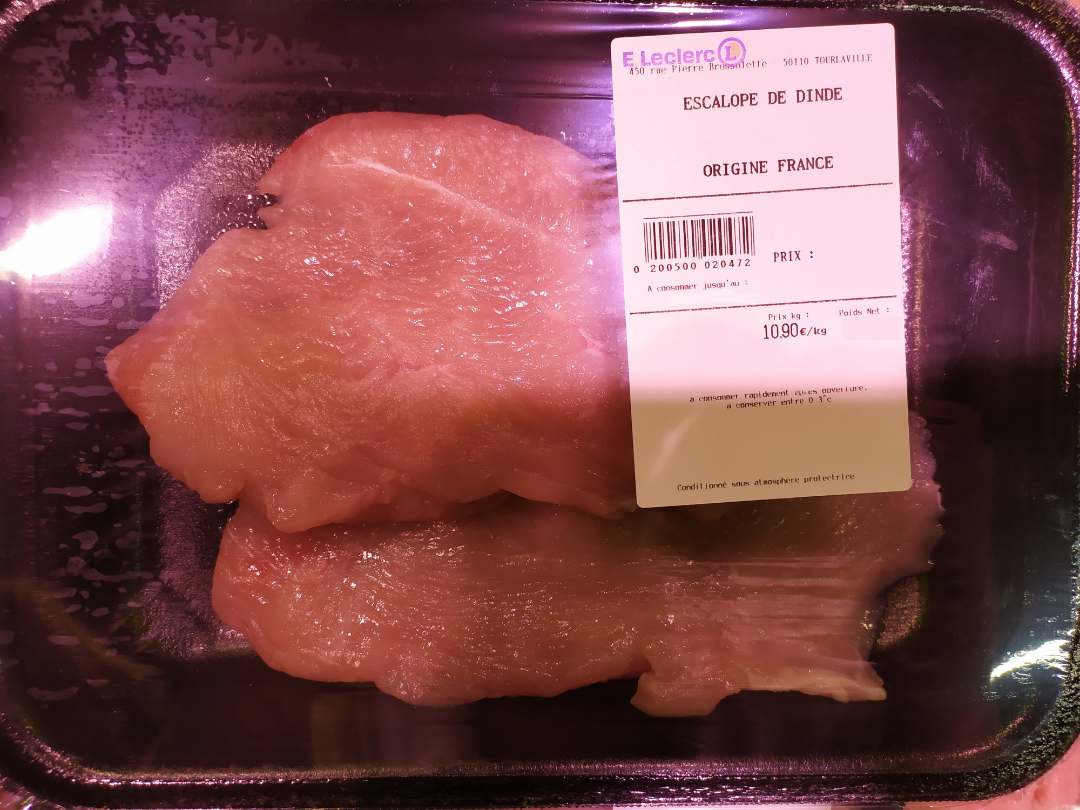
France – TURKEY (SCALOPES / FILET / SAUTE) – Salmonella

Gov France

  • Product category Food
  • Product subcategory Meats
  • Product brand name WITHOUT BRAND – “E.Leclerc Tourlaville” packaging
  • Model names or references WITHOUT MODEL
  • Product identification
    GTIN Batch Date
    02005000000000 All lots Use-by date between 10/18/2023 and 10/19/2023
    0200700000000 All lots Use-by date between 10/18/2023 and 10/19/2023
    0204816000000 All lots Use-by date between 10/18/2023 and 10/19/2023
  • Start/end date of marketing From 10/10/2023 to 10/19/2023
  • Storage temperature Product to keep in the refrigerator
  • Geographical sales area 50110
  • Distributors E.Leclerc Tourlaville and E.Leclerc Drive Tourlaville

USA – FDA – Investigations of Foodborne Illness Outbreaks

FDA

What’s New

  • An investigation of illnesses (ref #1198) linked to apple cinnamon fruit puree pouches is now being managed by FDA’s Coordinated Outbreak Response & Evaluation (CORE) Network and has been added to the table. These illnesses are due to elevated lead levels in the products, which can be particularly harmful to children. FDA has issued an advisory with advice for consumers, has initiated traceback, sample collection and analysis, and onsite inspections. WanaBana has issued a voluntary recall of all apple cinnamon pouches. Updates will be provided as they become available.
Date
Posted
Ref Pathogen
or
Cause of
Illness
Product(s)
Linked to
Illnesses

(if any)
Total
Case
Count

Status
11/8/

2023

1198 Elevated Lead
Levels
Apple
Cinnamon
Puree
See

Advisory

Ongoing
11/1/

2023

1195 E. coli
O121:H19
Not
Yet
Identified
37 Active
10/4/

2023

1190 Salmonella
Thompson
Onions See

Advisory

Active

Germany – Germs in food – food-borne infections and how to prevent them

BFR

One of the most common sources of food-borne infections is chicken meat contaminated with Salmonella or Campylobacter pathogens. How these pathogens can be reduced in the barn and further along the food chain to the consumer is one of the central topics at a symposium on zoonoses and food safety, which the Federal Institute for Risk Assessment (BfR) is organising in Berlin-Marienfelde on 16 and 17 November 2023. “The number of reported illnesses caused by foodborne infections alone in Germany amounts to around one hundred thousand per year, and the number of unreported cases is likely to be much higher,” says Professor Dr Karsten Nöckler, Head of the Biological Safety Division at the BfR. “In order to combat such infections effectively, we need to know where the germs come from, at which point in the production process the food is contaminated and, of course, how this can be prevented.”

In a joint project funded by the Federal Ministry of Food and Agriculture (BMEL), researchers are investigating whether the bacterial load of chicken meat can be reduced using thermal processes. Tests show that even a short immersion in hot water (> 70 degrees Celsius) reduces the number of Salmonella and Campylobacter by an order of magnitude. Treatments with icy air – at minus 90 degrees Celsius – also reduce the Campylobacter load. The scientists, who will present their findings at the symposium, conclude that such thermal processes can usefully supplement existing measures to reduce the microbiological load.

Other topics include the control of Vibrio spp. in aquaculture and the occurrence of infectious agents in wild animals. The scientific contributions are of particular interest against the background of the current zoonosis monitoring report, which will also be presented at the conference and will highlight current developments in the fight against foodborne infections.

Presentations by scientists from other institutions in Germany and Europe, for example on insects as food, E. coli bacteria in flour and the hygienic aspects of taking food from containers, round off the wide range of topics covered at the event.

The two-day symposium is aimed at interested parties from scientific institutions, investigation offices, monitoring authorities and industry from German-speaking countries. In addition to scientific training, it is also intended to promote networking between participants and thus co-operation between the various institutions. For this reason, the conference will be organised exclusively as a face-to-face event.

You can find the programme and a registration form here:
https://www.bfr-akademie.de/deutsch/veranstaltungen/szl2023.html

Journalists are cordially invited to attend. Please register in advance at pressestelle@bfr.bund.de

Catalonia – Multinational Salmonella Enteritidis outbreak

ACSA

The European Food Safety Authority (EFSA) and the European Center for Infectious Disease Control (ECDC) have carried out an assessment of an outbreak of  Salmonella  Enteritidis that has affected 14 EU/EEA countries, the United Kingdom and the United States. Joined.

From January 1 to October 24, 2023, 335 laboratory-confirmed cases of Salmonella Enteritidis ST11 belonging to three different microbiological groups have been reported . Bacteria similar to those causing the outbreak have been detected in samples of chicken meat and chicken kebab.

Chicken meat and chicken meat products (kebab) are probably the source of the outbreak.

Although food traceability data points to producers located in Poland (7 producers) and Austria (1 producer), no microbiological evidence of contamination has been found in their facilities.

Scientists consider it likely that new cases will occur in this multinational outbreak, as the source has not yet been identified.

EFSA and ECDC experts recommend further investigations to identify places in the chicken meat production chain where contamination may have occurred.

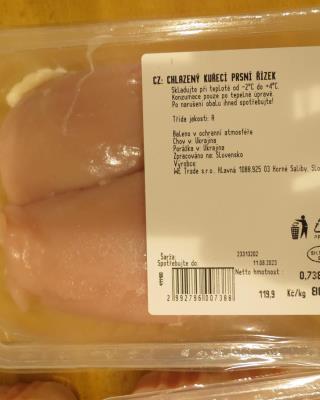
Czech Republic – CHICKEN BREAST SLIPPER CHICKEN – Salmonella

Potravinynapranyri

Illustrative photo #1

Place of inspection:
Olomouc ( Rooseveltova 520/100, 779 00 Olomouc )
ID: 64945880
Food group: Meat and meat products Packaged meat

CHICKEN BREAST SLIPPER CHICKEN
Category: Dangerous foods
Invalid parameter:

Salmonella

The presence of the pathogenic bacterium Salmonella Infantis , which can cause illness called salmonellosis, was detected in the food  .

SZPI already informed about that product in a press release dated 15/09/2023  Warning for consumers: salmonella in chilled chicken meat from abroad.

Batch: 23313202
Expiration date: 11/08/2023
Packaging: plastic tub covered
Manufacturer: WE Trade sro, Hlavná 1088, 925 03 Horné Saliby, Slovakia
Date of sample collection: 9/8/2023
Reference number: 23-000784-SZPI-CZ
The sample was detected by the official control of the State Agricultural and Food Inspection

Research – USA – Kratom with Salmonella not a good mix

Food Poison Journal

The Centers for Disease Control and Prevention (CDC), the U.S. Food and Drug Administration (FDA), and several state partners investigated a multistate outbreak of Salmonella infections linked to kratom products.

As of May 24, 2018, 199 people infected with the outbreak strains of Salmonella were reported from 41 states. Washington state reported 16 illnesses. Illnesses started on dates ranging from January 11, 2017, to May 8, 2018. Ill people ranged in age from less than 1 to 75 years (median 38). Among ill people, 52 percent were male. Of 132 people with available information, 50 (38 percent) were hospitalized. No deaths were reported.

USA – Whole cooked Pigs with Salmonella ruin family event

Food Poison Journal

In April 2023, the Utah Department of Health (UT DOH) and Salt Lake County Health Department (SLCoHD) investigated an outbreak of Salmonella related to a local market. On April 5, 2023, UT DOH was informed of an outbreak of gastrointestinal (GI) illness among a large group that purchased at least two cooked, ready-to-eat, whole pigs from Kim Thanh Marketplace, located at 3825 S Redwood Rd., West Valley City, Utah on April 2, 2023, and ate them for lunch that same day.

In total, 15 individuals associated with the family group outbreak were reported. Seven individuals sought medical care, of which three were reported to UT DOH with Salmonella through routine surveillance. At least one individual sought medical care for febrile seizures, although their stool cultures were negative for Salmonella and other enteric pathogens. All onsets occurred on April 3 and 4, 2023, except for one individual with an onset on April 10, 2023, who was likely a secondary case. Age data was available for nine individuals; the ages of cases ranged from 4 to 55 years.