Category Archives: Salmonella

Sweden – ICA recalls ICA Hamburger, frozen, 20×90 g (1800 g) -Salmonella

Livsmedelsverket

ICA recalls ICA Hamburgers, frozen, 20x90g (1800g), after the supplier informed ICA that salmonella has been detected in the meat raw material during a routine inspection. The recall only applies to products marked with best-before date 2022-02-13

ICA recalls ICA Hamburger, frozen, 20x90g (1800g), after the supplier informed ICA that salmonella has been detected in the meat raw material during a routine inspection. The recall only applies to products marked with the best-before date 2022-02-13.  

Incidents such as this are carefully investigated and an action plan with preventive measures is drawn up and then followed up.

– We and the supplier are now investigating how this may have happened and what measures we can take to prevent it from happening again, says Lena Sparring, quality manager at ICA Sweden.

Supervisory authority Solna City and the National Food Administration have been informed.

Upon recall, the products are stopped at checkout and are not possible to buy. ICA regrets what happened and urges customers who have purchased the product to return the product to the ICA store where it was purchased, complain via ica.se or contact ICA’s customer contact on telephone 020-83 33 33. ICA’s customer contact is open weekdays between 8:00 and 3 p.m. In case of perceived symptoms, we refer to healthcare.

For more information
ICA Gruppen’s press service, telephone: +46 (0) 10 422 52 52,
ica.se , icagruppen.se

Israel – Brett Ltd. recalls Candied Orange Peel Strips – Salmonella

Click to access rcl_23042021.pdf

USA – Jule’s Foods Issues Voluntary Recall of Jule’s Foods Products Because of Possible Health Risk – Salmonella

FDA

Jule’s Foods of Carlsbad, CA is voluntarily recalling all Jule’s Foods products, because the product was potentially contaminated with Salmonella.

Products include:

Jule’s Cashew Brie (Classic)

UPC: 860388001507 – all expiration dates

Jule’s Truffle Cashew Brie

UPC: 860388001514 – all expiration dates

Jule’s Black Garlic Cashew Brie

UPC: 860388001552 – all expiration dates

Jule’s Artichoke Spinach Dip

UPC: 860388001569 – all expiration dates

Jule’s Vegan Ranch Dressing

UPC: 860388001521 – all expiration dates

To date, FDA has preliminary confirmation of Salmonella in brie products containing cashews.We are working with the FDA to isolate the source of the pathogen in samples which were collected by the California Department of Public Health. Jule’s Foods is issuing this recall in connection with a Salmonella outbreak under investigation by the FDA and CDC.

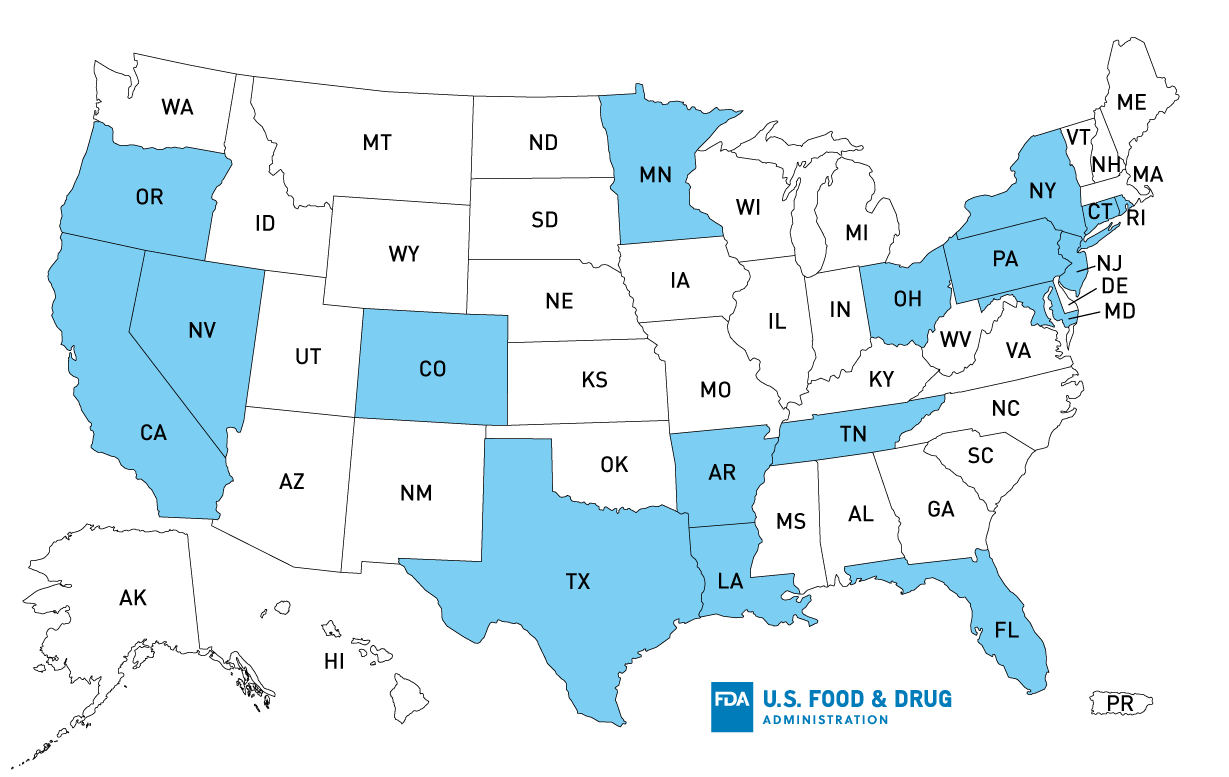
Products were distributed to primarily independently owned grocery stores in Arkansas, California, Colorado, Connecticut, Florida, Louisiana, Maryland, Minnesota, Nevada New York, New Jersey, Ohio, Oregon, Pennsylvania, Rhode Island, Tennessee, Texas as well as direct to consumer. Jule’s Foods Brie products are 6 ounces and wrapped in white cheese paper. A full list of stores is available at www.JulesFoods.netExternal Link Disclaimer.

Consumption of food contaminated with Salmonella can cause salmonellosis. The most common symptoms of salmonellosis are diarrhea, abdominal cramps, and fever within 12 to 72 hours after eating a contaminated product. Most people recover without treatment. In rare circumstances, infection can produce more severe illness and require hospitalization. Older adults, infants, and persons with weakened immune systems are more likely to develop a severe illness. Individuals concerned about an illness should contact their health care provider.

Production of these products has been suspended while the FDA and the company continue their investigation as to the source of the problem.

Please do not consume the product and immediately dispose of the product or return to the place of purchase for a full refund.

Consumers with questions may contact the company via email at jules@julesveganfoods.com or telephone at (310) 980-4697 between 9 a.m. – 5 p.m. PDT.

FDA Outbreak Press link


Company Contact Information

Consumers:
 (310) 980-4697
 jules@julesveganfoods.com

USA – Outbreak Investigation of Salmonella Duisburg: Jule’s Cashew Brie (April 2021)

FDA

The FDA, along with CDC and state and local partners are investigating a multistate outbreak of Salmonella Duisburg infections linked to the consumption of Jule’s Cashew Brie, a vegan, or plant-based cheese alternative. The firm, Jule’s Foods of Carlsbad, California, is conducting a voluntary recall of all varieties of Jule’s Foods products.

CDC identified an outbreak of five Salmonella Duisburg illnesses, which is considered a rare Salmonella serotype. All samples taken from ill patients are highly related according to Whole Genome Sequencing (WGS) analysis, or DNA fingerprinting of the pathogen. Of the five people interviewed, three (60%) reported eating Jule’s Truffle Cashew Brie– the only common product identified.

California Department of Public Health and Tennessee Department of Health state investigators collected samples of Jule’s Cashew Brie (including Cashew Brie (Classic), Truffle Cashew Brie, and Black Garlic Cashew Brie) from various retail locations. Preliminary results indicated that the Jule’s Cashew Brie products collected and analyzed in California may have been contaminated with Salmonella. Additional analysis subsequently confirmed the presence of Salmonella and additional analysis is ongoing to determine if the type of Salmonella found in these products matches the outbreak strain.

Based on these preliminary sample results, on April 21, 2021, the firm agreed to voluntarily recall all Jule’s Cashew Brie products. These tested products were sold on the firm’s website and in select retail locations. Additional distribution information is included in the firm’s recall announcement and below. Additionally, as a precaution the firm is also recalling its plant-based dairy alternative Jule’s Spinach Artichoke Dip and Jule’s Vegan Ranch Dressing. These products were sold directly to customers via the internet.

On April 21, 2021, FDA investigators and California Department of Public Health state inspectors arrived at the firm to conduct an inspection and collect additional product and environmental samples. The FDA investigation is ongoing to determine the source of contamination. Additional information will be provided as it becomes available.

Recommendation

Consumers, restaurants, and retailers should not eat, sell, or serve recalled Jule’s Foods products. Consumers should throw away recalled Jule’s Foods products or return to the place of purchase for a refund.

FDA recommends that anyone who received or suspects having received recalled Jule’s brand products use extra vigilance in cleaning and sanitizing any surfaces and containers that may have come in contact with the products to reduce the risk of cross-contamination. This includes cutting boards, slicers, countertops, refrigerators, and storage bins.


Product Images

Outbreak Investigation of Salmonella Duisburg Jule's Brie

Map of U.S. Distribution of Recalled Jule’s Foods Products

Outbreak Investigation of Salmonella Duisburg - Cashew Brie Products - Map of U.S. Distribution (04-23-2021)

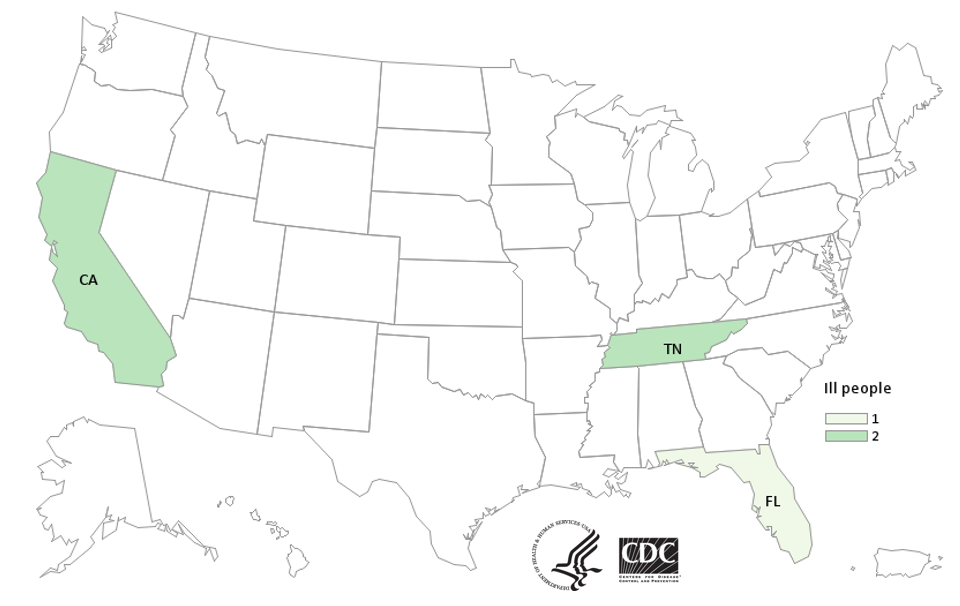
Case Count Map Provided by CDC

Case Count Map Provided by CDC - Salmonella Duisburg  - Cashew Brie Products

Case Counts

Total Illnesses: 5
Hospitalizations: 2
Deaths: 0
Last Illness Onset: February 27, 2021
States with Cases: CA (2), FL (1), TN (2)
Product Distribution*: Arkansas, California, Colorado, Connecticut, Florida, Louisiana, Maryland, Minnesota, Nevada, New York, New Jersey, Ohio, Oregon, Pennsylvania, Rhode Island, Tennessee, Texas
*Distribution has been confirmed for states listed, but product could have been distributed further, reaching additional states

Iceland- Salmonella in HUSK fiber capsules and powders – updated

MAST

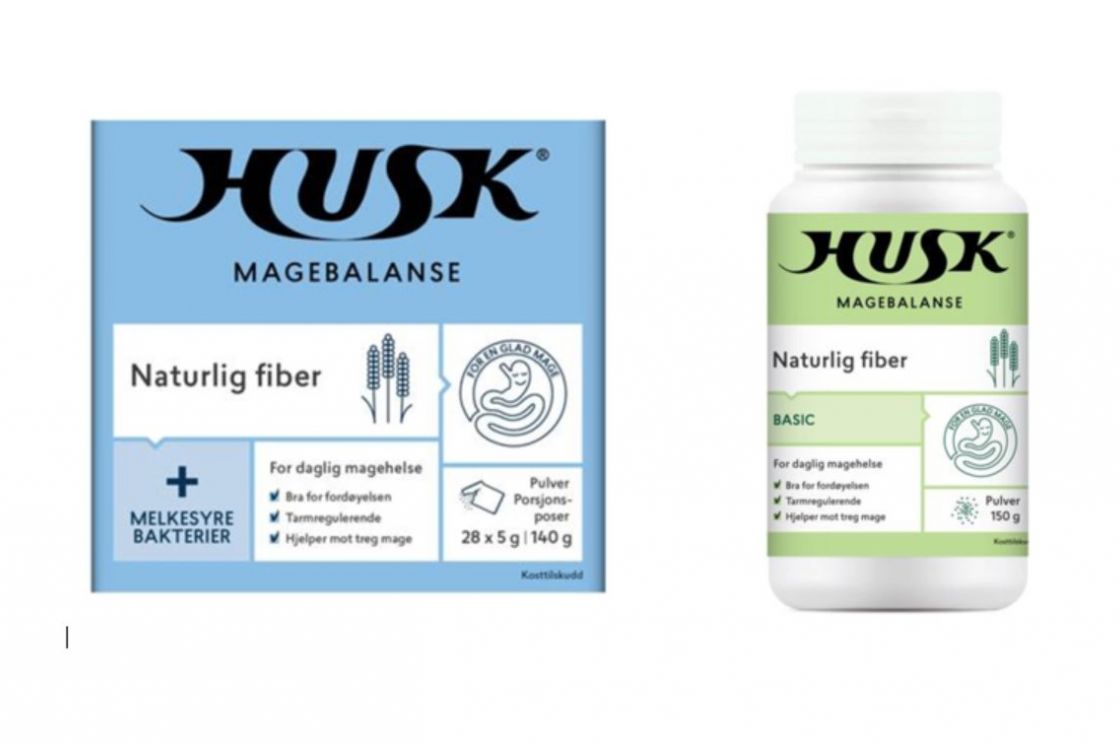
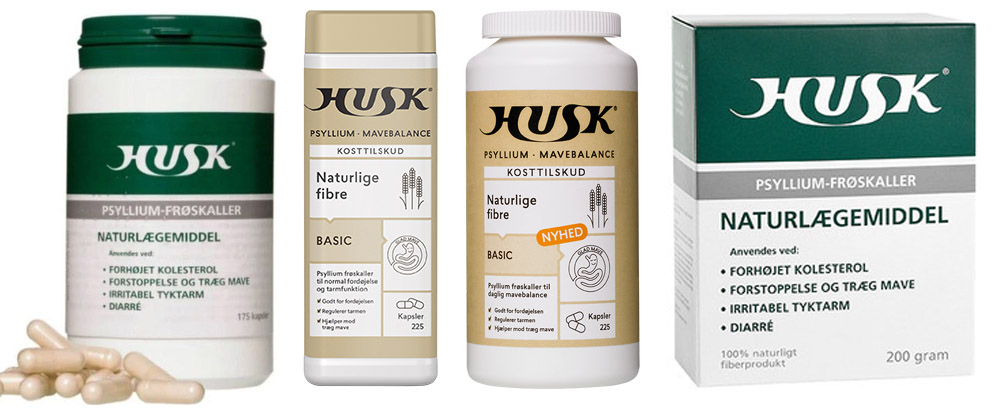
Updated 23.04.21 at 14:55: Matvælastofnun has received confirmation from RASFF Europe’s warning system that the following HUSK PSYLLIUM products, shipped to Iceland by E. Bridde ehf. until the year 2018 and then for sale in Iceland, is also covered by the recall. The company Orkla recalls all HUSK PSYLLIUM products as a precaution, including older batches. The products are valid until September 2021 and may be found at consumers’ homes. Their consumption should be avoided. 

REMEMBER recall

Vara Production batch Best for a date
REMEMBER PSYLLIUM capsules 225 pcs. 118181 4/30/2021
REMEMBER PSYLLIUM capsules 225 pcs. 160181 6/30/2021
REMEMBER PSYLLIUM capsules 225 pcs. 161181 6/30/2021
REMEMBER PSYLLIUM capsules 225 pcs. 212181 31.7.2021
REMEMBER PSYLLIUM fragrance 200g 480057 8/31/2021
REMEMBER PSYLLIUM fragrance 450g 478333 6/30/2021
REMEMBER PSYLLIUM fragrance 450g 480058 9/30/2021

———————————————–

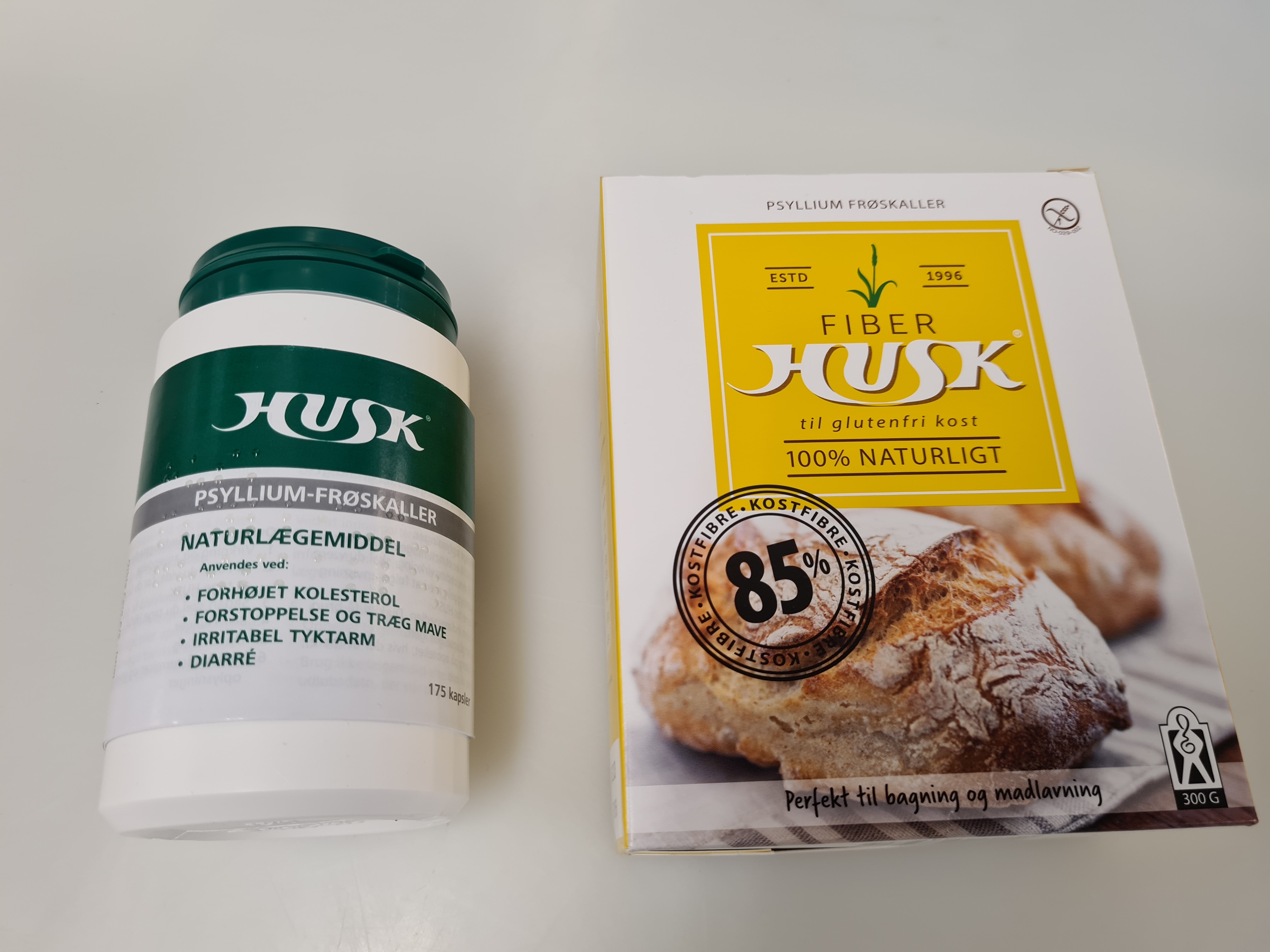
Updated 19.04.21 at 14:43:  One product has been added to the recall of HUSK from the company Orkla due to the risk of salmonella. All batches of the gluten-free baking ingredient Fiber Husk are recalled. Fiber Husk was for sale in Kaupfélag Skagfirðinga in Sauðakrókur.

REMEMBER recall
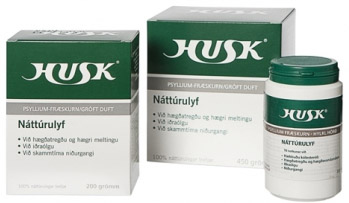
Picture of the HUSK products that were for sale and are recalled by Kaupfélag Skagfirðinga.

———————————————-

Updated 17.04.21 at 11:55 – Distribution:  Recalled products were for sale in Lyfjavers store on Suðurlandsbraut, Lyfjavers online store and Kaupfélag Skagfirðinga in Sauðárkrókur. No further distribution within the country is known at this time, but work is continuing to gather information on distribution. 

Recall of REMEMBER

Product Name: 

  • REMEMBER Natural fiber, powder (Natural fiber)
  • REMEMBER Natural fibers, capsules (Natural fiber)    
  • REMEMBER Fiber + Lactic acid bacteria, powder (Natural fiber + Lactic acid bacteria)
  • REMEMBER Fiber + Lactic Acid Bacteria (Natural Fiber + Lactic Acid Bacteria)
  • REMEMBER Stomach Balance
  • REMEMBER Psyllium Stomach Balance
  • REMEMBER Psyllium Frogs

All batches are recalled. See further information about products in the press release of the Reykjavík Health Inspectorate . 

————————————————– –

News 16.04.21 at 11:20:

Matvælastofnun warns against consuming HUSK PSYLLIUM FROSKALLER and HUSK PSYLLIUM MAVEBALANCE fiber capsules and powders from the company Orkla Care. Salmonella has been identified in the products and three deaths and a number of infections in Denmark can be traced to their consumption.

Recall of REMEMBER

Matvælastofnun and the municipal health inspectorate continue to work on obtaining information on distribution to Iceland. The products have been imported to the country and are available in pharmacies, among other places. Recall is ongoing in all rounds. Full distribution is not available at this time, but further information will be published as soon as it is available.

Related material

Updated 23.04.21 at 14:55
Updated 19.04.21 at 11:43
Updated 17.04.21 at 12:15

Updated 17.04.21 at 11:55

Germany – HUSK Psyllium FLEE SEED SHELL powder 200 g HUSK Psyllium FLEE SEED SHELL 225 capsules – Salmonella

LMW

Warning type:

Food

Date of first publication:

04/23/2021

Product name:

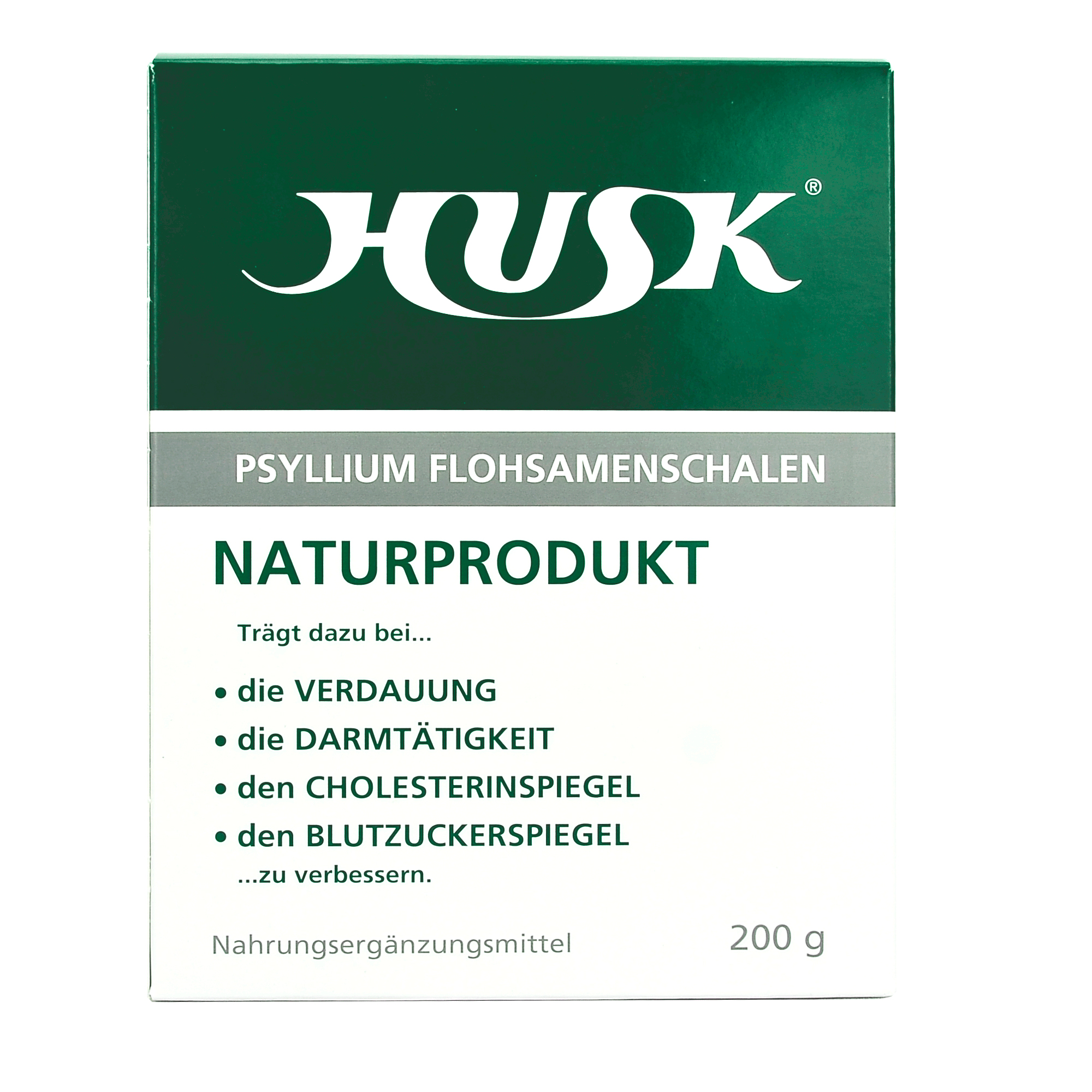
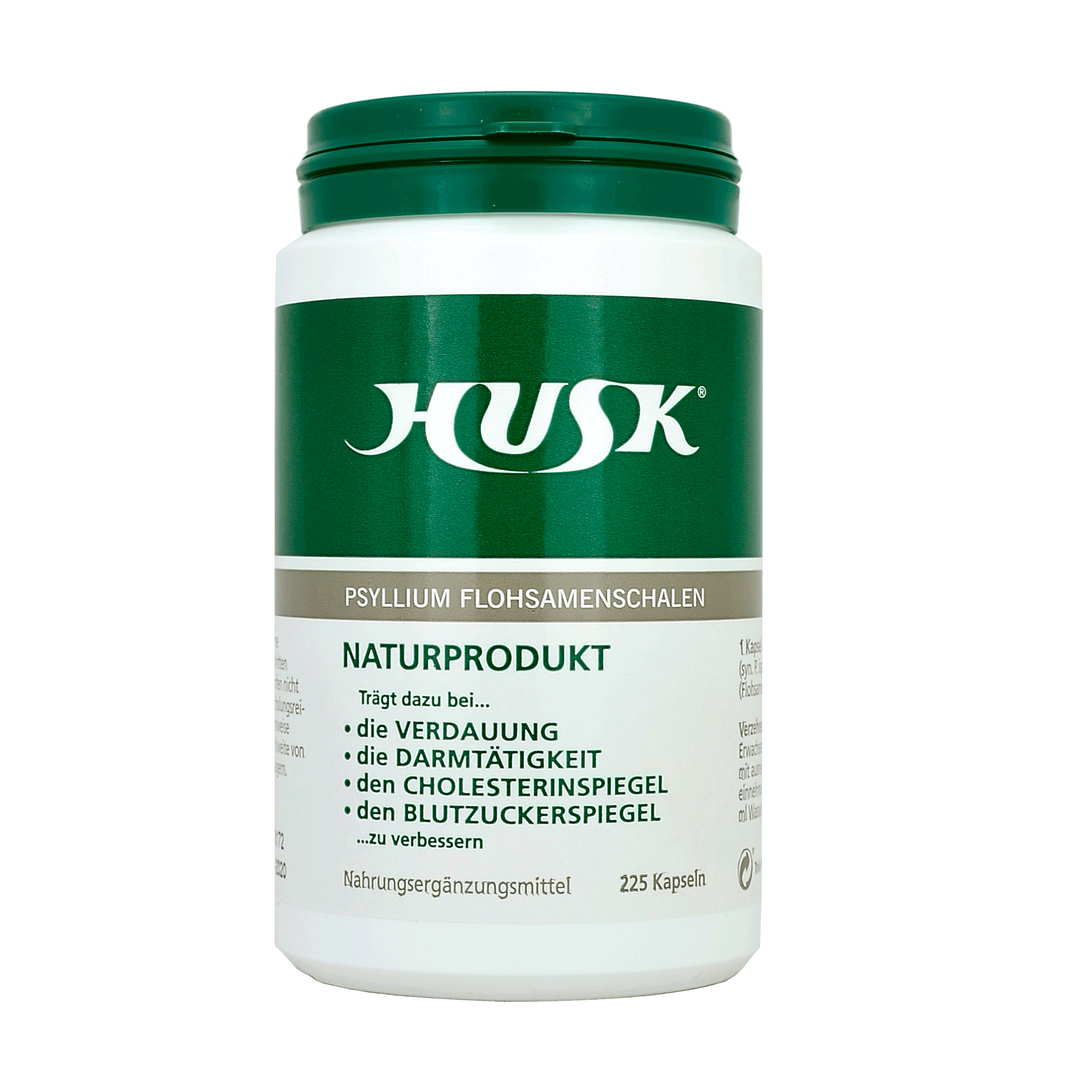
HUSK Psyllium FLEE SEED SHELL powder 200 g HUSK Psyllium FLEE SEED SHELL 225 capsules

Product pictures:

Husk_Flohsamenschalen_Pulver_1.jpg

Hecht Pharma GmbH

Husk_Flohsamenschalen_Pulver_2.jpg

Hecht Pharma GmbH

Husk_Flohsamenschalen_Kapseln_1.jpg

Hecht Pharma GmbH

Husk_Flohsamenschalen_Kapseln_2.jpg

Hecht Pharma GmbH

Manufacturer (distributor):

Distributor in Germany: Hechtpharma GmbH, Zevener Str. 9, 27432 Bremervörde

Reason for warning:

Possible exposure to salmonella

Packaging Unit:

200g (powder); 225 capsules (capsules)

Lot identification:

PZN: 12539595 (powder), PZN: 12539603 (capsules)

Additional Information:

Salmonella
A salmonella disease manifests itself within a few days after infection with diarrhea, abdominal pain and occasionally vomiting and a slight fever. The symptoms usually subside on their own after several days. Infants, toddlers, the elderly and people with a weakened immune system in particular can develop more severe disease courses. People who have eaten this food and develop severe or persistent symptoms should seek medical attention and advise them of a possible salmonella infection.
Seeking preventive medical treatment without symptoms does not make sense.

You can find more information about the pathogen here: http://www.infektionsschutz.de/erregersteckbriefe/salmonellen

Homepage of the manufacturer:

Contact to the responsible authorities:

Baden-Württemberg:

poststelle@mlr.bwl.de

Bavaria:

poststelle@lgl.bayern.de

Berlin:

poststelle@senjustva.berlin.de

Bremen:

Schnellwarnung@gesundheit.bremen.de

Hamburg:

poststelle@justiz.hamburg.de

Hesse:

Schnellwarnung@rpda.hessen.de

Mecklenburg-Western Pomerania:

poststelle@lm.mv-regierung.de

Lower Saxony:

poststelle@ml.niedersachsen.de

North Rhine-Westphalia:

poststelle@mulnv.nrw.de

Rhineland-Palatinate:

Poststelle.Referat22@lua.rlp.de

Saarland:

poststelle-luv@lav.saarland.de

Saxony:

poststelle@sms.sachsen.de

Saxony-Anhalt:

poststelle@ms.sachsen-anhalt.de

Schleswig-Holstein:

poststelle@jumi.landsh.de

Thuringia:

LM-Ueberendung@tlv.thueringen.de

Press releases and information
title Attachment or web link
Recall Hecht Pharma

Research – Thermal Inactivation Kinetics of Salmonella and Enterococcus faecium NRRL-B2354 on whole chia seeds (Salvia hispanica L.)

Journal of Food Protection

Intervention technologies for inactivating Salmonella in whole chia seeds are currently limited. The determination of the thermal inactivation kinetics of Salmonella o n chia seeds and selection of an appropriate nonpathogenic surrogate will provide a knowledge foundation for selecting and optimizing thermal pasteurization processes for chia seeds. In this study, chia seed samples from three separate production lots were inoculated with a five strain Salmonella cocktail or Enterococcus faecium NRRL-B2354 and equilibrated to 0.53 aw at room temperature (25 °C). After equilibration for at least three days, the inoculated seeds were subjected to isothermal treatments at 80, 85, or 90 °C. Samples were taken out at six timepoints and enumerated for survivors. Initial dilution of whole chia seeds was performed in a filter bag at a 1:30 ratio after it was shown to have similar recovery to grinding the seeds. Survivor data were fitted to consolidated models consisting of a primary model (log-linear or Weibull) and one secondary model (Bigelow). E. faecium exhibited higher thermal resistance than Salmonella , suggesting its suitability as a conservative nonpathogenic surrogate. The Weibull model was a better fit for the survivor data than the log-linear model for both bacteria due to its lower root mean square error and corrected Akaike’s Information Criterion values. Measurements of lipid oxidation and fatty acid content indicated a few statistically different values compared to the control samples, but the overall difference in magnitudes were relatively small. The thermal inactivation kinetics of Salmonella and E. faecium o n chia seeds as presented in this study can serve as a basis for developing thermal pasteurization processes for chia seeds.

Research – Relationship of growth conditions to desiccation tolerance of Salmonella enterica, Escherichia coli, and Listeria monocytogenes

Journal of Food Protection

Growth on solid media as sessile cells is believed to increase the desiccation tolerance of Salmonella enterica . However, the reasons behind increased resistance have not been well explored. In addition, the same effect has not been examined for other foodborne pathogens such as pathogenic Escherichia coli or Listeria monocytogenes . The purpose of this research was two-fold: first, to determine the role of oxygenation during growth on the desiccation resistance of S. enterica , E. coli , and L. monocytogenes , and second, to determine the effect of sessile versus planktonic growth on the desiccation resistance of these pathogens. Three different serotypes each of Salmonella , E. coli , and L. monocytogenes were cultured in trypticase soy broth with 0.6% yeast extract (TSBYE), with (aerobic) shaking or on TSBYE with agar (TSAYE) under either aerobic or anaerobic conditions and harvested in stationary phase. After adding cell suspensions to cellulose filter disks, pathogen survival was determined by enumeration at 0 and after drying for 24 h. Results showed statistical differences in harvested initial populations prior to drying (0 h). For Salmonella , a correlation was found between high initial population and greater survival on desiccation (p = 0.05). In addition, statistical differences (p ≤ 0.05) between survival based on growth type were identified. However, differences found were not the same for the three pathogens, or between their serotypes. In general, Salmonella and E. coli desiccation resistance followed the pattern of aerobic agar media ≥ liquid media ≥ anaerobic agar media. For L. monocytogenes serotypes, resistance to desiccation was not statistically different based on mode of growth. These results indicate growth on solid media under aerobic conditions is not always necessary for optimal desiccation survival but may be beneficial when the desiccation resistance of the test serotype is unknown.

EU – EU gets stricter on black pepper from Brazil and peanuts from India

Food Safety News

The European Commission has tightened checks on black pepper from Brazil because of Salmonella and peanuts from India because of aflatoxins.

These and other products entering the European Union from non-EU countries are now subject to a temporary increase of official controls. Revised legislation has also seen some checks become less strict.

The basis of the changes is the occurrence of incidents reported through the Rapid Alert System for Food and Feed (RASFF) and information from official controls performed by member states on food and feed of non-animal origin.

Tighter controls
The frequency of identity and physical checks on black pepper from Brazil has been increased from 20 percent to 50 percent. This is because of the large amount of non-compliances with EU requirements for Salmonella contamination detected during official controls in 2019 and early 2020 and the high number of reports in the RASFF during that period.

This year there have been 28 RASFF reports of Salmonella in black pepper from Brazil with most reported by Germany. Serotypes include Rubislaw, Infantis, Saintpaul, Coeln, Matadi, Gaminara, and Javiana.

Canada – Public Health Notice: Outbreak of Salmonella infections linked to eggs

Government of Canada

This notice has been updated to reflect that the outbreak appears to be over and the investigation is winding down. Although the outbreak appears to be over, Canadians are advised to always follow safe food-handling tips if you are buying, cleaning, chilling, cooking and storing any type of eggs or egg-based foods.

In total, 70 laboratory-confirmed cases of Salmonella Enteritidis illness were reported in: Newfoundland and Labrador (27), and Nova Scotia (43). Individuals became sick between late October 2020 and mid-March 2021. Nineteen individuals were hospitalized. No deaths were reported. Individuals who became ill were between 2 and 98 years of age. The majority of cases (71%) were female.

Between October and December 2020, CFIA issued food recall warnings for a variety of eggs distributed in Nova Scotia, and Newfoundland and Labrador. Some individuals who became sick in this outbreak reported exposure to recalled eggs; however, there were a number of ill individuals that did not.