Category Archives: Salmonella

Research – Efficacy of organic acids, lactic and formic acid, and peracetic acid in decontaminating process water and carcasses in chicken slaughter

Wiley Online

Abstract

Foodborne pathogens pose a persistent threat in broiler chicken production, particularly during the slaughter process, where contamination with zoonotic pathogens remains a concern. This study focuses on the potential of organic acids, such as formic and lactic acid, and the oxidizing agent peracetic acid, to decontaminate scalding water and enhance the hygiene of chicken carcasses. We conducted suspension tests introducing various organic loads to mirror the conditions of practical scalding water. Additionally, the surface tests were performed on chicken skin. Both methods were further tested in an experimental slaughtering facility. In suspension tests, the organic acids achieved impressive decontamination, with a 5-log10 reduction of the test organisms Enterococcus hiraeSalmonella Typhimurium and Campylobacter jejuni at minimal concentrations (between 0.04% and 2% for formic acid; between 0.1% and 4.5% for lactic acid). Peracetic acid also effectively sanitized model water and chicken skin, even when used in low concentrations (between 0.001% and 0.1%), both in the laboratory-based testing and in the experimental slaughtering facility. These results suggest that the tested disinfectants can effectively sanitize process water, even under conditions mimicking practical scalding water with organic matter. Peracetic acid, in particular, proved highly effective in improving chicken skin hygiene even at low concentrations.
Research – Persistence of Salmonella and Campylobacter on Whole Chicken Carcasses under the Different Chlorine Concentrations Used in the Chill Tank of Processing Plants in Sri Lanka

MDPI

Abstract

The persistence of non-typhoidal Salmonella and Campylobacter in chicken meat is a considerable public health risk and a future challenge. This study aimed to determine the prevalence of Salmonella and Campylobacter in poultry processing lines where different chlorine concentrations were used in the chill tank. The samples were collected from four types of processing plants in Sri Lanka, considering the chlorine concentration used in the chill tank, which ranged from 2 ppm to 50 ppm. Salmonella and Campylobacter were isolated from whole carcass washings, neck skin, and cecal samples. Subsequently, an antimicrobial susceptibility test was performed for the isolates. The results revealed the overall prevalence of Salmonella and Campylobacter was 78.25% and 63.5%, respectively. Positive percentages of Salmonella and Campylobacter were high in the carcasses compared to the neck skin and ceca. The Campylobacter counts on the whole carcasses were significantly low (p < 0.001), at higher chlorine concentrations ranging from 20 to 30 ppm and 40 to 50 ppm. The pathogen prevalence in the whole carcasses was 84.7% Campylobacter coli, 39.1% Campylobacter jejuni, 71.1% Salmonella Typhimurium, and 28.8% Salmonella Infantis. The highest resistance was observed for tetracycline (63.8%) in Salmonella, while it was for gentamicin (87.8%) in Campylobacter. The prevalence percentage of multidrug-resistant Campylobacter was 51.2%, while it was 2.12% for Salmonella. The persistence of multidrug-resistant Salmonella and Campylobacter on the post-chill carcasses was highlighted in the present study as a significant public health threat that has to be addressed urgently.

Research – Prevalence and Characterization of Salmonella during Pork Sausage Manufacturing

MDPI

Abstract

Pork carcasses and meat may harbor Salmonella and may contaminate other products during harvest and fabrication. Sources of contamination include manure on hides, environmental contamination, ingredients from external sources, and lymph nodes. Swine lymph nodes are often incorporated into ground meat, as their anatomical location makes removal labor prohibitive. A sausage processing plant in the midwestern United States was sampled monthly (except for December) from May 2021 to April 2022 to enumerate Salmonella and Enterobacteriaceae (EB) throughout the sausage manufacturing process to determine high-risk stages and efficiency of existing in-plant interventions. Salmonella serotypes and antimicrobial susceptibility were evaluated on a subset of isolates recovered at the end phases of sausage production. In each collection, samples were taken from the carcasses of eight sows through 11 stages of sausage manufacturing. A total of 830 samples were cultured. Thirty-four Salmonella were isolated from the final three production stages; of these, there were eleven serotypes. Three isolates displayed resistance to ampicillin, whereas the remainder of the isolates were pan-susceptible to the antimicrobials tested. Salmonella and EB were significantly reduced (p < 0.001) by acid washes at different stages of production, and the results point to the beneficial effects of interventions to lessen Salmonella concentrations in retail products.

USA – Patient counts increasing in Cyclospora and Salmonella outbreaks

Food Safety News

Patient counts in two outbreaks of Cyclospora cayetanensis have jumped in the past week.

Cyclospora cayetanensis is a parasite often associated with fresh produce.

For the outbreak of Cyclospora cayetanensis illnesses linked to a not yet identified product, the case count has increased from 2 to 21. The outbreak was first posted by the Food and Drug Administration on Aug. 8. The agency has begun traceback efforts but has not reported what food or foods are being traced.

In other outbreak news, an additional illness has been confirmed in a Salmonella Newport outbreak, bringing the total to three. The FDA first posted the outbreak on Aug. 7. The source of the pathogen has not yet been determined. The FDA has begun traceback efforts but has not reported what food or foods are being traced.

France – Salmonella outbreak linked to cheese sickens 70 in France

Food Safety News

More than 70 people have fallen sick in France in a Salmonella outbreak linked to cheese.

The 72 salmonellosis cases are linked to the consumption of Le Chasteau soft cheeses produced in Cantal by GAEC Deflisque between the beginning of March and the start of August.

Institut Pasteur and Santé publique France identified monophasic Salmonella typhimurium cases with similar characteristics in late July to early August.

RASFF Alerts – Salmonella – Polish Poultry Products – Brazilian Poultry Products – Tahini – Minced Meat -Walnut kernels – Infant Formula -Fuet – Raw Milk Sheeps Cheese –

RASFF

Salmonella in minced meat from Belgium in France

RASFF

Salmonella spp. in organic walnut kernels from the United States in Germany

RASFF

Salmonellosis case in an infant- infant formula from Ireland in the Netherlands

RASFF

Salmonella spp. in walnut kernels (raw material) from the United States in the Netherlands and Germany

RASFF

Salmonella spp. in fuet from Spain in Andora

RASFF

Salmonella in raw milk sheep’s cheeses from Spain in France

RASFF

Salmonella spp. present in chicken meat preparation from Brazil in the Netherlands

RASFF

Salmonella typhimurium monophasic in chilled minced mixed meat from Poland in the Czech Republic

RASFF

Salmonella in tahini from Syria in Austria

USA – Investigations of Foodborne Illness Outbreaks

FDA

What’s New

  • For the outbreak of Cyclospora cayetanensis illnesses (ref #1245) linked to a not yet identified product, the case count has increased from 2 to 21.
  • For the outbreak of Salmonella Newport (ref #1248) linked to a not yet identified product, the case count has increased from 2 to 3. FDA has initiated traceback.
  • For the outbreaks of Cyclospora cayetanensis (ref #1237 and ref #1239), these outbreaks are being combined into the Cyclospora cayetanensis outbreak (ref #1237) based on traceback information from FDA’s investigation and epidemiology provided by the Centers for Disease Control and Prevention (CDC). For the outbreak of Cyclospora cayetanensis (ref #1237), the case count has been adjusted from 26 to 44; this includes 16 cases from the combined Cyclospora cayetanensis (ref #1239) outbreak plus additional illnesses.
  • For the outbreak of Salmonella Typhimurium (ref #1234) linked to a not yet identified product, the case count has increased from 88 to 89.
  • For the investigation of illnesses (ref #1233) linked to Diamond Shruumz-brand Chocolate Bars, Cones, and Gummies, the advisory has been updated to include additional illnesses and laboratory results of product samples.
  • For the outbreak of Salmonella Africana and Salmonella Braenderup illnesses (ref #1227), FDA has updated the advisory to include additional investigational findings.

Denmark – Salmonella in ground beef

Foedevarestyrelsen

Himmerlandskød is recalling minced beef as it may contain Salmonella. If you have the product, you should discard it or return it to the store where it was purchased.

Which foods are recalled

Minced beef 8-12% fat (Taste), 900g

Batch.: 240807

Production date: 07-08-2024

Last date of use : 14-08-2024

Where are the products sold?

The products are sold in Netto stores all over the country

Why are the products being recalled?

There is a risk of infection with Salmonella.

The Danish Veterinary and Food Administration advises consumers to return the product to the store where it was purchased or to discard it. 

The symptoms of infection with Salmonella are diarrhoea, abdominal pain, fever, headache and possibly nausea and vomiting. The illness can last from a few days to several weeks.

Read more about Salmonella in food on the Danish Veterinary and Food Administration’s website by clicking on the link here

Who recalls the product

Himmerland beef

Mejerivej 7

9640 Farsø

Research – Interactive effects of osmotic, acid, heat, cold, and freezing stresses on the biofilm formation ability of Salmonella serotypes

Wiley Online

Abstract

Food-related stresses such as heating and freezing may influence the biofilm formation ability of bacteria. This study aimed to investigate the main and interactive effects of food-related stresses on the biofilm formation potential of Salmonella strains isolated from meat. Salmonella enteritidisSalmonella typhi, and Salmonella typhimurium were subjected to osmotic, acid, heat, cold, and freezing stresses. The colorimetric microtiter plate method was used to measure the biofilm formation ability as a response to the stresses. Among the main effects, freezing time had the most significant effect on the biofilm formation responses of three Salmonella serovars. Freezing reduced the biofilm formation ability of Salmonella typhimurium and Salmonella enteritidis but increased that of Salmonella typhi (p < 0.05). Among the interaction effects, the most significant effect on the biofilm formation response of Salmonella typhi was the interaction between pH and heat, which had a negative effect on the biofilm formation response. In contrast, the interaction between osmotic pressure and cold stresses was the most significant interactive effect on the biofilm formation responses of Salmonella enteritidis and Salmonella typhimurium, which had an increasing effect. This study concluded that the food-related stresses could change the biofilm formation capacity of Salmonella serotypes, and each serotype might show different biofilm formation abilities in response to different stresses.

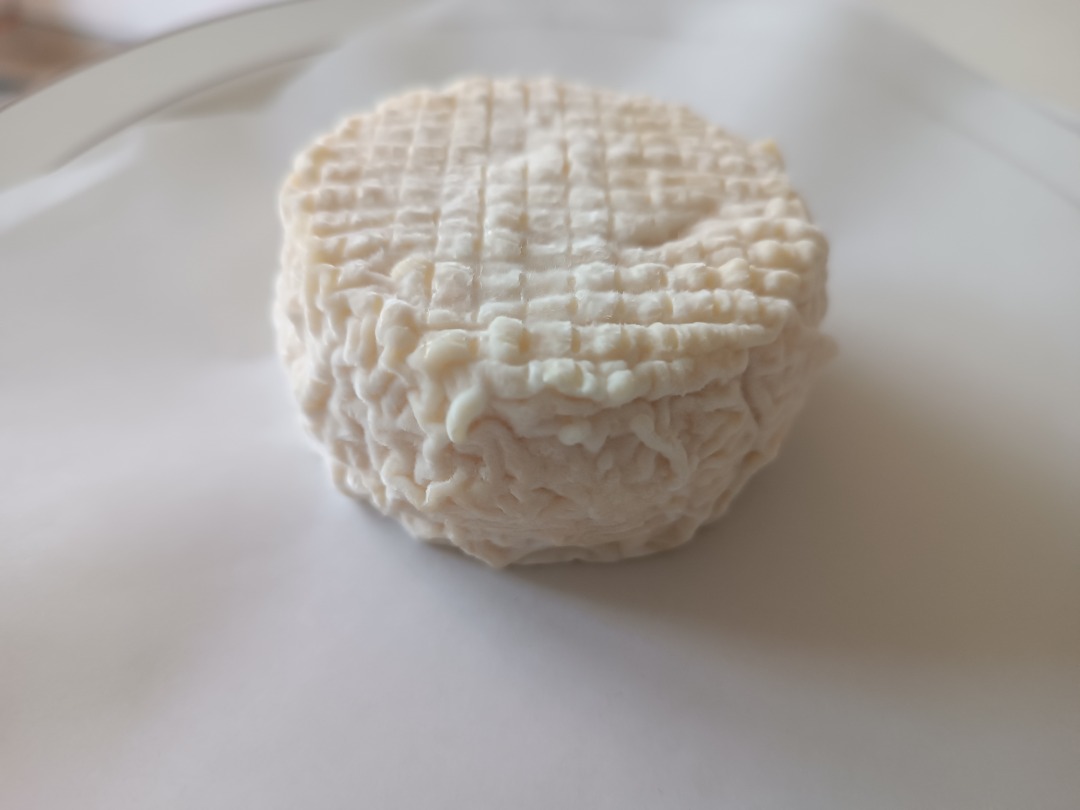
France – Goat cheese – Salmonella

Gov France

Product Category
Food
Product subcategory
Milk and dairy products
Product brand name
unbranded
Model names or references
Goat cheese made from pasteurized milk from batches from 07/16 to 08/07
Product identification
Batch
29/07
30/07
Storage temperature
Product to be kept in the refrigerator
Geographic area of ​​sale
Departments: AUDE (11)
Distributors
none