Category Archives: Salmonella

Greece – Gluten Free Chicken Burger and Chicken Souvlaki -Salmonella

EFET

E.F.E.T. and in particular the Regional Directorate of Central Macedonia, during inspections within the framework of the 2023 “Official Control of Microbiological Food Safety Criteria” Program, sampled frozen meat preparations with the following data: 1) GLUTEN-FREE CHICKEN BUTTER with a use-by date of 08/06/ 2024 and date of production / freezing 14/04/2023 and 2) SOUVLAKI CHICKEN, with date of consumption 31/08/2024 and date of production / freezing 09/05/2023 produced by the company “POULTRY ENTERPRISES A. KARAGIANNAKIS S.A. – Chicken Karagiannakis of Halkidiki”. Following laboratory analyzes in the laboratory of the Veterinary Center of Thessaloniki, the presence of the pathogenic microorganism Salmonella spp. in the above samples.

E.F.E.T. demanded the immediate recall of all the specific batches of the products in question and the relevant controls are already underway.

Consumers who have purchased the products in question (pictured above) are urged not to consume them.

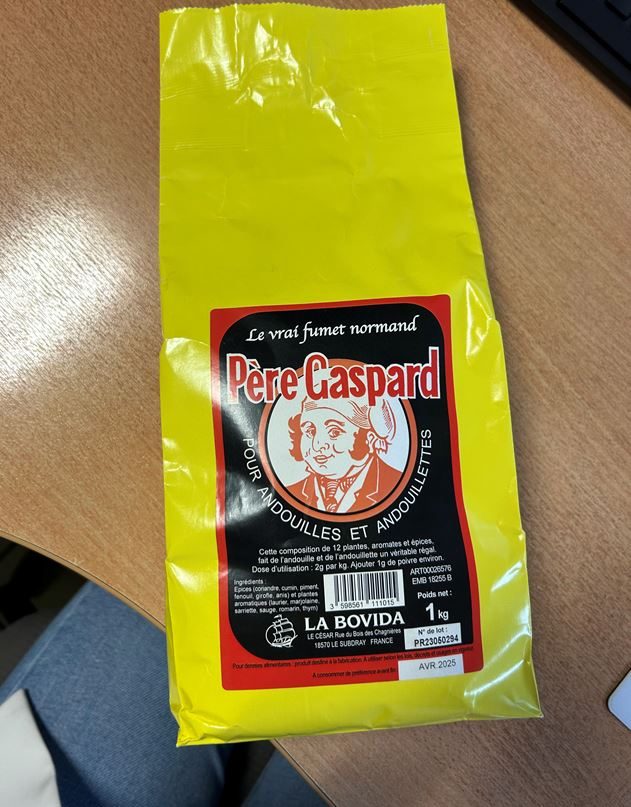
France – Father Gaspard spices 1kg – Salmonella

Gov france

Identification information of the recalled product

  • Product category Feed
  • Product subcategory Herbs and spices
  • Product brand name La Bovida
  • Model names or references Father Gaspard spices 1kg
  • Identification of products
    GTIN Batch Date
    3598561111015 PR23050294 Date of minimum durability 30/04/2025
  • Packaging 1kg bag
  • Marketing start/end date From 05/12/2023 to 07/03/2023
  • Storage temperature Product to be stored at room temperature
  • Health mark EMB18255C
  • Further information Father Gaspard spices in 1kg bags
  • Geographic area of ​​saleWhole France
  • Distributors la bovida store Limoges 19 Rue Auguste Comte, 87280 Limoges la bovida store Halennes-lez-Haubourdin 250 Rue du General de Gaulle, 59320 Hallennes-lez-Haubourdin

USA – No reduction in human illnesses from poultry-caused Salmonella

Food Safety News

“While the prevalence of Salmonella contamination in regulated poultry products has decreased by more than 50 percent in recent years, there has not been a reduction in human illnesses attributable to poultry,” a new USDA report says.

USDA’s Food Safety and Inspection Service (FSIS) has released a survey of Not-Ready-to-Eat Breaded and Stuffed Chicken Products for Salmonella. The June report was prepared by FSIS’s Laboratory Quality Assurance, Response, and Coordination (LQARCS) staff in the Office of Public Health.

According to the survey report: “FSIS worked with the Food Emergency Response Network to test for the presence of Salmonella and sanitary indicator aerobic organism counts using the current validated methods employed by 11 state public health and agriculture laboratories. From July 1, 2022, to September 30, 2022, the laboratories purchased approximately 15 samples of the product per month from nearby retail locations.

Belgium – Ferrero finds Salmonella again at Belgian factory

Food Safety News

Ferrero has informed Belgian authorities that it has found Salmonella at the site that was behind a major outbreak in 2022.

The confectionery company notified the Federal Agency for the Safety of the Food Chain (FASFC) of the Salmonella detection in the environment of the Arlon factory. It is not clear when the Salmonella positive was found, when authorities were told or whether it is the same type that was behind the outbreak.

USA – Public Health Alert Concerning Recalled Everest and Maggi Brand Spices Because Of Possible Health Risk – Salmonella

FDA

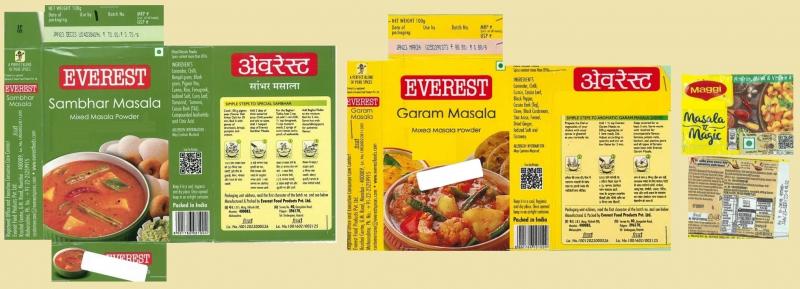
Everest & Magi Sample Products Labels

Audience

Consumers who have recently purchased the following spices sold at retail stores in GA, NC, OH, MD, TN, TX, MS, FL, VA, NJ, NY, and PA:

  • Everest Garam Masala, 100 grams, coded U25D390373, with UPC: 8 901786 101009
  • Everest Sambhar Masala, 100 grams, coded U04D384296, with UPC: 8 901786 081004
  • Maggi Masala ae Magic, 6 grams, 20640 455AA

Product

  • Everest Garam Masala, Everest Sambhar Masala, and Maggi Masala ae Magic, distributed by Amin Trading Agency LLC, Edison, NJ, with the lot numbers referenced above.
  • Amin Trading Agency LLC purchased these spices, not labeled for distribution in the United States, at retail stores in India, and imported and subsequently distributed in the United States.

Purpose

The US Food and Drug Administration (FDA) is advising consumers not to purchase or eat Everest Garam Masala, Everest Sambhar Masala, and Maggi Masala ae Magic spices with the lot numbers referenced above because they have the potential to be contaminated with Salmonella.

Summary of Problem and Scope

The FDA analyzed samples of the three products, Everest Garam Masala, Everest Sambhar Masala, and Maggi Masala ae Magic, and the results showed the products were contaminated with Salmonella. The products were manufactured in India and are not labeled for distribution in the United States.

All three products were imported to the United States and the products were distributed to retail stores in GA, NC, OH, MD, TN, TX, MS, FL, VA, NJ, and NY starting on March 16, 2023. Amin Trading LLC initiated a recall on June 1, 2023, after test results showed the products were contaminated with Salmonella. All remaining product on hand with the recalling firm was destroyed under FDA supervision. Additional details regarding the recall can be found in the FDA’s Enforcement Report.

The FDA has contacted the manufacturer of Maggi Masala ae Magic and they are investigating the situation. The foreign manufacturer of the two products, Everest Garam Masala and Everest Sambhar Masala, has been contacted and has issued a press release.

FDA Actions

The FDA is issuing this alert to warn consumers about the potential health risks associated with these products. The FDA is continuing its efforts to ensure these products are removed from the market. Additionally, the FDA has subjected the products to “Detention Without Physical Examination Of Food Products Due To The Presence Of Salmonella” under Import Alert #99-19.

Netherlands – Huls Sticks Natural 62.5 grams – Salmonella

NVWA

Safety warning Huls Sticks Natural 62.5 grams

Vleesbedrijf Huls BV warns against Huls Sticks Natural. The product may contain salmonella. Do not eat the product.
See the Huls website

Which product is it?

  • Product: Shell Sticks Natural 62.5 grams
  • Best before date: August 21, 2023
  • Barcode: 8725800010050
  • Sold at various supermarkets

Yours sincerely

The Dutch Food and Consumer Product Safety Authority

Research – Bacillus subtilis PM5 from Camel Milk Boosts Chicken Immunity and Abrogates Salmonella entertitidis Infections

MDPI

Abstract

With the practice of a successful livestock industry using antibiotics, which has continued for more than five decades, researchers have long been interested in finding alternatives to antibiotics for poultry production. Probiotics can potentially reduce enteric diseases in livestock and enhance their productivity. The aim of this study was to isolate putative probiotics from camel milk and test them against Salmonella infection as well as host immune development. Thirteen different isolates were obtained from six different camel milk samples from dairy farms in Saudi Arabia. Three of the six isolates (PM1, PM2, PM3, PM4, PM5, and PM6) that showed Gram-positive characters reacted negatively to catalase and hemolytic assays. PM1, PM5, and PM6 showed significant nonpolar surface properties (>51% hydrophobic) and potent antimicrobial activities against avian pathogens, namely S. enterica, S. typhi, S. aureus, and E. coli. PM5 exhibited substantial probiotic traits; therefore, further focus was given to it. PM5 was identified as Bacillus subtilis OQ913924 by the 16S rRNA sequencing method and showed similarity matrix > 99%. An in vivo chicken model was used to access the health benefits of probiotics. After salmonella infection, the mucosal immune response was significantly increased (p < 0.01), and none of the challenge protocols caused mortality or clinical symptoms after infection in intestinal contents. S. enterica organ infiltration in the spleen, thymus, and small intestine was significantly reduced in the B. subtilis PM5-fed chickens. The S. enterica load in chicken feces was reduced from CFU 7.2 to 5.2 in oral-fed B. subtilis PM5-fed chickens. Probiotic-fed chickens showed buffered intestinal content and positively regulated the level of butyric acid (p < 0.05), and intestinal interleukin 1 beta (IL1-β), C-reactive protein (CRP), and interferon gamma (IFN-γ) levels were reduced (p < 0.05). In addition, B. subtilis PM5 showed significant binding to peritoneal macrophages cells and inhibited S. enterica surface adhesion, indicating co-aggregation of B. subtilis PM5 in macrophage cells. It could be concluded that supplementation with probiotics can improve the growth performance of broilers and the quality of broiler chickens against enteric pathogens. The introduction of this probiotic into the commercial poultry feed market in the near future may assist in narrowing the gap that now exists between chicken breeding and consumer demand.

USA – Preliminary Incidence and Trends of Infections Caused by Pathogens Transmitted Commonly Through Food — Foodborne Diseases Active Surveillance Network, 10 U.S. Sites, 2022

CDC

The figure is a photo of a worker in a produce section with information about foodborne illnesses.

Summary

What is already known about this topic?

Campylobacter and Salmonella are the leading causes of bacterial enteric infections transmitted commonly by food. Reported incidence of enteric infections was lower during the COVID-19 pandemic (2020–2021) compared with previous years.

What is added by this report?

During 2022, FoodNet identified higher incidences of Shiga toxin-producing Escherichia coliYersiniaVibrio, and Cyclospora infections compared with 2016–2018. Campylobacter, Salmonella, Shigella, and Listeria incidences did not change.

What are the implications for public health practice?

Progress in reducing enteric infection incidence was not observed during 2022, as influences of the COVID-19 pandemic subsided. Collaboration among food growers, processors, retail stores, restaurants, and regulators is needed to reduce pathogen contamination during poultry slaughter and to prevent contamination of leafy greens.

New Zealand – Durra brand Tahina and Halawa – Salmonella

MPI

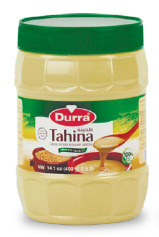
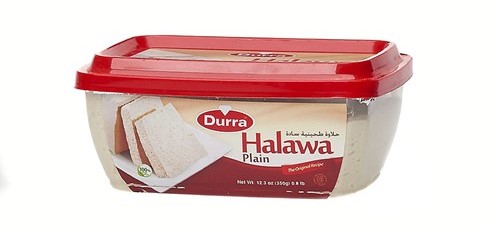
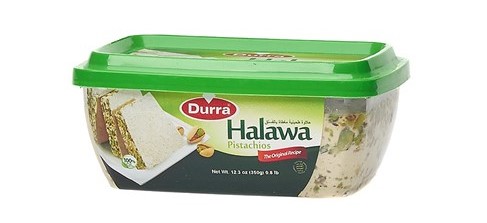
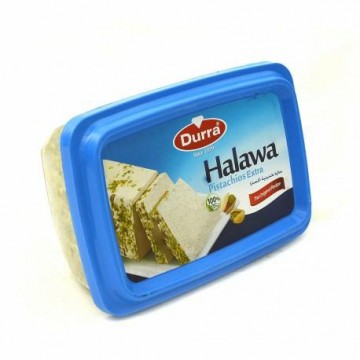
30 June 2023: Multiple importers are recalling specific batches of Durra brand Tahina and Halawa products due to the possible presence of Salmonella.

See-through jar with green lid.

Rectangular container with red lid.

Rectangular container with green lid.

Rectangular container with blue lid.

Product identification
Product type Sesame based products
Name of product (size) Durra brand Tahina (400g, 800g, 18kg)

Durra brand Halawa Plain (350g, 700g)

Durra brand Halawa Pistachio (350g, 700g)

Durra brand Halawa Extra Pistachio (350g, 700g)

Date marking Products with a date mark between EXP: 18/12/2024 up to and including EXP: 12/02/2025
Package size and description The products are sold in various packaging size variations in a plastic container or bucket.
Distribution The products are imported from Jordan.

The products are sold at retail outlets and ethnic grocery stores throughout New Zealand.

The products have not been re-exported.

Notes This recall does not affect any other Durra brand products.

Point of sale notice for retailers

If you are a retailer of the products in this recall, download a copy of the point of sale notice. You need to display it in your store for one month.

Point of sale notice – Hatem Brothers Ltd [PDF, 59 KB]

Point of sale notice – Unibrand Ltd [PDF, 59 KB]

Consumer advice

Customers are asked to check the date mark on the product.

Affected products should not be consumed. There have been no reports of associated illness in New Zealand. If you have consumed any of these products and have any concerns about your health, seek medical advice.

Customers should return the products to their retailer for a full refund.

USA – Sandwiches recalled because product was made with uncooked chicken

Food Safety News

Compass USA, of Charlotte, NC, is recalling over 2,000 Fresh To You Chicken Filet Sandwiches because the chicken sandwich was made with uncooked chicken.

According to the Centers for Disease Control and Prevention (CDC), raw chicken is often contaminated with Campylobacter bacteria and sometimes with Salmonella and Clostridium perfringens bacteria, all of which can lead to serious food poisoning.

According to the details posted online by the FDA, the recall was initiated on June 8, 2023, and is ongoing.