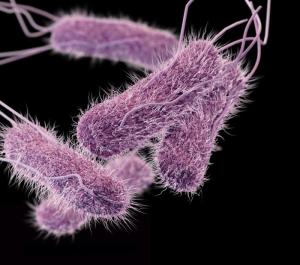
Salmonella is indeed a significant cause of foodborne illness worldwide and can be deadly, especially in certain vulnerable populations. Here are some key points regarding its severity: Read more in the link above

Salmonella is indeed a significant cause of foodborne illness worldwide and can be deadly, especially in certain vulnerable populations. Here are some key points regarding its severity: Read more in the link above
Posted in Animal Feed Salmonella, Food Microbiology Research, Pet Food Salmonella, Polish Chicken Salmonella, Research, Salmonella, Salmonella Betel Leaves, Salmonella Brazil, Salmonella Cantaloupes, Salmonella Dog Food, Salmonella in Black Pepper, Salmonella in Brazil Nuts, Salmonella in Chicken, Salmonella in Chocolate, Salmonella in Eggs, Salmonella in Nuts, Salmonella in Onions, Salmonella in Sprouts, Salmonella Peanut Butter, Salmonella Poland, Salmonella Sesame Seeds, Salmonella Tahini, Salmonella Oranienburg, salmonellosis
Salmonella spp. in black pepper from Brazil in Germany
Salmonella enterica ser. Bovismorbificans (in 1 out of 5 samples /25g) in chilled chicken leg quarters from Poland, via Lithuania in Latvia
Salmonella spp. in black pepper from Brazil in Germany
Salmonella in chicken from Latvia in Sweden
Salmonella enteritidis in chilled chicken from Poland in the Czech Republic
Salmonella in mussels from The Netherlands in Belgium
Salmonella enterica ser. Enteritidis (present /25g) in chilled chicken fillets from Poland in the Czech Republic
Salmonella enterica ser. Enteritidis (present /25g) in chilled chicken fillets from Poland in the Czech Republic
Salmonella in poultry meat preparations from Belgium in Luxembourg
Salmonella enterica ser. Bovismorbificans in chilled chicken legs with back bone from Latvia in Estonia
Salmonella spp. and high levels of recontamination germs in frozen shrimps from Bangladesh, via the Netherlands in Germany
Salmonella in frozen pig small intestine from Lithuania, via the Netherlands in Germany
Posted in food contamination, food handler, Food Hazard, Food Hygiene, Food Inspections, Food Micro Blog, Food Microbiology, Food Microbiology Blog, Food Microbiology Testing, Food Pathogen, Food Quality, food recall, Food Safety, Food Safety Alert, Food Safety Management, Food Safety Regulations, Food Testing, Polish Chicken Salmonella, RASFF, Salmonella, Salmonella in Black Pepper, Salmonella in Brazil Nuts, Salmonella in Chicken, Salmonella Poland, Uncategorized
Salmonella spp. in tahini (halva) from Syria in Germany
Salmonella spp. in chicken leg from Poland in Germany and Slovakia
Salmonella spp. and Salmonella Mbandaka in sesame paste from Syria in Germany
Salmonella Enteritidis, Infantis, Newport in 25g of poultry meat from Poland in Czech Republic, Denmark, Latvia
Salmonella enterica Typhimurium in chilled turkey from Poland in Belgium
Salmonella spp in tahini sesame paste from Ethiopia in Austria, Germany, Jordan, Netherlands and Switzerland
Salmonella spp in sesame seeds from Nigeria in Spain
Salmonella Spp. detected in Stuffed Pork Fillet from Ireland in Northern Ireland
Salmonella Enteritidis in frozen chicken meat from Poland in France, Greece, Netherlands and Spain
Salmonella infantis in fresh chicken elements from Poland in Slovakia
Posted in food contamination, food handler, Food Hazard, Food Hygiene, Food Inspections, Food Micro Blog, Food Microbiology, Food Microbiology Blog, Food Microbiology Testing, Food Pathogen, food recall, Food Safety, Food Safety Alert, Food Testing, Polish Chicken Salmonella, RASFF, Salmonella, Salmonella in Brazil Nuts, Salmonella Poland, Salmonella Sesame Seeds

Salmonella enterica ser. Bredeney (presence /25g) and Salmonella enterica ser. Montevideo (presence /25g) in potato seasoning from Turkey in Finland
Salmonella enterica ser. Enteritidis (in 4 out of 5 samples /25g) in chilled chicken elements from Poland in Poland
Salmonella enterica ser. Enteritidis (phagetype 6D /25g) in frozen chicken leg meat from Poland in Bulgaria
Salmonella enterica ser. Enteritidis (in 3 out of 5 samples /25g) in chilled chicken fillets from Poland in Poland
Salmonella group C1 (detected /25g) in boar salami from Italy in Austria
Salmonella (presence /25g) in black pepper from Brazil in Spain
Salmonella (in 1 out of 5 samples; O:8 /25g) in frozen chicken products from Poland in Poland
Salmonella (in 2 out of 5 samples, O:7 O:8 /25g) in frozen chicken products from Poland in Poland
Salmonella (presence /25g) in ground onions from India in Germany
Posted in food contamination, Food Hazard, Food Hygiene, Food Inspections, Food Micro Blog, Food Microbiology, Food Microbiology Blog, Food Microbiology Testing, Food Pathogen, food recall, Food Safety, Food Safety Alert, Food Testing, microbial contamination, Microbiology, RASFF, Salmonella, Salmonella in Brazil Nuts, Salmonella in Chicken, Salmonella in Onions, Salmonella Poland
Salmonella enterica subspecies I (ssp 1) is the leading cause of hospitalizations and deaths due to known bacterial foodborne pathogens in the United States and is frequently implicated in foodborne disease outbreaks associated with spices and nuts. However, the underlying mechanisms of this association have not been fully elucidated. In this study, we evaluated the influence of storage temperature (4 or 25°C), relative humidity (20 or 60%), and food surface characteristics on the attachment and survival of five individual strains representing S. enterica ssp 1 serovars Typhimurium, Montevideo, Braenderup, Mbandaka, and Enteritidis on raw in-shell black peppercorns, almonds, and hazelnuts. We observed a direct correlation between the food surface roughness and S. enterica ssp 1 attachment, and detected significant inter-strain difference in survival on the shell surface under various storage conditions. A combination of low relative humidity (20%) and ambient storage temperature (25°C) resulted in the most significant reduction of S. enterica on shell surfaces (p < 0.05). To identify genes potentially associated with S. enterica attachment and survival on shell surfaces, we inoculated a library of 120,000 random transposon insertion mutants of an S. Enteritidis strain on almond shells, and screened for mutant survival after 1, 3, 7, and 14 days of storage at 20% relative humidity and 25°C. Mutants in 155 S. Enteritidis genes which are involved in carbohydrate metabolic pathways, aerobic and anaerobic respiration, inner membrane transport, and glutamine synthesis displayed significant selection on almond shells (p < 0.05). Findings of this study suggest that various food attributes, environmental factors, and an unexpectedly complex metabolic and regulatory network in S. enterica ssp 1 collectively contribute to the bacterial attachment and survival on low moisture shell surface, providing new data for the future development of knowledge-based intervention strategies.
More than 120 people are part of a multi-country Salmonella outbreak linked to Brazil nuts.
Since August 2019, the outbreak, caused by Salmonella Typhimurium and Salmonella Anatum, has affected three European Union countries, the United Kingdom and Canada. The United States was one of more than 30 countries that received Brazil nuts from Bolivia contaminated with Salmonella.
In total, 123 cases of Salmonella Typhimurium have been reported, of which 105 were in the UK, 14 in France, three in Luxembourg and one each in the Netherlands and Canada. One Salmonella Anatum patient was recorded in the UK.
A case-control study in the UK and patient interviews in the UK, France and Luxembourg indicated Brazil nuts and nut bars as likely vehicles of infections. Two batches of Brazil nuts from Bolivia tested positive for Salmonella Typhimurium and Salmonella Anatum matching the outbreak strains.
Posted in Bacteria, bacterial contamination, food contamination, food handler, Food Hygiene, Food Illness, Food Inspections, Food Micro Blog, Food Microbiology Blog, Food Microbiology Research, Food Microbiology Testing, Food Pathogen, food recall, Food Safety, Food Safety Alert, Food Testing, foodborne outbreak, foodbourne outbreak, microbial contamination, Microbiology, outbreak, Pathogen, pathogenic, Salmonella, Salmonella in Brazil Nuts
Posted in Bacteria, bacterial contamination, food bourne outbreak, food contamination, Food Hygiene, Food Illness, Food Inspections, Food Micro Blog, Food Microbiology, Food Microbiology Blog, Food Microbiology Research, Food Microbiology Testing, Food Pathogen, food recall, Food Safety, Food Safety Alert, Food Testing, foodborne outbreak, foodbourne outbreak, Microbiology, Salmonella, Salmonella in Brazil Nuts
In agreement with the AFSCA, Holland & Barrett is withdrawing from sale the Holland & Barret brand “Elite Haver” nut and grape blend and is recalling it to consumers due to the possible presence of Salmonella.
Holland & Barrett asks its customers not to consume this product and to return it to the point of sale where it was purchased (see addresses below). Product description – Product name: Elite Haver – Mix of nuts and grapes – Brand: Holland & Barrett – Best before date (DDM) (“Best before”): end 10/2020 – Batch number : 145366 – Sale period: from July 2020 to 27-08-2020 – Type of packaging: plastic bag

– Weight: 200 grams
The product has been distributed by: the website https://www.hollandandbarrett.be/ and the subsidiaries below, so you can also return these products to these Holland & Barrett subsidiaries:
| Turnhoutsebaan 5 bus 69 | 2110 | WIJNEGEM |
| Beddenstraat 2 bus 27 | 2000 | ANTWERPEN |
| Koning Albertstraat 21 | 3500 | HASSELT |
| Gasthuisstraat 25 | 2300 | TURNHOUT |
| Antwerpsestraat 39 bus 2 | 2500 | LINK |
| Antwerpsesteenweg 39 | 2950 | KAPELLEN |
| Noordzandstraat 59 | 8000 | BRUGGE |
| President Wilsonplein 4 | 9000 | GENT |
| Winkelnr. 107 Kapelstraat 100 | 9100 | SINT-NIKLAAS |
| Kapellestraat 86 | 8400 | OOSTENDE |
| Kattestraat 14 | 9300 | AALST |
| Oude Vest 42 | 9200 | DENDERMONDE |
| Ringlaan 34 winkel 016 | 8500 | KUURNE |
| Bruul 71 | 2800 | MECHELEN |
| Lippenslaan 262 | 8300 | KNOKKE |
| Langemunt 48 | 9000 | GENT |
| Nieuwstraat 122 | 1000 | BRUSSEL |
| Diestsestraat 29-31 | 3000 | LEUVEN |
| Elsense Steenweg 88 | 1050 | BRUSSEL |
| Meir 51 | 2000 | ANTWERPEN |
| Albert 1 laan 263 | 8620 | NIEUWPOORT |
| Bredabaan 359 | 2950 | BRASSCHAAT |
| Turnhoutsebaan 362 | 2970 | SCHILDE |
| Kaardeloodstraat 97 | 9400 | NINOVE |
| Statielei 1 | 2640 | MORTSEL |
| Lambertmontlaan 1 | 1000 | BRUSSEL |
| Sylvain Dupuisloon 433 | 1070 | ANDERLECHT |
| Rootenstraat 8 – Unit 73 | 3600 | GENK |
| Luikerstraat 58 | 3800 | SINT-TRUIDEN |
| Botermarkt 11 | 3290 | DIEST |
For any further information , please contact our customer service via the contact form on https://help.hollandandbarrett.be/hc/nl or by phone on +32 9 2822968
Posted in Bacteria, bacterial contamination, food bourne outbreak, food contamination, food handler, Food Hygiene, Food Illness, Food Inspections, Food Micro Blog, Food Microbiology, Food Microbiology Blog, Food Pathogen, food recall, Food Safety, Food Safety Alert, Food Testing, Salmonella, Salmonella in Brazil Nuts

 FoodWorld