Category Archives: Research

Research – One Health Campylobacter Risk Model Could Improve Outbreak Surveillance

Food Safety.Com

Researchers have built a new risk model for possible human Campylobacter outbreaks that leverages data on weather patterns and the presence of Campylobacter on broiler farms. The developers of the model hope to disseminate the information it produces through a website that can generate warnings when appropriate.

The model follows a “One Health” approach, in that data from the animal, human, and environmental sectors were combined to predict human gastrointestinal illness (GI) outbreaks.

Read more at the link above

Major E. coli, and Salmonella outbreaks highlighted at a conference; investigations ongoing

Food Safety News

Two major foodborne outbreaks have recently been highlighted at a European conference on infectious diseases.

Presentations at the European Scientific Conference on Applied Infectious Disease Epidemiology (ESCAIDE) covered an E. coli outbreak from Nestlé pizzas in France and a multi-country monophasic Salmonella Typhimurium outbreak due to Ferrero chocolate.

In February 2022, Santé Publique France identified more cases of the pediatric hemolytic uremic syndrome (HUS) than usual with eight infections. Cases were positive for Shiga toxin-producing E. coli (STEC) O26:H11 or O103:H2 identified by whole genome sequencing (WGS). Only two people were sick from E. coli O103.

Research -Application of a novel phage ZPAH7 for controlling multidrug-resistant Aeromonas hydrophila on lettuce and reducing biofilms

Science Direct

Abstract

Aeromonas hydrophila is an important pathogenic bacterium that causes foodborne illness worldwide. In this study, virulent phages from the sediment of a fish farm were propagated and isolated on a multidrug-resistant strain of A. hydrophila, ZYAH75. One phage, designated as ZPAH7, featured a unique turbid halo around a clear plaque on the bacterial lawn (indicative of potential depolymerase activity), and was selected for further analysis. ZPAH7 was classified as podophage by morphological and genomic methods. Further comparisons of genome nucleotide similarity, ratios of homologous proteins and phylogenetic relatedness among the terminase large subunit and major capsid proteins of similar phage deposited in GENBANK, led us to propose a new genus, ZPAH7virus, in the Autographivirinae subfamily of Podoviridae. ZPAH7 had an adsorption rate of 79% in 5 min, an eclipse period of 15 min, a latent period of 25 min, and a burst size of 148 ± 9 PFU/cell. Antimicrobial application experiments showed that ZPAH7 lead to significantly reduction on A. hydrophila on lettuce. Additionally, ZPAH7 was able to inhibit biofilm formation, as well as degrade and kill bacteria in established biofilms. Furthermore, lytic activity of ZPAH7 remained stable across a wide range of temperatures and pH measurements. These results suggest ZPAH7 could be used as a potential biological control agent against A. hydrophila on food and/or biofilms on food contact surfaces.

Research – Dynamic Changes of Bacterial Communities and Microbial Association Networks in Ready-to-Eat Chicken Meat during Storage

MDPI

Ready-to-eat (RTE) chicken is a popular food in China, but its lack of food safety due to bacterial contamination remains a concern, and the dynamic changes of microbial association networks during storage are not fully understood. This study investigated the impact of storage time and temperature on bacterial compositions and microbial association networks in RTE chicken using 16S rDNA high-throughput sequencing. The results show that the predominant phyla present in all samples were Proteobacteria and Firmicutes, and the most abundant genera were WeissellaPseudomonas and Proteus. Increased storage time and temperature decreased the richness and diversity of the microorganisms of the bacterial communities. Higher storage temperatures impacted the bacterial community composition more significantly. Microbial interaction analyses showed 22 positive and 6 negative interactions at 4 °C, 30 positive and 12 negative interactions at 8 °C and 44 positive and 45 negative interactions at 22 °C, indicating an increase in the complexity of interaction networks with an increase in the storage temperature. Enterobacter dominated the interactions during storage at 4 and 22 °C, and Pseudomonas did so at 22 °C. Moreover, interactions between pathogenic and/or spoilage bacteria, such as those between Pseudomonas fragi and Weissella viridescensEnterobacter unclassified and Proteus unclassified, or those between Enterobacteriaceae unclassified and W.viridescens, were observed. This study provides insight into the process involved in RTE meat spoilage and can aid in improving the quality and safety of RTE meat products to reduce outbreaks of foodborne illness. View Full-Text

Research – Contamination of eggs by Salmonella Enteritidis in experimentally infected laying hens of four commercial genetic lines in conventional cages and enriched colony housing

Science Direct

ABSTRACT

Human illness caused by the consumption of eggs contaminated with Salmonella Enteritidis is a continuing international public health concern. This pathogen is deposited inside the edible contents of eggs as a consequence of its ability to colonize reproductive tissues in infected hens. Conditions in the housing environment can influence the persistence and transmission of avian Salmonella infections, but the food safety ramifications of different poultry management systems are not entirely clear. The present study assessed the deposition of S. Enteritidis inside eggs laid by groups of experimentally infected laying hens of 4 commercial genetic lines (designated as white egg lines W1 and W2 and brown egg lines B1 and B2). Groups of hens from each line were housed at 555 cm2 of floor space per bird in both conventional cages and colony units enriched with access to perches and nesting areas. All hens were orally inoculated with 5.75 × 10⁷ cfu of a 2-strain S. Enteritidis mixture, and the internal contents of eggs laid 5 to 24 D post-inoculation were cultured to detect the pathogen. No significant differences in egg contamination frequencies were found between the 2 housing systems for any of the hen lines. Contaminated eggs were laid between 7 and 21 D post-inoculation at an overall frequency of 2.47%, ranging from 0.25 to 4.38% for the 4 hen lines. The frequency of S. Enteritidis recovery from egg samples was significantly (P < 0.05) lower for line B2 than for any of the other lines, and the egg contamination frequency for line W1 was significantly greater than for line W2. The overall incidence of contamination among white eggs (3.38%) was significantly higher than among brown eggs (1.56%). These results demonstrate that S. Enteritidis deposition inside eggs can vary between genetic lines of infected laying hens, but housing these hens in 2 different systems did not affect the production of contaminated eggs.

Research – Bacterial microbiota profile in gills of modified atmosphere-packaged oysters stored at 4 °C

Science Direct

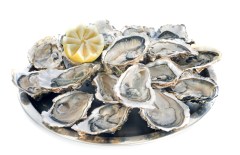
french oysters

Abstract

As filter-feeding bivalves, oysters can accumulate microorganisms into their gills, causing spoilage and potential safety issues. This study aims to investigate the changes in the gill microbiota of oysters packed under air and modified atmospheres (MAs, 50% CO2: 50% N2, 70% CO2: 30% O2, and 50% CO2: 50% O2) during storage at 4 °C. The diversity of bacterial microbiota in oyster gills was profiled through polymerase chain reaction-denaturing gradient gel electrophoresis (PCR-DGGE) analysis on the 16S rRNA gene V3 region to describe the variation during the entire storage period. The DGGE profile revealed high bacterial diversity in the air- and MA-packaged oyster gills, and the spoilage bacterial microbiota varied in the MA-packaged oyster gills. Results indicated that CO2:O2 (70%:30%) was suitable for oyster MA packaging and that high bacterial loads in oyster gills need to be considered during storage. In addition, Lactobacillus and Lactococcus species were found to grow dominantly in fresh oyster gills under MA packaging, which supports the potential application of MA packaging for oyster storage.

Research – Salmonella enterica Outbreaks Linked to the Consumption of Tahini and Tahini-Based Products

MDPI

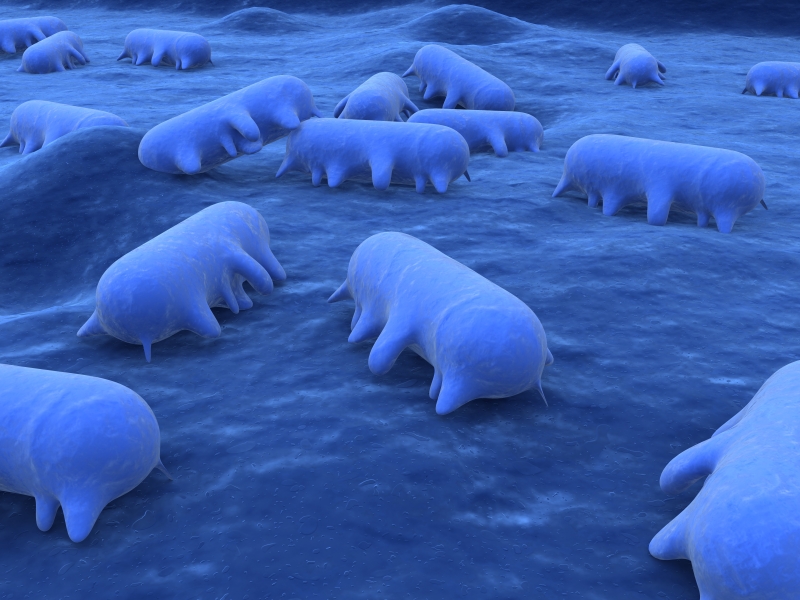
kswfoodworld Salmonella

Salmonella is a leading cause of bacterial foodborne illness in the world. Although typically associated with foods of animal origin, low-moisture foods, such as tahini, are quickly gaining recognition as an important vehicle of Salmonella exposure. This review offers the Canadian perspective on the issue of Salmonella in tahini and tahini-based products. A summary of several recent food product recalls and foodborne outbreaks related to the presence of Salmonella in tahini and tahini-based products such as halva are presented. The properties of the food vehicles, their production practices, and potential routes of contamination are discussed. Particular focus is placed on the ecology of Salmonella in the tahini production continuum, including its survival characteristics and response to intervention technologies. View Full-Text

Research – Effect of Probiotic Lactic Acid Bacteria (LAB) on the Quality and Safety of Greek Yogurt

MDPI

Abstract

Greek yogurt is a strained yogurt with a high protein content that brings nutritional benefits. To enhance the functional benefits of Greek yogurt, Greek yogurt was prepared with various combinations of probiotic lactic acid bacteria (LAB) (Streptococcus thermophilusLactobacillus bulgaricusLactobacillus gasseri BNR17, and Lactobacillus plantarum HY7714). Effects of probiotic LAB on quality, sensory, and microbiological characteristics of Greek yogurt were then compared. Among samples, Greek yogurt fermented by S. thermophilus and L. bulgaricus showed the highest changes of pH and titratable acidity during 21 d of storage at 4 °C. Greek yogurt fermented with L. plantarum HY7714 had a higher viscosity than other samples. Greek yogurt fermented with S. thermophilusL. bulgaricusL. gasseri BNR17, and L. plantarum HY7714 showed superior physicochemical properties and received the highest preference score from sensory evaluation among samples. Overall, the population of enterohaemorrhagic Escherichia coli (EHEC) was more effectively reduced in Greek yogurt fermented with probiotic LAB than in commercial Greek yogurt during storage at 4, 10, and 25 °C. Thus, the addition of L. gasseri BNR17 and L. plantarum HY7714 as starter cultures could enhance the microbial safety of Greek yogurt and sensory acceptance by consumers.

Research – Listeria monocytogenes in the Food Processing Environment

CMR

Abstract

Purpose of Review

Listeria monocytogenes is a foodborne pathogen that causes listeriosis, a relatively rare but potentially fatal disease with a 19% mortality rate and a 99% hospitalisation rate. It affects mainly elderly and immunocompromised individuals.

Ready-to-eat (RTE) foods are particularly dangerous with regard to L. monocytogenes as there is no further anti-microbial step between production and consumption. The purpose of this work is to review the importance of Listeria monocytogenes in the food processing environment.

Recent Findings

Cross-contamination from the processing environment to the food at production or at retail level is the most common route of RTE food contamination. If present on a food matrix,L. monocytogeneshas a remarkable ability to survive andcan grow during refrigeration to sufficient numbers to cause disease.SummaryWhile hygiene processes and awareness can help control ofL. monocytogenesin food processing environments, newmethods such as bacteriophages and bacteriocins are being applied to control it in food, reducing public healthissues.

Research – University Of São Paulo: Study Shows That Spice Bottles Can Be Vectors Of Contamination During Food Preparation

India Education Diary

Did you know that when preparing an everyday meal, the simple act of cutting meat and vegetables and then seasoning them without washing your hands first can expose you to dangerous contamination?

In a study published in the Journal of Food Protection, researchers from the State University of New Jersey, in partnership with the State University of North Carolina, in the United States, indicated that, during the preparation of meals, seasoning containers can be contaminated with microorganisms harmful to health.

According to Daniele Maffei, researcher at the Food Research Center and professor at USP’s Luiz de Queiroz School of Agriculture (Esalq), the intention of the study was to evaluate cross-contamination on surfaces and kitchen utensils used during meal preparation. Cross-contamination happens when bacteria or other microorganisms that are on one surface are transferred to another; food, for example. “Foodborne outbreaks of foodborne illness occur everywhere in the world, including Brazil. And many of these outbreaks may involve cross-contamination,” she says.

In the study, the behavior of 371 people was evaluated during the preparation of a meal consisting of a raw ground turkey burger and a ready-to-eat salad. To simulate the movement of a pathogen in a kitchen, the researchers inoculated a bacteriophage known as MS2 into meat. It works as a kind of safe tracker, as it infects bacteria, but it doesn’t cause any problems for human health.

“The researchers used swabs to analyze the surfaces of kitchen utensils, including seasoning bottles, containers that are not always evaluated in cross-contamination studies”, explains Daniele. From then on, the scientists observed that the presence of the marker was detected on all types of surfaces analyzed. “The frequency with which this happened for most surfaces was less than 20%, however, in the case of spice bottles, scientists detected the material in up to 48% of the samples, that is, almost half of them.”

In view of this, the specialist points out that it is essential that we take some precautions to avoid cross-contamination, including the correct cleaning of food, countertops, sinks, kitchen utensils and, mainly, seasoning containers, before and after each use. All this, using the correct products to do this cleaning.

“Good practices in food handling are essential to prevent contamination and the occurrence of outbreaks, both in relation to the proper cooking of these foods and not forgetting to wash our hands frequently, in addition to the constant hygiene of work surfaces”, he concludes.