Category Archives: Research

Research – Modelling the Effect of Salt Concentration on the Fate of Listeria monocytogenes Isolated from Costa Rican Fresh Cheeses

MDPI

“Turrialba cheese” is a Costa Rican fresh cheese highly appreciated due to its sensory characteristics and artisanal production. As a ready-to-eat dairy product, its formulation could support Listeria monocytogenes growth. L. monocytogenes was isolated from 14.06% of the samples and the pathogen was able to grow under all tested conditions. Due to the increasing demand for low-salt products, the objective of this study was to determine the effect of salt concentration on the growth of pathogen isolates obtained from local cheese. Products from retail outlets in Costa Rica were analyzed for L. monocytogenes. These isolates were used to determine growth at 4 °C for different salt concentration (0.5–5.2%). Kinetic curves were built and primary and secondary models developed. Finally, a validation study was performed using literature data. The R2 and Standard Error of fit of primary models were ranked from 0.964–0.993, and 0.197–0.443, respectively. An inverse relationship was observed between growth rate and salt concentration. A secondary model was obtained, with R2 = 0.962. The model was validated, and all values were Bf > 1, thus providing fail-safe estimations. These data were added to the free and easy-to-use predictive microbiology software “microHibro” which is used by food producers and regulators to assist in decision-making. View Full-Text
Research – Combined Hurdle Technologies Using UVC Waterproof LED for Inactivating Foodborne Pathogens on Fresh-Cut Fruits

MDPI

This study investigated the combined bactericidal efficacy of slightly acidic electrolyzed water (SAEW), fumaric acid (FA), and ultravioletC waterproof light-emitting diodes (UVC W-LED) for the control of Staphylococcus aureus and Listeria monocytogenes in fresh-cut fruits. Cherry tomato, grape, apple, and pineapple were inoculated with S. aureus and L. monocytogenes and then washed with 30 ppm SAEW containing 0.5% FA in a container equipped with two UVC W-LEDs. Behaviors of S. aureus and L. monocytogenes and quality properties of fresh-cut fruits were monitored after storage at 10 °C and 15 °C for 7 days. The most effective reductions of S. aureus (1.65 log CFU/g) and L. monocytogenes (2.63 log CFU/g) were observed in the group with the combined treatment of SAEW + FA and UVC W-LED. At 10 °C and 15 °C, populations of both pathogens in the combined treatment group were lower than those in a control. Combined treatment showed no negative effect on moisture retention in the fruit. Moreover, visual changes were less significant than in the control. These results demonstrate that the combined treatment can improve the microbial safety and the quality of fruits. If it is properly used in the sanitizing step of the fresh produce industry, a positive effect can be expected.

USA – Oysters and Vibriosis

CDC

What You Need to Know

  • Eating raw oysters and other undercooked seafood can put you at risk for infections, such as vibriosis.
  • Vibriosis is caused by some kinds of Vibrio bacteria.
  • Most Vibrio infections happen during warmer months, but they can happen anytime.
  • An oyster that contains Vibrio doesn’t look, smell, or taste different from any other oyster.
  • A way to kill Vibrio in oysters is to cook them properly.
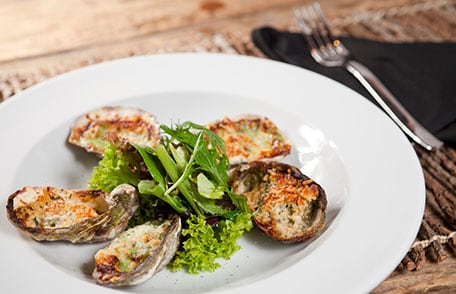
Plate of baked oysters

Many people enjoy eating raw oysters, and raw oyster bars are growing in popularity. But eating raw or undercooked oysters and other shellfish can put you at risk for foodborne illness.

Learn about vibriosis, an illness caused by infection with certain kinds of Vibrio bacteria, and steps you can take to protect your health when it comes to oysters and other shellfish.

Vibrio bacteria naturally inhabit coastal waters where oysters live. Because oysters feed by filtering water, Vibrio and other harmful bacteria and viruses can concentrate in their tissues. When someone eats raw or undercooked oysters, germs that might be in the oyster can cause illness.

CDC estimates that about 80,000 people get vibriosis—and 100 people die from it—in the United States every year. Most of these illnesses happen from May through October when water temperatures are warmer. However, you can get sick from eating raw or undercooked oysters during any month of the year, and raw oysters from typically colder waters also can cause vibriosis.

An oyster that contains harmful bacteria doesn’t look, smell, or even taste different from any other oyster. You can kill Vibrio in oysters and certain other shellfish, such as mussels and clams, by cooking them properly.

What are the symptoms of vibriosis?

Most Vibrio infections from oysters, such as Vibrio parahaemolyticus infection, result in mild illness, including diarrhea and vomiting. However, people with a Vibrio vulnificus infection can get very sick. As many as 1 in 5 people with a Vibrio vulnificus infection die. This is because Vibrio vulnificus infection can lead to bloodstream infections, severe blistering skin lesions, and limb amputations.

If you develop symptoms of vibriosis, tell your medical provider if you recently ate or touched raw oysters or other raw shellfish or came into contact with salt water or brackish water. Brackish water is a mixture of salt water and fresh water. It is often found where rivers meet the sea.

Who is more likely to get vibriosis?

Anyone can get vibriosis, but you may be more likely to get an infection or severe illness if you:

  • Have liver disease, cancer, diabetes, HIV, or the blood disorder thalassemia
  • Receive immune-suppressing therapy for the treatment of disease
  • Take medicine to lower stomach acid levels
  • Have had recent stomach surgery
  • Are 65 years or older

How do people get vibriosis?

Most people become infected by eating raw or undercooked shellfish, particularly oysters. Other people become infected by:

  • Getting brackish or salt water in a wound, such as when they’re swimming, wading, or fishing.
  • Cutting themselves on an item, such as a rock or pier, that has come into contact with brackish or salt water.
  • Getting raw seafood juices or drippings in a wound.

How can I stay safe?

Follow these tips to reduce your chances of getting an infection when eating or touching shellfish and other seafood:

  • Don’t eat raw or undercooked oysters or other shellfish. Fully cook them before eating, and only order fully cooked oysters at restaurants. Hot sauce and lemon juice don’t kill Vibrio bacteria and neither does alcohol.
    • Some oysters are treated for safety after they are harvested. This treatment can reduce levels of vibriosis in the oyster, but it does not remove all harmful germs. People who are more likely to get vibriosis should not eat any raw or undercooked oysters.
  • Separate cooked seafood from raw seafood and its juices to avoid cross contaminationexternal icon.
  • Wash your hands with soap and water after handling raw seafood.
  • Stay out of salt water or brackish water if you have a wound (including from a recent surgery, piercing, or tattoo).
    • Cover any wounds if they could touch raw seafood or raw seafood juices, or if you might come into contact with brackish or salt water.
  • Wash open wounds and cuts thoroughly with soap and water if they contacted salt water or brackish water or raw seafood or raw seafood juices or drippings.

What are tips for cooking shellfish?

Before cooking, discard any shellfish with open shells.

For shellfish in the shell, either:

  • Boil until the shells open and continue boiling another 3-5 minutes, or
  • Add to a steamer when water is already steaming and cook for another 4–9 minutes.

Only eat shellfish that open during cooking. Throw out any shellfish that do not open fully after cooking.

For shucked oysters, either:

  • Boil for at least 3 minutes,
  • Fry in oil for at least 3 minutes at 375°F,
  • Broil 3 inches from heat for 3 minutes, or
  • Bake at 450°F for 10 minutes.

Belgium – DG Sante raises concerns on Belgian microbial controls

Food Safety News

Belgium’s system to prevent microbiological risks before and during harvest of certain foods has been criticized by the EU’s health and safety body. Officials in Belgium disagree.

A DG Sante audit found Belgium’s program is not designed to identify businesses that don’t have measures to stop the risk of contamination at these stages of production of food of non-animal origin (FNAO), which include fruits and vegetables.

The audit took place in late October 2020 but the coronavirus pandemic meant findings are based on a remote review of documentation and video interviews with officials. It was the second audit of official controls on FNAO in Belgium. A 2015 report made one recommendation but in the latest assessment DG Sante found the adopted measures were not sufficient.

Australia Research – Monitoring the incidence and causes of diseases potentially transmitted by food in Australia: Annual report of the OzFoodNet network, 2013–2015

Au Gov

This report summarises the incidence of diseases potentially transmitted by food in Australia, and details outbreaks associated with food that occurred during 2013–2015.
OzFoodNet sites reported an increasing number of notifications of 12 diseases or conditions that may be transmitted by food (botulism; campylobacteriosis; cholera; hepatitis A; hepatitis E; haemolytic uraemic syndrome (HUS); listeriosis; Salmonella Paratyphi (paratyphoid fever) infection; salmonellosis; shigellosis; Shiga toxin-producing Escherichia coli(STEC) infection; and Salmonella Typhi (typhoid fever) infection), with a total of 28,676 notifications received in 2013; 37,958 in 2014; and 41,226 in 2015.
The most commonly-notified conditions were campylobacteriosis (a mean of 19,061 notifications per year over 2013–2015) and salmonellosis (a mean of 15,336 notifications per year over 2013–2015). Over these three years, OzFoodNet sites also reported 512 outbreaks of gastrointestinal illness caused by foodborne, animal-to-person or waterborne disease, affecting 7,877 people, and resulting in 735 hospitalisations and 18 associated deaths.
The majority of outbreaks (452/512; 88%) were due to foodborne or suspected foodborne transmission. The remaining 12% of outbreaks were due to waterborne or suspected waterborne transmission (57 outbreaks) and animal-to-human trans-mission (three outbreaks). Foodborne and suspected foodborne outbreaks affected 7,361 people, resulting in 705 hospitalisations and 18 deaths.
Salmonella was the most common aetiological agent identified in foodborne outbreaks (239/452; 53%), and restaurants were the most frequently-reported food preparation setting (211/452; 47%). There were 213 foodborne outbreaks (47%) attributed to a single food commodity during 2013–2015, with 58% (124/213) associated with the consumption of eggs and egg-based dishes.

Research – ECDC rapid risk assessment: increase in OXA-233 producing E.coli in the EU, EEA and UK since 2013

HPS

Article: 55/3005

The European Centre for Disease Prevention and Control (ECDC) has published an update to an existing risk assessment, first produced in response to evidence of healthcare associated transmission of OXA-244 producing Escherichia coli (E. coli) in the EU and EEA. A doubling of cases in the main cluster, and three new countries detecting cases, confirm the high risk for further spread of OXA-244 producing E. coli.

An urgent enquiry was made to ECDC’s Epidemic Intelligence Information System (EPIS), regarding a healthcare-associated outbreak involving 12 cases of OXA-244 producing E. coli in Norway. Subsequently, national public health reference laboratories in EU and EEA countries were invited to submit to ECDC whole genome sequencing (WGS) data, collected since the previous rapid risk assessment was published on 18 February 2020.

The analysis included WGS data submitted to ECDC from 13 countries, completed with data from the public domain. Among 458 isolates of E. coli ST38, 370 carried the blaOXA-244 gene encoding for the OXA-244 carbapenemase. Several clusters were identified, including one large cluster with 225 closely-related OXA-244-producing E. coli ST38 isolates. Of these, 210 isolates were detected in 11 EU and EEA countries and the UK, and 15 isolates were from other countries.

The source and route of transmission for OXA-244-producing E. coli in the EU, EEA and UK is currently unclear, and there is a need for further investigation to determine this so that control measures can be put in place. The wide geographical dispersion of cases within countries, without cases being linked in place and time, indicates transmission in the community as the main mode of spread.

Source: ECDC, 20 July 2021

UK – Report into the sources of human Campylobacter infection published

FSA

The Food Standards Agency has today published a study to further determine the principal sources of this foodborne disease.

A report published by the FSA confirms that chickens are the source of the majority of human cases of Campylobacter, followed by other animals such as sheep, pigs and cows. This infection may have been passed to people directly through food, but could also be via environmental and water contamination.

The Campylobacter Source Attribution Study, launched in 2015 as part of the FSA’s wider and ongoing Campylobacter Reduction Programme, also reveals an increase in antimicrobial resistance within Campylobacter strains between 1997 and 2018. Work is continuing in this area to determine the full impact.

FSA Head of science, evidence and research, Rick Mumford, said:

“We will use these findings to better understand the causes of Campylobacter infection, and to inform further work on foodborne transmission. This will also help to identify further research areas to explore as we seek to reduce the overall burden of Campylobacter infection in the UK.”

Around 300,000 human cases of Campylobacter are estimated to be acquired from food each year in the UK, out of a total of around 630,000 cases. Campylobacter lives in the intestinal tracts of a wide range of mammals, birds and even insects.

Researchers embarked on this project to determine the key reservoirs of human Campylobacter infections and help identify potentially effective risk management strategies. The project assessed patient samples from two locations – a representative urban site in North Tyneside and rural site in Oxfordshire – alongside foods sampled from retail in York, Salisbury and London.

With regards to antimicrobial resistance, the study revealed a rise in fluoroquinolone and tetracycline resistance in C.jejuni isolates from human infections between 1997 and 2018. Fluoroquinolone resistance was more frequent in C.jejuni isolates from  chicken than from other animals, whilst tetracycline resistance was more frequent in poultry and pig isolates than ruminants. Resistance to macrolides and aminoglycosides remain low.

The majority of people who are infected with Campylobacter recover fully and quickly, but it can cause long-term and severe health problems in some, including young children and the elderly.

You can help keep your family safe by cooking your food correctly, and avoiding cross-contamination through ensuring good personal hygiene.

Read the full report here. As part of the project, a data storyboard (Opens in a new window)was created and can be viewed online.

USA – FOOD RECALL SEARCH – FOOD RECALL REPORTER

Food Industry Council

Food Industry Counsel is proud to offer the Food Recall Reporter, the only searchable food recall database that allows users to conduct a food recall search for FDA and USDA food product recalls. Search food and beverage recalls, the types of food products, the reasons for the recalls, and the names of the companies recalling the products.

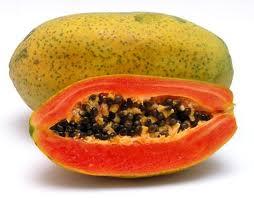
Research – A Series of Papaya-Associated Salmonella Illness Outbreak Investigations in 2017 and 2019 – A Focus on Traceback, Laboratory, and Collaborative Efforts

Journal of Food Protection

kswfoodworld

In 2017 and 2019, five outbreaks of infections from multiple strains of Salmonella linked to the consumption of whole, fresh Maradol papayas were reported in the United States, resulting in 325 ill persons. Traceback, laboratory, and epidemiologic evidence indicated papayas as the likely vehicle for each of these outbreaks and identified the source of papayas. State and FDA laboratories recovered Salmonella from papaya samples from various points of distribution, including at import entry, and conducted serotyping, pulsed-field gel electrophoresis (PFGE), and phylogenetic analyses of whole genome sequencing (WGS) data. Federal and state partners led traceback investigations to determine the source of papayas. Four different suppliers of papayas were linked by traceback and laboratory results to five separate outbreaks of Salmonella infections associated with papayas. In 2017, multiple states tested papaya samples collected at retail, and Maryland and Virginia investigators recovered strains of Salmonella associated with one outbreak. FDA collected 183 papaya samples in 2017, and 11 samples yielded 62 isolates of Salmonella. Eleven serotypes of Salmonella were recovered from FDA papaya samples, and nine serotypes were closely related genetically by PFGE and WGS to clinical isolates of four outbreaks, including the outbreak associated with positive state sample results. Four farms in Mexico were identified and their names were released to the general public, retailers, and foreign authorities. In 2019, FDA collected 119 papaya samples, three of which yielded Salmonella; none yielded the 2019 outbreak strain. Investigators determined that papayas of interest had been sourced from a single farm in Campeche, Mexico through traceback. This information was used to protect public health through public guidance, recalls, and import alerts and helped FDA collaborate with Mexican regulatory partners to enhance the food safety requirements for papayas imported from Mexico.

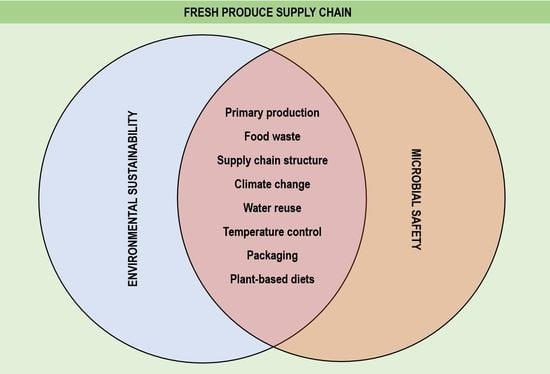
Research – Interactions between Microbial Food Safety and Environmental Sustainability in the Fresh Produce Supply Chain

MDPI

Improving the environmental sustainability of the food supply chain will help to achieve the United Nations Sustainable Development Goals (SDGs). This environmental sustainability is related to different SDGs, but mainly to SDG 2 (Zero Hunger), SDG 12 (Responsible Production and Consumption), SDG 13 (Climate Action), and SDG 15 (Life on Land). The strategies and measures used to improve this aspect of the food supply chain must remain in balance with other sustainability aspects (economic and social). In this framework, the interactions and possible conflicts between food supply chain safety and sustainability need to be assessed. Although priority must be given to safety aspects, food safety policies should be calibrated in order to avoid unnecessary deleterious effects on the environment. In the present review, a number of potential tensions and/or disagreements between the microbial safety and environmental sustainability of the fresh produce supply chain are identified and discussed. The addressed issues are spread throughout the food supply chain, from primary production to the end-of-life of the products, and also include the handling and processing industry, retailers, and consumers. Interactions of fresh produce microbial safety with topics such as food waste, supply chain structure, climate change, and use of resources have been covered. Finally, approaches and strategies that will prove useful to solve or mitigate the potential contradictions between fresh produce safety and sustainability are described and discussed. Upon analyzing the interplay between microbial safety and the environmental sustainability of the fresh produce supply chain, it becomes clear that decisions that are taken to ensure fresh produce safety must consider the possible effects on environmental, economic, and social sustainability aspects. To manage these interactions, a global approach considering the interconnections between human activities, animals, and the environment will be required. View Full-Text