Detection of Listeria monocytogenes in Brie cheese from France in Japan
Raw milk cheese contaminated with listeria from France in Germany

Detection of Listeria monocytogenes in Brie cheese from France in Japan
Raw milk cheese contaminated with listeria from France in Germany
Posted in food contamination, food handler, Food Hazard, Food Hygiene, Food Inspections, Food Micro Blog, Food Microbiology, Food Microbiology Blog, Food Microbiology Testing, Food Pathogen, Food Quality, food recall, Food Safety, Food Safety Alert, Food Safety Management, Food Safety Regulations, Food Testing, Listeria, Listeria monocytogenes, RASFF, Raw Milk, raw milk cheese
Posted in Decontamination Microbial, Food Micro Blog, Food Microbiology, Food Microbiology Blog, Food Microbiology Research, Food Microbiology Testing, Listeria, Listeria monocytogenes, microbial contamination, Microbial growth, Microbiological Risk Assessment, Microbiology, Microbiology Investigations, Microbiology Risk, Raw Milk, STEC, STEC E.coli
A glass of raw milk for breakfast, a roll with raw ham in the lunch break and a homemade smoothie with frozen berries in the afternoon – raw or unheated food is a regular part of the population’s menu. This is shown by a current, representative survey by the Federal Institute for Risk Assessment ( BfR ). Raw animal and vegetable products should be consumed with caution. They can contain pathogenic germs such as salmonella, listeria and campylobacter and lead to foodborne infections. Small children, people with previous illnesses, the elderly and pregnant women are particularly at risk. “The health risks of raw foods are often underestimated,” says BfR-President Professor Dr. dr Andrew Hensel. “Heating protects. Diseases can be avoided with simple kitchen hygiene rules. Sensitive groups of people in particular should only eat raw animal food that has been sufficiently heated.”
To the BfR Consumer Monitor Special information brochure, raw foods:
 Verbrauchermonitor-2023-spezial-rohe-lebensmittel.pdf (586.9 KB)
The particularly popular raw foods include raw sausage and raw ham, which are eaten several times a week by more than a third of those surveyed. At least one to three times a month, 73 percent of those surveyed eat raw meat and sausage products, followed by soft cheese made from raw milk (57 percent). Other foods eaten with the same frequency by around a third of those surveyed are raw meat (38 percent), cold-smoked fish (33 percent) and frozen berries (33 percent). While about one in five (21 percent) eats raw sweet dough with eggs at least once or three times a month, it is still one in eight (12 percent) when it comes to raw dough without eggs. 19 percent of respondents drink raw milk at least one to three times a month.
Every year around 100,000 diseases are reported in Germany that may have been caused by bacteria, viruses or parasites in food. The number of unreported cases is likely to be much higher. While salmonella, listeria and norovirus are known to the majority of the population, the knowledge about other food-related pathogens is less good. Particularly surprising: Although campylobacteriosis has been the most frequently reported bacterial food-borne illness in Germany and Europe for years, only just under a quarter (23 percent) of people know the causative pathogen Campylobacter . The same applies to the abbreviations STEC, EHEC and VTEC for particularly dangerous Escherichia coli-Bacteria (27 percent). The pathogens mentioned can lurk in a large number of raw foods: salmonella and campylobacter in poultry, chicken eggs and raw meat and sausage products, listeria in cold-smoked fish products and raw milk cheese or noroviruses in raw oysters and frozen berries as well as STEC in flour.
The perception of the health risk sometimes differs greatly between different raw or unheated foods. The majority of respondents see a medium to (very) high health risk in particular with raw fish and raw seafood, raw meat, raw eggs and raw sweet dough with eggs. Frozen berries, on the other hand, are perceived as the least risky. Other foods that the majority of those surveyed also associate with a (very) low health risk are soft cheese made from raw milk, cold-smoked fish, raw sausage and raw ham, as well as raw dough without eggs.
In order to protect yourself from foodborne infections, it is important to observe the rules of kitchen hygiene so that pathogens do not spread from raw foods to others. Small children, pregnant women and people with a weakened immune system should only eat raw food from animals if they have been sufficiently heated beforehand.
Via the BfR consumer monitor
Whether antibiotic resistance, microplastics, salmonella or aluminum in food – which health risks are known to the population and what worries them? The BfR Consumer Monitor, a representative population survey that has been carried out regularly since 2014, provides answers to these and other questions . To this end, around 1,000 people living in private households in Germany are being interviewed by telephone on behalf of the BfR . In addition, the BfR conducts representative surveys on individual topics that are of particular current interest, such as tattoos, e-cigarettes, superfoods or additives in food.
Posted in Campylobacter, Decontamination Microbial, food bourne outbreak, Food Illness, Food Micro Blog, Food Microbiology, Food Microbiology Blog, Food Microbiology Research, Food Microbiology Testing, Foodborne Illness, foodborne outbreak, foodbourne outbreak, Listeria, Listeria monocytogenes, microbial contamination, Microbial growth, Microbiological Risk Assessment, Microbiology, Microbiology Investigations, Microbiology Risk, outbreak, Raw Milk, raw milk cheese, Raw Milk Cream, Salmonella
STEC STX 1 and eae, E coli in tarragon fresh from Israel in the Netherlands and Poland
STEC in fillet american from Belgium in the Netherlands
Detection of shigatoxin producing E. coli in goat cheese from France in Belgium
Posted in food contamination, food handler, Food Hazard, Food Hygiene, Food Inspections, Food Micro Blog, Food Microbiology, Food Microbiology Blog, Food Microbiology Testing, Food Pathogen, Food Poisoning, Food Quality, food recall, Food Safety, Food Safety Alert, Food Safety Management, Food Safety Regulations, Food Testing, Food Toxin, RASFF, Raw Milk, raw milk cheese, STEC, STEC E.coli
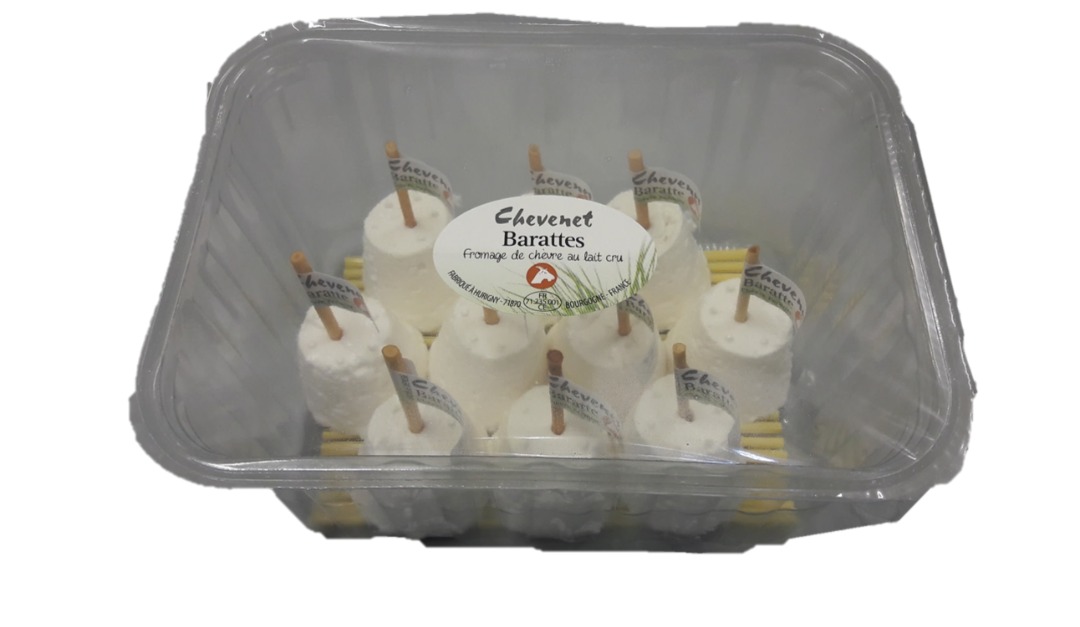
| GTIN | Batch | Date |
|---|---|---|
| 3503961017027 | 052 | Date of minimum durability 03/21/2023 |
| 3503961017027 | 052 | Date of minimum durability 03/28/2023 |
Posted in food contamination, food handler, Food Hazard, Food Hygiene, Food Inspections, Food Micro Blog, Food Microbiology, Food Microbiology Blog, Food Microbiology Testing, Food Pathogen, Food Poisoning, Food Quality, food recall, Food Safety, Food Safety Alert, Food Safety Management, Food Safety Regulations, Food Testing, Food Toxin, Raw Milk, raw milk cheese, STEC, STEC E.coli
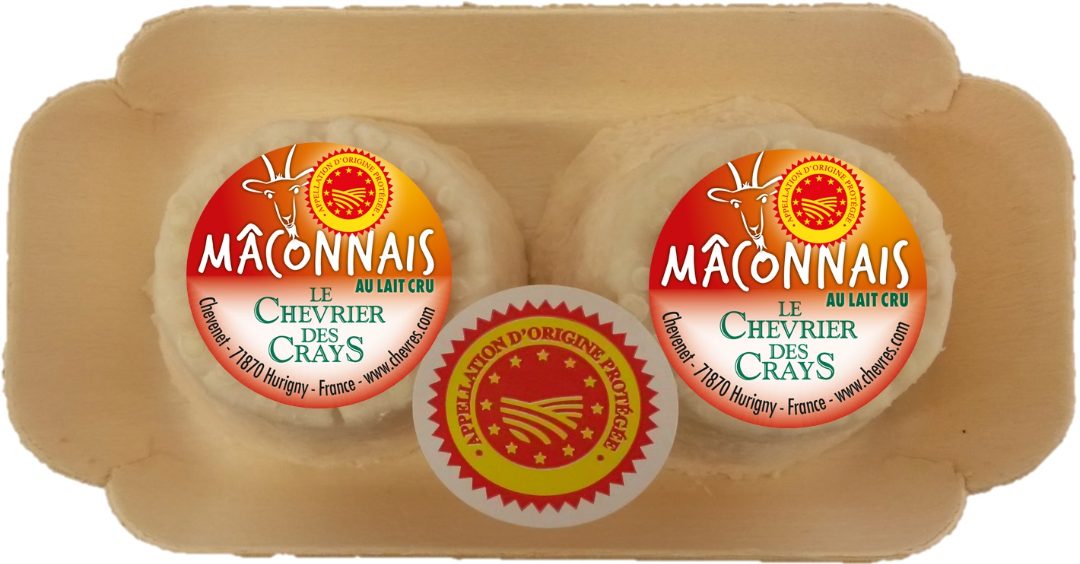
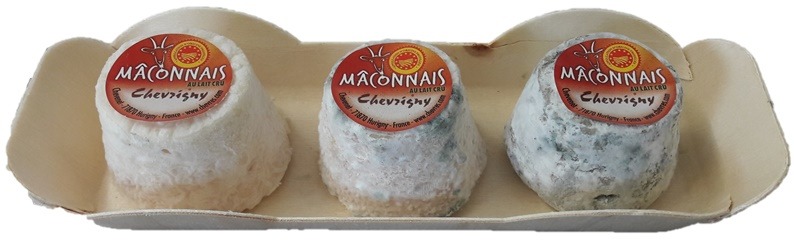
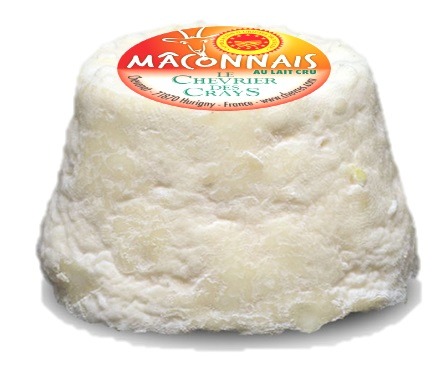
| GTIN | Batch | Date |
|---|---|---|
| 3503962313005 | 061 | Date of minimum durability 04/17/2023 |
| 3503960021506 | 062 | Date of minimum durability 04/24/2023 |
| 3503961324156 | 067 | Date of minimum durability 04/24/2023 |
| 3503962316082 | 062 | Date of minimum durability 04/17/2023 |
| 3503962322427 | 061 | Date of minimum durability 04/17/2023 |
| 3503963156007 | 061 | Date of minimum durability 04/17/2023 |
Posted in food contamination, food handler, Food Hazard, Food Hygiene, Food Inspections, Food Micro Blog, Food Microbiology, Food Microbiology Blog, Food Microbiology Testing, Food Pathogen, Food Poisoning, Food Quality, food recall, Food Safety, Food Safety Alert, Food Safety Management, Food Safety Regulations, Food Testing, Food Toxin, Raw Milk, raw milk cheese, STEC, STEC E.coli

| GTIN | Batch | Date |
|---|---|---|
| 3503962014100 | 067 | Date of minimum durability 04/24/2023 |
| 3503962014209 | 066 | Date of minimum durability 04/24/2023 |
| 3503963014109 | 082 | Date of minimum durability 08/05/2023 |
Posted in food contamination, food handler, Food Hazard, Food Hygiene, Food Inspections, Food Micro Blog, Food Microbiology, Food Microbiology Blog, Food Microbiology Testing, Food Pathogen, Food Poisoning, Food Quality, food recall, Food Safety, Food Safety Alert, Food Safety Management, Food Safety Regulations, Food Testing, Food Toxin, Raw Milk, raw milk cheese, Raw Milk Cream, STEC, STEC E.coli

| GTIN | Batch | Date |
|---|---|---|
| 3503963014208 | 087 | Date of minimum durability 05/15/2023 |
| 3503965270008 | 065 | Date of minimum durability 04/24/2023 |
Posted in food contamination, food handler, Food Hazard, Food Hygiene, Food Inspections, Food Micro Blog, Food Microbiology, Food Microbiology Blog, Food Microbiology Testing, Food Pathogen, Food Poisoning, Food Quality, food recall, Food Safety, Food Safety Alert, Food Safety Management, Food Safety Regulations, Food Testing, Food Toxin, Raw Milk, raw milk cheese, STEC, STEC E.coli
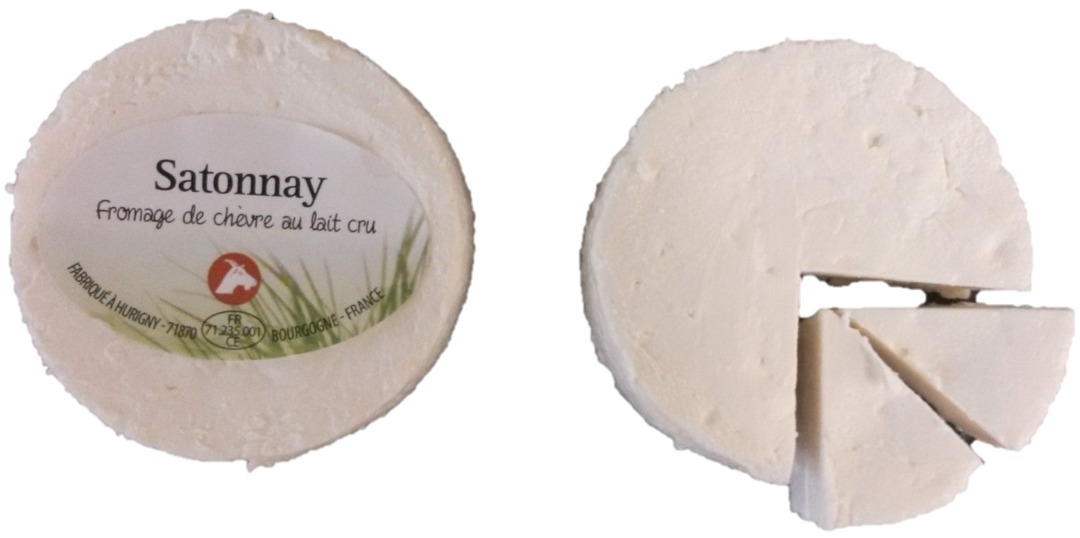
| GTIN | Batch | Date |
|---|---|---|
| 3503961912100 | 051 | Date of minimum durability 03/21/2023 |
| 3503965468009 | 052 | Date of minimum durability 03/21/2023 |
| 3503961615063 | 052 | Date of minimum durability 03/21/2023 |
Posted in food contamination, food handler, Food Hazard, Food Hygiene, Food Inspections, Food Micro Blog, Food Microbiology, Food Microbiology Blog, Food Microbiology Testing, Food Pathogen, Food Poisoning, Food Quality, food recall, Food Safety, Food Safety Alert, Food Safety Management, Food Safety Regulations, Food Testing, Food Toxin, Raw Milk, raw milk cheese, STEC, STEC E.coli
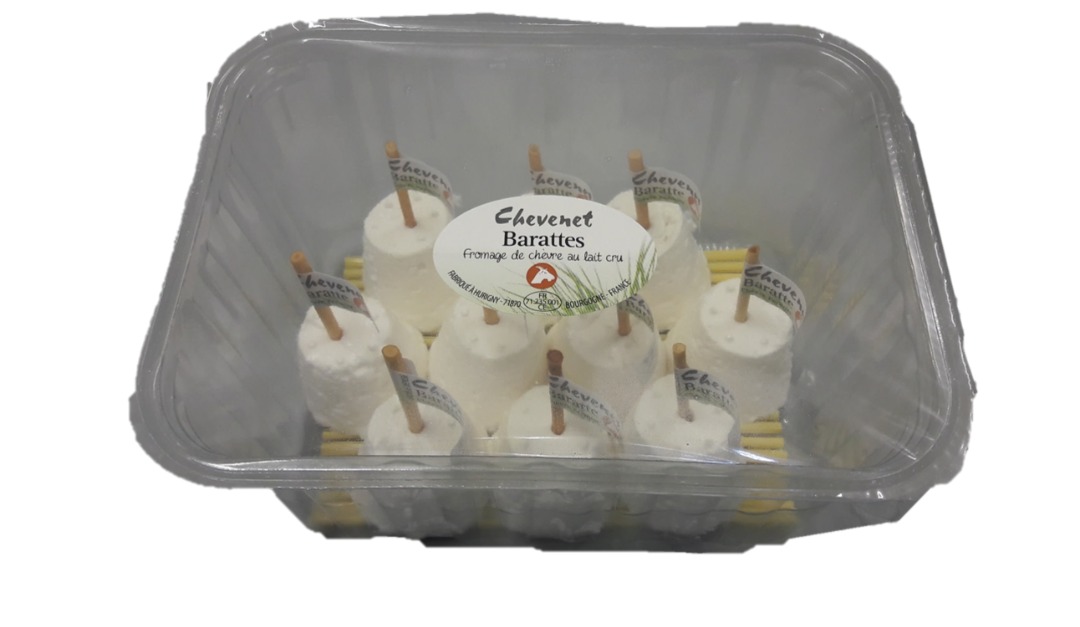
| GTIN | Batch | Date |
|---|---|---|
| 3503960012207 | 062 | Use-by date 04/04/2023 |
Posted in food contamination, food handler, Food Hazard, Food Hygiene, Food Inspections, Food Micro Blog, Food Microbiology, Food Microbiology Blog, Food Microbiology Testing, Food Pathogen, Food Poisoning, Food Quality, food recall, Food Safety, Food Safety Alert, Food Safety Management, Food Safety Regulations, Food Testing, Food Toxin, Raw Milk, raw milk cheese, STEC, STEC E.coli

 FoodWorld