Category Archives: product recall

France – Recalls from Last Week – Histamine

Gov France

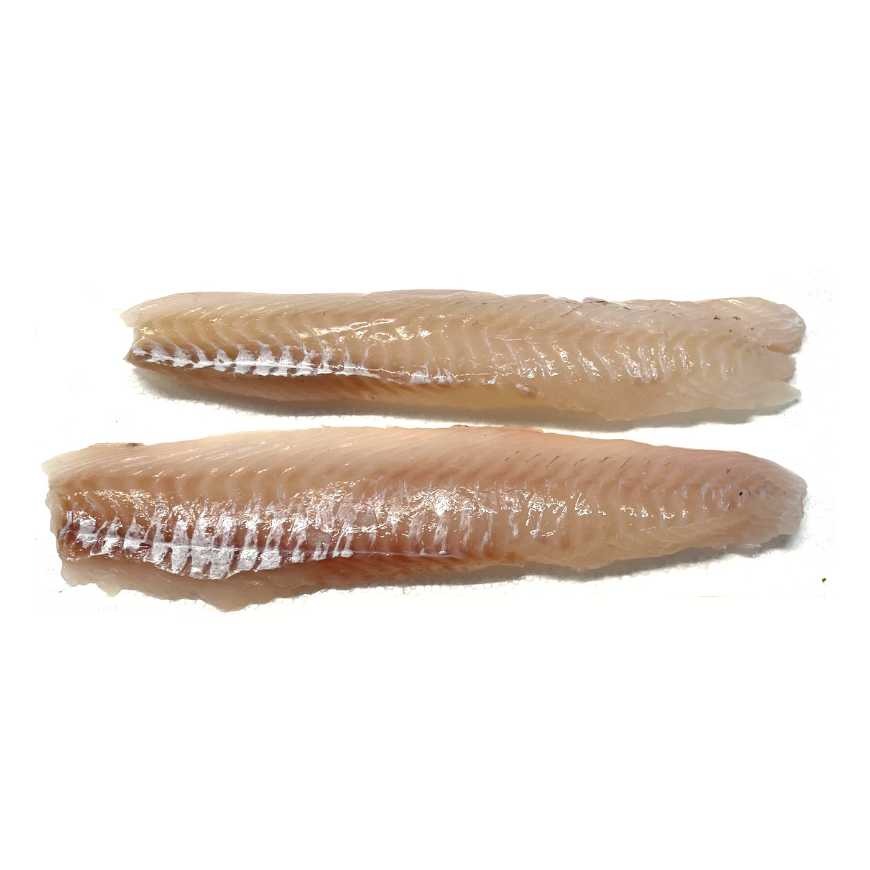
Haddock Back 120g+

Gov France

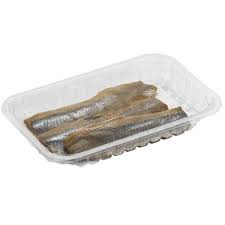
sardine fillet sardina pilchardus

France – Recalls from Last Week – Salmonella

Gov France

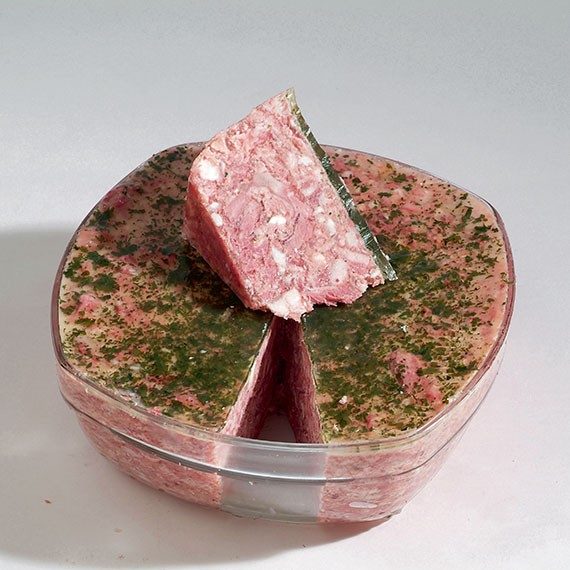
Parsley Head

Gov France

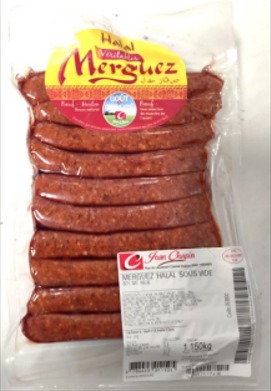
MERGEZ HALAL

Gov France

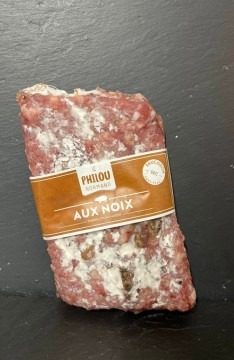
nature/ hazelnut/walnuts/ Porcini mushrooms/ Camembert / Goat cheese/ zizisson/ neufchâtel/ livarot / shallot red wine / tartiflette

Gov France

Tomato Stuffing

Gov France

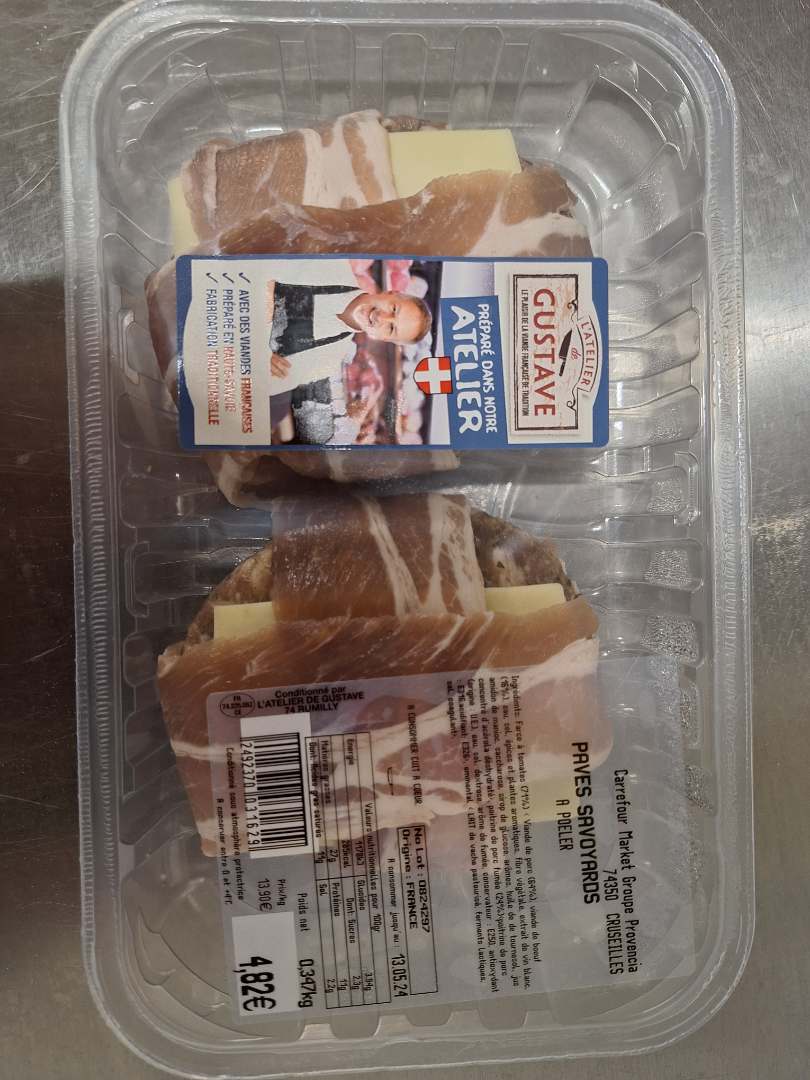
Savoyard Pavé

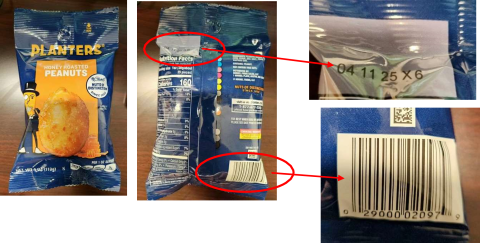
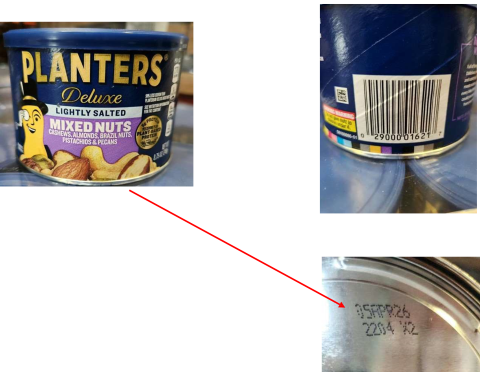
USA – Hormel Foods Sales, LLC Recalls a Limited Number of Planters® Honey Roasted Peanuts 4 Oz. and Planters® Deluxe Lightly Salted Mixed Nuts 8.75 Oz. Because of Possible Health Risk

FDA

PLANTERS® Honey Roasted Peanuts

PLANTERS® Deluxe Lightly Salted Mixed Nuts

AUSTIN, Minn. (May 3, 2024) – Hormel Foods Sales, LLC is voluntarily recalling a limited number of two PLANTERS® products that were produced at one of its facilities in April. This recall only impacts two retailers in five states. These products are being recalled because they have the potential to be contaminated with Listeria monocytogenes.

Canada – Juewei brand and Kingwuu brand meat products recalled due to Listeria monocytogenes

CFIA

Product
Meat products
Issue
Food – Microbial Contamination – Listeria
What to do

Do not consume, use, sell, serve, or distribute recalled products

New Zealand – New reports highlight food recall system at work

MPI

A new report by New Zealand Food Safety identifies Salmonella in imported sesame seed-based products as the most significant food safety event of 2023, resulting in 14 recalls affecting 65 food products.

The ‘Consumer-level food recalls annual report for 2023’, one of 2 recall reports published by New Zealand Food Safety today, says the recalls were initiated after Salmonella was detected during routine testing by a New Zealand business making products containing tahini.

Consumer-level food recalls annual report for 2023 [PDF, 3.2 MB]

“A complex investigation by our Food Compliance Services team – involving product testing and tracing of ingredients through the domestic market – found the contamination was from tahini imported from a Turkish manufacturer,” says New Zealand Food Safety deputy director-general Vincent Arbuckle.

“The team dug deeper and subsequent online surveillance and scanning of international food safety issues also identified concerns with products from a manufacturer in Jordan.

“By the time all the sesame seed-based products were tracked down and removed from sale, we had supported 14 recalls affecting 65 products. And, most importantly, we had no confirmed reports of related illness.”

The annual reports are a new initiative by New Zealand Food Safety to share information on consumer-level recalls with the public.

“Our priority is to protect consumers, and these reports help identify trends and find ways to prevent food safety incidents,” says Mr Arbuckle.

“New Zealand’s food safety system has a strong track record of keeping people safe and – given the volumes of food being produced, manufactured and imported – incidences of related illness remain rare.

“However, there are occasions when food safety issues occur, and that’s when we work quickly with food businesses to recall the affected product, removing it from the food supply chain and promoting public awareness.”

The 2023 report shows New Zealand Food Safety supported food businesses to conduct 70 consumer-level food recalls.

“It’s important to note that the number of recalls is not an accurate indicator of the level of risk to consumers. Numbers are dependent on many factors, including regulatory changes, business and public awareness of food-related problems, and reporting of those problems,” says Mr Arbuckle.

Of the 70 recalls, 48 were initiated for domestically produced foods and 22 were for imported foods.

“Another food safety event to highlight from 2023 was the possible presence of Listeria and Campylobacter in raw milk, which led to 3 recalls.

“Drinking raw milk carries inherent risks as it may contain harmful bacteria that would normally be killed through the pasteurisation process.

“In this case, there were fortunately no associated reports of Listeriosis, which can be very serious for vulnerable people like the very young, pregnant, older and those with low immunity. But we were notified of 3 related cases of Campylobacter, which causes vomiting, diarrhoea, abdominal pain, fever, headache, and body aches.”

Allergens in food were the leading cause for recalls in 2023, with milk being the allergen that triggered the most recalls.

“Food recalls are a sign that our food safety system is working to protect consumers,” says Mr Arbuckle. “You can help keep yourself and your family safe by subscribing to our recall alerts from the New Zealand Food Safety food recall page.”

Recalled food products list

By the numbers:

  • 70 consumer-level recalls in 2023
  • 48 recalls for domestically produced foods
  • 22 recalls for imported foods
  • 26 recalls for allergens (the leading cause for recalls)
  • 12 recalls for milk (the allergen triggering the most recalls)
  • 23 recalls due to microbiological contamination
  • 14 recalls due to physical contamination.

France – Recalls down but still more than 2,000 in France for 2023

Food Safety News

More than 2,000 consumer product recalls were issued in France in 2023, according to official figures.

Data from RappelConso shows 2,023 recalls in 2023 compared to 2,441 in 2022.

The category with the most recalls – 601 – was meats, followed by 371 milk and dairy product recalls and 189 fishery product recalls.

Europe – Prolonged multi-country outbreak of Listeria monocytogenes ST1607 linked to smoked salmon products

EFSA

Abstract
A prolonged genomic cluster of 20 human Listeria monocytogenes ST1607 infections has been reported to the European Centre for Disease Prevention and Control, with cases identified in Denmark (17), Germany (1), and Italy (2) since 2019. The number of cases has sharply increased after 2021. The most recent case was reported in March 2024 in Denmark, indicating an ongoing risk of further infections. Of 20 listeriosis cases, five have died (one due to another cause than L. monocytogenes infection), indicating high severity of infection
particularly among elderly people with underlying chronic conditions.
The national investigations the traceability and genomic data analyses revealed the detection of five matching L. monocytogenes ST1607 isolates from four sliced smoked salmon products (four batches) produced by the Danish Processing Plant A between 2021 and 2024. These contaminated products were distributed to the three countries (Denmark, Germany, and Italy) reporting human cases to ECDC. The identification of the outbreak
strain from the environment of the Danish Processing Plant A in 2023 and in the products since 2021 indicates the persistence of the L. monocytogenes ST1607 within the plant and suggests that the point(s) of the contamination in the plant have not been identified and controlled. Although control measures had been implemented at the plant and withdrawals and recalls of contaminated batches were performed, new batches of contaminated products could still be placed on the market until the site(s) at the plant and the root(s) of the contamination in the fish production chain are identified and properly controlled.
Based on the available information from case interviews, microbiological and traceability analysis, the conclusion is that sliced smoked salmon products are the likely sources of infection. New cases could occur in EU/EEA countries, particularly among vulnerable people, until the root(s) of contaminations are identified and corrective measures are implemented.

Canada – Notice not to consume vegetable soup and mushroom and sesame soup from the Taouk brand sold by the company Boucherie Les Saules inc. – Clostridium botulinum

Quebec

QUEBEC CITY , April 24, 2024 /CNW/ – The Ministry of Agriculture, Fisheries and Food (MAPAQ), in collaboration with the company Boucherie Les Saules inc., located at 2070, boulevard Masson, in Quebec, advises the population not to consume the products indicated in the table below, because they have not been preserved to ensure their safety. In fact, the retailer did not follow the instructions regarding the method of storing the products; these products could encourage the proliferation of the bacteria Clostridium botulinum .

Product name

Format

Target lot

“Mushrooms & sesame”

750ml 

Units sold until April 23, 2024

” Vegetables “

The products which are the subject of this warning were offered for sale until April 23, 2024, and only at the establishment designated above. The products were packaged in a glass jar with a black metal lid. The products were sold at room temperature.

The operator is recalling the products in question. He agreed with MAPAQ to broadcast this warning as a precautionary measure. Additionally, people who have one of these products in their possession are advised not to consume it. They must return it to the establishment where they purchased it or throw it away.

Even if the affected products do not show signs of spoilage or suspicious odor, they could be contaminated with the bacteria  Clostridium botulinum . Foods contaminated with the toxin of this bacteria can cause, when ingested, the following symptoms: facial paralysis, unresponsive or fixed pupils, difficulty swallowing, drooping eyelids, vision and speech problems. In severe cases, the disease can cause death.

It should be noted that no cases of illness associated with the consumption of these foods have been reported to MAPAQ to date.

New Zealand – South Island shellfish biotoxin warnings – PSP

MPI

MARLBOROUGH

Toggle expandable

Reason for alert Paralytic Shellfish Poisoning (PSP)

Date warning issued Media release: 24 April 2024
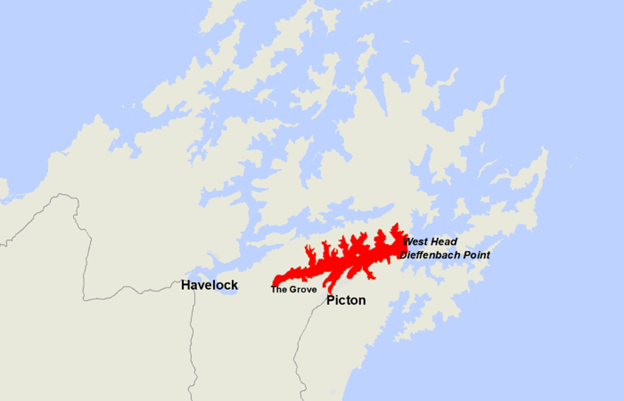
Affected area Inner Queen Charlotte Sound – Anakiwa to West Head and Dieffenbach Point.
Shellfish affected Affected shellfish include bivalve shellfish such as mussels, oysters, tuatua, pipi, toheroa, cockles and scallops, as well as pūpū (cat’s eyes), Cook’s turban, and kina (sea urchin).

Note, cooking shellfish does not remove the toxin.

Pāua, crab, and crayfish may still be eaten if the gut has been completely removed prior to cooking, as toxins accumulate in the gut. If the gut is not removed its contents could contaminate the meat during the cooking process. Finfish are not affected by this warning.

Symptoms Symptoms typically appear between 10 minutes and 3 hours after ingestion and may include:

  • numbness and a tingling (prickly feeling) around the mouth, face, and extremities (hands and feet)
  • difficulty swallowing or breathing
  • dizziness
  • headache
  • nausea
  • vomiting
  • diarrhoea
  • paralysis and respiratory failure and in severe cases, death.
Other information Paralytic shellfish toxins have been detected in shellfish at levels three times over the safe limit of 0.8mg/kg set by New Zealand Food Safety. Ongoing testing will continue and any changes will be communicated accordingly.

Map of affected area

Map showing the area covered by the lobster biotoxin alert, from the inner Queen Charlotte Sound, as well as near Collingwood in Golden Bay.

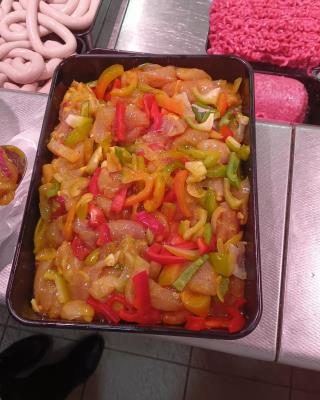
Czech Republic – Chicken China Curry – Salmonella

Potravinynapranyri

Illustrative photo #1

Place of inspection:
Jaroměř ( Na Kameni 23, Pražské Předměstí, 55101 Jaroměř )
ID: 07387156
Food group: Meat and meat products Semi-finished meat

Chicken China Curry
Category: Dangerous foods
Invalid parameter:

Salmonella Infantis

The pathogenic bacterium Salmonella Infantis was detected in the semi-finished meat . This bacteria can cause a disease called salmonellosis.

Expiration date: 1/25/2024
Manufacturer: ZEMAN meat – sausages
Country of origin:  Czechia
Date of sample collection: 24/01/2024
Reference number: 24-000002-SVS-CZ
The sample was detected by the official control of the State Veterinary Administration.