Norovirus in oysters from France in Belgium
Norovirus in oysters from France in Denmark
Norovirus in oyster from France in Italy

Norovirus in oysters from France in Belgium
Norovirus in oysters from France in Denmark
Norovirus in oyster from France in Italy
Posted in food contamination, food handler, Food Hazard, Food Hygiene, Food Inspections, Food Micro Blog, Food Microbiology, Food Microbiology Blog, Food Microbiology Testing, Food Pathogen, food recall, Food Safety, Food Safety Alert, Food Safety Management, Food Safety Regulations, Food Testing, Food Virus, Norovirus, Norovirus Oysters, RASFF

National surveillance data shows laboratory reports of the virus are 66% higher than the average at this time of year. The biggest increase in laboratory confirmed norovirus has been seen in the group of those aged 65 years and over. While high numbers of cases in this age group is expected at this time of year, these levels haven’t been seen in over a decade.
In response to the increase in cases, UKHSA is reminding the public of the actions that they can take to reduce the spread of norovirus.
Norovirus is highly infectious and is easily spread through contact with someone with the infection or with contaminated surfaces. One of the best ways to prevent the spread of norovirus is by practising good hand hygiene. Most people will make a full recovery within 2 to 3 days but it is important to drink plenty of fluids to prevent dehydration, especially for the very young, elderly or those with weakened immune systems who are more at risk.
The number of outbreaks caused by norovirus have increased in hospitals, schools and care homes, with the majority of outbreaks reported in care home settings.
Dr Lesley Larkin, Surveillance Lead, Gastrointestinal Infections and Food Safety (One Health) Division at UKHSA, said:
Norovirus levels are currently the highest we have seen at this time of year in over a decade. Most reported cases are in the over 65s and we’re also seeing a rise in reported outbreaks, particularly in care home settings.
Please stay at home if you are experiencing norovirus symptoms and do not return to work (particularly if you work with vulnerable people or food) or send sick children to school or nursery until 48 hours after symptoms have cleared. If you have a loved one in a care home or hospital, please avoid visiting until 48 hours after symptoms have cleared.
Regular hand washing is really important to help stop the spread of this bug, but remember, alcohol gels do not kill off norovirus so soap and warm water is best.
NHS Medical Director, Professor Sir Stephen Powis, said:
The number of people in hospitals with norovirus has risen significantly in line with what we are seeing in the community and in care homes – it is a really unpleasant illness to catch, but for the vast majority of people it will usually pass in a couple of days, and self-treating at home is the best way to help yourself and avoid putting others at risk.
Posted in Contaminated water, Decontamination Microbial, Food Micro Blog, Food Microbiology Blog, Food Virus, gastroenteritis, microbial contamination, Microbial growth, Microbiological Risk Assessment, Microbiology, Microbiology Investigations, Microbiology Risk, Norovirus, Water, water microbiology, Water Safety

At least 115 students and staff at St. Michael the Archangel Catholic School in Livonia have been sickened by a suspected norovirus outbreak that has shut down the school.
“The first couple of kids were sick Monday. And then on Tuesday, we had in one class … about 10 or 12 kids who started throwing up over the course of four hours,” Kathy Nold, a co-principal at the K-8 school, told the Free Press on Friday.
The students’ parents were notified and picked up the sick children immediately, she said, and school leaders began discussing next steps.
“We closed school the following day and spoke to the Wayne County Health Department,” Nold said. The school will remain closed until Tuesday.
Presence of viral genome (NOROVIRUS GENOGRUPS I – II) in CONCAVE OYSTER (Crassostrea gigas) from SPAIN in Ital
Norovirus in oysters from The Netherlands in Belgium
Presence of Norovirus GII in lettuce produced in Italy with raw material from Spain in Italy
Norovirus (GI and GII /2g) in live oysters (Crassostrea gigas) from France in Italy
Posted in food contamination, Food Hygiene, Food Inspections, Food Micro Blog, Food Microbiology, Food Microbiology Blog, Food Microbiology Testing, Food Pathogen, food recall, Food Safety, Food Safety Alert, Food Safety Management, Food Safety Regulations, Food Testing, Food Virus, Norovirus, Norovirus Oysters, RASFF, Virus
Posted in Decontamination Microbial, Food Micro Blog, Food Microbiology, Food Microbiology Blog, Food Microbiology Research, Food Microbiology Testing, Food Virus, Hepatitis A, Hepatitis E, microbial contamination, Microbial growth, Microbiological Risk Assessment, Microbiology, Microbiology Investigations, Microbiology Risk, Norovirus, Virus

The Centre for Food Safety (CFS) of the Food and Environmental Hygiene Department today (January 31) instructed the trade to suspend the import of raw oysters produced by Earl Huitres Geay FR 17.452.121 CE in France. The trade should also stop using or selling the product concerned immediately should they possess it.
A spokesman for the CFS said, “The CFS was notified by the Centre for Health Protection of the Department of Health of three food poisoning cases which involved consumption of raw oysters at one restaurant in Quarry Bay and two restaurants in Tsim Sha Tsui. The CFS conducted investigations at the restaurants concerned and found that the three restaurants had sold raw oysters which had been produced by Earl Huitres Geay FR 17.452.121 CE in France. For the sake of prudence, the CFS has immediately instructed the trade to suspend the import into and sale within Hong Kong of all raw oysters produced by Earl Huitres Geay FR 17.452.121 CE in France.”
The CFS has also instructed the supplier and restaurants concerned to stop supplying and selling the affected raw oysters immediately, and is tracing the distribution of the affected product. The trade should also stop using or selling the product concerned immediately should they possess it.
Posted in CFS, food contamination, food handler, Food Hazard, Food Hygiene, Food Inspections, Food Micro Blog, Food Microbiology, Food Microbiology Blog, Food Microbiology Testing, Food Pathogen, food recall, Food Safety, Food Safety Alert, Food Safety Management, Food Safety Regulations, Food Testing, Norovirus, Norovirus Oysters
Contaminated oysters (NOVOVIRUS) from France in Italy
Posted in food contamination, food handler, Food Hazard, Food Hygiene, Food Inspections, Food Micro Blog, Food Microbiology, Food Microbiology Blog, Food Microbiology Testing, Food Pathogen, food recall, Food Safety, Food Safety Alert, Food Safety Management, Food Safety Regulations, Food Testing, Food Virus, Norovirus, Norovirus Oysters, RASFF
The Kerala Health Department on Monday (January 24) confirmed two cases of the gastrointestinal infection norovirus in class 1 students in Ernakulam district. The two samples were tested after 62 persons — students and their parents — developed symptoms such as diarrhoea, abdominal pain, vomiting, nausea, a high temperature, headache, and body aches.
The school authorities said that they have the results of drinking water testing for the last four months. The virus infected the children of the E division of the first class. Immediately upon noticing the incident, the health department informed the authorities and once again sent the water for testing. Officials said that the school is completely closed and online classes are being offered.
Posted in Contaminated water, Food Micro Blog, Food Microbiology, Food Microbiology Blog, Food Microbiology Research, Food Microbiology Testing, Food Virus, microbial contamination, Microbial growth, Microbiological Risk Assessment, Microbiology, Microbiology Investigations, Microbiology Risk, Norovirus, Virus, Water, water microbiology, Water Safety
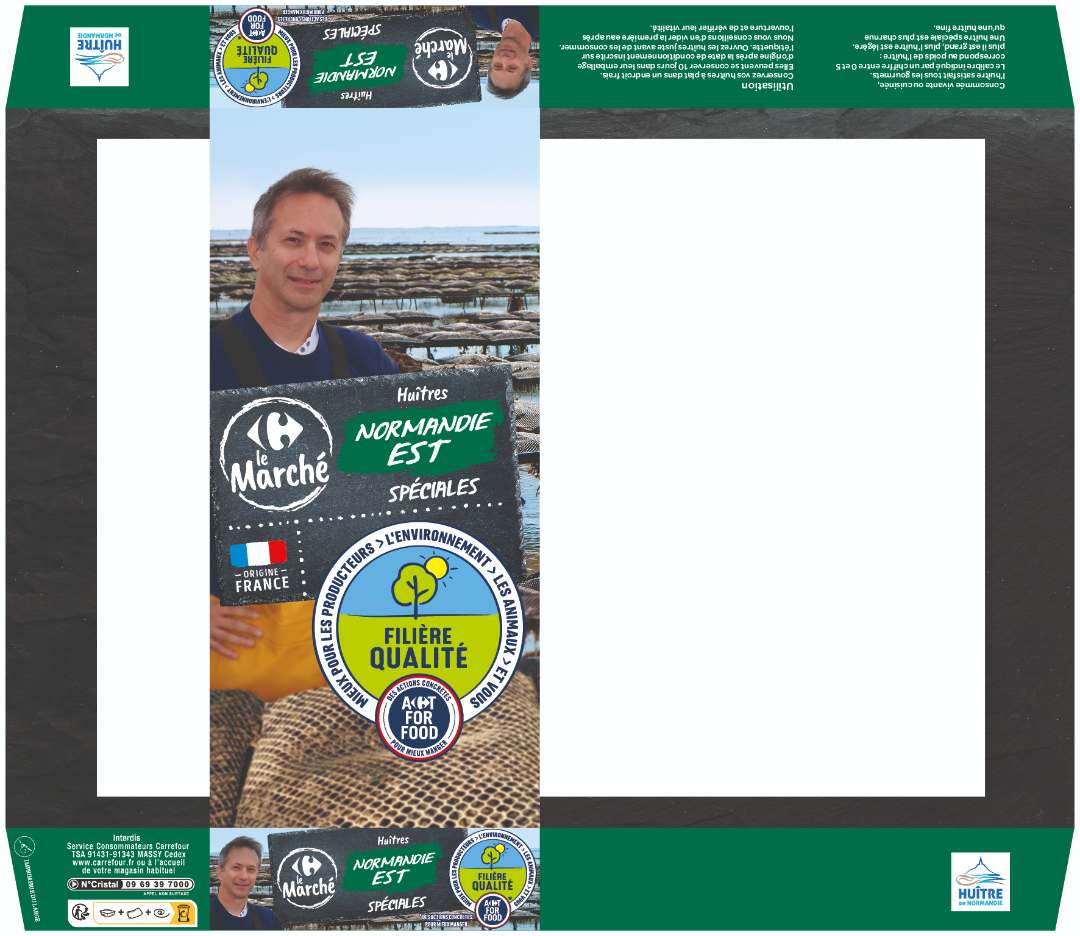
| GTIN | Batch | |
|---|---|---|
| 3000046136821 | batches packaged between 06/01/23 and 16/01/23 | |
| 3276559776285 | batches packaged between 06/01/23 and 16/01/23 | |
Posted in food contamination, food handler, Food Hazard, Food Hygiene, Food Inspections, Food Micro Blog, Food Microbiology, Food Microbiology Blog, Food Microbiology Testing, Food Pathogen, food recall, Food Safety, Food Safety Alert, Food Safety Management, Food Safety Regulations, Food Testing, Norovirus, Norovirus Oysters
In June 2019 the Health Protection Team in Yorkshire and Humber, England, was notified of cases of hepatitis A virus (HAV) infection in staff at a secondary school. Investigation revealed that an earlier case worked as a food handler in the school kitchen. Indirect transmission through food from the canteen was considered the most likely route of transmission. Cases were described according to setting of exposure. Oral fluid was obtained from students for serological testing. Environmental investigations were undertaken at settings where food handling was considered a potential transmission risk. Thirty-three confirmed cases were linked to the outbreak. All of those tested (n = 31) shared the same sequence with a HAV IB genotype. The first three cases were a household cluster and included the index case for the school. A further 19 cases (16 students, 3 staff) were associated with the school and consistent with indirect exposure to the food handler. One late onset case could not be ruled out as a secondary case within the school and resulted in vaccination of the school population. Five cases were linked to a bakery where a case from the initial household cluster worked as a food server. No concerns about hygiene standards were noted at either the school or the bakery. Oral fluid samples taken at the time of vaccination from asymptomatic students (n = 219, 11–16 years-old) showed no evidence of recent or current infection. This outbreak included household and foodborne transmission but limited (and possibly zero) person-to-person transmission among secondary school students. Where adequate hygiene exists, secondary transmission within older students may not occur.
Posted in Decontamination Microbial, food bourne outbreak, food handler, Food Micro Blog, Food Microbiology, Food Microbiology Blog, Food Microbiology Research, Food Microbiology Testing, foodborne outbreak, foodbourne outbreak, Hand Washing, microbial contamination, Microbial growth, Microbiological Risk Assessment, Microbiology, Microbiology Investigations, Microbiology Risk, Norovirus, outbreak

 FoodWorld