Category Archives: MPI

New Zealand – Recall of peanut products due to aflatoxin above acceptable levels

MPI

New Zealand Food Safety (NZFS) is supporting Prolife Foods in its recall of specific batches of various Value Pack and Refill Pack products containing peanuts.

“The concern with these products is that they contain levels of aflatoxins above the allowable level in New Zealand,” says NZFS deputy director-general Vincent Arbuckle.

The products affected by this recall are:

  • Value Pack (VP) Nuts and Raisins (400g) with a Best Before: 29 SEP 2024
  • Value Pack (VP) Roasted Salted Peanuts (400g) with a Best Before: 08 OCT 2024 and 15 OCT 2024
  • Value Pack (VP) Roasted Salted Peanuts (750g) with a Best Before 08 OCT 2024
  • Refill Pack brand Roasted Nut Mix (850g) with a Best Before: 05 OCT 2024
  • Refill Pack brand Raw Nut Mix (850g) with a Best Before: 05 OCT 2024

“If you have bought any of these products, don’t consume them and return them to the place of purchase for a refund.

“Aflatoxins are naturally occurring in many food products and are produced by a group of moulds that grow on foods produced in hot and tropical climates.

“Levels of aflatoxin in the New Zealand diet are usually very low and don’t represent a health risk, however, consumption of food products with increased levels of aflatoxin over an extended period of time can be harmful.”

The affected products are sold at selected supermarkets throughout New Zealand.

Visit New Zealand Food Safety’s recall page for more information about batch details and photographs of the affected product.

“The recalled products are imported and, although they have undergone the necessary testing, they were released by the importer in error without confirming the results,” says Mr Arbuckle.

The products have been removed from stores. The affected products are not available overseas.

“As is our usual practice, NZFS will work with Prolife Foods to understand how the products were released and to prevent it happening again,” Mr Arbuckle said.

New Zealand Food Safety has not received any notifications of associated illness.

If you have consumed any of this product and are concerned for your health, contact your health professional, or call Healthline on 0800 61 11 16 for free advice.
New Zealand – Matakana Smokehouse NZ brand Citrus Gravlax and Kaffir Gravlax – Listeria monocytogenes

MPI

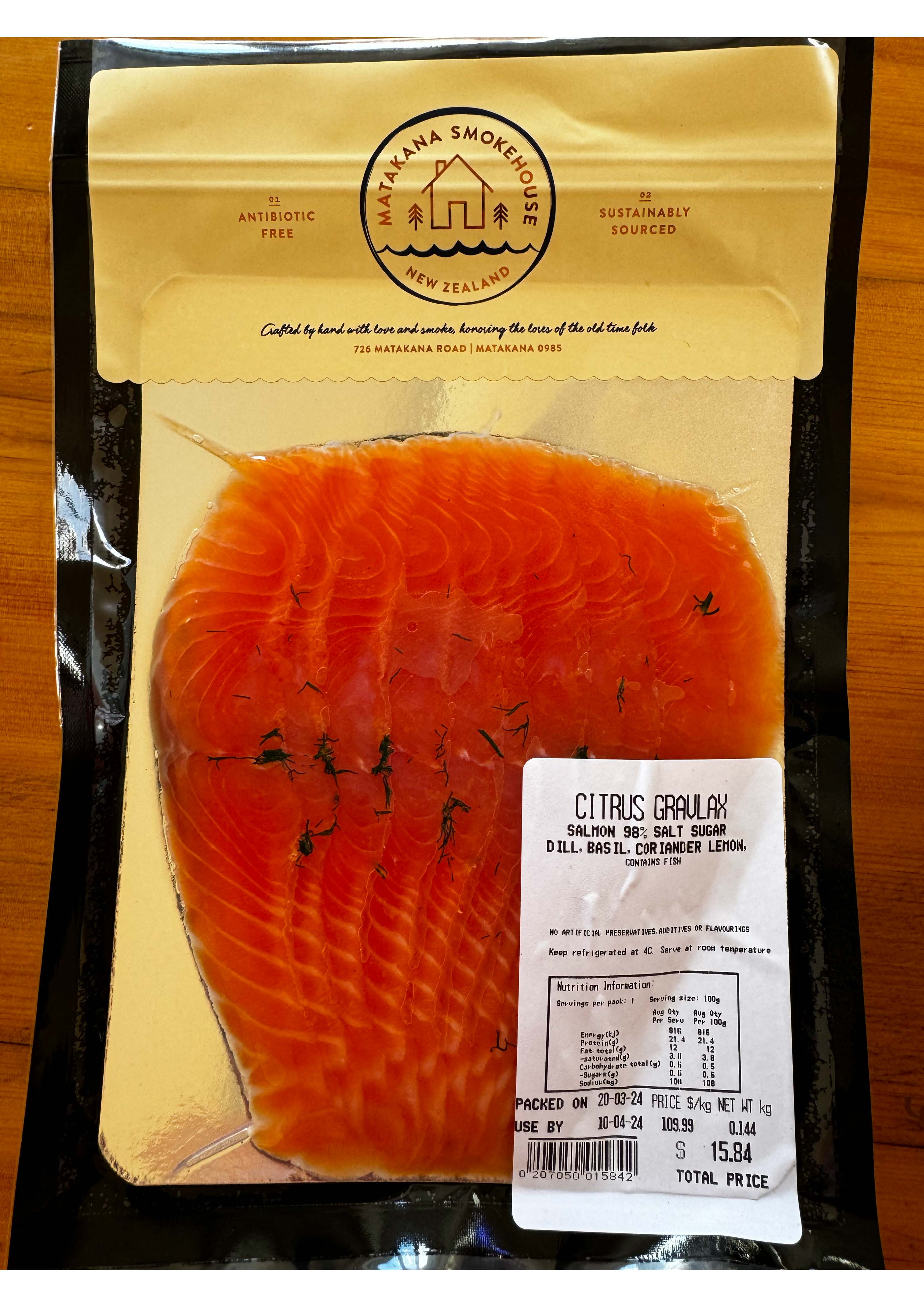
29 March 2024: Matakana Smokehouse NZ Ltd is recalling a specific batch of its Matakana Smokehouse NZ brand Citrus Gravlax and Kaffir Gravlax due to the possible presence of Listeria monocytogenes.

Cau Tre Rice Paper Seafood Spring Roll 480g

Product type Fish products
Name of product (size) Matakana Smokehouse NZ brand Citrus Gravlax (all sizes)

Matakana Smokehouse NZ brand Kaffir Gravlax (all sizes)

Batch marking Packed on 20-03-24
Date marking Use By 10-04-24
Package size and description The products are sold in vacuum packed packages ranging from 150g – 200g.
Distribution The products are sold at the following stores:

  • Stock Deli – Shop 7/11 Marina Road, Tutukaka 0173
  • Omaha Superette – 4/1 Matariki Street Omaha, Auckland
  • IE Produce – 1 Barrys Point Road, Takapuna, Auckland 0622

The products have not been exported.

Notes This recall does not affect any other Matakana Smokehouse NZ products.

Point of sale notice for retailers

If you are a retailer of the products in this recall, download a copy of the point of sale notice. You need to display it in your store for one month.

Point of sale notice – Matakana Smokehouse NZ [PDF, 937KB]

Consumer advice

Customers are asked to check the batch and date mark on the product.

Affected products should not be consumed.  There have been no reports of associated illness, however if you have consumed any of these products/this product and have any concerns about your health/about illness, seek medical advice.

Customers should return the products to their retailer for a full refund.

More information on Listeria

Who to contact

If you have questions, contact Matakana Smokehouse NZ

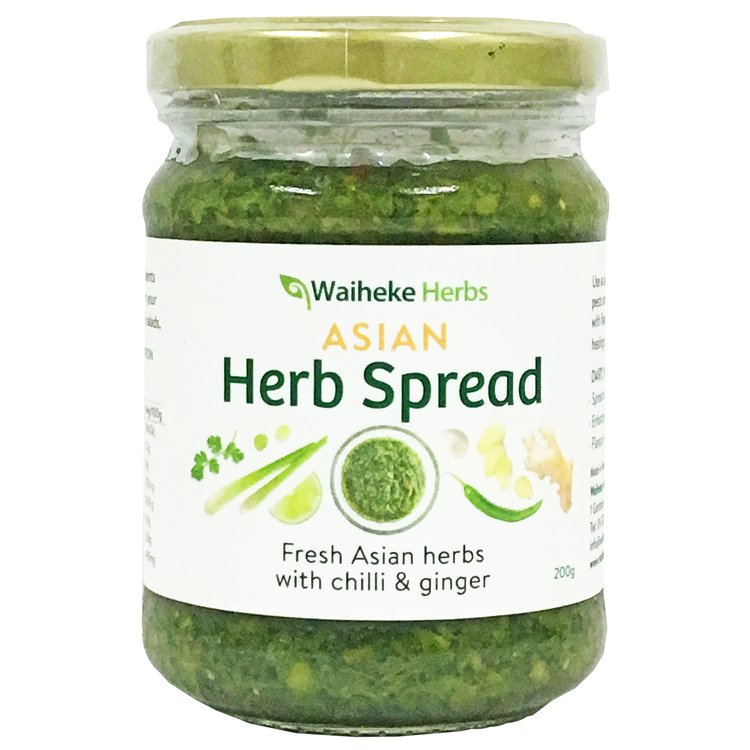
New Zealand – Waiheke Herbs brand Asian Herb Spread, Fresh Asian herbs with chilli & ginger – Possible Microbial Contamination

MPI

12 March 2024: Waiheke Herbs Ltd is recalling a specific batch of its Waiheke Herbs brand Asian Herb Spread, Fresh Asian herbs with chilli & ginger as usual food safety steps have not been followed which may lead to an increase in bacteria.

New Zealand- Cheeses recalled due to possible presence of E. coli

MPI

New Zealand Food Safety is supporting Waimata Cheese Company Limited in its recall of a specific batch of its Camembert and Brie Cheeses due to the possible presence of E. coli.

The following products with batch number 8367 and a best before date of 28/02/24 are affected by this recall:

  • Waimata Cheese brand Camembert
  • Longbush Camembert
  • Longbush Brie.

Up-to-date details of products affected by the recall, including photographs, are available on our food recall page.

“The concern with these cheeses is that there may be E. coli bacteria present,” says New Zealand Food Safety’s acting deputy director general Jenny Bishop.

“Symptoms of sickness caused by E. coli include stomach cramps and diarrhoea. Some people feel sick and vomit.

“Most people get better within 5 to 7 days, but the effects can be serious for people with weakened immune systems, including the very young, frail older people, people with weakened immune systems and pregnant people.

E. coli can travel easily and fast from person to person if infected people do not wash their hands properly.

“If you have consumed any of this product and are concerned for your health, contact your health professional, or call Healthline on 0800 61 11 16.

“Affected product should not be eaten. It can be returned to the place of purchase for a refund. Should you be unable to do this, throw it out.”

The recalled products are being removed from shelves at stores nationwide.

E. coli was discovered as a result of routine testing. New Zealand Food Safety has not received any notification of associated illness.

“As is our usual practice, New Zealand Food Safety will be working with Waimata Cheese Company Limited to understand how the contamination occurred and prevent its recurrence,” Ms Bishop said.

For further information and general enquiries, call Ministry for Primary Industries (MPI) on 0800 00 83 33 or email info@mpi.govt.nz

For media enquiries, contact the media team on 029 894 0328.

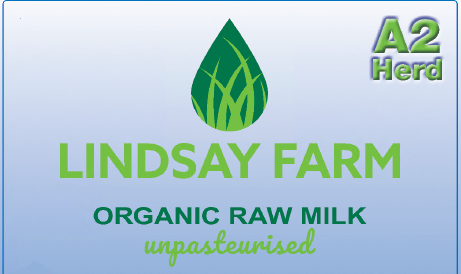
New Zealand – Lindsay Farm HB Ltd is recalling specific batches of its Lindsay Farm brand Organic Raw Milk (unpasteurised) as the product may contain Campylobacter.

MPI

Product identification
Product type Raw (unpasteurised) drinking milk
Name of product (size) Lindsay Farm brand Organic Raw Milk (unpasteurised) 2L
Batch marking Lot numbers: 2612, 2712, 2812, 2912, 3112, 0101, 0201, 0301, 0401
Date marking Use by dates: 30.12.23, 31.12.23, 01.01.24, 02.01.24, 04.01.24, 05.01.24, 06.01.24, 07.01.24, 08.01.24
Package size and description The product is sold in a plastic 2L bottle.
Distribution The product is sold in the Hawke’s Bay region via home deliveries and the following registered depots:

Betta Electrical, 46 – 48 Ruatainwha Street, Waipukurau

Chantal Shop, 45 Hastings Street, Napier

Cornucopia – The Organic Shop, 221 Heretaunga Street East, Hastings

Dawnacres Florist, 208 Havelock Road, Akina, Hastings

Nature’s Nurture – The Organic Grocer, 100 High Street, Waipawa

Tangaroa Seafoods, 7 Tangaroa Street, Ahuriri, Napier

Unichem Taradale Pharmacy, 288 Gloucester Street, Taradale, Napier.

The product has not been exported.

Notes This recall does not affect any other batches of Lindsay Farm brand Organic raw milk (unpasteurised).

Point of sale notice for retailers

If you are a retailer of the product in this recall, download a copy of the point of sale notice. You need to display it in your store for one month.

Point of sale notice – Lindsay Farm brand Organic Raw Milk (unpasteurised) [PDF, 128KB]

Consumer advice

Customers are asked to check the lot number and Use by date printed on the bottle.

If you have purchased any of the affected product listed on this notice, do not consume it. Customers should return the product to their retailer for a full refund. Alternatively, consume after heating to 70°C and holding at this temperature for one minute. If you don’t have a thermometer, heat the milk until it nearly reaches a boil (or scald the milk) before drinking it.

There have been two notifications of possible associated illness. If you have consumed any of this product and have any concerns about your health, seek medical advice.

Customers should return the product to their retailer for a full refund.

How to reduce the risk of illness if you drink raw unpasteurised milk

Campylobacter infection: symptoms and advice

New Zealand – Source and Supply Food Co Ltd – Recall –

MPI

25 December 2023: The recall has been updated to include additional affected best before date of Smith Meats Brand Cooked on Bone Hams (Whole and Half) as the product may be undercooked.

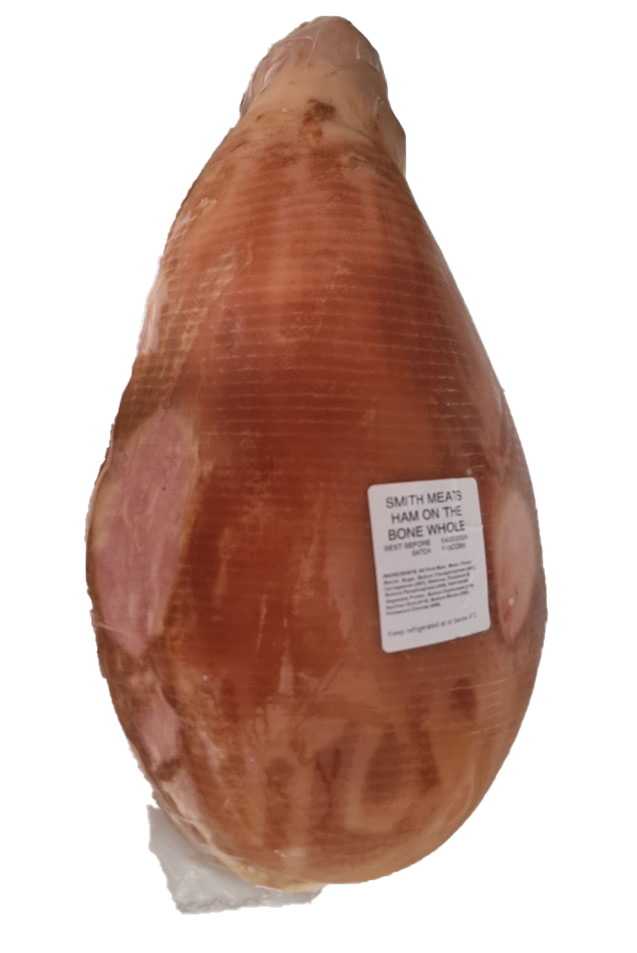
23 December 2023: Source and Supply Food Co. Ltd is recalling specific batches of Smith Meats Brand Cooked on Bone Hams (Whole and Half) as the product may be undercooked.

Product identification
Product type Ready-to-eat ham
Name of product (size) Smith Meats Branded Cooked on Bone Hams (Whole and Half)
Batch marking 11SCOB1, 11SCOB2, 11SCOB3, 11SCOB4, and 11SCOB5
Date marking Best before 26/01/24, 27/01/24, 28/01/24, 09/02/24, 14/02/24, 01/02/2024
Package size and description The product is sold in sealed plastic.
Distribution The affected product is sold at Matamata Butchers, Starfood (Taupo) and sold to some corporate companies.
Notes This recall does not affect any other Smith Meats brand products or any other products from Source and Supply Food Co. Ltd.

Point of sale notice for retailers

If you are a retailer of the product in this recall, download a copy of the point of sale notice. You need to display it in your store for one month.

Point of sale notice – Source and Supply Food Co Ltd [PDF, 85KB]

Consumer advice

Customers are asked to check the batch and date mark on the product.

Affected product should not be consumed. There have been no reports of associated illness, however if you have consumed any of this product and have any concerns about your health, seek medical advice.

Customers should return the product to their retailer for a full refund.

Who to contact

If you have questions, contact Source and Supply Food Co. Ltd:

New Zealand – Public health warning: shellfish biotoxin alert for Waiheke Island

MPI

New Zealand Food Safety is advising the public not to collect or consume shellfish gathered from some southern beaches on Waiheke Island due to the possible presence of biotoxins.

“An algae-like organism called Okeania spp has been detected on beaches at Surfdale and Blackpool on the southern side of Waiheke Island,” says New Zealand Food Safety deputy director-general Vincent Arbuckle

Okeania spp is a cyanobacteria that forms dark-coloured mats of slimy material when it washes up on the beach. As these cynobacterial mats decompose, they turn into a stinky sludge. It can also produce a toxin called Lyngbyatoxin-A, which can cause skin and eye irritation and respiratory issues.

“Samples of the mats were collected by Auckland Council for testing, which has confirmed the presence of Okeania spp and Lyngbyatoxin-A.

“Because of the potential health risks, New Zealand Food Safety is advising the public not to consume shellfish from Surfdale and Blackpool beaches, as well as to avoid coming into contact with the cyanobacterial mats.

“Affected shellfish include bivalve shellfish such as mussels, oysters, tuatua, pipi, toheroa, cockles, and scallops, as well as pūpū (cat’s eyes), Cook’s turban and kina (sea urchin).

“The risks of this toxin contaminating shellfish is unknown, so this warning is precautionary until we can find out more. It’s important to note that cooking shellfish will not destroy biotoxins.

“At this stage, finfish are not included in this public health warning, but we advise people to gut the fish and discard the liver before cooking.”

New Zealand Food Safety has had no notifications of associated illness.

If anyone becomes ill after eating shellfish from an area where a public health warning has been issued, phone Healthline for advice on 0800 61 11 16, or seek medical attention. You are also advised to contact your nearest public health unit and keep any leftover shellfish for testing.

“New Zealand Food Safety is keeping an eye on the situation and will notify the public of any changes,” says Mr Arbuckle.

Commercially harvested shellfish – sold in shops and supermarkets or exported – is subject to strict water and flesh monitoring programmes by New Zealand Food Safety to ensure they are safe to eat.

New Zealand – Kawhia- Shellfish Toxin Alert – PSP

MPI

Reason for alert Paralytic Shellfish Poisoning (PSP)

Date warning issued Media release: 6 December 2023
Affected area The warning extends from Papanui Point, just south of Raglan, to Tirua Point, which is just south of Marokopa. The warning also includes Kawhia and Aotea harbours.
Shellfish affected Mussels, oysters, tuatua, pipi, toheroa, cockles and scallops, as well as pūpū (cat’s eyes), Cook’s turban and kina (sea urchin).

Note, cooking shellfish does not remove the toxin.

Pāua, crab and crayfish may still be eaten if the gut has been completely removed prior to cooking, as toxins accumulate in the gut. If the gut is not removed its contents could contaminate the meat during the cooking process. Finfish are not affected by this warning.

New Zealand – Public health warning: shellfish biotoxin alert for East Coast of North Island further extended

MPI

New Zealand Food Safety is extending its advisory to the public not to collect or consume shellfish gathered from the East Coast of the North Island due to the presence of paralytic shellfish toxins.

“We have extended the existing warning north to now span from Cape Runaway all the way south to Blackhead Point, which is just north of Pōrangahau. Follow-up tests on mussels from Hicks Bay Beach showed levels of paralytic shellfish toxins three times the safe limit,” says New Zealand Food Safety deputy director-general Vincent Arbuckle.

“Please do not gather and eat shellfish from this area because anyone doing so could get sick. Affected shellfish include bivalve shellfish such as mussels, oysters, tuatua, pipi, toheroa, cockles, and scallops, as well as pūpū (cat’s eyes), Cook’s turban and kina (sea urchin).

“We are monitoring an algal bloom off the East Coast, which is spreading. This type of algae produces a dangerous toxin and when shellfish filter-feed, these toxins can accumulate in their gut and flesh. Generally, the more algae there are in the water, the more toxic the shellfish get.

“Cooking the shellfish does not remove the toxin, so shellfish from this area should not be eaten.”

Symptoms of paralytic shellfish poisoning usually appear within 10 minutes to 3 hours of eating and may include:

  • numbness and a tingling (prickly feeling) around the mouth, face, hands, and feet
  • difficulty swallowing or breathing
  • dizziness and headache
  • nausea and vomiting
  • diarrhoea
  • paralysis and respiratory failure and, in severe cases, death.

Pāua, crab, and crayfish may still be eaten if the gut has been completely removed prior to cooking, as toxins accumulate in the gut. If the gut is not removed, its contents could contaminate the meat during the cooking process.

Finfish are not affected by this public health warning, but we advise gutting the fish and discarding the liver before cooking.

New Zealand Food Safety has had no notifications of associated illness.

If anyone becomes ill after eating shellfish from an area where a public health warning has been issued, phone Healthline for advice on 0800 61 11 16, or seek medical attention immediately. You are also advised to contact your nearest public health unit and keep any leftover shellfish in case it can be tested.

“We are monitoring shellfish in the region and will notify the public of any changes to the situation,” says Mr Arbuckle.

Commercially harvested shellfish – sold in shops and supermarkets or exported – is subject to strict water and flesh monitoring programmes by New Zealand Food Safety to ensure they are safe to eat.

New Zealand – Shellfish Biotoxin Alert


North Island warnings

East Cape

Reason for alert

Paralytic Shellfish Poisoning (PSP)

Date warning issued

Media release: 17 November 2023 (further extended)

Media release: 10 November 2023 (extended)

Media release: 12 October 2023

Affected area

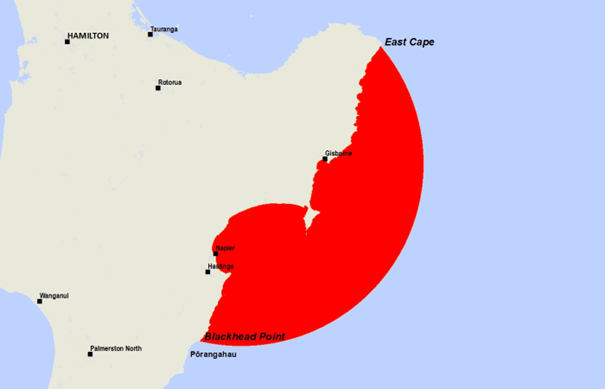
The affected area now extends from East Cape to Blackhead Point, just north of Porangahau

Shellfish affected

Mussels, oysters, tuatua, pipi, toheroa, cockles, scallops, catseyes, kina (sea urchin) and all other bivalve shellfish.

Note, cooking shellfish does not remove the toxin.

Pāua, crab and crayfish may still be eaten if the gut has been completely removed prior to cooking, as toxins accumulate in the gut. If the gut is not removed its contents could contaminate the meat during the cooking process.

Symptoms

Symptoms typically appear between 10 minutes and 3 hours after ingestion and may include:

  • numbness and a tingling (prickly feeling) around the mouth, face, and extremities (hands and feet)
  • difficulty swallowing or breathing
  • dizziness
  • headache
  • nausea
  • vomiting
  • diarrhoea
  • paralysis and respiratory failure and in severe cases, death.

Other information

Paralytic shellfish toxins have been detected in shellfish at levels over the safe limit of 0.8mg/kg set by New Zealand Food Safety. Ongoing testing will continue and any changes will be communicated accordingly.

Map of the affected area

Map showing the area covered by the shellfish biotoxin alert extends from East Cape all the way south to Blackhead Point, just north of Pōrangahau.