Recalled Foods , Published: August 28, 2020
Net stores throughout the country
Recalled Foods , Published: August 28, 2020
Net stores throughout the country
Wheat, maize, barley and peanuts are different sources of mycotoxins. If toxins invade crops before harvesting these are called as field fungi. If it invades post- harvest, they are called storage fungi. Mycotoxins cause heavy economic losses. These are common in tropical and sub-tropical countries in and around Asia.The highest occurring mycotoxin in Asia was FUM (fumonisins), detected in 85% of the samples at an average concentration of 1,354 ppb(parts per billion) .
The highest occurrence of FUM in Asia was detected in a Chinese corn sample (169,500 ppb). DON (deoxynivalenol) prevalence and average concentration in Asia were 77% and 735 ppb, respectively. ZEN (Zearalenone) was the third highest occurring mycotoxin in Asian samples, detected in 49% of tested samples at an average concentration of 201 ppb. In Asia, the highest ZEN value was detected in a Chinese grass sample (8,113 ppb). Aflatoxin was found in 38% of the samples at the highest average concentration worldwide (58 ppb).
Posted in Aflatoxin, Animal Feed, Aspergillus, food contamination, Food Hygiene, Food Illness, Food Inspections, Food Micro Blog, Food Microbiology, Food Microbiology Blog, Food Microbiology Research, Food Microbiology Testing, Food Poisoning, Food Safety, Food Testing, Food Toxin, Fusarium Toxin, Hygiene, microbial contamination, Microbiology, mold, Mould Toxin, Moulds, Mycotoxin
food supplement from Switzerland, via Spain infested with moulds in Portugal
burger buns from Poland infested with moulds (on the underside) in Denmark
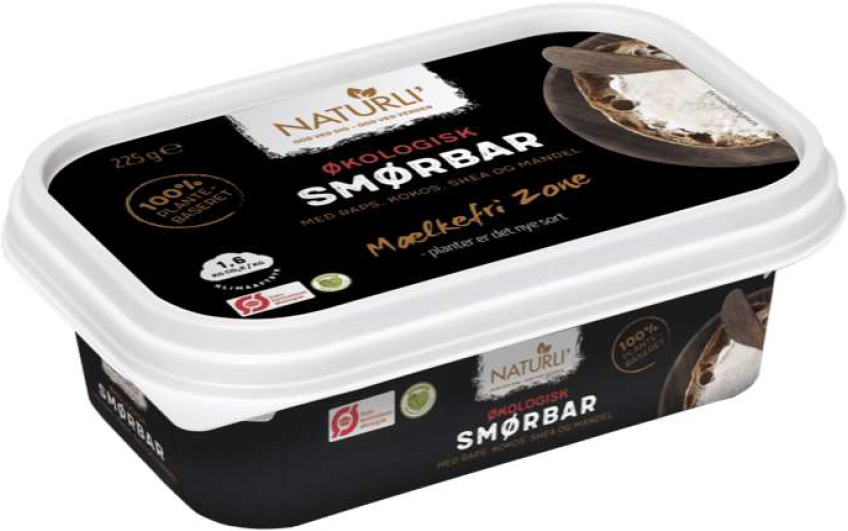
organic plant based spreadable from Denmark infested with moulds in Denmark
Posted in food contamination, Food Hygiene, Food Inspections, Food Micro Blog, Food Microbiology, Food Microbiology Blog, Food Microbiology Testing, food recall, Food Safety, Food Safety Alert, Food Spoilage, Food Temperature Abuse, Food Testing, microbial contamination, Microbiology, mold, Mould Toxin, Moulds, RASFF
As I have been on annual leave I have covered the last two weeks RASFF Alerts.
aflatoxins (B1 = 29; Tot. = 51 µg/kg – ppb) in groundnuts from Argentina in the Netherlands
aflatoxins (Tot. = 16.12 µg/kg – ppb) in roasted and salted pistachio kernels from Turkey in Germany
aflatoxins (B1 = 8.3; Tot. = 9.6 µg/kg – ppb) in peanut butter from the United Kingdom in Ireland
aflatoxins (B1 = 8.9; Tot. = 11 µg/kg – ppb) and ochratoxin A (10.3 µg/kg – ppb) in red rice from Sri Lanka in Switzerland
aflatoxins (B1 = 14.7; Tot. = 20.1 µg/kg – ppb) in black pepper from Nigeria in Belgium
aflatoxins (B1 = 5.6 µg/kg – ppb) in blanched groundnuts from India in the Netherlands
aflatoxins (B1 = 3.8; Tot. = 4 µg/kg – ppb) in groundnut kernels from Argentina in the Netherlands
aflatoxins (B1 = 5.7; Tot. = 22 µg/kg – ppb) in groundnut kernels from Argentina in the Netherlands
aflatoxins (B1 = 3.4; Tot. = 3.8 µg/kg – ppb) in groundnut kernels from Argentina in the Netherlands
aflatoxins (B1 = 26.3; Tot. = 29.8 µg/kg – ppb) in flavoured coated groundnuts from Germany in Finland
aflatoxins (B1 = 5.4 µg/kg – ppb) in flavoured groundnuts from Germany in Finland
aflatoxins (B1 = 3.1; Tot. = 3.9 µg/kg – ppb) in peanuts with shell from India in Spain
aflatoxins (B1 = 5; Tot. = 5 µg/kg – ppb) in groundnuts from China, via Germany in the Netherlands
aflatoxins (B1 = 8.6; Tot. = 10.0 µg/kg – ppb) in dry roasted cocktail peanuts from Nigeria in the UK
aflatoxins (B1 = 6.6; Tot. = 6.6 µg/kg – ppb) in spice mix from Pakistan in Ireland
aflatoxins (B1 = 9.8; Tot. = 11.1 µg/kg – ppb) in spice mix from Pakistan in Ireland
aflatoxins (B1 = 15.8; Tot. = 17.4 µg/kg – ppb) in inshell pistachios from Iran in Greece
aflatoxins (B1 = 4.6; Tot. = 4.6 µg/kg – ppb) in basmati rice from Pakistan in Greece
aflatoxins (B1 = 94; Tot. = 101 µg/kg – ppb) in pistachios from Iran in Spain
Posted in Aflatoxin, food contamination, Food Hygiene, Food Inspections, Food Micro Blog, Food Microbiology, Food Microbiology Blog, Food Microbiology Research, Food Microbiology Testing, Food Poisoning, food recall, Food Safety, Food Safety Alert, Food Spoilage, Food Testing, Food Toxin, microbial contamination, Microbiology, mold, Mould Toxin, Moulds, Mycotoxin
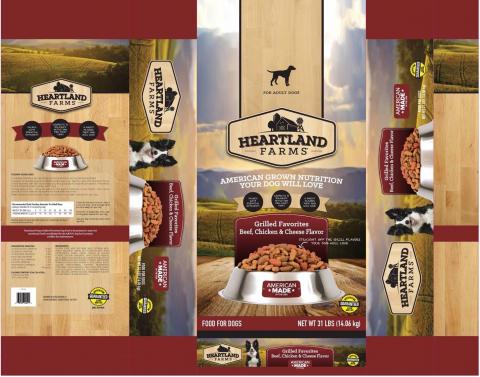
Sunshine Mills, Inc. is issuing a voluntary recall of certain dog food products due to levels of Aflatoxin that are potentially above the acceptable limit. Aflatoxin is a naturally occurring mold by-product from the growth of Aspergillus flavus and can be harmful to pets if consumed in significant quantities.
The potential for aflatoxin levels above the acceptable limit in these products was discovered by routine sampling performed by the Louisiana Department of Agriculture and Forestry showing that a sample of a single 4-pound bag of one lot of the product contained elevated levels of aflatoxin. No illnesses have been reported in association with these products to date, and no other Sunshine Mills, Inc. pet food products are affected by this announcement.
While no adverse health effects related to these products have been reported, Sunshine Mills, Inc. has chosen to issue a voluntary recall of these products as a precautionary measure in furtherance of its commitment to the safety and quality of its products. Pets that have consumed any of the recalled products and exhibit symptoms of illness including sluggishness or lethargy combined with a reluctance to eat, vomiting, yellowish tint to the eyes or gums, or diarrhea should be seen by a veterinarian.
The affected products were distributed in retail stores nationally. Retailers who received the recalled lots have been contacted and asked to pull these lots from their inventory and shelves. There are no other Family Pet®, Heartland Farms®, or Paws Happy Life® products or other lot codes of these products affected by this precautionary recall.
Consumers who have purchased the recalled products should discontinue use of the product and may return the unused portion to the place of purchase for a full refund. Consumers may contact Sunshine Mills, Inc. Customer Service at (800) 705-2111 from 7AM to 4PM Central Time, Monday through Friday, or by email at customer.service@sunshinemills.com for additional information.
This is a voluntary recall being conducted in cooperation with the U.S. Food and Drug Administration.
Products affected by this announcement:
|
Product Name |
Size |
Lot Codes |
UPC Code |
|---|---|---|---|
| FAMILY PET® MEATY CUTS BEEF CHICKEN & CHEESE FLAVORS PREMIUM DOG FOOD | 4 lb. | TD3 4/APRIL/2020 TD1 5/APRIL/2020 |
3225120694 |
| 14 lb. |
TB1 4/APRIL/2020 TB2 4/APRIL/2020 TB3 3/APRIL/2020 |
3225118078 | |
| 28 lb. | TB3 3/APRIL/2020 | 3225120694 | |
| HEARTLAND FARMS® GRILLED FAVORITES BEEF CHICKEN & CHEESE FLAVOR |
14 lb. | TB1 4/APRIL/2020 TB2 4/APRIL/2020 |
7015514299 |
| 31 lb. | TA2 4/APRIL/2020 TA3 4/APRIL/2020 |
7015514301 | |
| PAWS HAPPY LIFE® BUTCHER’S CHOICE DOG FOOD | 16 lb. | TA1 4/APRIL/2020 TA2 4/APRIL/2020 |
3680035763 |


Matvælastofnun warns against consuming two batches of vegan butter from Naturli due to the risk of mold growth. Kjarnavörur hf. who import the product are recalling it from the market, in consultation with the Health Inspectorate of the Hafnarfjörður and Kópavogur areas.
Matvælastofnun received information about the product through the RASFF European warning system on dangerous foods and feed on the market and alerted the health inspectorate.
The recall only applies to the following batches:
Aldi warns against roasted almonds, salted 200 grams with barcode 23046832 and best before date 03-2021. A check has shown that this product may contain too high a level of aflatoxin. Eating too much aflatoxin can be harmful to your health. Customers are therefore urged not to consume the product and to return it to an Aldi store.
See also website Aldi
Posted in Aflatoxin, food contamination, Food Hygiene, Food Inspections, Food Micro Blog, Food Microbiology, Food Microbiology Blog, Food Microbiology Testing, Food Pathogen, Food Poisoning, food recall, Food Safety, Food Safety Alert, Food Spoilage, Food Testing, Food Toxin, mold, Mould Toxin, Moulds, Mycotoxin
Hostess Brands, LLC (“Hostess Brands”) is expanding its voluntary recall of certain Hostess® Raspberry Zingers® because the product may develop mold prior to the best by date.
The expanded recall applies to the following Raspberry Zinger® products:
| Product Description: | Item UPC: | Batch: | Best By Dates: |
|---|---|---|---|
| Hostess Raspberry Zingers (Multi-Pack fresh) | 888109110604 | H062424000 H062524000 H062624000 H062724000 H070724000 H070824000 H070924000 H071024000 H071124000 H072124000 H072224000 H072324000 | 09/07/2020 09/08/2020 09/09/2020 09/10/2020 09/20/2020 09/21/2020 09/22/2020 09/23/2020 09/24/2020 10/04/2020 10/05/2020 10/06/2020 |
| Hostess Raspberry Zingers (Multi-Pack frozen) | 888109110604 | H062624000 H062724000 | N/A N/A |
| Hostess Raspberry Zingers (Single-Serve fresh) | 888109010089 | H062424000 H062624000 H070724000 H070824000 H072224000 H072324000 | 09/07/2020 09/09/2020 09/20/2020 09/21/2020 10/05/2020 10/06/2020 |
| Hostess Raspberry Zingers (Single-Serve frozen) | 888109010089 | H062424000 H062524000 H062624000 H070824000 H070924000 H072124000 H072224000 | N/A N/A N/A N/A N/A N/A N/A |
| Hostess Raspberry Zingers (Single-Serve 3 count case) | 888109010089 | H062424000 H062624000 H071124000 H072324000 | 09/07/2020 09/09/2020 09/24/2020 10/06/2020 |
The following Raspberry Zinger® products were part of the original voluntary recall:
| Product | Item UPC | Batch | Best By Date |
|---|---|---|---|
| Hostess Raspberry Zingers (Multi-Pack fresh) | 888109110604 | H061224000 | 08/26/2020 |
| H061324000 | 08/27/2020 | ||
| H061424000 | 08/28/2020 | ||
| H061524000 | 08/29/2020 | ||
| Hostess Raspberry Zingers (Multi-Pack frozen) | 888109110604 | H061524000 | |
| Hostess Raspberry Zingers (Single-Serve fresh) | 888109010089 | H061224000 | 08/26/2020 |
| H061324000 | 08/27/2020 | ||
| H061424000 | 08/28/2020 | ||
| Hostess Raspberry Zingers (Single-Serve frozen) | 888109010089 | H061424000 | |
| H061524000 | |||
| Hostess Raspberry Zingers (Single-Serve grocery 3 count) | 888109010089 | H061224000 | 8/26/2020 |
The products were sold to mass merchandisers, grocery stores, distributors, dollar and discount stores, and convenience stores throughout the United States.
Consumers who have purchased the affected product are urged to discontinue consumption and contact the place of purchase about returning them for a full refund.
This recall does not affect any other Hostess Brands products.
Consumers with questions may contact 1-800-483-7253 Monday through Friday from 8:30 am to 4:30 pm Central Time.
Hostess Brands, LLC
Hostess Brands, LLC is headquartered in Lenexa, Kansas and operates bakeries in Emporia, Kansas, Chicago, Illinois, Columbus, Georgia, Indianapolis, Indiana and through its Voortman Cookies Limited subsidiary, Burlington, Ontario.
For more information about Hostess products and Hostess Brands, please visit hostesscakes.com. Follow Hostess on Twitter: @Hostess_Snacks; on Facebook: facebook.com/Hostess; on Instagram: Hostess_Snacks; and on Pinterest: pinterest.com/hostesscakes.
Contacts
LAK Public Relations, Inc.
Marie Espinel, Katie Lewis or Hannah Arnold, 212-575-4545 mespinel@lakpr.com, klewis@lakpr.com or harnold@lakpr.com
Several materials such as plastic, wood, cardboard or stainless steel are used as working surfaces or packaging in direct contact with foodstuffs. In food industries, the hygienic surface status is one of the criteria to product conform packaging as described in the European regulation ECR 1935/2004. Today in European Union, it exists one harmonized regulation specific for Food Contact material made of plastic called EU N°10/2011 (Anonymous 2011a). This regulation specifies that materials intended for safe foodstuff contact must not modify food characteristics in terms of chemical, microbiological and sensorial properties.
This study aims to compare the survival and transfer of Penicillium expansum conidia and Escherichia coli cells from several materials to apples. Poplar, cardboards, newly manufactured plastic and reusable plastic specimens were artificially inoculated with both microorganisms, subsequently put in contact with apples and stored under realistic storage conditions. After incubation for up to 1 week, apples and specimens were analysed to assess the survival of the microorganisms and their transfer from materials to apples.
While P. expansum survived and did not grow on any of the materials, E. coli mortality was observed after 1 h on wood and cardboard and after 1 week on both plastics. The proportion of microorganisms transferred was different according to the considered material. This transfer was lower than 1% for wood.
Aflatoxins (B1 = 10.5; Tot. = 25.1 µg/kg – ppb) in dried figs from Turkey in Belgium
Aflatoxins (B1 = 7.5; Tot. = 8.2 µg/kg – ppb) in chakki atta wheat flour from Nepal, via India in the UK