Category Archives: Mold Toxin

New Zealand – Prolife Foods Value Pack and Refill Pack Products Containing Peanuts – Aflatoxin

MPI

New Zealand – Recall of peanut products due to aflatoxin above acceptable levels

MPI

New Zealand Food Safety (NZFS) is supporting Prolife Foods in its recall of specific batches of various Value Pack and Refill Pack products containing peanuts.

“The concern with these products is that they contain levels of aflatoxins above the allowable level in New Zealand,” says NZFS deputy director-general Vincent Arbuckle.

The products affected by this recall are:

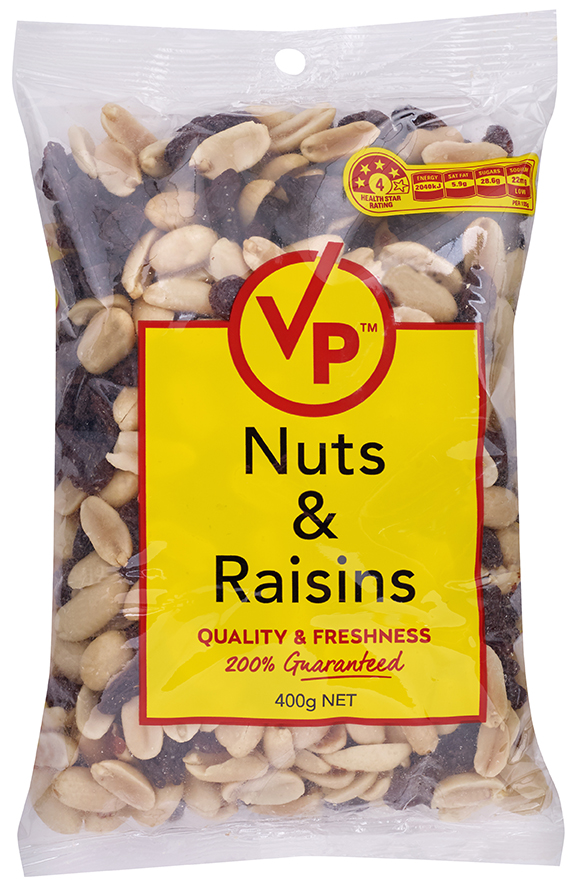
  • Value Pack (VP) Nuts and Raisins (400g) with a Best Before: 29 SEP 2024
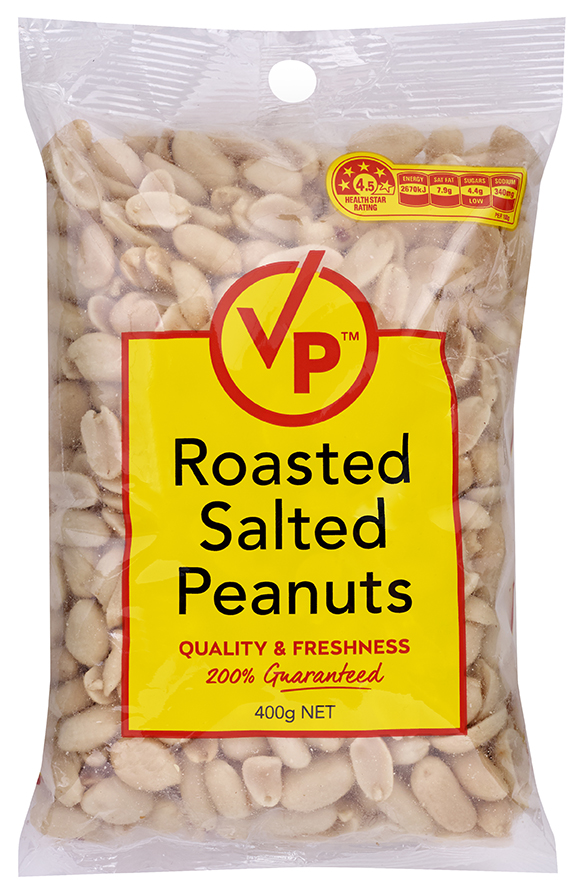
  • Value Pack (VP) Roasted Salted Peanuts (400g) with a Best Before: 08 OCT 2024 and 15 OCT 2024
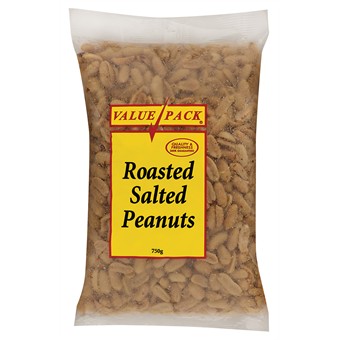
  • Value Pack (VP) Roasted Salted Peanuts (750g) with a Best Before 08 OCT 2024
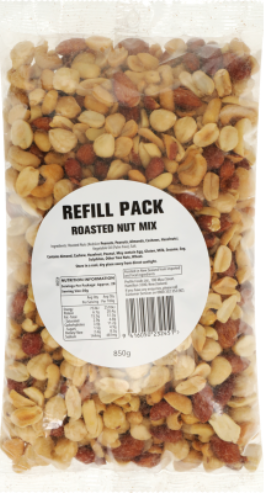
  • Refill Pack brand Roasted Nut Mix (850g) with a Best Before: 05 OCT 2024
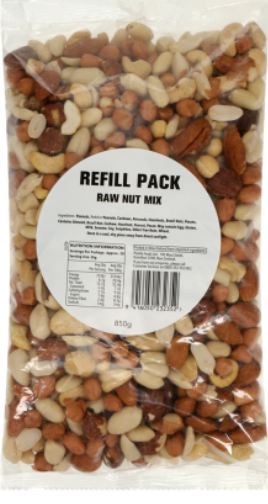
  • Refill Pack brand Raw Nut Mix (850g) with a Best Before: 05 OCT 2024

“If you have bought any of these products, don’t consume them and return them to the place of purchase for a refund.

“Aflatoxins are naturally occurring in many food products and are produced by a group of moulds that grow on foods produced in hot and tropical climates.

“Levels of aflatoxin in the New Zealand diet are usually very low and don’t represent a health risk, however, consumption of food products with increased levels of aflatoxin over an extended period of time can be harmful.”

The affected products are sold at selected supermarkets throughout New Zealand.

Visit New Zealand Food Safety’s recall page for more information about batch details and photographs of the affected product.

“The recalled products are imported and, although they have undergone the necessary testing, they were released by the importer in error without confirming the results,” says Mr Arbuckle.

The products have been removed from stores. The affected products are not available overseas.

“As is our usual practice, NZFS will work with Prolife Foods to understand how the products were released and to prevent it happening again,” Mr Arbuckle said.

New Zealand Food Safety has not received any notifications of associated illness.

If you have consumed any of this product and are concerned for your health, contact your health professional, or call Healthline on 0800 61 11 16 for free advice.

Norway – Midsona Norge AS withdraws Helios organic dark baking mix and Helios organic light baking mix -Aflatoxins

Mattilsynet

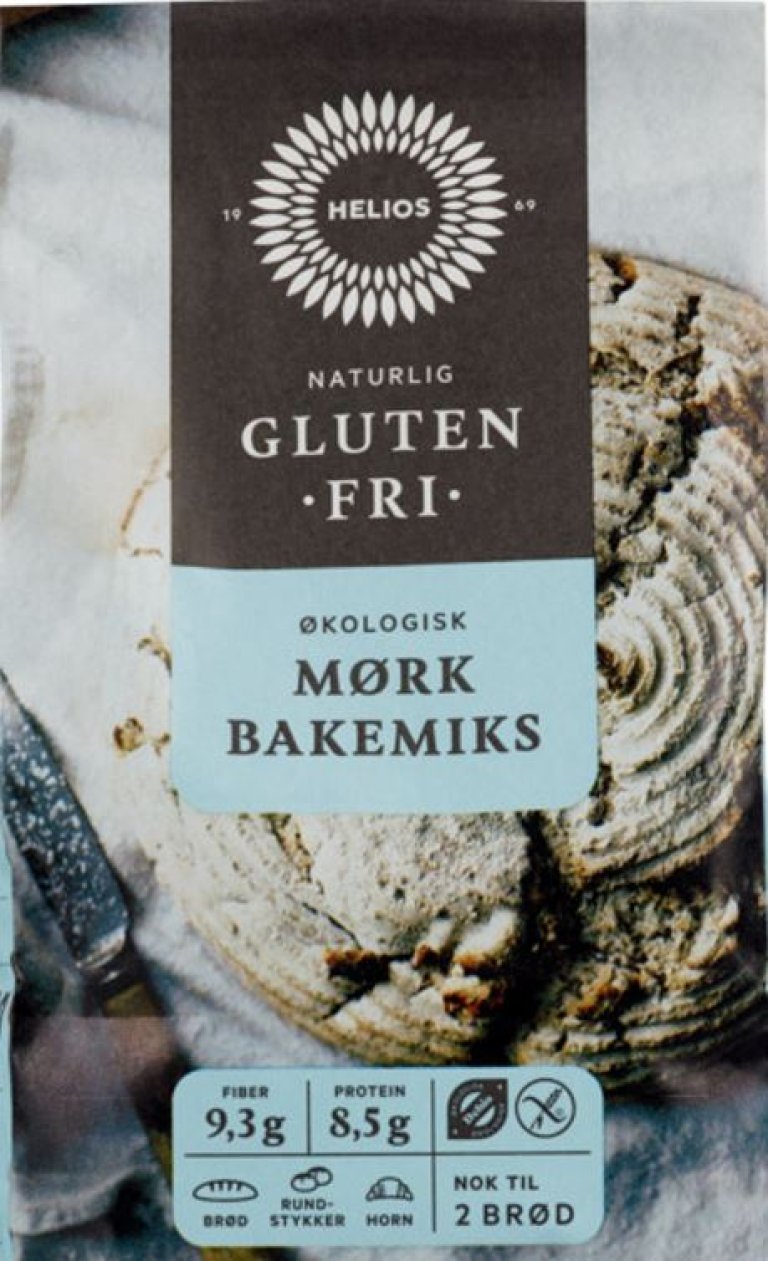
Helios dark makemix.JPG

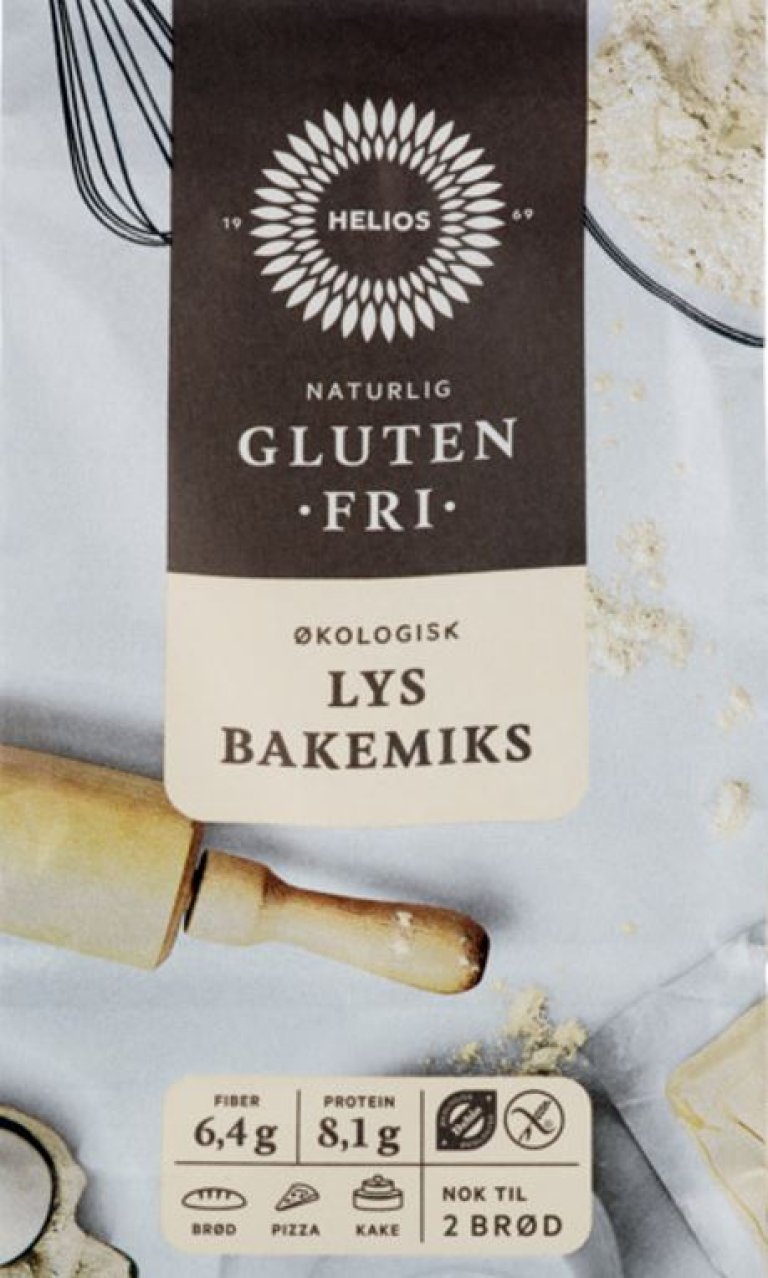
Helios light baking mix.JPG

Midsona Norge AS withdraws Helios organic dark baking mix and Helios organic light baking mix, both gluten-free. Aflatoxins above the limit value have been found in the ingredient rice flour.

Updated 05/04/2024
Importer Midsona Norge AS has informed the Norwegian Food Safety Authority that the withdrawal applies to more “best before dates” than those stated in the online notification 27/03/2024

Dark baking mix, best before dates:
09.03.2024, 12.04.2024, 11.05.2024, 26.06.2024, 15.08.2024, 03.09.2024, 05.11.2024, 04.12.2024.

Light baking mix, best before dates:
07.02.2024, 12.04.2024, 11.06.2024, 02.07.2024, 06.11.2024, 04.12.2024.
The products are sold via health food stores, shop outlets and through Oda.

The mycotoxin aflatoxin has been found in the ingredient rice flour from Cambodia. Mold toxins (mycotoxins) are naturally occurring toxins from molds. Mycotoxins occur in feed and food and can cause long-term negative health effects in humans and animals.

The importer asks customers who have bought the products to throw them away.

Research – Mitigation of Mycotoxins in Food—Is It Possible?

MDPI

Abstract

Among microorganisms found in food, fungi stand out because they are adaptable and competitive in a large range of water activities, temperatures, pHs, humidities and substrate types. Besides sporulating, some species are toxigenic and produce toxic metabolites, mycotoxins, under adverse biotic and abiotic variables. Microorganisms are inactivated along the food chain, but mycotoxins have stable structures and remain in ready-to-eat food. The most prevalent mycotoxins in food, which are aflatoxins, fumonisins, ochratoxin A, patulin, tenuazonic acid, trichothecenes and zearalenone, have maximum tolerable limits (MTLs) defined as ppb and ppt by official organizations. The chronic and acute toxicities of mycotoxins and their stability are different in a chemical family. This critical review aims to discuss promising scientific research that successfully mitigated levels of mycotoxins and focus the results of our research group on this issue. It highlights the application of natural antifungal compounds, combinations of management, processing parameters and emergent technologies, and their role in reducing the levels and bioaccessibility. Despite good crop management and processing practices, total decontamination is almost impossible. Experimental evidence has shown that exposure to mycotoxins may be mitigated. However, multidisciplinary efforts need to be made to improve the applicability of successful techniques in the food supply chain to avoid mycotoxins’ impact on global food insecurity.

RASFF Alerts – Mycotoxin – Ochratoxin A – Bush Mango Powder – Dried Figs – Sultanas

RASFF

Ochratoxin A and aflatoxins in bush mango powder from Togo in Switzerland

RASFF

Ochratoxin A in dried figs from Türkiye in Italy

RASFF

Ochratoxin A in organic sultanas from Turkey in  Austria, Denmark, Germany, Iceland, Italy, Portugal, Sweden, Switzerland, Türkiye, United Kingdom

RASFF Alerts – Aflatoxin – Peanuts – Popcorn – Almonds – Dried Figs – Pistachios – Rice – Groundnuts

RASFF

Presence of aflatoxins above the established limit in almonds from United States in Spain

RASFF

Aflatoxin B1 in popcorn from France in the Czech Republic and Austria

RASFF

Presence of aflatoxins above the established limit in almonds from United States. in Spain

RASFF

Total aflatoxins in dried figs from Turkey in France

RASFF

Aflatoxin B1 and total aflatoxins in dried figs from Turkey in France

RASFF

Aflatoxins in U.S.A. peanuts in the Netherlands

RASFF

Aflatoxin in roasted antep pistachio from Türkiye in Netherlands and Bulgaria

RASFF

Pesticide residues and aflatoxin in Indian rice in the Netherlands

RASFF

Aflatoxin in USA groundnuts in the Netherlands

RASFF

Aflatoxin B1 in groundnuts from Paraguay in the Netherlands

RASFF

Aflatoxins (B1 = 3,94 ppb; Tot. = 5,77 ppb) in groundnuts kernels from Argentina in Poland

RASFF

Aflatoxin B1 and total aflatoxins in dried figs from Turkey in France

Italy – Cocoa Powder – Ochratoxin A

Salute

Brand : Penny

Name : Cocoa Powder

Reason for reporting : Recall due to chemical risk

Publication date : 3 April 2024

Documentation

Documentation

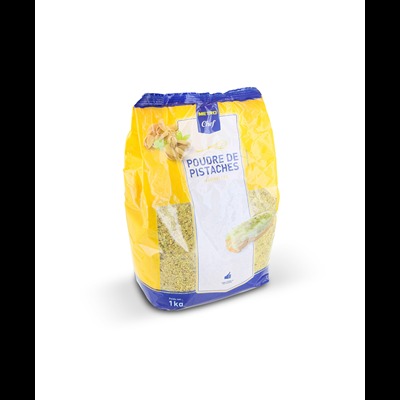
France – NATURAL PISTACHIO POWDER 1KG METRO CHEF – Aflatoxins

Gov France

Product category
Food
Product subcategory
Nuts and seeds
Product brand name
METRO CHEF
Model names or references
NATURAL PISTACHIO POWDER 1KG METRO CHEF
Product identification
GTIN Batch Date
4337182210528 Lot: 13341017 Minimum durability date 06/12/2024
4337182210528 Lot: 13311016 Minimum durability date 06/11/2024
Packaging
1KG BAG
Start/end date of marketing
From 12/20/2023 to 03/01/2024
Storage temperature
Product to be stored at room temperature
Geographical sales area
Whole France
Distributors
METRO FRANCE

Research -Determination and risk assessment of aflatoxin B1 in the kernel of imported raw hazelnuts from Eastern Azerbaijan Province of Iran

Nature

Aflatoxin B1 (AFB1) is widespread and seriously threatens public health worldwide. This study aimed to investigate AFB1 in imported hazelnut samples in northwest of Iran (Eastern Azerbaijan Province) using High-Performance Liquid Chromatography with a Fluorescent Detector (HPLC-FLD). In all tested samples AFB1 was detected. The mean concentration of AFB1 was 4.20 μg/kg and ranged from 3.145 to 8.13 μg/kg. All samples contained AFB1 levels within the maximum acceptable limit except for one sample. Furthermore, the human health risk assessment of AFB1 from consuming imported hazelnuts by Iranian children and adults was evaluated based on the margin of exposure (MoE) and quantitative liver cancer risk approaches. The MoE mean for children was 2529.76, while for adults, it was 8854.16, indicating a public health concern. The present study found that the risk of developing liver cancer among Iranian children was 0.11100736 per 100,000 people, and in the Iranian adult population was 0.0314496 cancers per 100,000 people. Since environmental conditions potentially affect aflatoxin levels in nuts, countries are advised to monitor aflatoxin contents in imported nuts, especially from countries with a conducive climate for mold growth.

RASFF Alert – Mycotoxin – Fumonisins – Corn Flour

RASFF

Fumonisins in corn flour from France in Belgium. Germany, Luxembourg and Netherlands